




新闻中心

عرض: 16

وقت النشر:2026-10-26
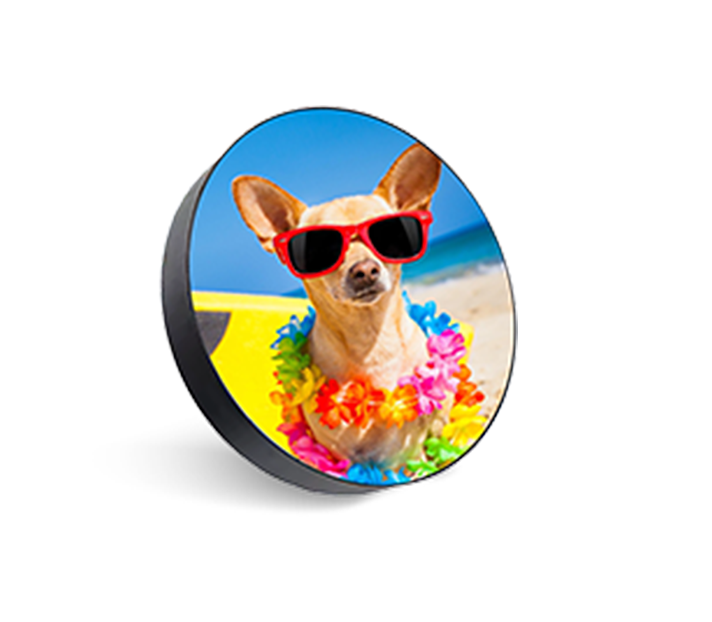
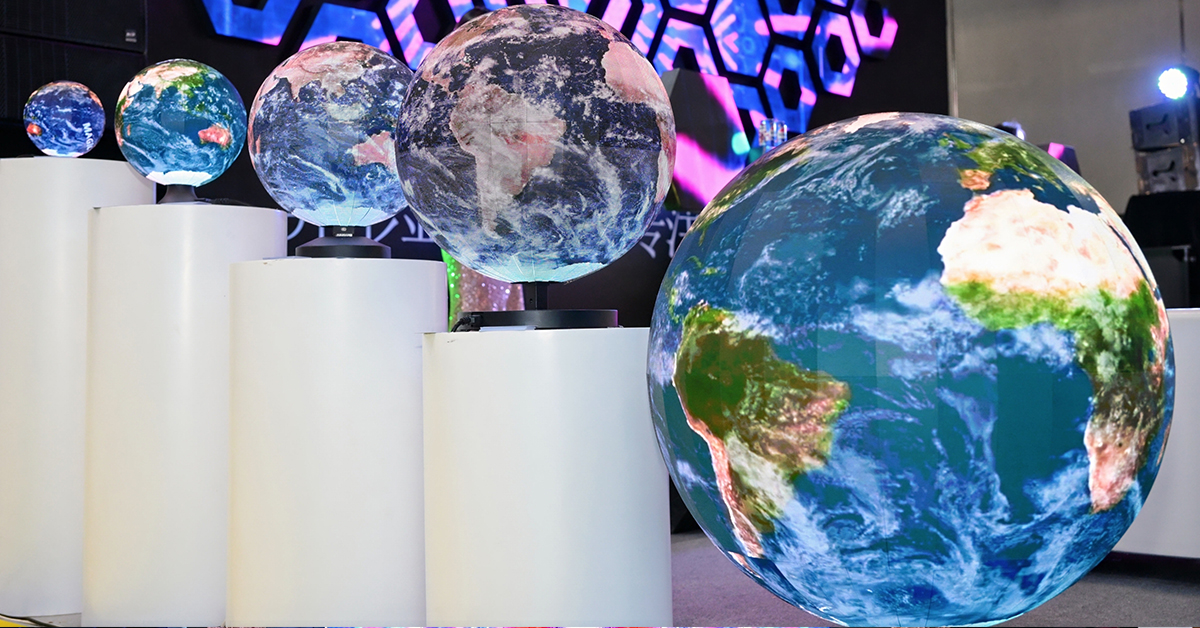
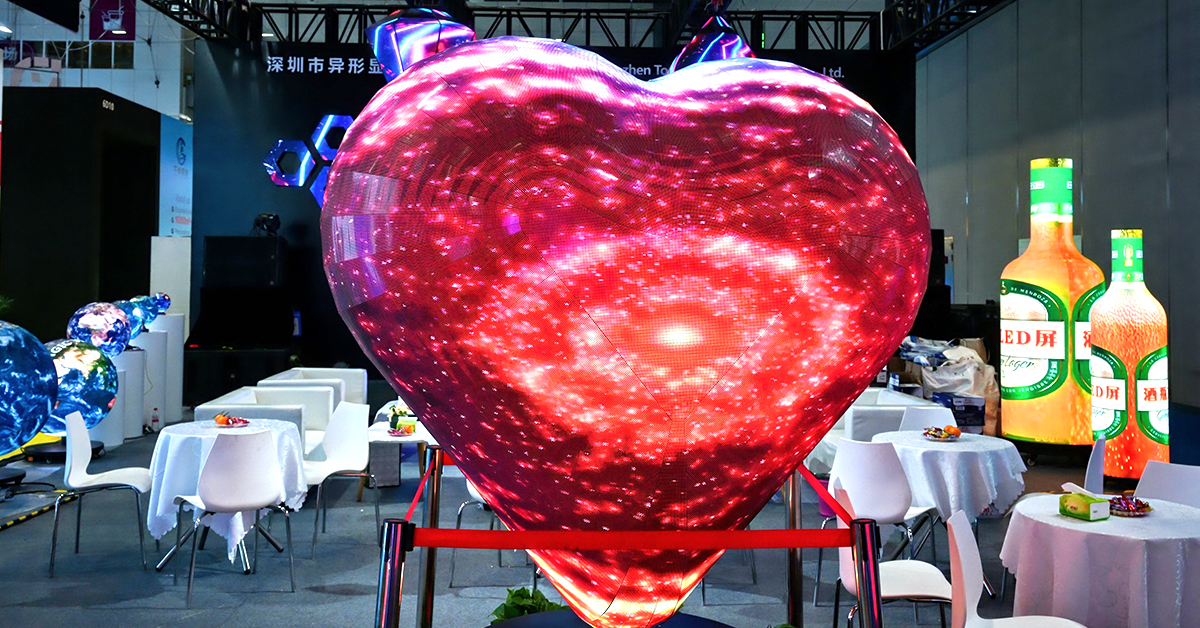
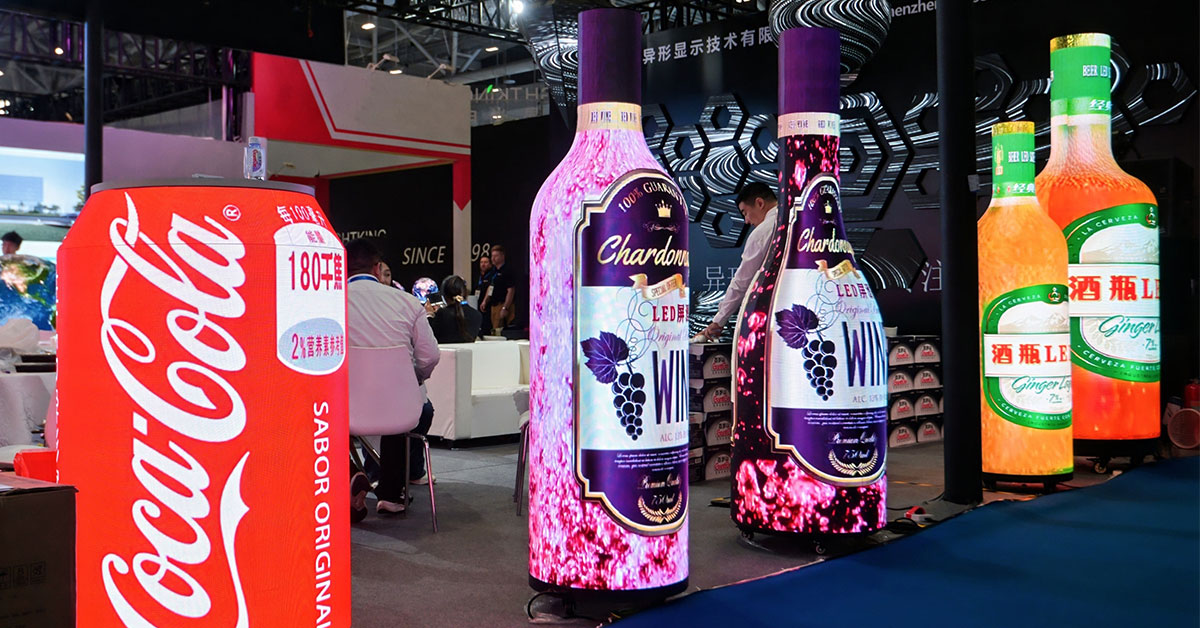
A circular LED display can make a store, shopping mall, or exhibition stand out. However, if the screen runs for many hours every day, electricity costs become an important part of the operating budget. So, how much power does a circular LED display use, and how can you calculate its daily running costs?
The answer depends on the screen size, brightness, content, and operating hours. With a few simple calculations, you can estimate electricity costs before choosing a display.
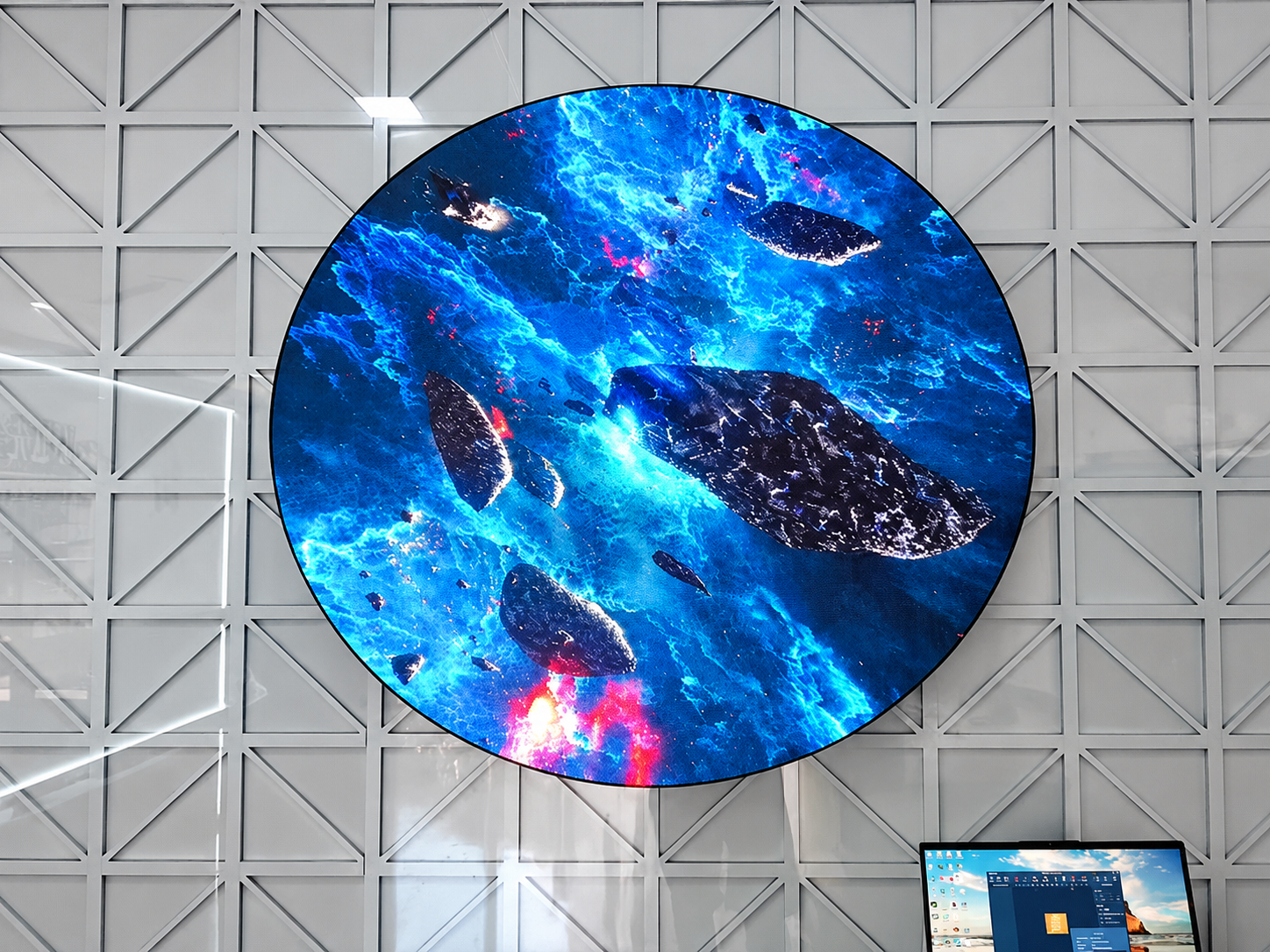
Several factors determine the power consumption of a circular LED screen.
Screen size: A larger display has more LED modules and usually consumes more electricity.
Brightness: Outdoor screens often need higher brightness to remain visible in sunlight. Higher brightness generally means higher power consumption.
Display content: A screen showing colorful videos and graphics may use less power than one displaying a full-white image at maximum brightness.
Operating hours: A display running for 12 hours a day will normally use more electricity than one running for 6 hours.
Understanding these factors helps you select a suitable screen without paying for unnecessary energy use.
The calculation is straightforward. You need the screen's average power consumption, daily operating hours, and local electricity rate.
Daily Electricity Consumption (kWh) = Average Power (kW) × Operating Hours
Daily Electricity Cost = Daily Electricity Consumption (kWh) × Electricity Rate
For example, TOOSEN lists 150 W/m² as the power consumption figure for its circular LED display. This figure can be used for an initial estimate, but you should confirm whether it represents average or maximum consumption for the selected configuration.
Consider a circular LED screen with an active display area of 2 m², running for 10 hours daily. Assume an electricity rate of $0.15 per kWh.
Estimated power: 150 W/m² × 2 m² = 300 W, or 0.3 kW
Daily energy use: 0.3 kW × 10 hours = 3 kWh
Daily electricity cost: 3 kWh × $0.15 = $0.45
Monthly electricity cost: $0.45 × 30 days = $13.50
These figures are estimates based on the stated power density. Actual costs may differ depending on brightness, content, and the complete system configuration.
A rated power figure does not always represent the power used during normal operation. LED brightness changes with the displayed content and settings. The media player, control system, and cooling equipment may also add to total electricity consumption.
For this reason, it is important to distinguish between maximum power consumption and average operating power.
If you calculate costs using maximum power alone, you may overestimate everyday energy use. If you use an average figure that is too low, you may underestimate the electricity budget. For a reliable estimate, use the manufacturer's data for your specific model.
You do not need to sacrifice visual quality to control electricity expenses.
Adjust brightness: Use only the brightness required by the viewing environment.
Set operating schedules: Turn the display off when the venue is closed.
Choose suitable specifications: Select the pixel pitch and screen size according to viewing distance and installation needs.
Use scheduled content: Avoid unnecessary full-white images and maximum-brightness playback.
Maintain proper ventilation: Good heat management supports stable operation and helps protect components.
For commercial installations, these small decisions can make a difference over months of continuous use.
After installation, measure the display's real electricity use instead of relying only on estimates.
An electrician can use a suitable power meter to record input power under normal operating conditions. Test the screen with typical advertising content, different brightness settings, and high-brightness images.
Record the average power over a representative operating period. Then multiply the measured kW value by the daily operating hours and electricity rate.
This method gives you a more realistic estimate of daily running costs and helps identify opportunities for improvement.
Power consumption should be considered alongside screen size, image quality, protection, and maintenance.
TOOSEN offers circular LED displays in different pixel pitches and customized diameters for applications such as retail stores, shopping malls, exhibitions, hotels, and event venues. Its product range includes indoor and outdoor options, with outdoor models designed for more demanding environments.
The module structure, power supply, control system, and installation method all affect the final system design. Choosing a suitable configuration at the beginning can help balance visual performance, reliability, and operating costs.
Explore the TOOSEN Circular LED Display to review available configurations and discuss your project requirements.
Q1: How much electricity does a circular LED display use per day?
It depends on the display's actual average power and daily operating hours. Multiply average power in kW by operating hours to calculate daily energy use in kWh.
Q2: Is a circular LED screen expensive to run?
Not necessarily. A smaller screen with suitable brightness and scheduled operating hours may have relatively low electricity costs. The best way to estimate expenses is to calculate them before purchase.
Q3: Does higher brightness increase electricity costs?
Generally, yes. Higher brightness usually requires more power, although actual consumption varies by display design and operating conditions.
Q4: How can I get a more accurate cost estimate?
Ask your supplier for the maximum and typical power consumption of the exact model. Combine this information with your expected operating hours and local electricity rate.
Calculating circular LED display power consumption before purchase helps you plan your budget and avoid unexpected operating expenses. Screen size, brightness, content, and operating schedules should all be considered together.
TOOSEN provides customized circular LED display solutions for different commercial and creative applications. By discussing your installation environment, viewing distance, operating hours, and power requirements with the manufacturer, you can choose a display that meets your visual goals while keeping daily running costs under control.
Visit TOOSEN to learn more about its LED display solutions and request a configuration suited to your project.
 +86 18688923792
 andy@tosled.com


