



新闻中心
最真实的客户反馈,高高度信息丰富的技术支持视频和我们的最新更新!
最真实的客户反馈,高高度信息丰富的技术支持视频和我们的最新更新!

閲覧: 176

発表時間:2026-08-27
A curved LED wall can look simple on an architectural drawing. In reality, turning that curve into a working display requires coordination between the architect, LED manufacturer, structural team and installer.
The curve radius, viewing distance, supporting structure, maintenance access and cable routing can all affect the final result.
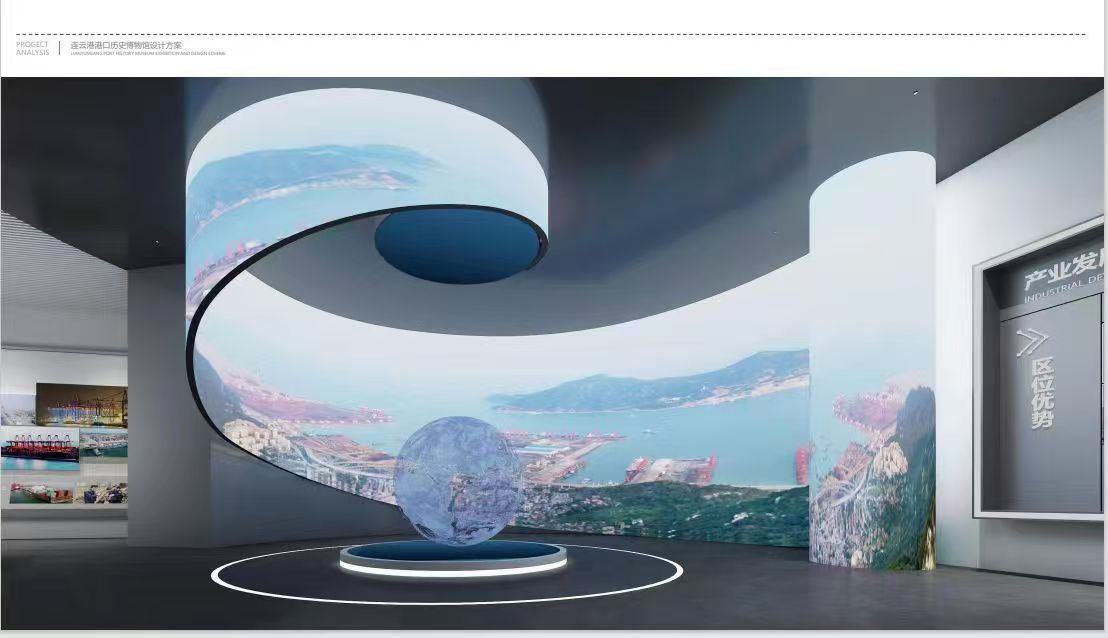
For this reason, architects should not treat a flexible LED screen as a surface finish that can simply be added at the end of a project. It is better to consider the display as part of the building system from the early design stage.
Here are the main points to check before specifying one.
Before selecting a flexible LED display, first define the shape it needs to follow.
Is the screen:
concave?
convex?
cylindrical?
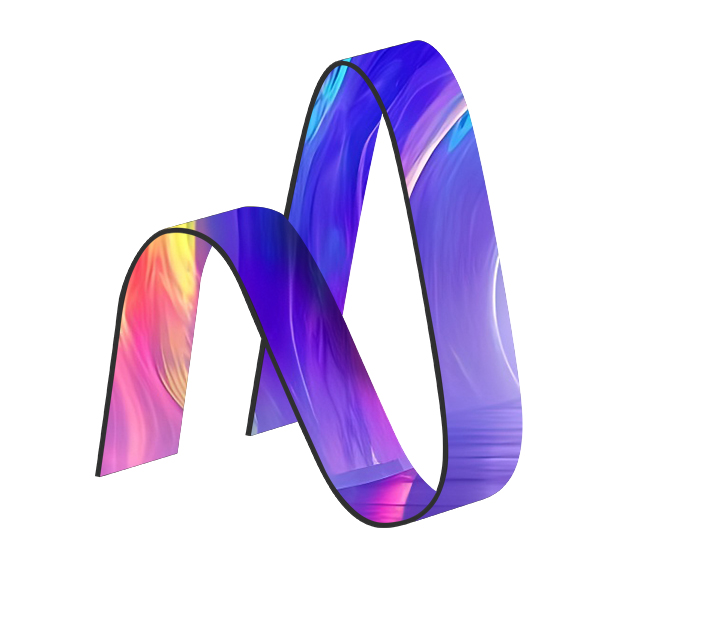
wave-shaped?
wrapped around a column?
integrated into an irregular wall?
The architectural drawing should provide clear dimensions and, where possible, the radius of each curved section.
This information should be sent to the LED manufacturer before the screen model is finalized.
A flexible module can bend, but it still has physical limits. The supporting structure must also follow the intended geometry accurately. If the structure and LED modules do not match, installers may have difficulty achieving a smooth screen surface.
For complex projects, CAD drawings or 3D models are more useful than basic width-and-height measurements.
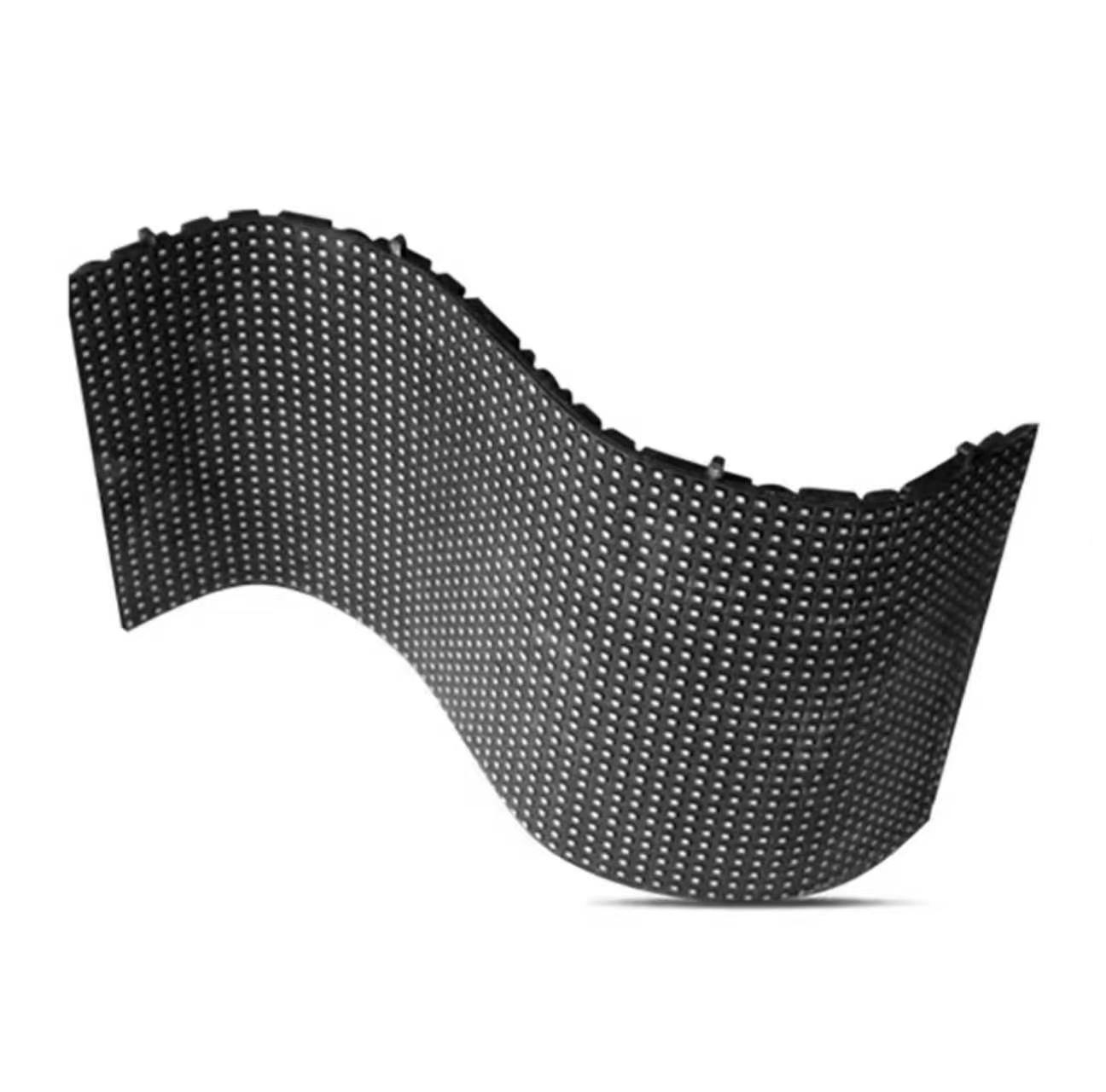
One of the most important specifications is the bend radius.
Flexible does not mean unlimited bending.
Every flexible LED module has a limit to how tightly it can curve. Trying to force a module beyond this limit may place unnecessary stress on the PCB, LEDs and connections.
TOOSEN's flexible LED solutions are designed for curved applications such as arcs, waves and cylindrical structures. Different module and project configurations can have different curvature requirements, so the actual radius should be confirmed with the manufacturer before production.
This is especially important for small columns and tight architectural curves.
A useful design rule is simple:
Confirm the real architectural radius before specifying the LED module.
Pixel pitch is another important decision.
A smaller pixel pitch provides higher pixel density and is normally better for close viewing. However, specifying the smallest possible pitch does not automatically make a project better.
Consider where people will actually see the screen.
A flexible LED wall in a luxury retail store may be viewed from only a few meters away. A large curved screen inside a shopping mall atrium may normally be viewed from much farther away.
TOOSEN's flexible LED screen range includes multiple pixel pitch options from fine-pitch indoor solutions to larger-pitch applications.
The correct choice should balance:
viewing distance
screen dimensions
content type
required image detail
project budget
Architects do not necessarily need to select the exact pixel pitch alone. Providing the viewing conditions allows the LED manufacturer to recommend a suitable option.
This is an easy point to overlook.
The LED module may be flexible, but the complete display still needs a stable structure.
For curved walls, columns and irregular architectural surfaces, a customized steel or aluminum support may be required behind the modules.
The structure affects:
final screen shape
installation depth
screen flatness
total weight
module alignment
maintenance access
Small structural errors can become visible once the LED modules are installed.
For example, a wave-shaped wall may look smooth in a 3D rendering, but an inaccurate support frame can create uneven transitions between modules.
Architects should therefore coordinate the LED support structure before wall construction is completed.
A beautiful screen is not a successful design if technicians cannot repair it.
Maintenance should be considered before the surrounding wall, ceiling or decorative finish is closed.
Common service components include:
LED modules
power supplies
receiving cards
signal cables
power cables
For installations with limited rear space, front maintenance can be particularly useful.
TOOSEN flexible LED screens use modular designs, and selected solutions support front-access maintenance, allowing modules to be removed from the display surface when service is required.
This can be especially useful for architectural LED displays installed against walls, around columns or inside retail interiors.
Before finalizing the design, ask:
If one module fails two years from now, how will a technician reach and replace it?
That simple question can prevent major maintenance problems later.
Power and signal cables should not be treated as an installation-stage problem.
Large LED displays may require multiple power and data connections distributed across the screen.
Architects and MEP teams should coordinate:
power connection locations
cable routes
signal cable routes
control equipment location
access panels
ventilation requirements
TOOSEN flexible LED displays support synchronous and asynchronous control systems depending on the project configuration.
If the LED control equipment will be located away from the display, cable routing should be planned before ceilings and wall finishes are completed.
Brightness requirements can change significantly depending on where the screen is installed.
An indoor curved display in a controlled retail environment does not need the same brightness as an LED installation exposed to strong daylight.
TOOSEN lists flexible LED solutions for both indoor and outdoor applications, with brightness options covering different lighting environments.
Instead of asking for the highest brightness available, architects should consider:
surrounding daylight
artificial lighting
viewing distance
reflective surfaces
operating hours
indoor or outdoor use
For outdoor projects, weather protection also becomes important. The required IP rating should be confirmed according to the actual installation environment.
A curved screen is not viewed in the same way as a flat video wall.
People standing at different positions may see different sections of the display. Text or logos placed near a strong curve may become harder to read from certain angles.
This becomes even more important with cylindrical and 360-degree displays.
Architects, content designers and LED engineers should therefore discuss the expected viewing positions before finalizing the display geometry.
For important information such as logos, text and wayfinding, keep critical content within the main viewing areas.
For a simple curved wall, drawings and technical calculations may be enough.
For a complicated wave, tight column or unusual architectural surface, a physical sample or mock-up can be valuable.
It can help the project team check:
actual curvature
module seams
viewing angle
installation method
structural fit
content appearance
Finding a problem during the mock-up stage is much easier than discovering it after hundreds of modules arrive on site.
The more accurate the project information, the easier it is to engineer the right flexible LED screen.
Before requesting a final specification, prepare:
CAD drawings or 3D models
overall screen dimensions
curve radius
indoor or outdoor environment
expected viewing distance
mounting conditions
maintenance direction
available installation depth
expected content type
project schedule
With this information, the LED manufacturer can evaluate the project rather than simply recommend a standard product.
A flexible LED screen gives architects much more freedom than a conventional flat display. It can follow curved walls, wrap around columns and become part of the architectural form itself.
But flexibility does not remove engineering limits.
Curve radius, pixel pitch, supporting structure, maintenance access, power distribution and content all need to work together.
The best time to solve these issues is not during installation. It is during design.
TOOSEN provides customized flexible LED display solutions for curved and irregular installations. Available options cover multiple pixel pitches, customizable module configurations and indoor or outdoor applications.
For projects involving curved walls, columns, waves or other custom shapes, architects can provide drawings and project dimensions before production so that the screen geometry, structure and installation method can be evaluated together.
No. Flexible LED modules have bending limits. The exact curve radius should be confirmed before the module and supporting structure are finalized.
It depends mainly on viewing distance, screen size and content requirements. Close-viewing environments generally require a finer pixel pitch than displays viewed from a long distance.
 +86 18688923792
  andy@tosled.com


