



新闻中心

Ver: 49

Fecha de publicación:2026-09-29
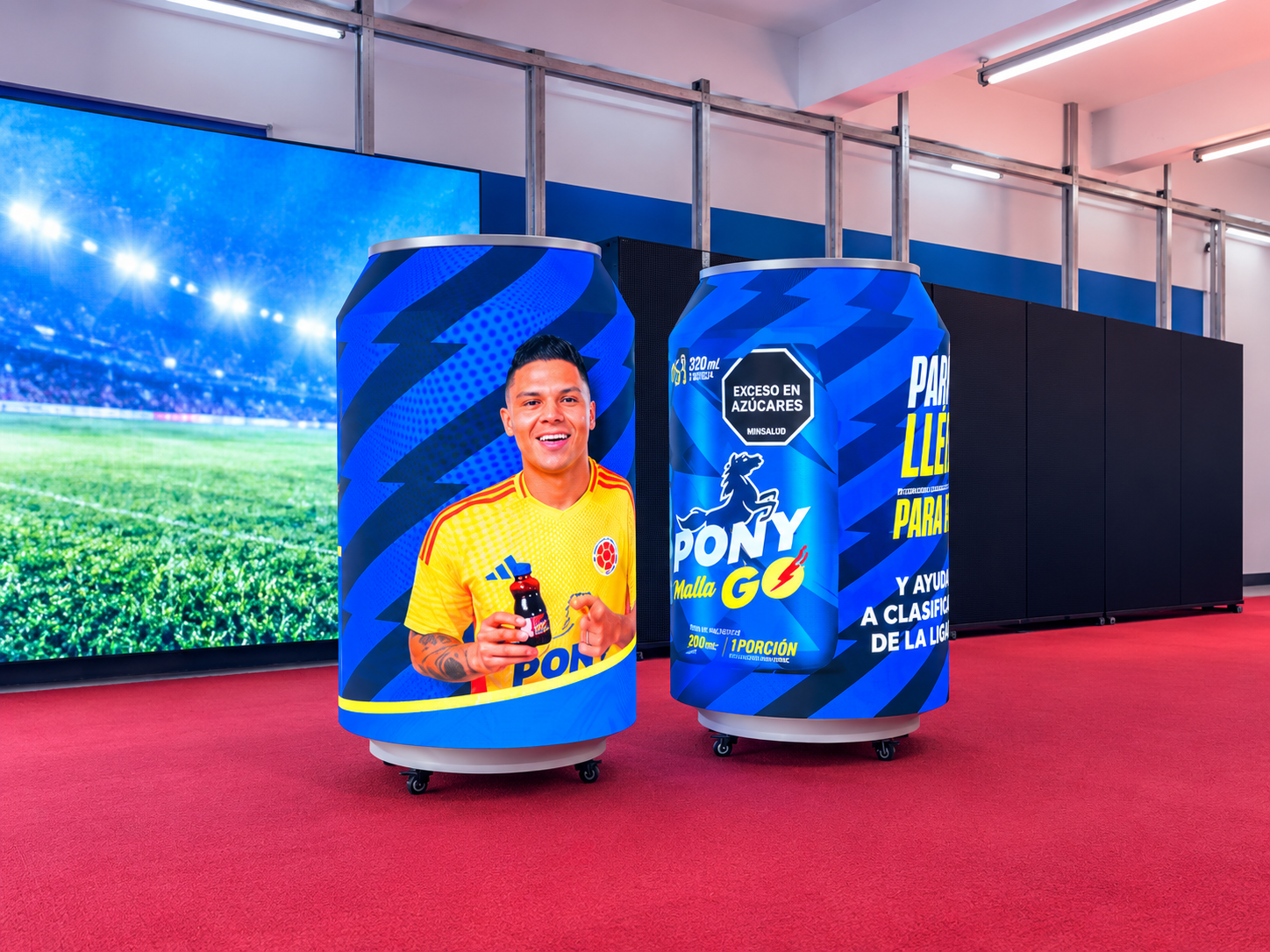
A small indoor can-shaped LED display can normally operate from a standard single-phase power supply. But when the display becomes larger, brighter, or is installed outdoors, the electrical load can increase quickly.
At that point, simply adding more single-phase circuits may not be the best solution.
For a large can-shaped LED display, the power system should be calculated before the steel structure, distribution box, and cables are finalized. In some projects, changing from single-phase power to three-phase power can make the electrical system easier to balance, safer to distribute, and more practical for long-term operation.
The decision should be based on the real load—not only the physical size of the LED screen.
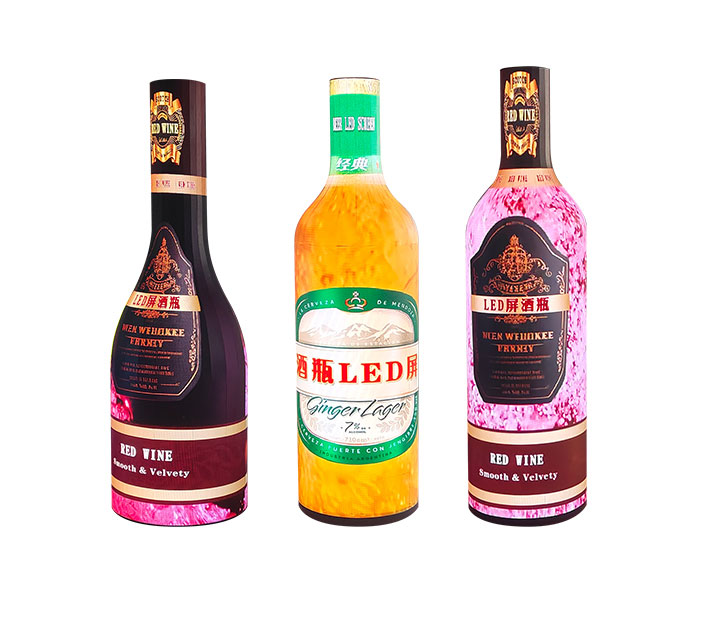
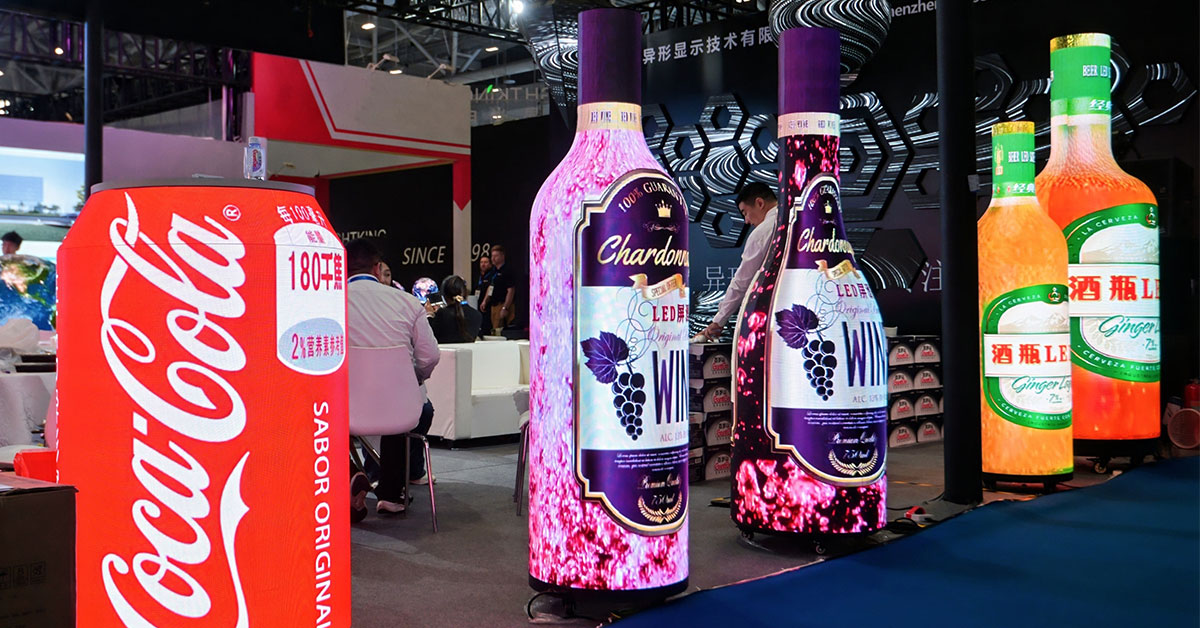
A can-shaped LED screen is normally built from many customized LED modules installed around a cylindrical or product-shaped structure.
As the diameter and height increase, the total display area also increases.
More display area means:
More LED modules
More switching power supplies
More receiving cards
More cooling equipment
More branch circuits
Higher total current
Outdoor models can create an even larger electrical demand because higher brightness is usually required.
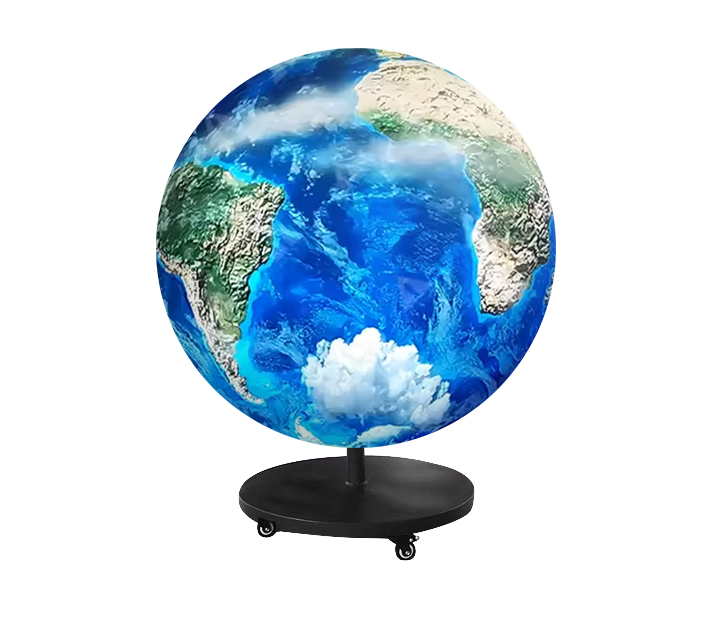
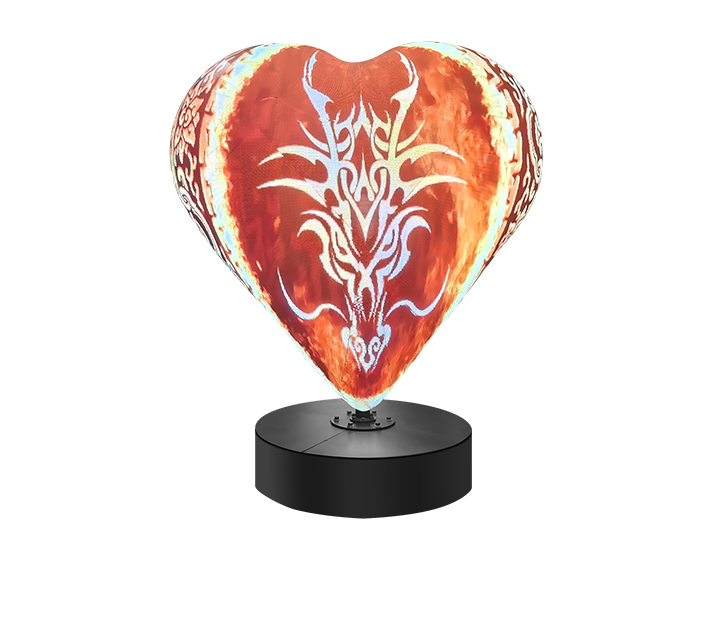
TOOSEN customized shaped LED displays are available for indoor and outdoor applications, with different pixel pitches and power configurations depending on the project. Therefore, the final electrical design should always use the actual configuration rather than an estimated screen size alone.
Before deciding between single-phase and three-phase power, calculate the maximum expected load.
A simple starting point is:
Total Maximum Power = Display Area × Maximum Power Consumption per Square Meter
For example, imagine a large cylindrical LED display has:
Display area: 60 m²
Maximum power consumption: 600 W/m²
The theoretical maximum load is:
60 × 600 = 36,000 W
The screen therefore has a maximum calculated load of approximately 36 kW.
The normal operating consumption may be considerably lower because an LED display does not continuously show a full-white image at maximum brightness.
However, the electrical distribution system should not be designed only around normal average content.
Engineers should consider maximum load, circuit capacity, startup behavior, safety margin, and local electrical requirements.
Single-phase power can still be practical for smaller can-shaped LED display projects.
For example, a relatively small indoor display used in a shopping mall, showroom, exhibition booth, or retail store may have a manageable total load.
Instead of one large circuit, the screen can be divided into several independent branch circuits.
One circuit may power the upper section, another the middle section, and another the lower section.
This also improves maintenance. If one circuit trips, technicians can identify the affected section more easily.
The important point is not whether the LED display has one cable or several cables. The important point is whether the available electrical supply can safely support the calculated current.
Three-phase power should be considered when the total load becomes too high or inconvenient to distribute through single-phase circuits.
This commonly happens with:
Large outdoor advertising installations normally operate at higher brightness than indoor displays.
A tall can-shaped screen installed outside a shopping center, commercial plaza, theme park, or event venue can therefore require much more electrical capacity.
A cylindrical structure may not look extremely wide from one direction, but its LED surface wraps around the entire body.
This means the real display area can be much larger than its front projection suggests.
As the load increases, current also increases.
Trying to place too much load on a limited number of single-phase circuits can require larger cables, larger breakers, and more complicated distribution.
A three-phase system allows the LED screen load to be separated across different phases.
Many commercial buildings, factories, shopping malls, exhibition centers, and outdoor advertising locations already have three-phase electrical distribution.
For a large LED display, using the existing three-phase infrastructure may be more practical than creating many high-current single-phase feeds.
Connecting a screen to three-phase power does not automatically create a good electrical design.
The load should also be reasonably balanced across L1, L2, and L3.
For example, if the LED display has multiple distribution zones, engineers may arrange them as:
Zone A → L1
Zone B → L2
Zone C → L3
Zone D → L1
Zone E → L2
Zone F → L3
The exact arrangement depends on the screen structure and electrical design.
The goal is to avoid putting most of the LED screen on one phase while leaving another phase lightly loaded.
For a large cylindrical LED display, one useful method is to divide the screen into vertical or circumferential electrical zones before production.
Each zone can then be assigned to a specific circuit and phase.
Another mistake is calculating only the stable running power.
When a large number of LED power supplies are energized at the same moment, startup current can briefly be much higher than normal operating current.
This may cause breakers to trip during startup even though the display works normally after it is running.
For a large can-shaped LED display, engineers can reduce this problem by dividing the screen into several power zones and using staged power-on control.
Instead of energizing the entire screen simultaneously, different sections can start sequentially.
This can reduce stress on breakers, cables, connectors, and the building distribution system.
The power design should be verified before the LED screen leaves the factory.
A practical test should include several conditions.
First, run the screen with normal video content.
Then test high-brightness images and a full-white pattern.
Measure:
Total input current
Current on each circuit
Current on each phase
Cable temperature
Breaker temperature
Power supply temperature
Voltage at important distribution points
For a three-phase installation, compare the current on all three phases.
If one phase is significantly higher than the others, the circuit distribution should be reviewed.
This testing gives much more useful information than simply confirming that the screen can turn on.
A good electrical design should also support maintenance.
On a large customized LED display, technicians should not need to shut down the entire screen to service one small section.
The screen can be divided into independent power areas according to its physical structure.
For example, a large can-shaped display may be divided into upper, middle, and lower rings. Each ring can then contain several separately protected circuits.
Labels should clearly identify:
Distribution Box → Phase → Breaker → Screen Zone → Power Supply Group
This makes troubleshooting much faster after installation.
Consider a large outdoor can-shaped LED screen designed for a commercial landmark.
During the early design stage, the electrical engineer calculates the maximum load and finds that using only single-phase distribution would require too many high-current branch circuits.
The project already has a three-phase building supply.
The screen is therefore divided into multiple electrical zones. These zones are distributed across three phases, while each section still uses suitable LED power supplies internally.
During factory testing, technicians display a full-white image and measure the current on every phase.
One phase shows noticeably higher current.
Several screen zones are reassigned, and the three phases become better balanced before shipment.
This small change at the factory prevents a much more difficult electrical modification after installation.
No. The decision depends on total power, supply voltage, available building capacity, circuit design, and local electrical requirements.
Normally, the three-phase supply is handled at the main distribution level. The power is then divided into suitable branch circuits for the LED power supplies.
It should not be the only reference. Maximum expected load and appropriate design margins also need to be considered.
Power zones improve load distribution, troubleshooting, maintenance, and startup control.
For large three-phase projects, it is useful to measure the load on each phase under demanding display conditions and correct major imbalance before installation.
A large creative LED display is not only a mechanical structure and an LED module system. Electrical distribution is also part of the design.
TOOSEN provides customized LED display solutions for cylindrical, can-shaped, spherical, curved, and other special structures. The screen size, pixel pitch, module layout, internal structure, maintenance method, and electrical distribution can be planned according to the project.
For a large can-shaped LED display, we recommend confirming the expected power load and site electrical conditions before production.
This allows the screen structure, distribution zones, cable routing, power supplies, and control system to be designed together instead of solving electrical problems after the screen reaches the installation site.
 +86 18688923792
  andy@tosled.com


