





浏览: 25

发布时间:2026-11-10
When purchasing an outdoor LED display, many buyers focus on pixel pitch, brightness, refresh rate, and screen size. However, waterproof protection is just as important.
Outdoor LED screens are exposed to rain, dust, humidity, wind, and changing temperatures. Without proper protection, water can enter the cabinet through module gaps, cable connectors, power interfaces, or cabinet joints.
An IP rating helps buyers understand how well an LED display is protected against solid objects and water. However, simply seeing an IP65 label does not mean every part of the screen has the same protection.
Before placing an order, buyers should check the actual protection level of the complete display and its main components.
Poor waterproof performance can cause several problems during daily operation.
First, moisture may enter the LED modules and cause short circuits or abnormal pixels. Second, water inside the power supply or receiving card can lead to unstable operation. In serious cases, the entire screen may stop working.
Long-term exposure to moisture can also cause corrosion around connectors, screws, and metal structures.
For commercial advertising screens, these problems can result in unexpected maintenance costs, display downtime, and damage to the customer's business image.
This is why waterproof protection should be confirmed before production and installation, rather than checked only after problems appear.
IP stands for Ingress Protection. The rating normally consists of two numbers, each representing a different type of protection.
First digit – Dust protection: Indicates how well the enclosure prevents solid particles from entering.
Second digit – Water protection: Indicates the level of protection against water exposure.
For example, IP65 is a common protection specification for outdoor LED display applications.
IP6X: Dust-tight protection under the applicable test conditions.
IPX5: Protection against water jets from different directions under specified test conditions.
It is important to understand that IP65 does not mean the screen can be submerged in water. It also does not automatically guarantee protection against every installation condition.
Some outdoor LED display projects may require different protection levels depending on their location, installation method, and exposure to rain or water jets.
A waterproof LED display is not protected by its front surface alone. Buyers should pay attention to several important areas.
LED Modules: Check whether the module surface has suitable waterproof treatment and whether the design protects exposed electronic components.
Cabinet Sealing: Inspect the cabinet joints, rubber sealing strips, and connection points. Damaged or poorly fitted seals can allow water to enter.
Power Connectors: Power interfaces and cable connections are common areas where moisture may enter. Check whether waterproof connectors and protective covers are included.
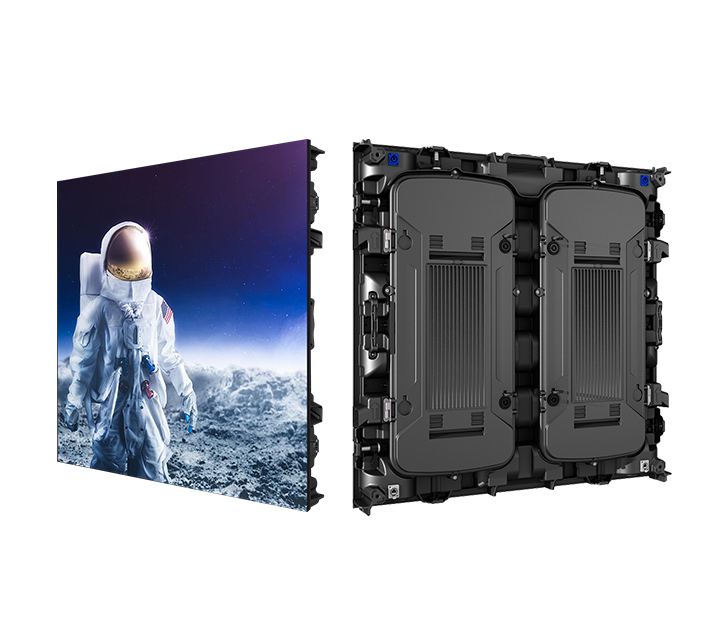
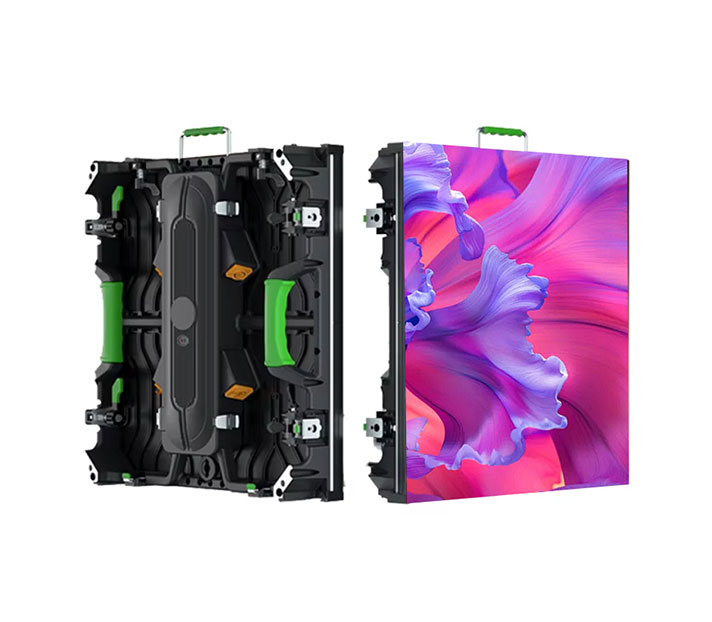
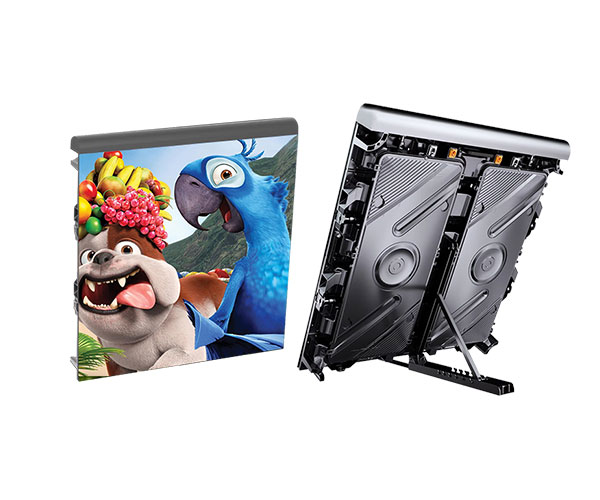
Rear Cabinet: The rear side also needs appropriate protection. Pay attention to ventilation openings, cable outlets, maintenance doors, and sealing structures.
Installation Connections: Even a well-designed cabinet can lose its waterproof performance if installation gaps are not sealed correctly.
Buyers should request clear photos or videos showing these details before approving the final product.
A product specification sheet is not enough to confirm actual waterproof performance. Buyers should request supporting test information.
Here are four practical checks:
1. Review the IP Test Report
Ask the manufacturer for an IP rating test report. Check the tested product model, test conditions, laboratory information, and testing scope.
A report for one cabinet model should not automatically be treated as proof for every product in the manufacturer's catalog.
2. Inspect Cabinet Sealing
Check the rubber gaskets, screw positions, cable connectors, and cabinet joints. Make sure the sealing materials are properly installed without visible gaps or damage.
3. Request a Water Spray Test
Ask the factory to demonstrate the relevant water resistance test according to the required IP protection level. The test should follow the applicable standard rather than using an informal water spray as proof of compliance.
4. Check the Screen After Testing
After the test, inspect the cabinet interior for signs of water entry. Also check the modules, power supply, connectors, and receiving cards.
The display should be powered and functionally checked under an approved testing procedure after the inspection.
A reliable outdoor LED display normally combines several protective structures.
These may include waterproof module designs, sealed cabinet connections, protective cable connectors, weather-resistant sealing materials, and suitable cabinet surface treatments.
The cabinet material and coating should also be selected according to the installation environment.
For example, a screen installed near the coast may face both high humidity and salt exposure. In this situation, corrosion resistance should be considered alongside waterproof protection.
For outdoor fixed installations, buyers should also check drainage arrangements and whether the installation structure prevents water from collecting around the cabinet.
The complete design should match the actual environmental conditions of the project.
Consider an outdoor LED billboard installed beside a shopping center.
The screen operates for long hours and is exposed to seasonal rainfall, dust, and temperature changes. If water enters through the rear cable connections or cabinet joints, the display may experience electrical faults after several months of operation.
To reduce these risks, the buyer should confirm the required IP rating, inspect the cabinet sealing structure, and request waterproof test documentation before shipment.
The installation team should also check cable entry points and cabinet connections during on-site assembly.
This approach helps reduce avoidable maintenance problems and supports stable long-term operation.
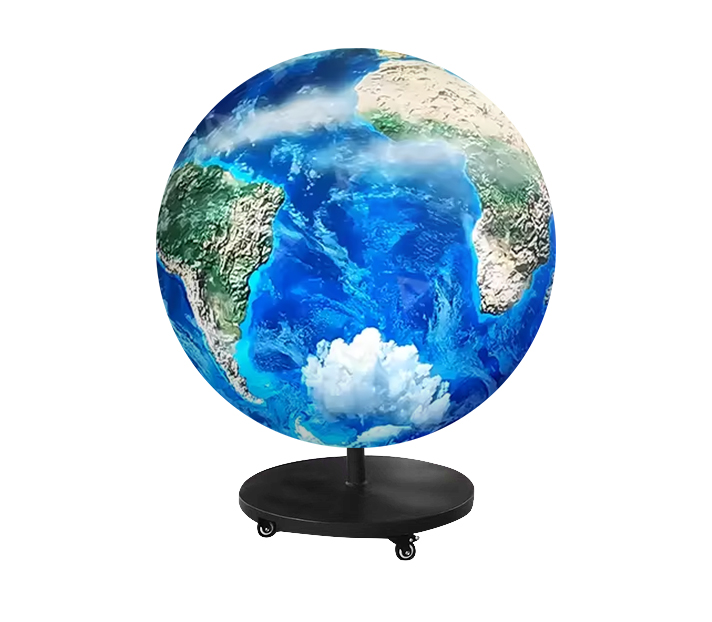
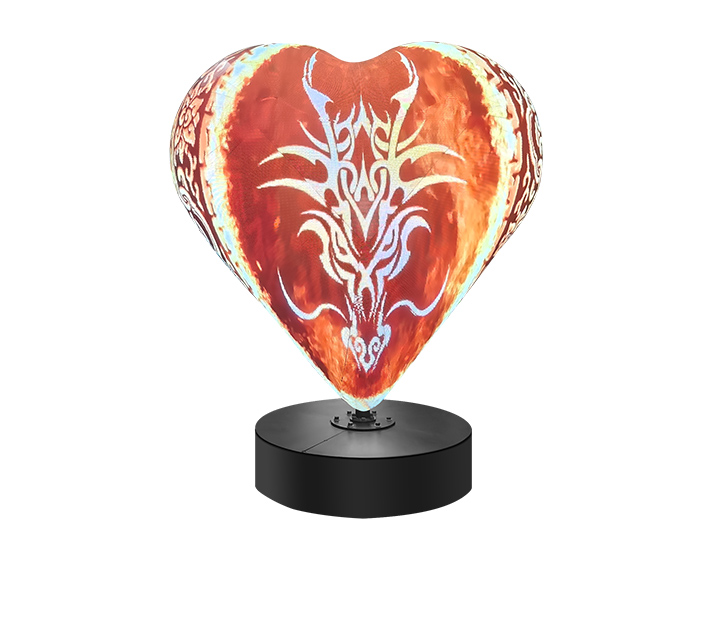
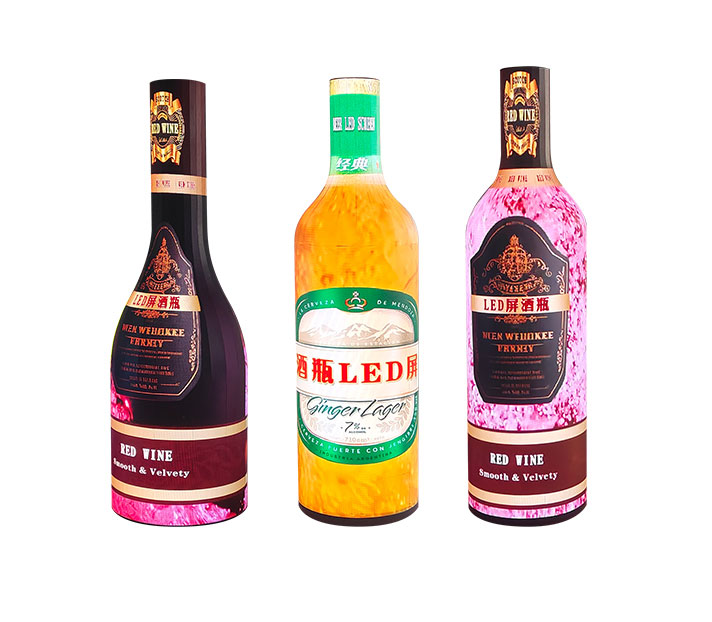
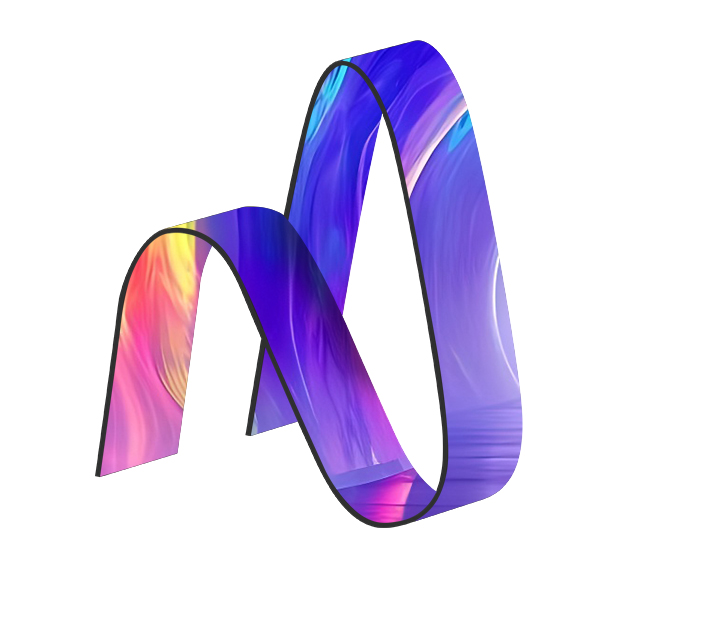
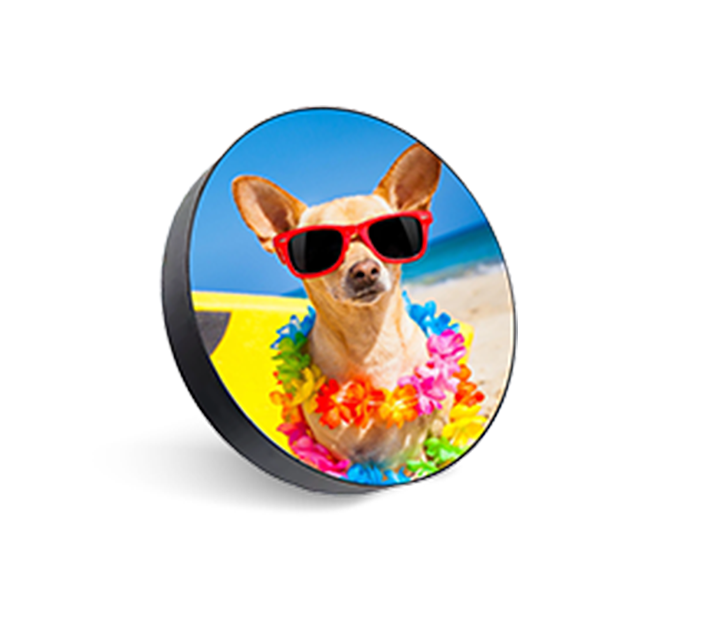
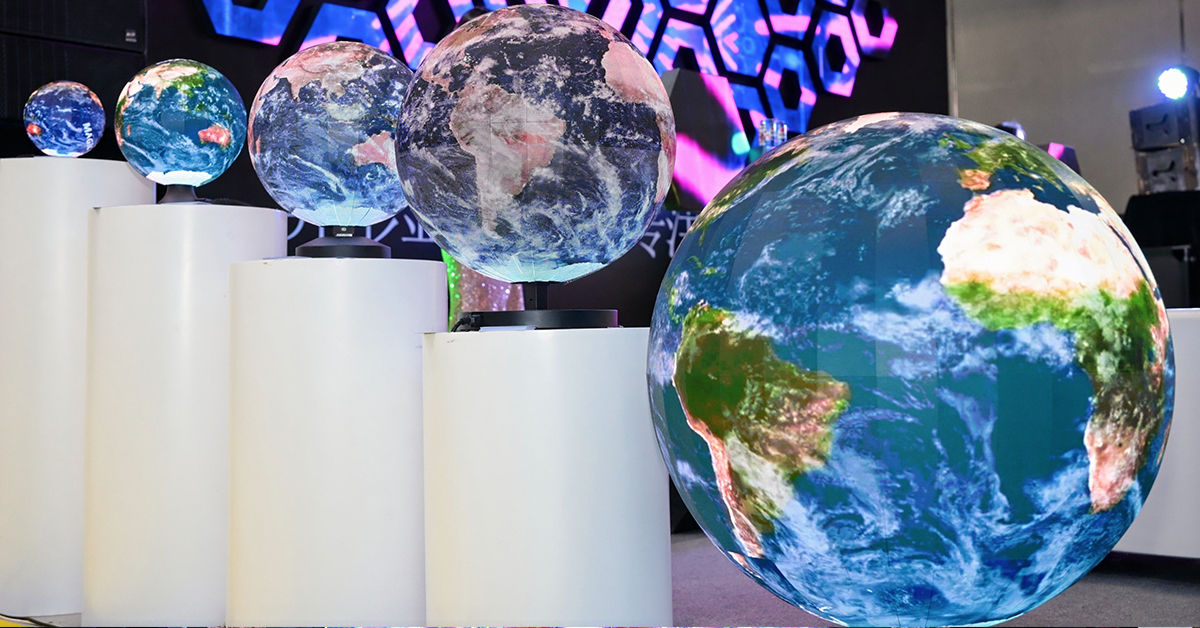
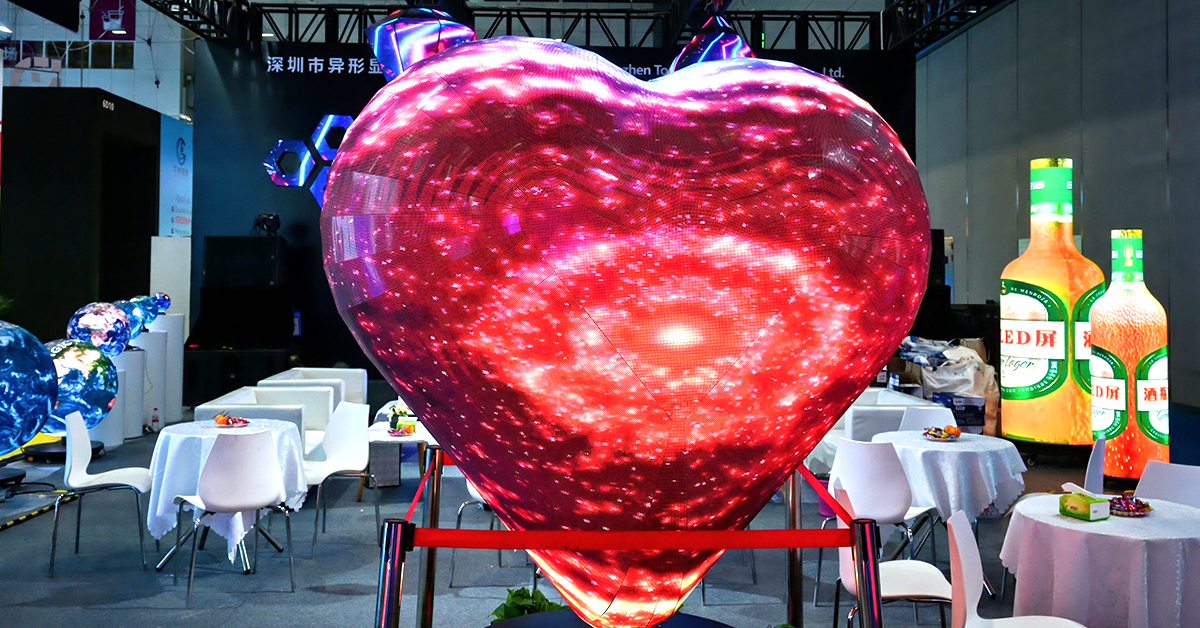
TOOSEN provides outdoor LED displays, spherical LED screens, shaped LED displays, and customized LED display solutions for different commercial applications.
With in-house manufacturing, material sourcing, testing, quality control, and OEM/ODM services, TOOSEN supports customers from product design to project delivery.
For outdoor projects, customers can discuss waterproof requirements, cabinet structures, installation conditions, and product specifications before production.
TOOSEN also provides technical support, installation guidance, and after-sales service. Its website lists a three-year product warranty and international customer support.
Choosing the right outdoor LED display is not just about brightness or price. Waterproof protection, product quality, and long-term maintenance should all be considered before making a purchase.
Visit https://www.toosen.com/ to explore outdoor LED display solutions and discuss your project requirements.
Q1: What is the recommended IP rating for an outdoor LED display?
IP65 is a common choice for outdoor LED display applications. However, the required rating depends on the installation environment and the level of water exposure.
Q2: Does IP65 mean an LED screen is completely waterproof?
No. IP65 indicates dust-tight protection and resistance to water jets under specified test conditions. It does not mean the screen can be submerged in water.
Q3: How can I verify an outdoor LED display's IP65 rating?
Request an official IP test report and check the tested model, testing conditions, and product configuration. You can also inspect the cabinet sealing and waterproof connectors.
Q4: Does the rear of an outdoor LED display need waterproof protection?
Yes. The rear cabinet contains important electrical components, cables, and connectors. Its protection level should match the project's environmental requirements.
Q5: Can an outdoor LED display work normally during heavy rain?
A properly designed and installed outdoor LED display with suitable waterproof protection can operate in its specified environmental conditions. However, installation quality and maintenance are also important.
 +86 18688923792
 andy@tosled.com


