










浏览: 473

发布时间:2026-03-18
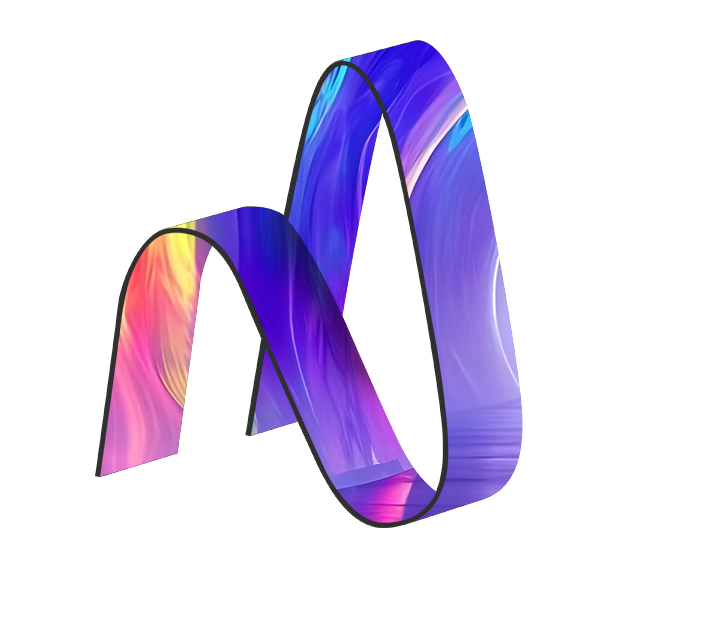
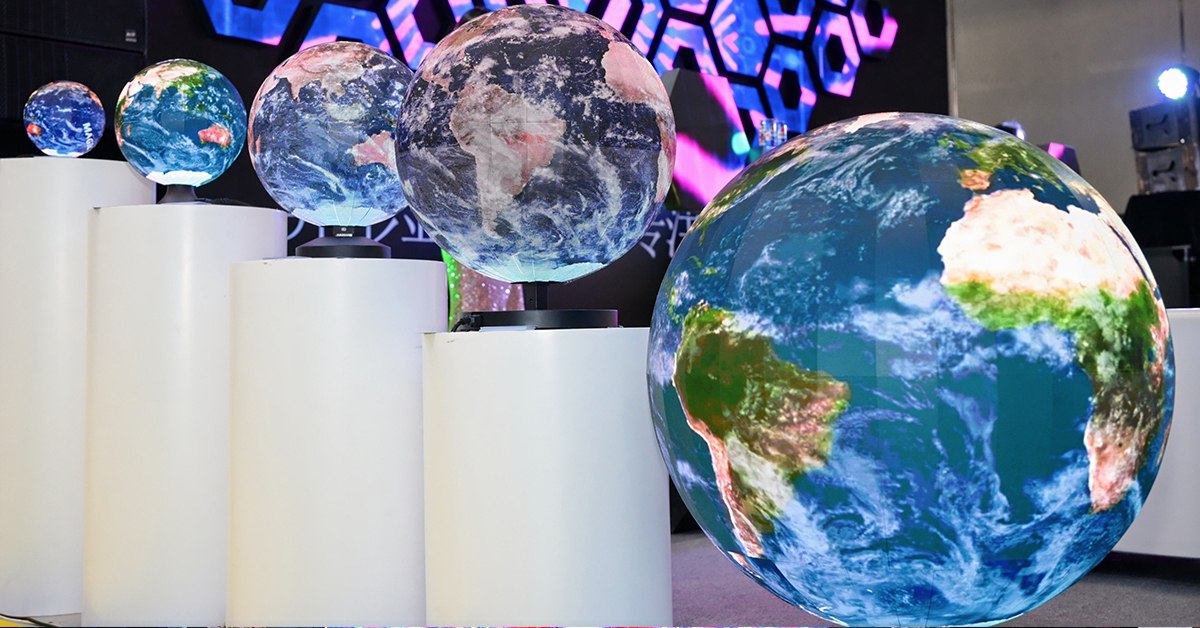
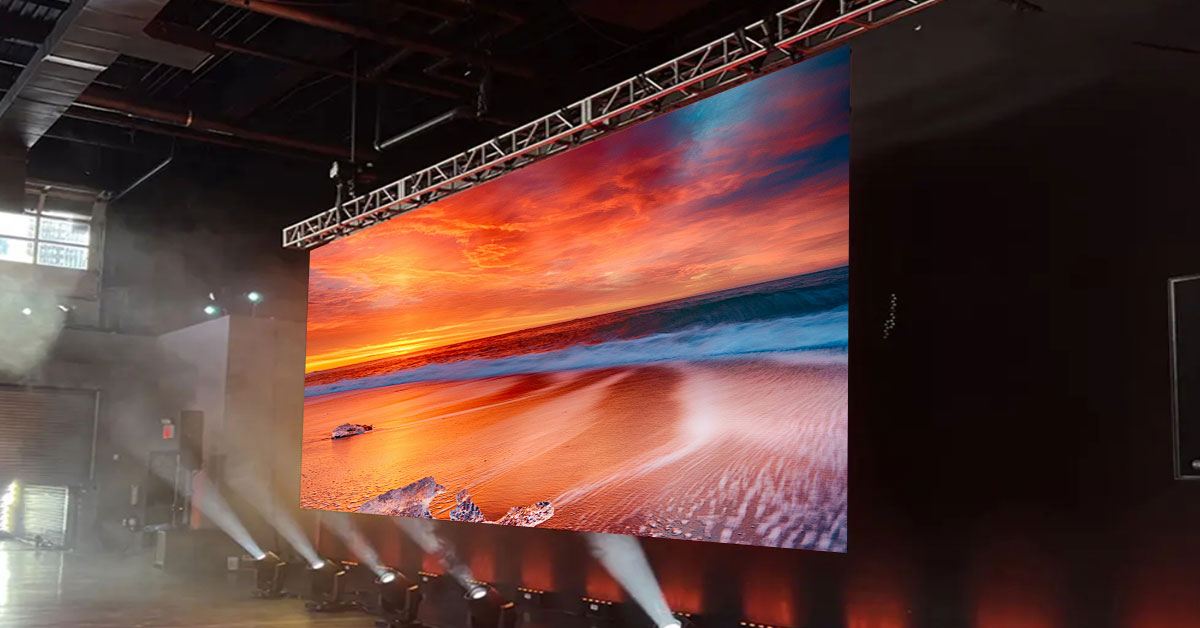
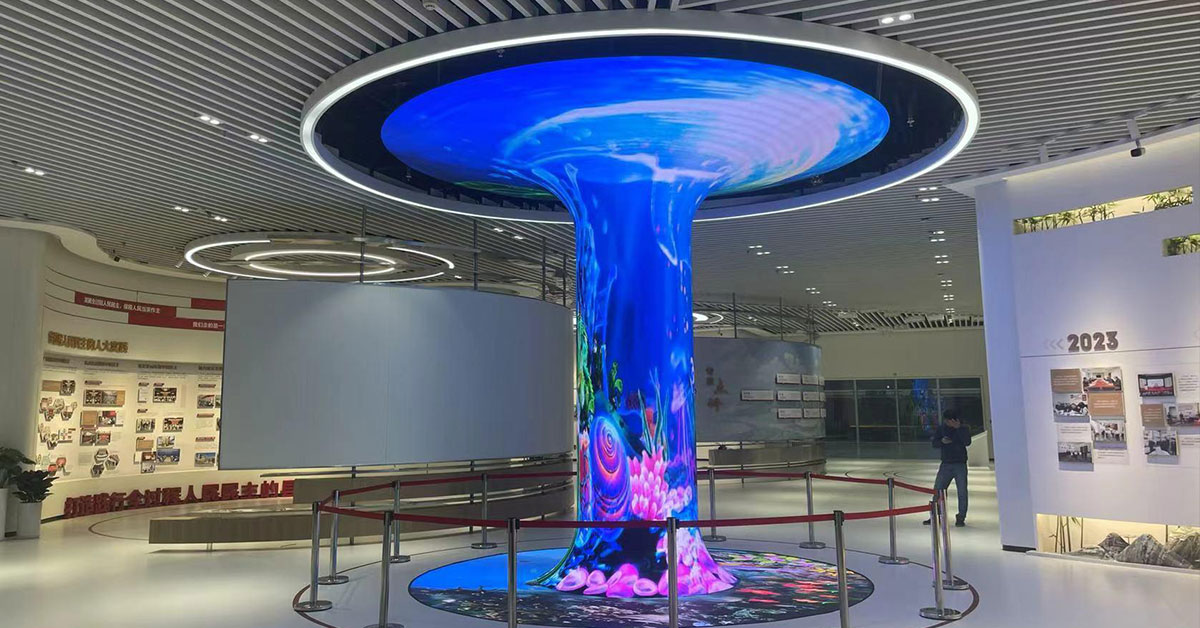
Museums and digital art spaces increasingly use kinetic LED displays to create immersive and interactive environments. Unlike conventional LED screens, kinetic displays integrate dynamic mechanical motion with digital visuals, allowing the screen itself to transform into sculptural forms.
Because of this unique capability, kinetic LED technology has become a powerful tool for storytelling, education, and digital art expression.
Modern exhibition design focuses on engaging visitors through immersive experiences. Static displays often struggle to capture attention for long periods, especially in interactive environments.
Kinetic LED displays solve this challenge by combining movement, light, and digital media. As the screen modules move, they can form wave patterns, three-dimensional shapes, or shifting surfaces that respond to visual content.
This dynamic behavior naturally draws visitors’ attention and encourages them to explore the installation from multiple perspectives.
Museums often rely on visual storytelling to explain complex topics such as science, history, or technology. Kinetic LED displays enhance this storytelling process by transforming the screen into a physical representation of the narrative.
For example, a matrix lifting LED display can:
· simulate ocean waves in a marine exhibition
· create mountain-like structures in a geography gallery
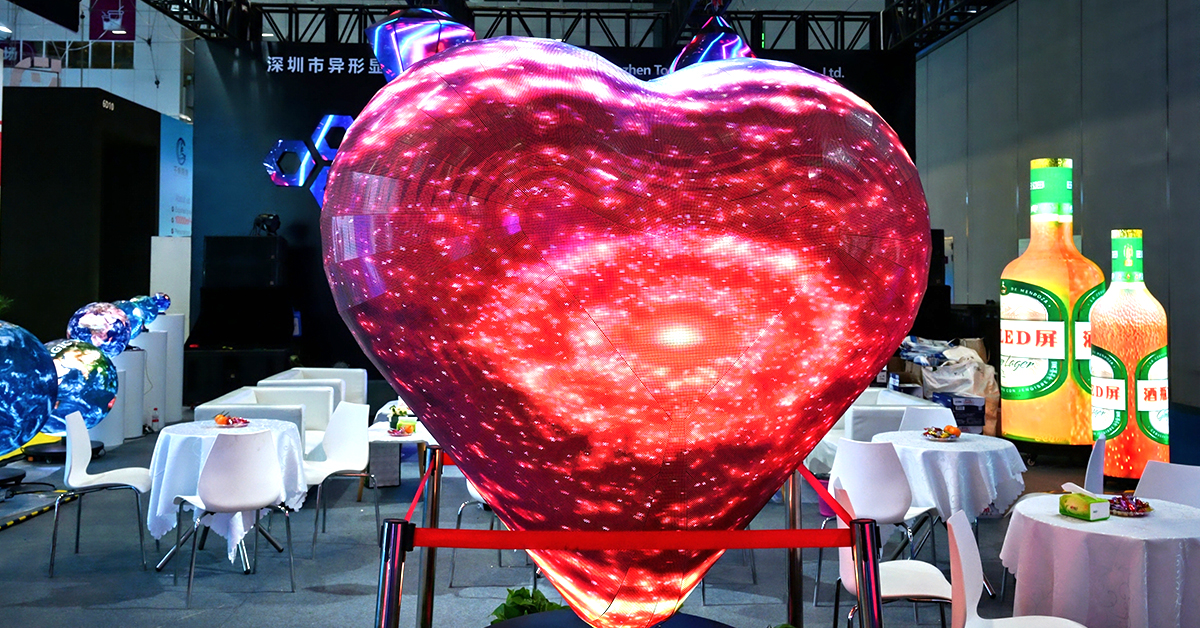
· form symbolic shapes related to cultural themes
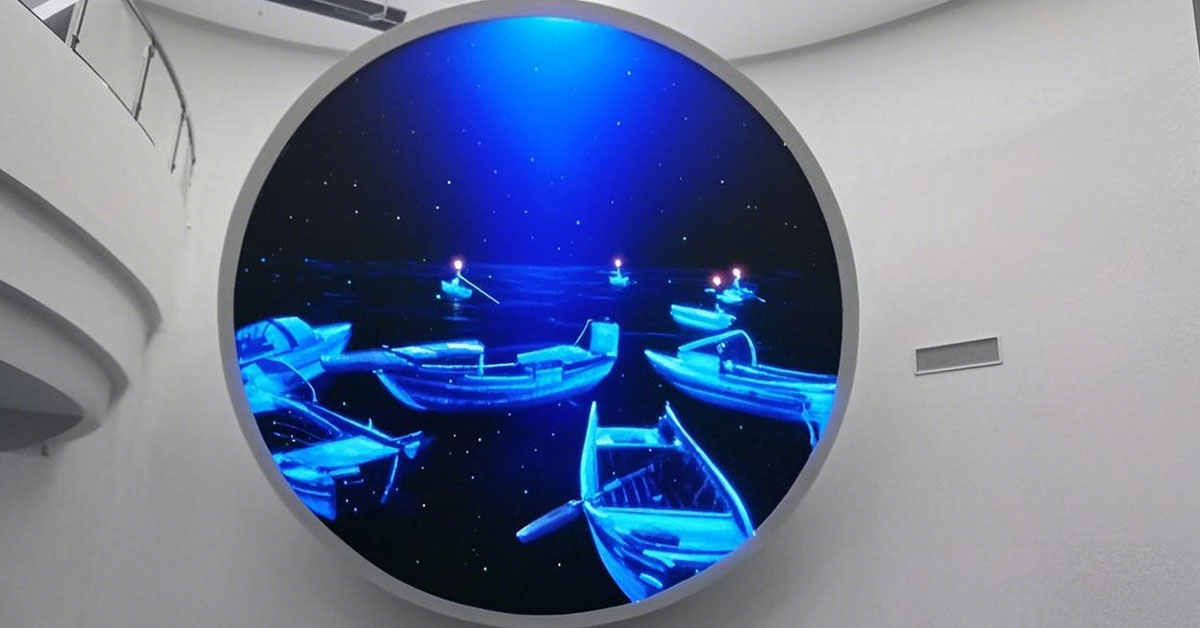
When synchronized with video content and lighting effects, the installation becomes an immersive storytelling platform rather than just a display surface.
Digital artists frequently experiment with the relationship between technology, motion, and space. Kinetic LED displays provide a flexible medium for these creative explorations.
Artists can program the screen to:
· move in rhythm with digital animations
· transform into dynamic geometric patterns
· react to sound or visitor interaction
Because the display structure changes over time, the artwork evolves continuously, offering visitors a unique visual experience during each viewing.
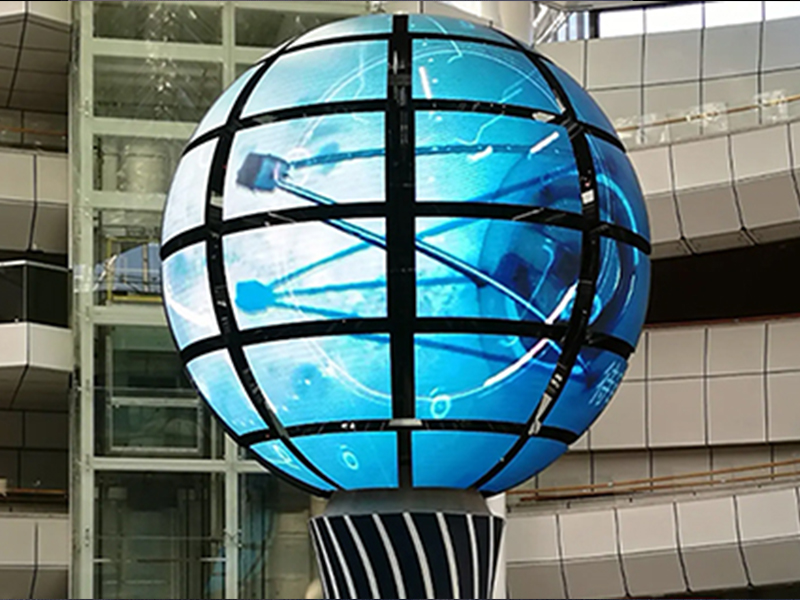
Many museums now incorporate interactive technologies to increase visitor engagement. Kinetic LED displays can integrate with sensors such as:
· motion detection systems
· gesture recognition devices
· radar or proximity sensors
When visitors approach the installation, the screen can respond by changing shape or triggering new visual content. This interaction encourages visitors to participate actively rather than passively observing exhibits.
When designing kinetic LED displays for museums and art spaces, several factors require attention.
First, designers should choose an appropriate pixel pitch and screen size based on the viewing distance. Indoor exhibitions often use high-resolution displays with pixel pitches between P2 and P4.
Second, the mechanical system must operate quietly and smoothly to maintain the exhibition atmosphere. Noise reduction and vibration control become especially important in enclosed gallery spaces.
Finally, engineers must ensure safe operation and reliable maintenance, particularly for installations that run continuously during museum hours.
As display technology evolves, kinetic LED systems continue to expand their role in museums and digital art venues. Advances in Mini LED displays, lightweight mechanical structures, and interactive AI technologies will further enhance the capabilities of these installations.
In the future, visitors may experience exhibition spaces where architecture, digital media, and kinetic displays merge into a single dynamic environment.
Kinetic LED displays offer museums and digital art institutions a powerful way to combine technology, creativity, and storytelling. By integrating motion with digital visuals, these installations transform traditional exhibitions into immersive environments that captivate visitors and redefine how audiences experience digital art and cultural narratives.
 +86 18688923792
  andy@tosled.com


