
Company news


View: 338

Release time:2026-08-12
When choosing a custom shaped LED display, most customers focus on the shape, pixel pitch, brightness, and installation design. However, one important specification is often overlooked — refresh rate.
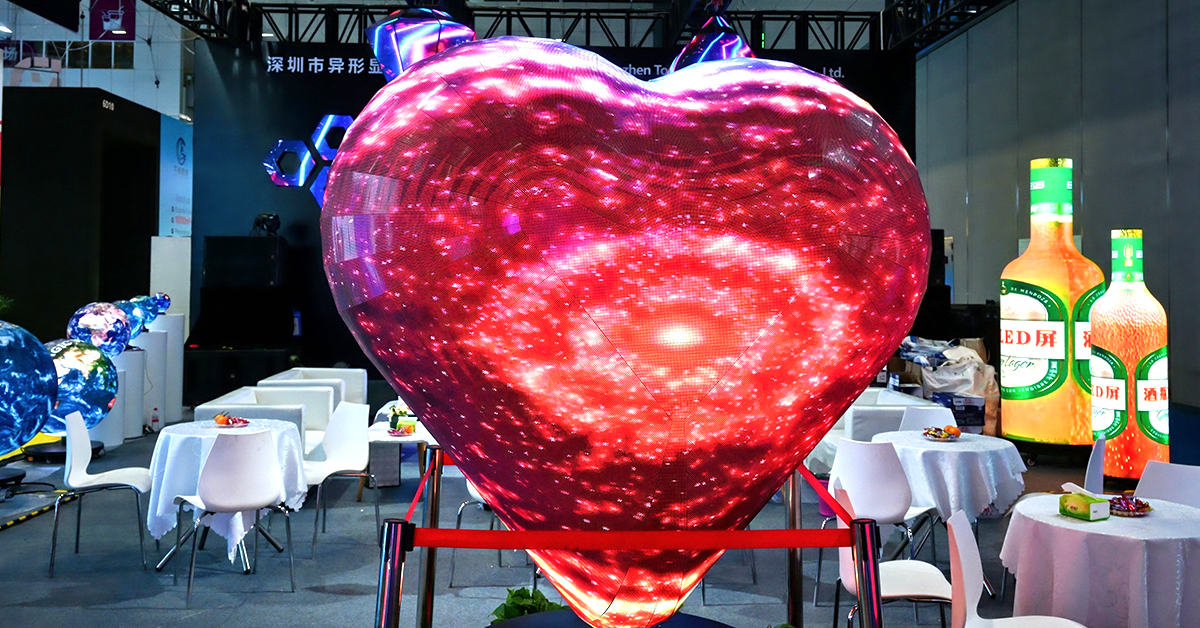
For creative LED solutions such as spherical LED displays, curved LED screens, cylindrical LED displays, and other irregular LED structures, refresh rate directly affects image smoothness, camera performance, and overall viewing experience.
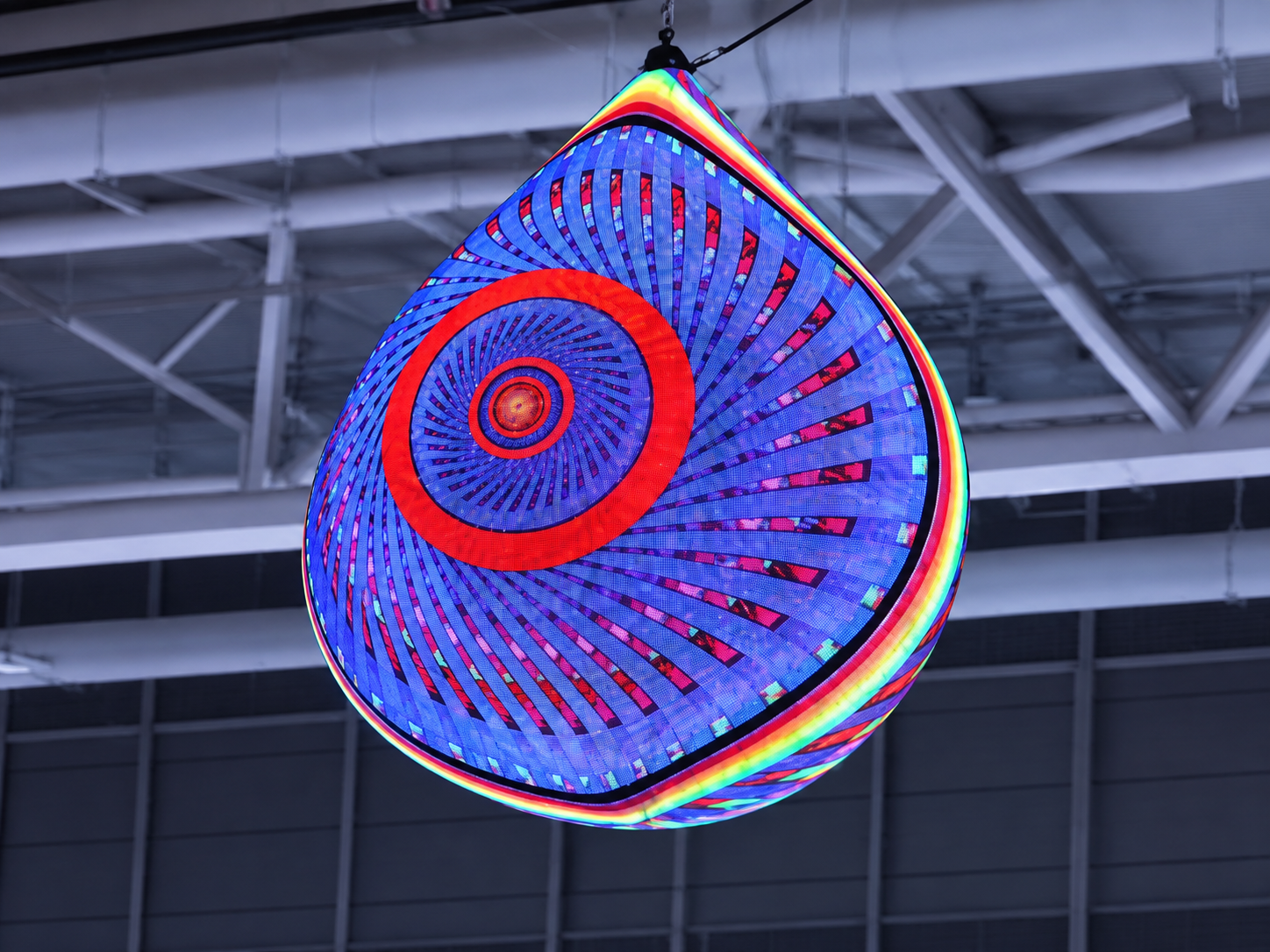
A high refresh rate LED display does not only create better visual effects. It also ensures stable performance in professional environments such as exhibitions, retail stores, museums, entertainment venues, and commercial spaces.
Refresh rate refers to how many times the LED screen updates the image every second. It is measured in Hertz (Hz).
For example:
1920Hz means the display refreshes 1,920 times per second.
3840Hz means the display refreshes 3,840 times per second.
7680Hz provides an even higher refresh frequency for demanding applications.
A higher refresh rate allows the LED display to show smoother motion, clearer images, and better performance when recorded by cameras.
Unlike traditional screens, LED displays use LED driver ICs and scanning technology to control thousands of pixels. Therefore, refresh rate becomes an important factor affecting image stability.
Traditional LED video walls usually have a simple rectangular structure. However, custom shaped LED displays require more advanced technology because the modules are designed into unique forms.
Examples include:
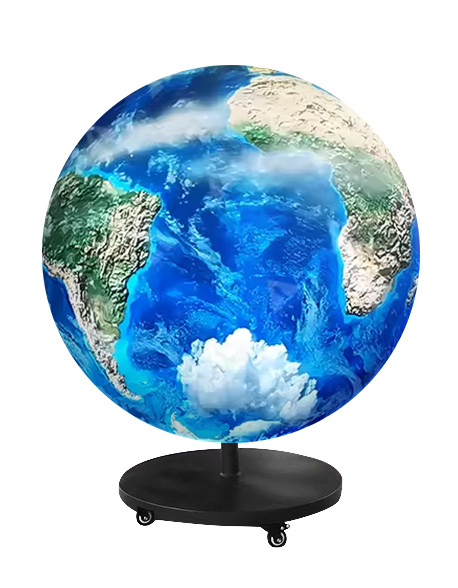
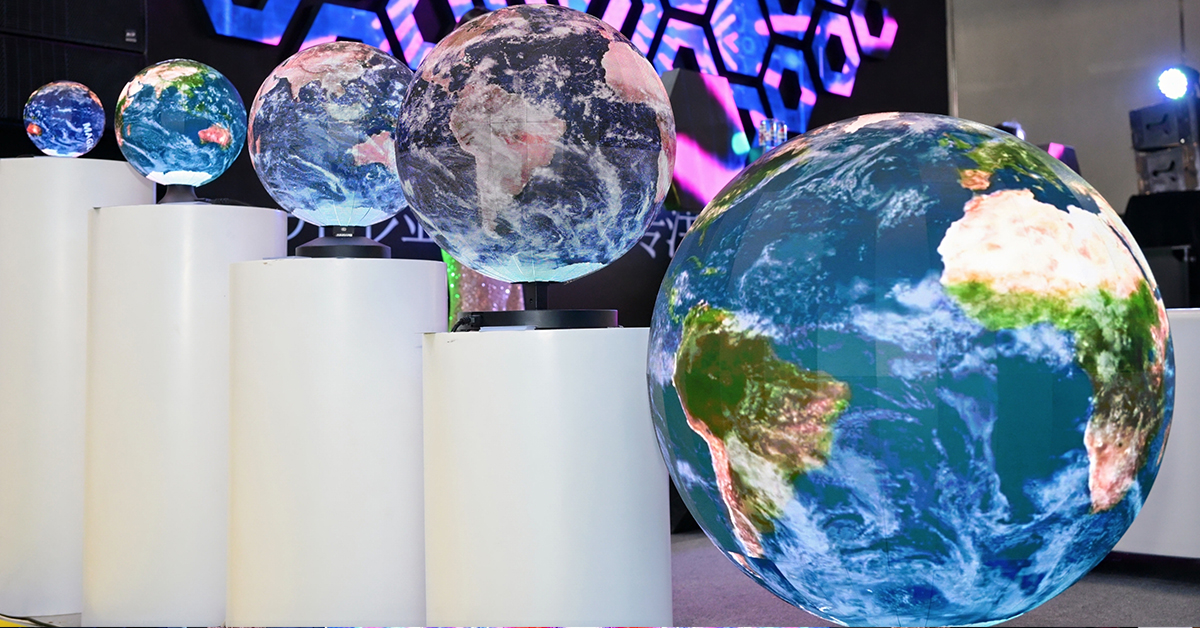
Spherical LED displays
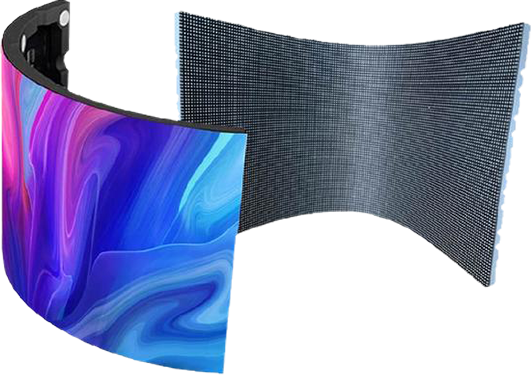
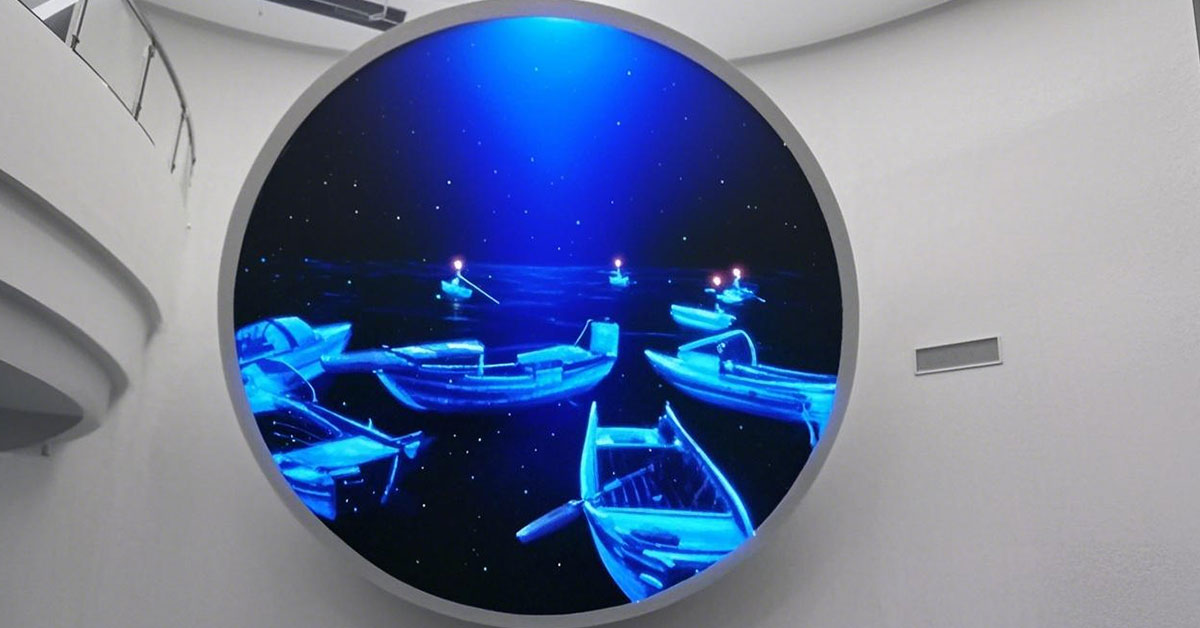
Curved LED screens
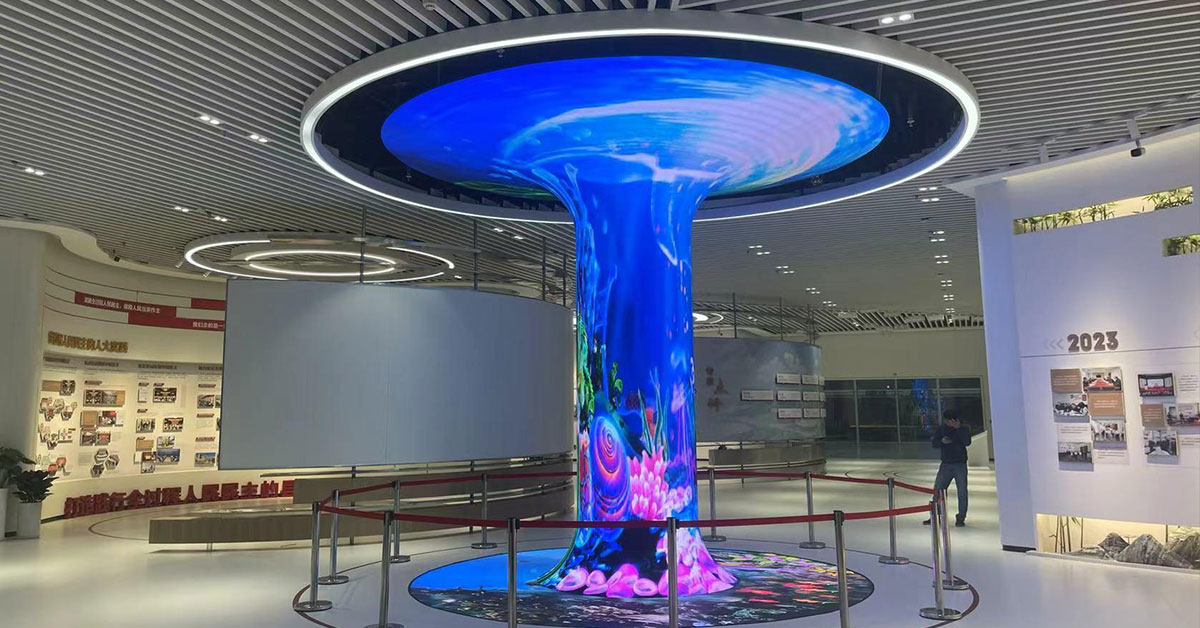
Cylindrical LED displays
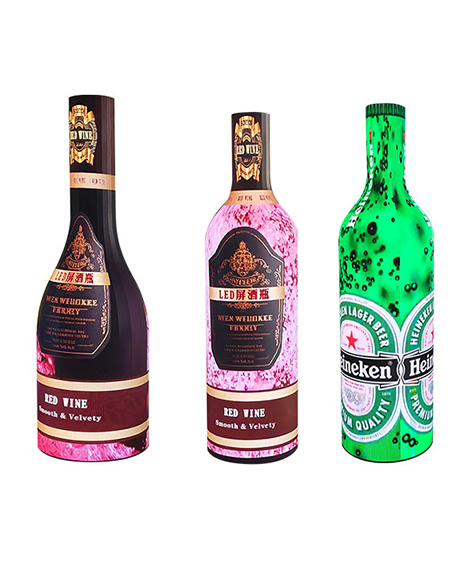
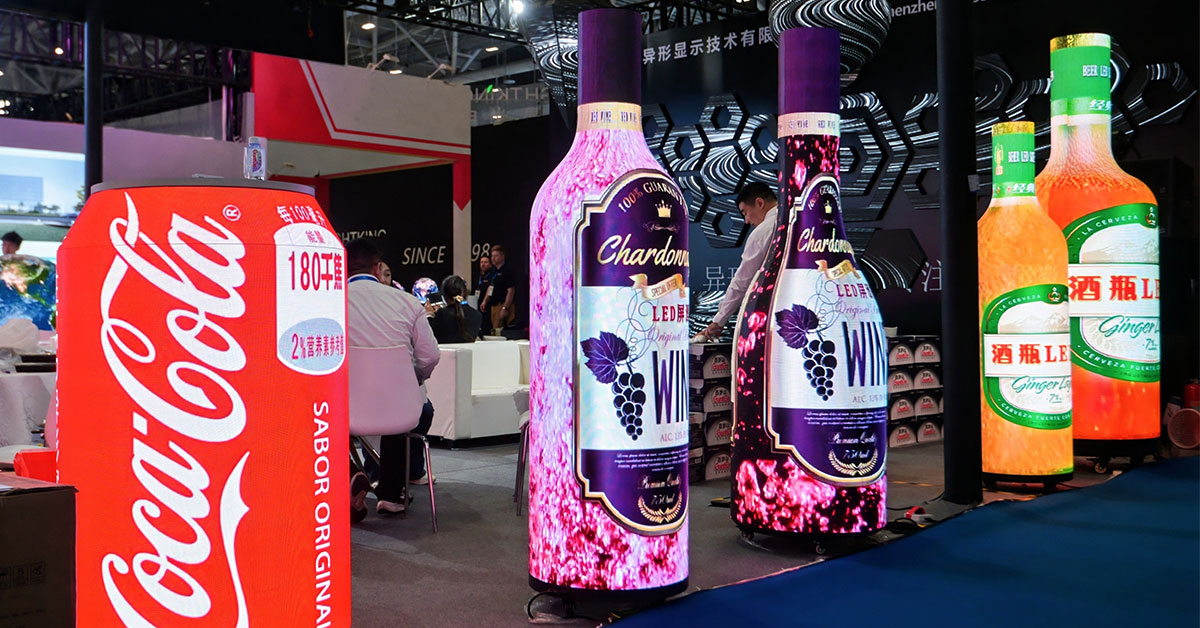
Bottle-shaped LED screens
Can-shaped LED displays
These creative LED solutions often have curved surfaces, special module layouts, and different viewing angles. The signal processing and image mapping are more complicated compared with standard flat LED panels.
Therefore, a high refresh rate becomes more important.
For example, a spherical LED display provides 360-degree viewing. Every angle needs consistent brightness, color, and motion performance. A lower refresh rate may cause image instability when viewers move around the display or when cameras capture the content.
TOOSEN custom shaped LED displays support high refresh rates from 3840Hz to 7680Hz, helping deliver smooth visuals for different creative display applications.
One of the biggest advantages of a high refresh rate LED screen is improved camera performance.
Today, many LED displays are used for:
Trade shows
Live events
Product launches
Studio backgrounds
Social media content
Commercial advertising
When a camera records an LED screen with a low refresh rate, several problems may appear:
The camera may capture brightness changes between refresh cycles, creating visible flickering.
Horizontal dark lines may appear in photos or videos.
High-speed cameras require faster refresh rates to capture smooth movement.
For professional projects, a 3840Hz refresh rate LED screen is commonly preferred because it provides stable performance for photography, video recording, and broadcasting.
For higher-end applications such as broadcast studios and premium creative installations, 7680Hz refresh rate solutions provide even better visual consistency.
Different applications require different refresh rate levels.
| Refresh Rate | Recommended Application |
|---|---|
| 1920Hz | Basic indoor LED applications |
| 3840Hz | Commercial displays, exhibitions, retail, creative LED projects |
| 7680Hz | Professional filming, broadcasting, high-end installations |
For a normal advertising screen, 1920Hz may be acceptable.
However, for custom shaped LED displays, choosing a higher refresh rate provides more advantages because these products are often designed to attract attention and become visual landmarks.
A smoother image creates a better customer experience and helps brands present professional visual content.
Creative LED displays are often installed in locations where viewers closely interact with the screen.
Examples include:
A spherical or curved LED display can become the center of attraction. Smooth animation and stable images improve customer engagement.
Companies use custom LED displays to create memorable booths. High refresh rate ensures the display looks perfect both in person and in promotional videos.
Immersive environments require continuous high-quality images from every viewing direction.
TOOSEN provides customized creative LED solutions including spherical LED screens, shaped LED displays, and flexible LED displays for different indoor and outdoor environments.
Choosing the right manufacturer is just as important as choosing the right specification.
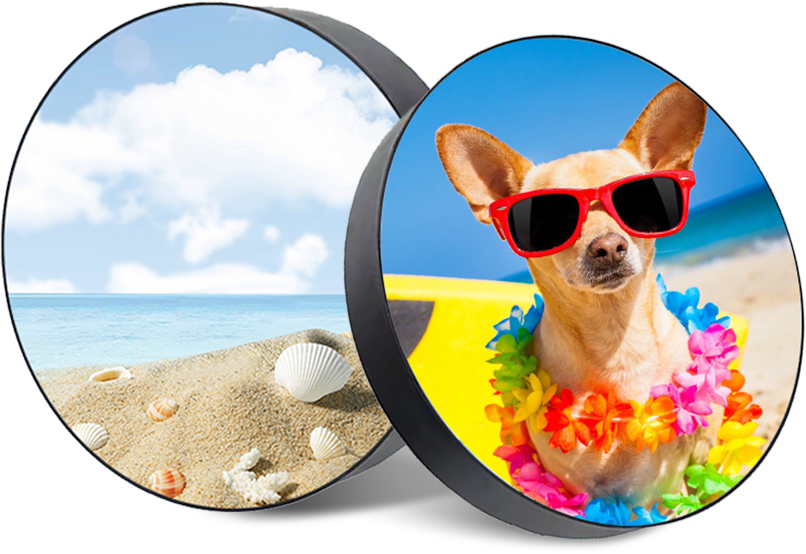
TOOSEN focuses on creative LED display solutions with strong OEM and ODM capabilities. The company provides customized designs including spherical, curved, circular, can-shaped, and other irregular LED displays.
TOOSEN creative LED displays support high refresh rates to achieve smooth playback, stable images, and better camera compatibility.
From small creative displays to large-scale immersive installations, TOOSEN provides customized solutions based on project requirements.
TOOSEN products are supplied to customers worldwide, including markets such as:
United States
Germany
Denmark
South Korea
With overseas warehouses, local support, and international project experience, TOOSEN helps customers reduce delivery time and improve after-sales efficiency.
TOOSEN regularly participates in international LED and display exhibitions, connecting with global customers and presenting the latest creative LED technologies.
For overseas customers, TOOSEN provides professional technical assistance and maintenance services, including European service support and regular project maintenance programs.
For custom shaped LED displays, refresh rate is not simply a technical parameter. It directly affects image quality, camera performance, and the overall impression of the project.
Whether it is a spherical LED display in a shopping mall, a curved LED wall in an exhibition hall, or a creative bottle-shaped LED screen for branding, a high refresh rate ensures smoother and more professional visual performance.
When selecting a custom LED display manufacturer, customers should consider not only the design and appearance but also key performance factors such as refresh rate, control system, product quality, and global service capability.
With advanced customization ability, high refresh rate technology, overseas support, and worldwide project experience, TOOSEN provides reliable creative LED display solutions for customers around the world.
For most commercial creative LED projects, 3840Hz is recommended. For professional filming or broadcasting applications, 7680Hz provides better performance.
Yes. A higher refresh rate helps reduce flickering problems, especially when the LED display is recorded by cameras.
=
 +86 18688923792
  andy@tosled.com