
Industry news


View: 4

Release time:2026-11-18
The 2026 APEC meetings in Shenzhen have brought international business leaders, companies, and media attention to the city. With the APEC CEO Summit taking place on November 17–18 and the Economic Leaders' Meeting on November 18–19, Shenzhen is once again in the spotlight for international cooperation, trade, and business development.
For shopping malls and retail brands, this also highlights the importance of creating attractive commercial environments. Modern retail spaces need more than traditional advertising boards. They need visual displays that attract attention, communicate brand messages, and fit naturally into the surrounding architecture.
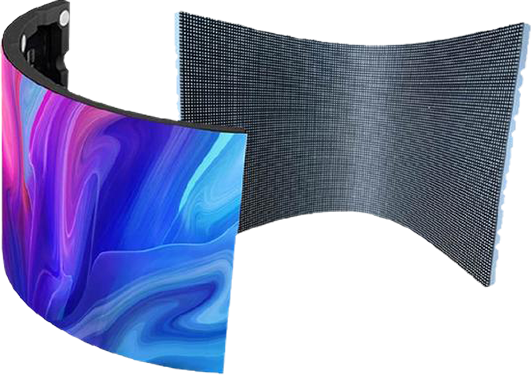
A curved LED display is one solution. Unlike a traditional flat screen, it can follow curved walls, wrap around columns, or create a continuous visual surface in a shopping mall.
However, successful deployment is not simply about choosing a curved LED screen. Screen placement, viewing distance, pedestrian traffic, brightness, and installation conditions all need to be considered before the project begins.
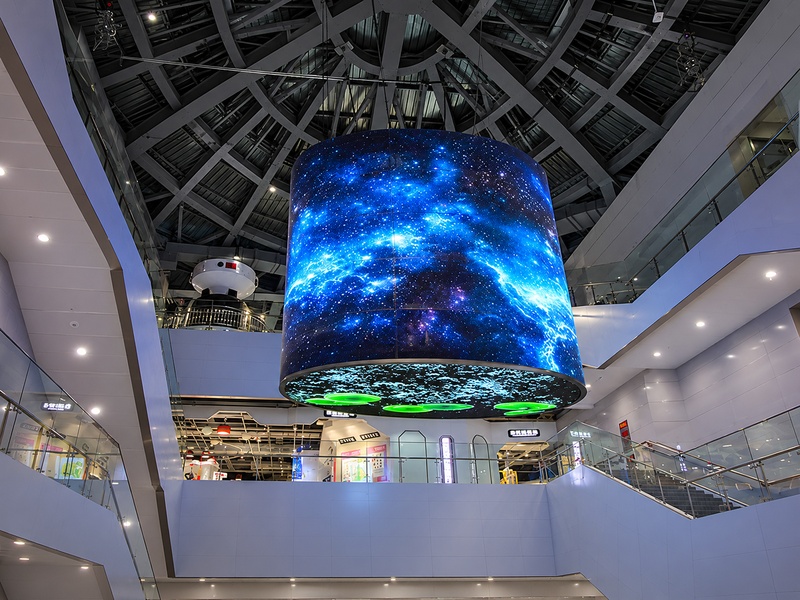
A curved LED display can create a strong visual impact, but poor placement may reduce its advertising value.
For example, a screen installed behind a large advertising structure may be difficult to see. A display placed too close to a store entrance may interrupt customer movement. If the curvature does not match the viewing direction, some content may also become difficult to read.
These problems can affect:
Advertising visibility and customer attention.
Brand message readability from different angles.
The overall appearance of the retail environment.
Installation safety and future maintenance.
The return on investment of the advertising campaign.
Therefore, the first step in curved LED display deployment should be understanding the shopping environment rather than selecting a screen model immediately.
Several factors influence where a curved LED screen should be installed.
Shopping Traffic Flow
Observe how customers move through the shopping mall. Main entrances, escalator areas, central atriums, and high-traffic corridors are potential locations.
A display near an entrance can introduce a brand or campaign. A screen around a central column may attract attention from multiple directions.
Viewing Distance and Angle
Different locations require different screen configurations. A display viewed from a few meters away may need a finer pixel pitch than one installed high above a mall atrium.
The installation angle also matters. Convex screens can provide visibility across several directions, while concave screens can focus attention toward a specific viewing area.
Ambient Lighting
Shopping malls often have strong ceiling lights, glass walls, and changing daylight conditions. These factors can affect image contrast and visibility.
The screen brightness should be selected according to the actual indoor environment. Excessive brightness may make advertisements uncomfortable to watch, while insufficient brightness can reduce visibility.
Available Installation Space
Measure the wall dimensions, column diameter, ceiling height, and surrounding structures. Also check whether there is enough space for power cables, signal connections, ventilation, and maintenance access.
A practical deployment plan should combine architectural measurements with customer viewing behavior.
First, mark the main customer movement routes on the shopping mall floor plan. Identify the areas where customers naturally stop, turn, or spend more time.
Next, divide the viewing area into three zones:
Primary zone: Customers looking directly at the screen.
Secondary zone: Customers viewing it from the side.
Passing zone: Customers who see the display while walking.
Then match the screen shape to the location.
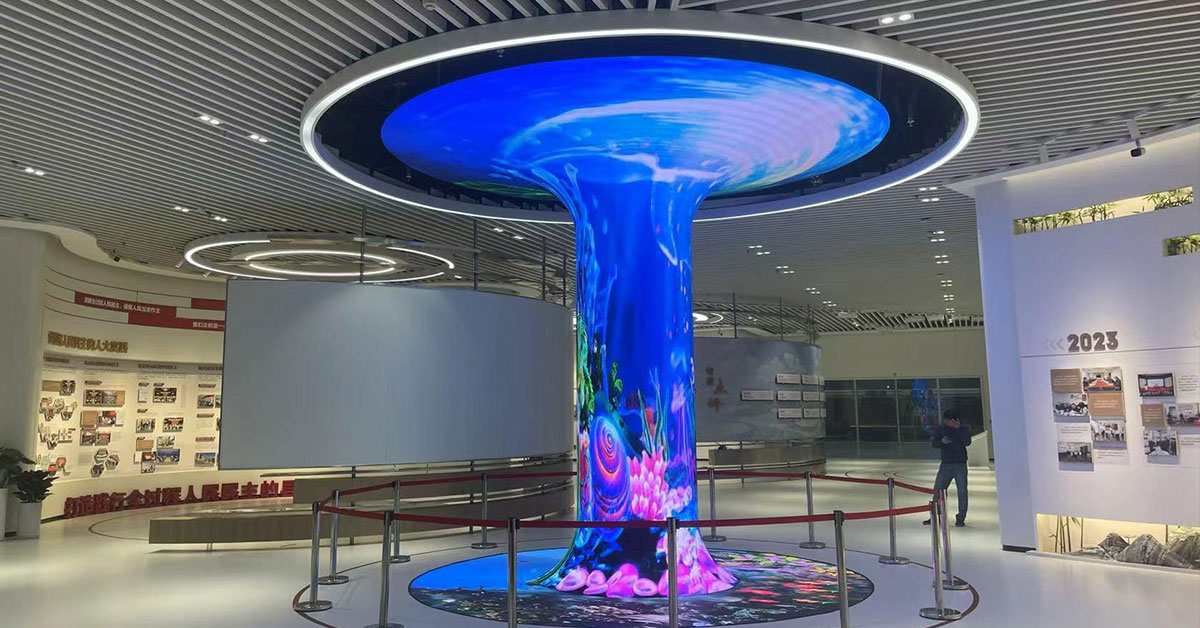
For example, a convex curved LED display can work well around a shopping mall column because it allows the content to face different directions. A concave display may be more suitable for a brand experience area where visitors gather in front of the screen.
Finally, prepare a layout drawing showing the screen dimensions, curvature radius, installation position, viewing distance, and cable routes.
This makes it easier to confirm the design before manufacturing and installation.
A curved LED display should be tested in conditions close to its final operating environment.
Important checks include:
Visual Uniformity: Play white, black, red, green, and blue test images to check brightness and color consistency across the modules.
Viewing Angle: Observe the screen from the primary and secondary viewing positions. Check whether images remain clear and undistorted.
Content Mapping: Confirm that text, logos, product images, and video content follow the screen's curved surface correctly.
Brightness Adjustment: Test the display under actual shopping mall lighting conditions and adjust brightness for comfortable viewing.
Signal and Power Stability: Run the screen continuously for several hours to check for flickering, signal interruptions, or abnormal heating.
These tests help reduce problems after the advertising campaign starts.
The display structure should match the installation environment.
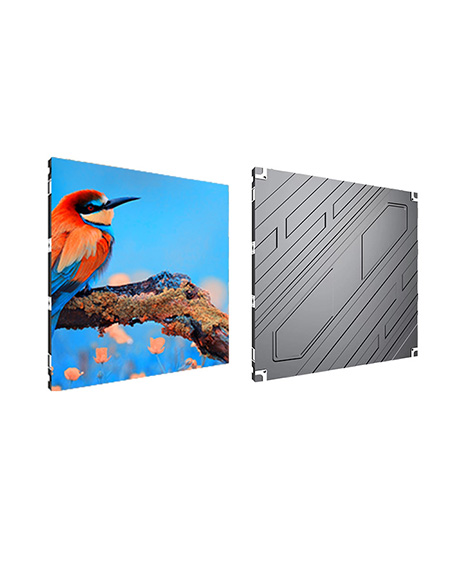
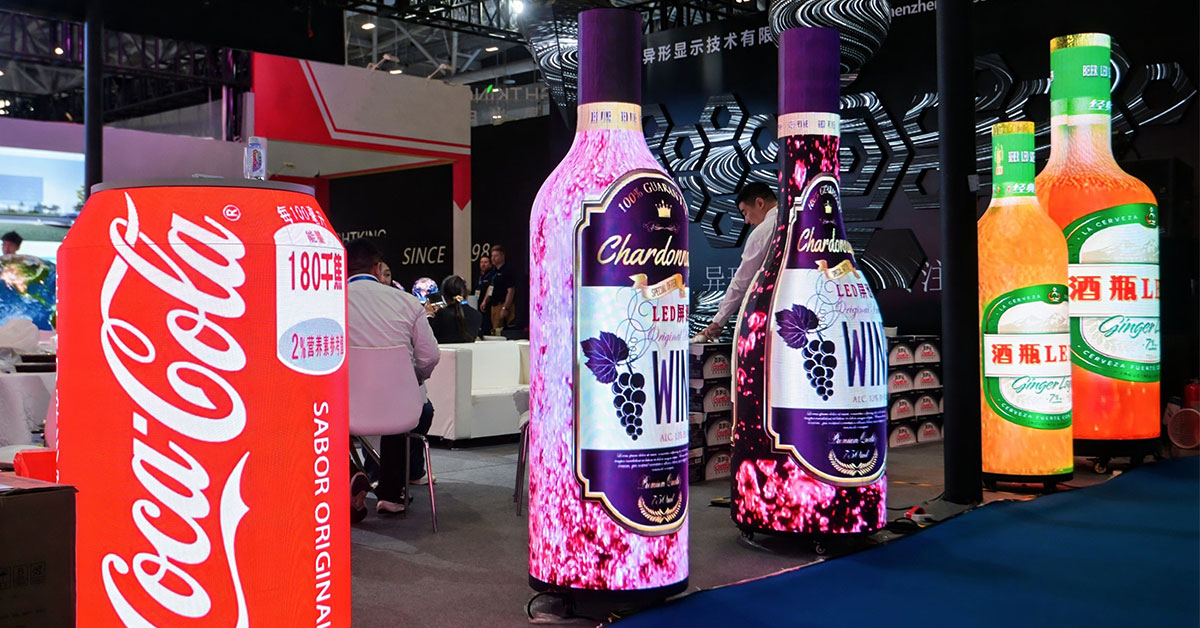
Flexible LED modules are commonly used for curved surfaces because they can follow suitable convex or concave designs. Their flexibility allows designers to create cylindrical displays, curved advertising walls, and other customized structures.
For a successful installation, buyers should pay attention to:
Pixel pitch: Select according to viewing distance and content requirements.
Cabinet or module structure: Ensure the design supports the required curvature.
Refresh rate: A high refresh rate, such as 7680Hz or above, can help improve camera recording performance.
Brightness: Match the display to the indoor lighting environment.
Maintenance: Confirm whether front or rear maintenance is more practical.
Installation accessories: Check mounting brackets, connectors, power supplies, and signal cables.
The structure should be designed and checked before installation rather than adjusted at the last minute.
Consider a retail brand preparing a seasonal promotion in a large shopping mall.
The marketing team wants to display product videos and promotional messages near a central column. A traditional flat LED screen would only face one main direction, limiting its visibility to passing customers.
A customized curved LED display can follow the column's surface, creating a more continuous advertising area.
Before installation, the project team should measure the column diameter, determine the screen height, calculate the required curvature, and check nearby lighting conditions.
The content should also be designed for the curved surface. Large product images, short promotional messages, and clear brand logos are generally more effective than long paragraphs of text.
This example shows how curved LED display deployment can combine architectural design with retail advertising requirements.
Q1: Where is the best location for a curved LED display in a shopping mall?
Main entrances, central columns, atriums, and high-traffic corridors are common choices. The final position should depend on customer movement, viewing angles, and available installation space.
Q2: Can a curved LED display be installed around a shopping mall column?
Yes. Flexible LED modules and customized mounting structures can be used to create curved or cylindrical displays. The column dimensions and required curvature must be confirmed first.
Q3: How do I choose the right pixel pitch?
Consider the closest viewing distance, screen size, and content details. Smaller pixel pitches are generally suitable for closer viewing, while larger pitches may work for displays viewed from farther away.
Q4: Is a curved LED display suitable for temporary retail campaigns?
Yes. Depending on the structure, installation method, and project requirements, curved LED displays can be used for seasonal promotions, product launches, brand activations, and other commercial campaigns.
Q5: What should buyers check before ordering?
Confirm the screen dimensions, curvature radius, pixel pitch, brightness, refresh rate, installation structure, maintenance method, and power requirements.
Every retail environment has different architectural and advertising requirements. A suitable curved LED display should be designed around the actual installation space rather than relying on a standard screen configuration.
TOOSEN provides LED display solutions for commercial advertising, retail environments, exhibitions, and customized display projects.
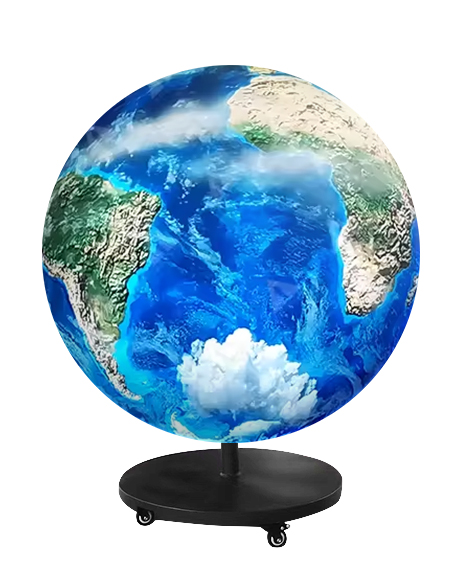
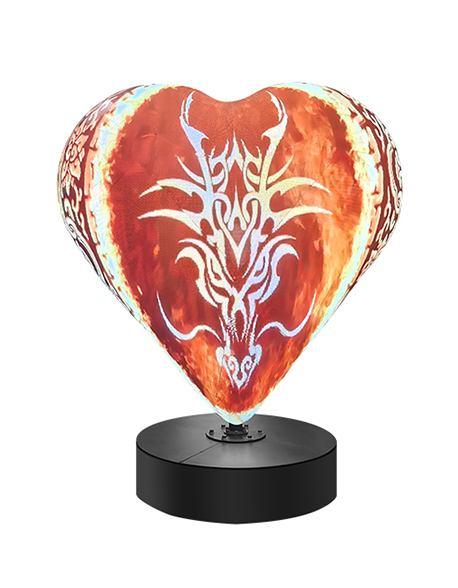
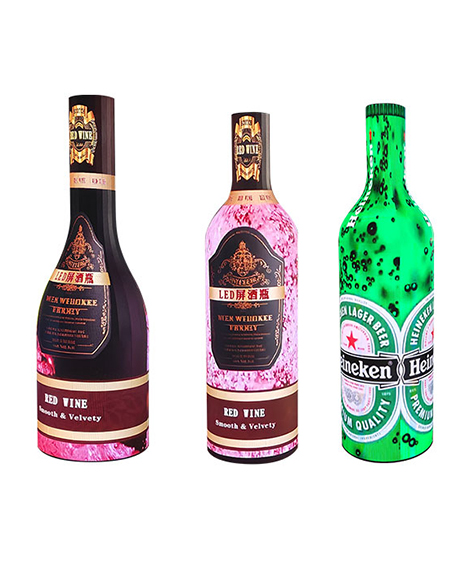
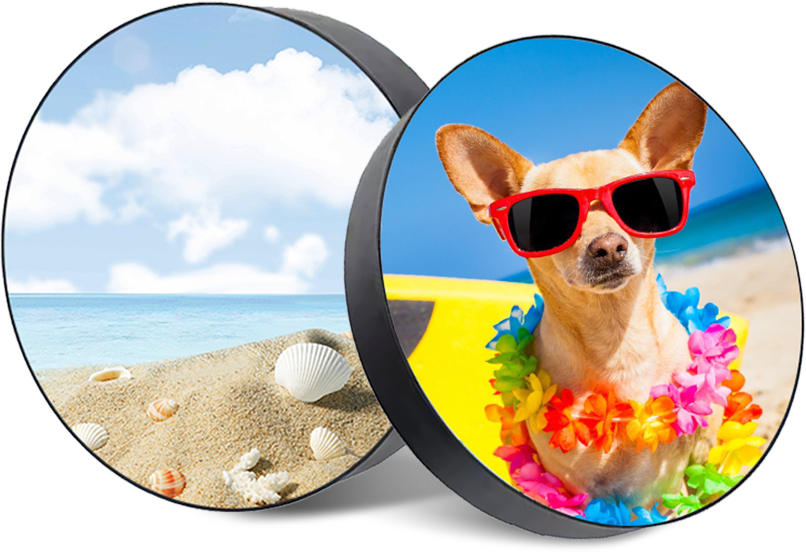
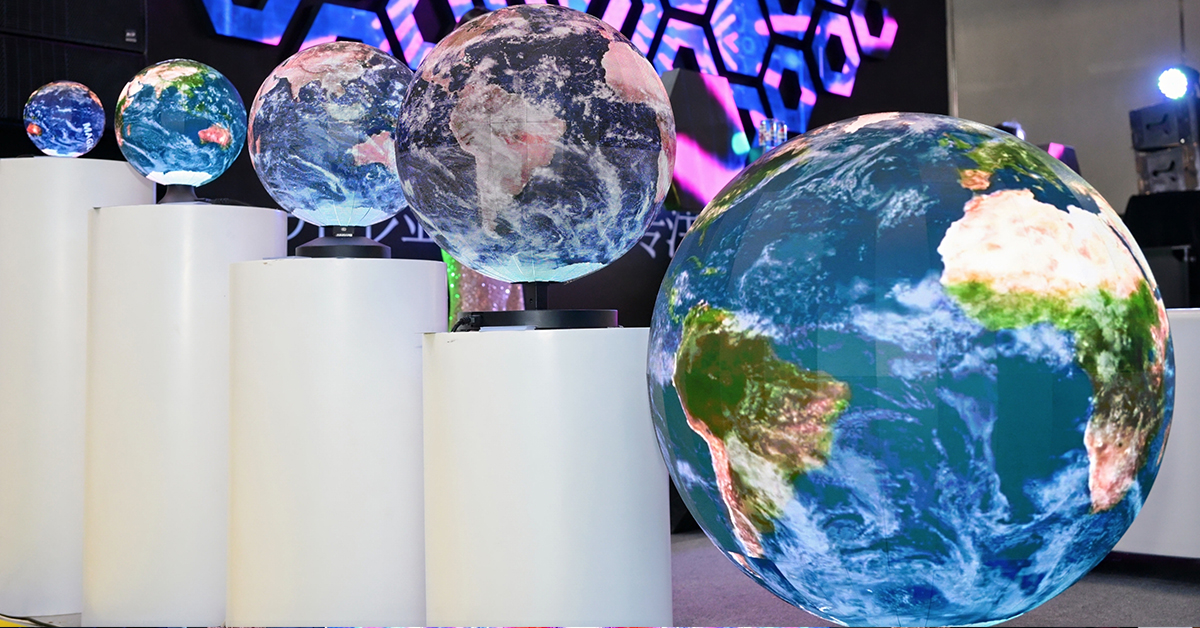
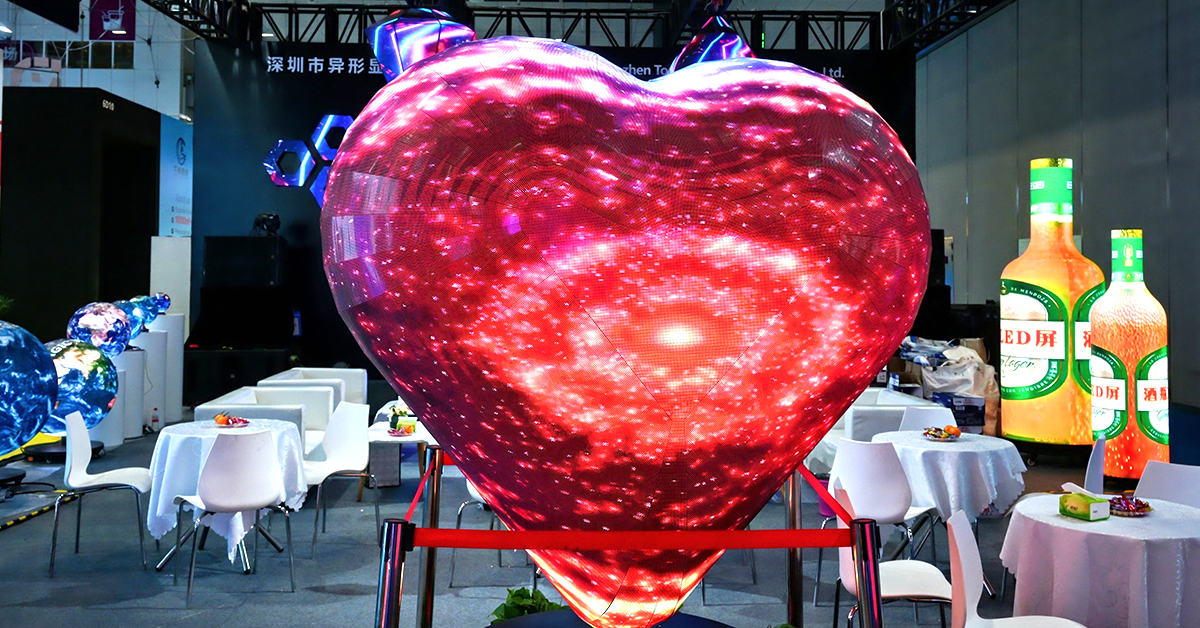
Our product range includes flexible LED displays, curved LED screens, spherical LED displays, and other customized LED display solutions.
We focus on practical project requirements, including screen structure, module selection, visual performance, installation planning, and technical support.
With international business experience and customers in markets including the United States, Denmark, South Korea, and Germany, TOOSEN supports customers looking for customized LED display solutions for different commercial environments.
Whether you are planning a curved advertising wall, a cylindrical LED display, or a large shopping mall campaign, our team can help evaluate your project requirements and recommend a suitable display configuration.
Contact TOOSEN to discuss your curved LED display project and create a display that fits your commercial space.
Website: https://www.toosen.com/
 +86 18688923792
 andy@tosled.com