

Industry news


View: 24

Release time:2026-11-05
Outdoor flexible LED displays are often installed in places where they face rain, sunlight, humidity, and changing temperatures. However, some projects have another problem that is easy to overlook: salt spray corrosion.

Salt particles in the air can settle on metal connectors, screws, power terminals, and exposed electronic components. When moisture combines with these deposits, corrosion may gradually develop.
For projects near the sea, this risk is even higher. A flexible LED display may still work normally during initial testing, but corrosion can appear after months of outdoor operation.
Therefore, buyers should not only check brightness, waterproof ratings, and display performance. They should also consider whether salt spray corrosion inspection is necessary before purchasing an outdoor flexible LED display.
Not every outdoor LED installation requires the same level of corrosion protection. The surrounding environment should determine the inspection requirements.
Coastal Advertising Projects
Outdoor advertising screens installed near beaches, seaside roads, and waterfront commercial areas are directly exposed to salt-containing air. Metal mounting parts and electrical connections need particular attention.
Ports and Marine Facilities
Ports, marinas, cruise terminals, and shipping facilities often experience continuous exposure to salt spray and high humidity. Flexible LED displays used for advertising, navigation, and public information should undergo more detailed material and corrosion checks.
Outdoor Shopping Centers and Hotels
Buildings near the coastline may install curved LED screens on exterior walls, entrance columns, and architectural structures. Although the displays may have protective housings, connectors and mounting accessories still need suitable corrosion resistance.
Island Resorts and Outdoor Entertainment Venues
Resorts, seaside restaurants, and outdoor performance areas may operate LED screens throughout the year. Long-term exposure to humid air and salt deposits makes corrosion inspection an important part of procurement.
Industrial Areas With Chemical Exposure
Some industrial environments contain airborne chemicals that can accelerate metal corrosion. Buyers should evaluate the actual environment rather than assume that a standard outdoor waterproof rating provides sufficient protection.
Salt spray does not damage every component in the same way.
The first areas buyers should inspect include:
Metal connectors: Exposed connectors may develop oxidation, affecting electrical contact.
Mounting screws and brackets: Low-quality metal fasteners may rust and gradually lose mechanical strength.
Power terminals: Corrosion around terminals can increase contact resistance and create unstable electrical connections.
PCB solder joints: Moisture and contaminants may contribute to oxidation and electrical failures.
Cabinet joints and protective edges: Damaged sealing materials can allow moisture and salt deposits to enter sensitive areas.
Flexible LED displays have additional structural considerations. Their modules and supporting structures must bend to match curved surfaces, so buyers should also check whether repeated bending or installation pressure damages protective coatings and sealing areas.
Before placing an order, buyers should request information about the materials and protection methods used in the display.
First, check the material of screws, brackets, connectors, and other exposed metal parts. Stainless steel, suitable coated metals, and corrosion-resistant alloys may be considered depending on the installation environment.
Second, ask whether the PCB has a conformal protective coating. This coating can help reduce moisture and contaminant exposure, although its actual protection depends on material selection, coverage, thickness, and application quality.
Third, inspect the waterproof structure. Outdoor flexible LED displays should have suitable protection around module edges, cable connections, and power interfaces.
Finally, request documented salt spray test results for relevant materials or complete assemblies. A supplier should explain which components were tested and whether the test conditions represent the intended installation environment.
Salt spray testing is commonly used to evaluate the corrosion resistance of materials and protective coatings.
Buyers can ask suppliers whether testing follows recognized methods such as ASTM B117 or ISO 9227.
A useful inspection process includes several steps.
Step 1: Prepare Samples
Select representative metal fasteners, brackets, connectors, coated parts, or assembled components. Record their original condition before testing.
Step 2: Define Test Conditions
Confirm the test method, salt solution, temperature, exposure duration, and evaluation requirements with the testing laboratory.
The required duration should depend on the project environment and material specification. A longer test does not automatically guarantee a longer outdoor service life.
Step 3: Inspect Surface Changes
After exposure, check for red rust, white corrosion products, coating bubbles, peeling, and changes around edges or connection points.
Step 4: Check Electrical Performance
For relevant electrical assemblies, inspect connector contact resistance, insulation condition, and electrical continuity after exposure.
Step 5: Record the Results
Request photographs, test conditions, sample identification, and a formal test report. Buyers should compare the results against agreed acceptance criteria rather than relying on a general statement such as corrosion-resistant.
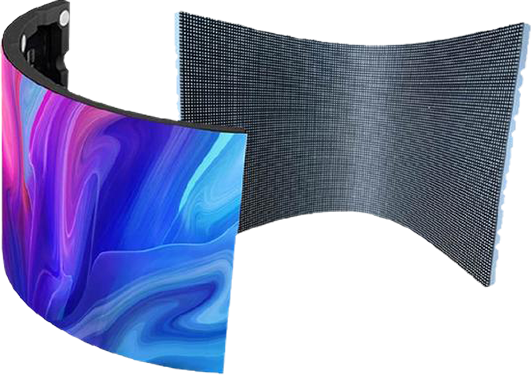
An outdoor flexible LED display normally includes flexible LED modules, supporting structures, power connections, signal cables, and protective components.
For curved or irregular installations, the design should balance flexibility with environmental protection.
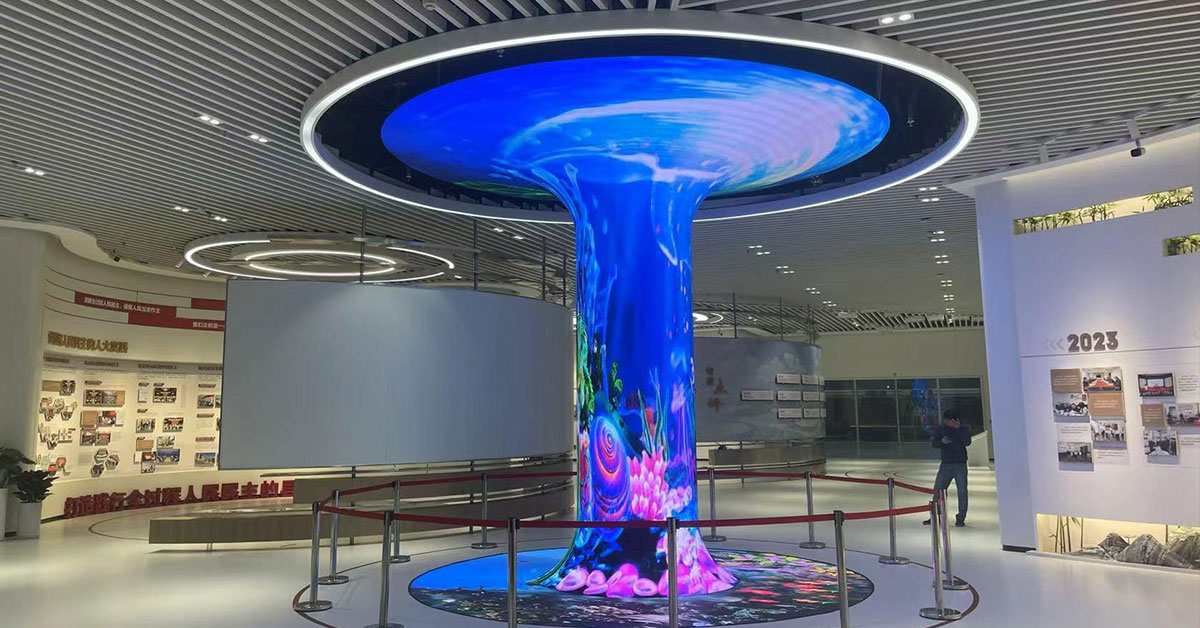
For example, a cylindrical display installed outside a coastal hotel may require corrosion-resistant mounting hardware, protected cable connections, and carefully sealed module edges.
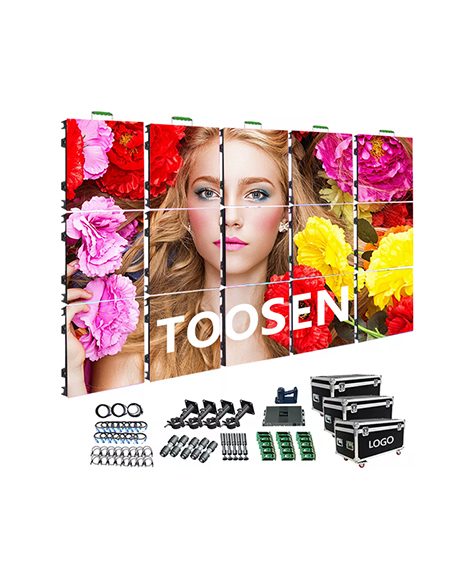
TOOSEN provides flexible LED display solutions with different pixel pitches, customized module sizes, and indoor or outdoor configurations. Its product range includes pixel pitches from P1.2 to P10, with outdoor IP65 protection available for applicable configurations.
However, buyers should confirm the exact protection level and corrosion test documentation for the selected model rather than assume that every flexible LED configuration has identical specifications.
Consider a flexible LED display installed on the exterior of a seaside shopping mall.
The display follows a curved architectural wall and operates for long hours every day. Although the screen has an outdoor waterproof design, its mounting brackets, connectors, and electrical interfaces remain important inspection points.
Before production, the buyer can request corrosion-resistant material specifications and salt spray test reports for relevant components.
For a port passenger terminal, the inspection scope may be wider because the display operates in a more demanding marine environment. Buyers should consider additional protection for cable connections, metal supports, and electrical compartments.
For an inland outdoor advertising project with limited salt exposure, standard environmental protection requirements may be sufficient. The inspection plan should always match the actual installation conditions.
Q1: Does an IP65 rating mean an LED display is resistant to salt spray?
No. IP65 describes protection against dust and water ingress under specified test conditions. It does not directly measure resistance to salt corrosion.
Q2: Which projects should request salt spray test reports?
Coastal buildings, ports, marinas, island resorts, seaside shopping malls, and other locations with frequent salt exposure should consider requesting relevant reports before purchase.
Q3: How many hours of salt spray testing are required?
There is no universal duration for every outdoor LED display. The testing period should be agreed upon according to the material, coating system, applicable standard, and project environment.
Q4: Can a protective coating completely prevent corrosion?
No. Protective coatings reduce exposure risks, but damaged coatings, untreated edges, and poorly protected connections may still corrode.
Q5: Should buyers test the entire LED display or individual components?
Both approaches can be useful. Component testing evaluates specific materials, while assembly-level inspection helps identify weaknesses around joints, connectors, and protective structures.
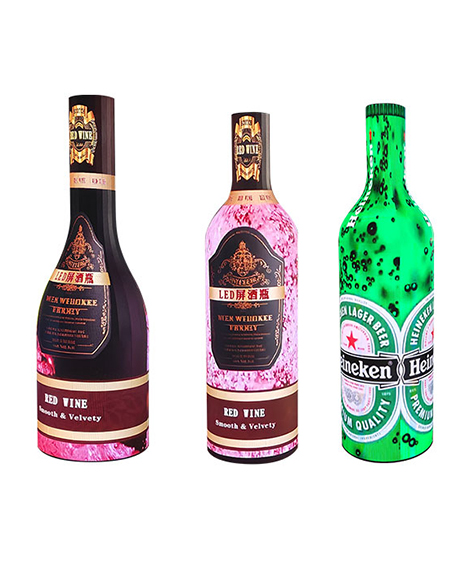
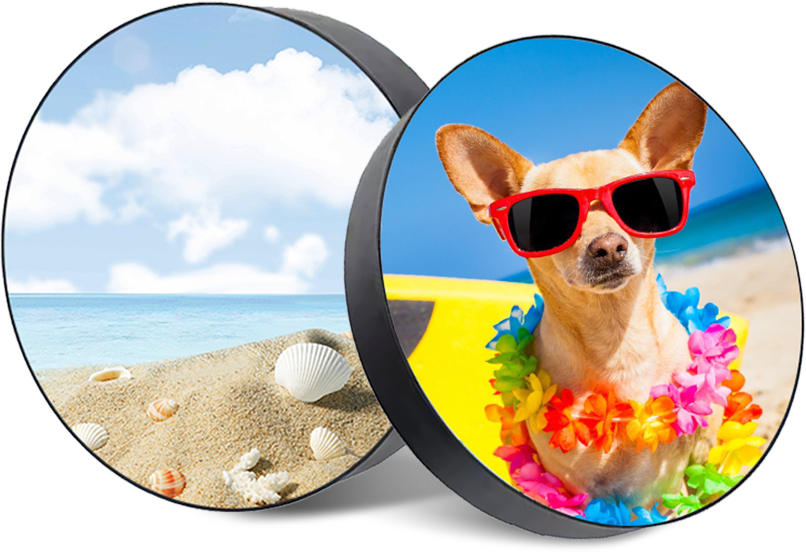
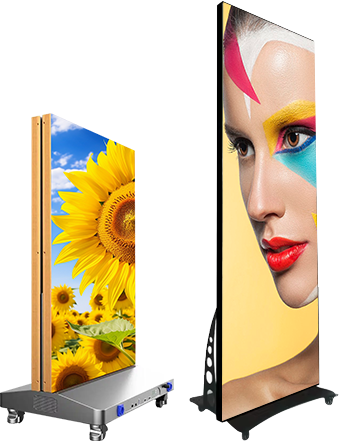
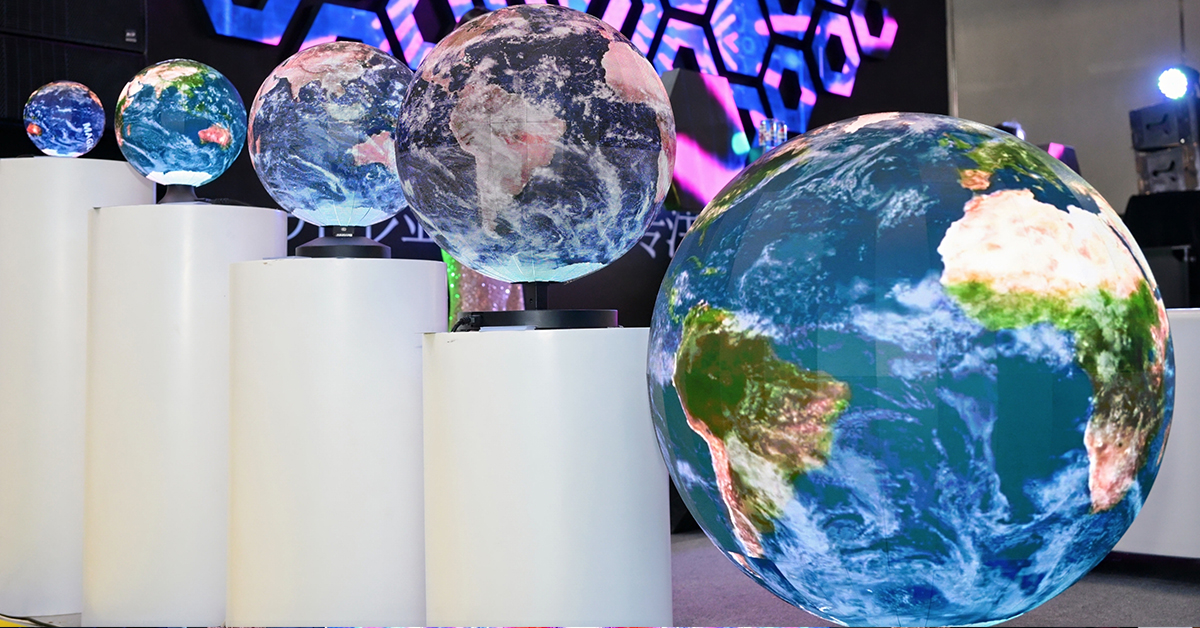
Founded in 2014, TOOSEN specializes in LED display manufacturing and customized OEM/ODM solutions. Its product range includes flexible LED displays, curved LED screens, spherical LED displays, and other special-shaped screens.
With different pixel pitches, customized module dimensions, and indoor and outdoor configurations, TOOSEN supports projects in commercial buildings, shopping centers, entertainment venues, and public spaces.
The company focuses on product development, manufacturing quality control, and project support. For coastal and marine installations, buyers can discuss the required waterproof configuration, material selection, and corrosion inspection scope with the engineering team before production.
Choosing an outdoor flexible LED display should involve more than comparing prices and screen specifications. By checking salt spray corrosion risks before purchasing, buyers can make better decisions about materials, protection, and long-term project reliability.
Contact TOOSEN: https://www.toosen.com/
 +86 18688923792
 andy@tosled.com