




Industry news


View: 8

Release time:2026-03-20
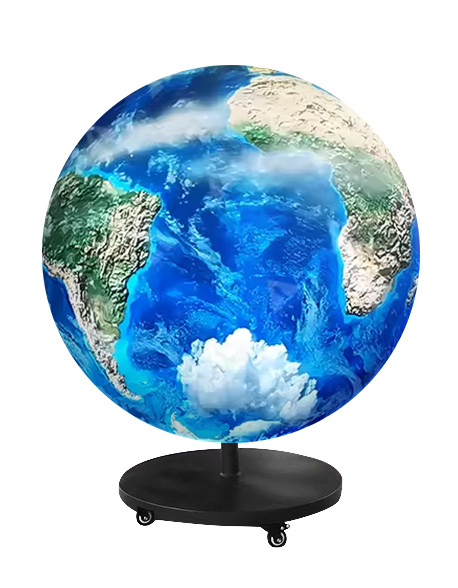
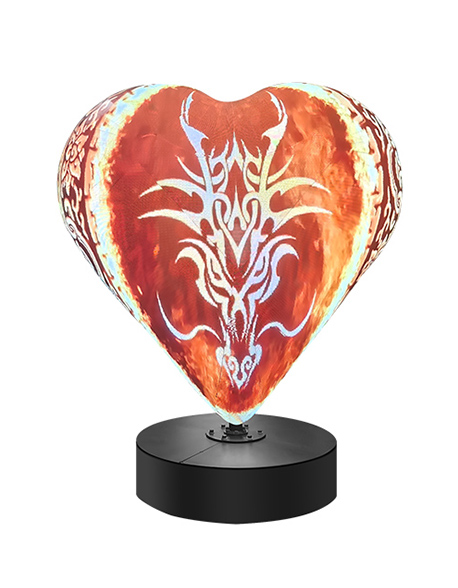
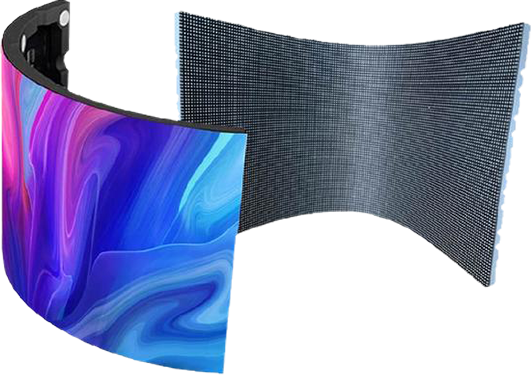
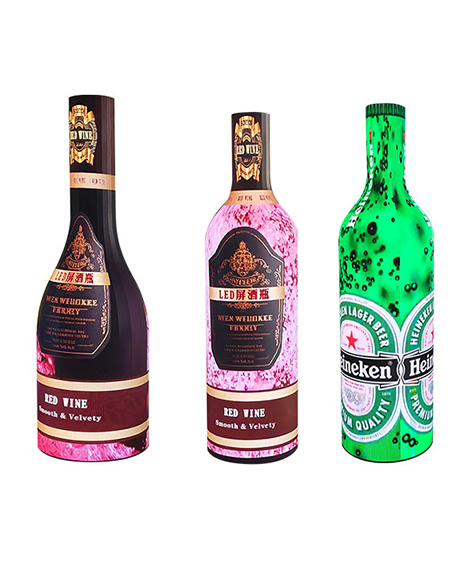
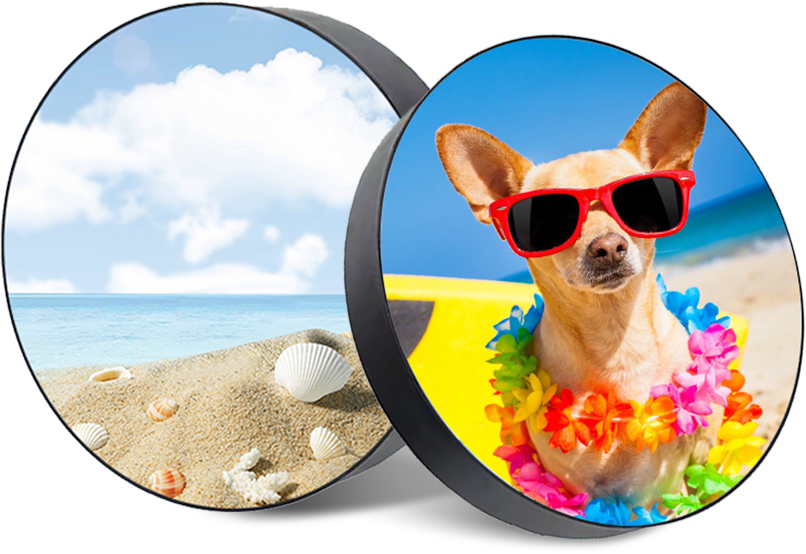
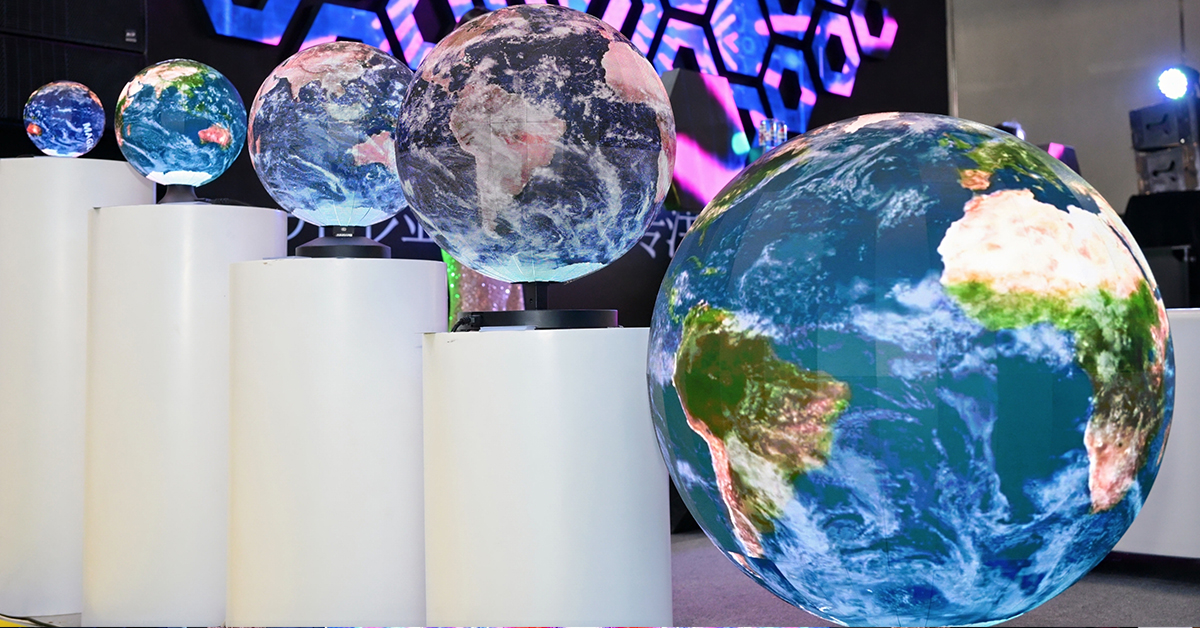
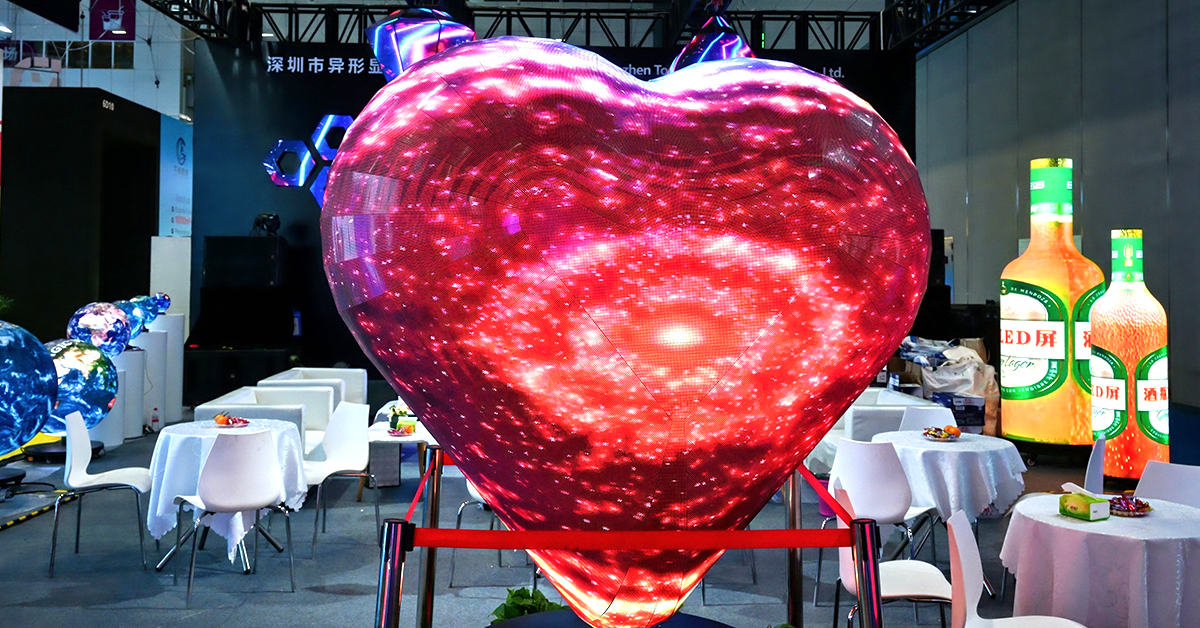
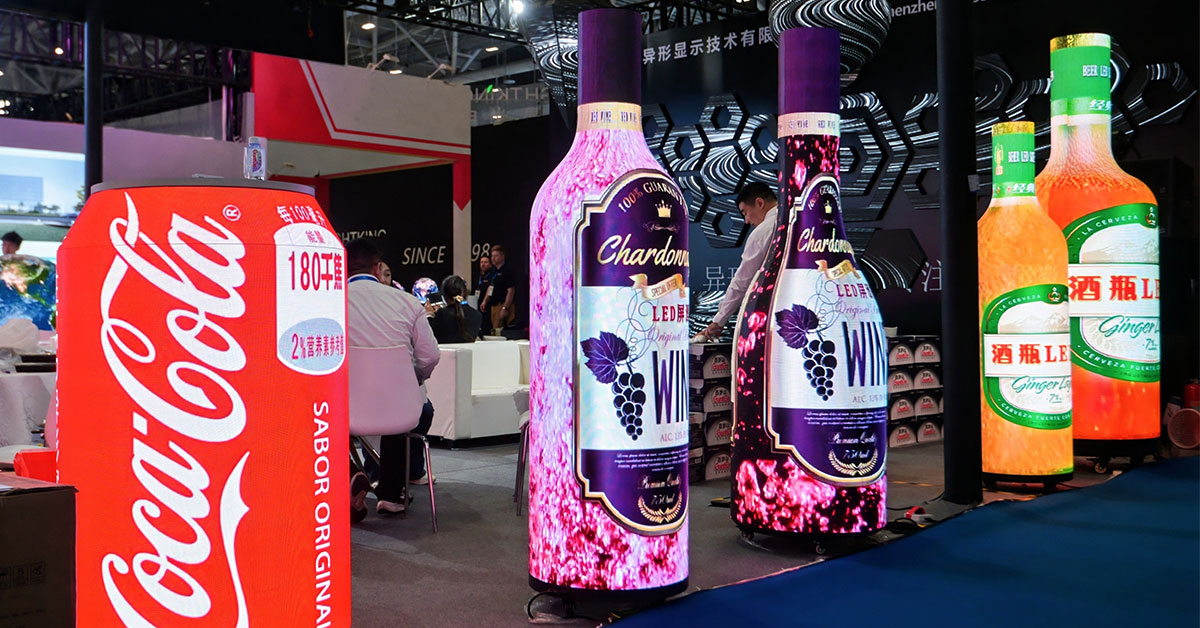
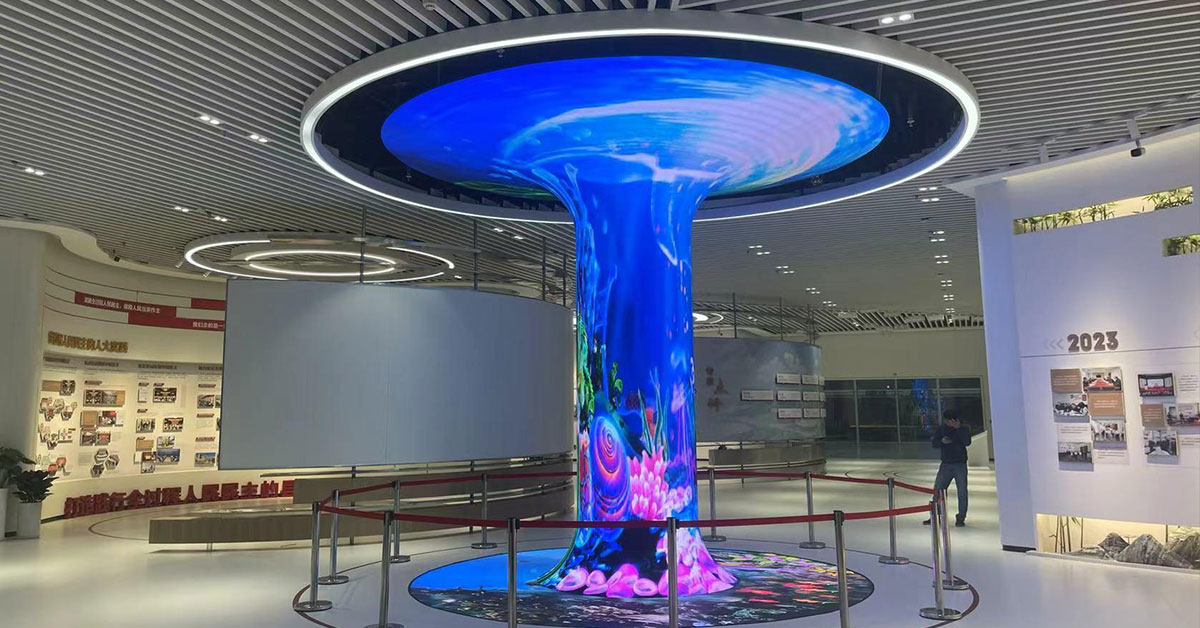
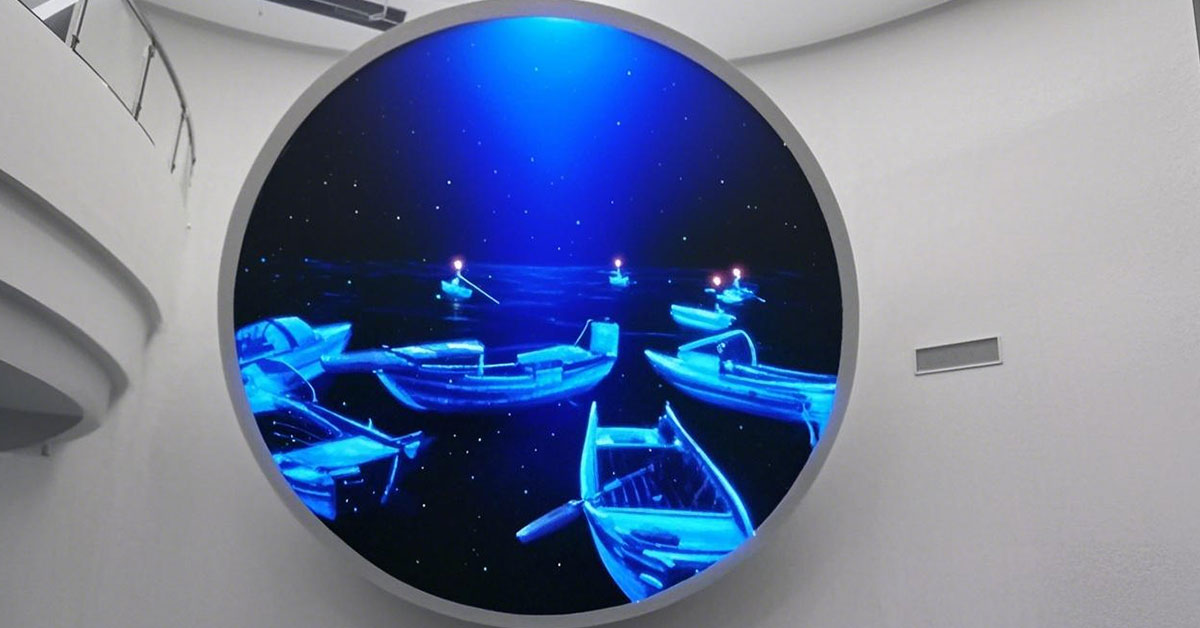
Special-shaped LED displays—such as spherical screens, curved displays, ribbon screens, and creative architectural installations—have become increasingly popular in modern visual design. However, maintaining uniform brightness on these non-standard structures presents a unique technical challenge.
Because these displays use curved surfaces and customized modules, achieving consistent brightness requires careful design and calibration.
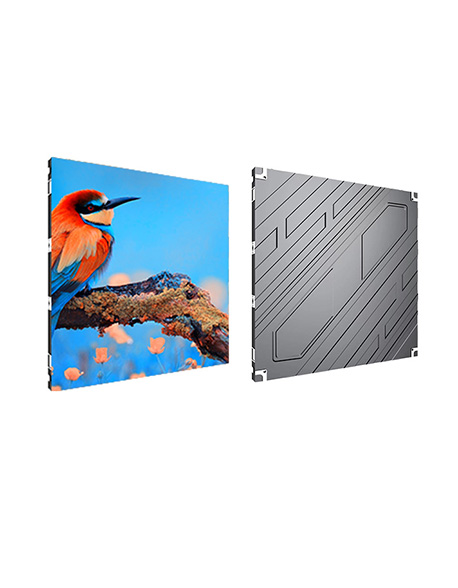
Uniform brightness begins with consistent LED components. Manufacturers should use LED chips from the same production batch to reduce variations in brightness and color temperature.
High-quality driver ICs also help maintain stable current output, which keeps brightness consistent across the screen.
Even high-quality modules may show slight brightness differences. Therefore, manufacturers perform factory calibration to balance brightness and color across the entire display.
During calibration, technicians measure each module and adjust the output values so the screen produces a uniform image.
Modern LED control systems include pixel-level calibration technology. This technology adjusts brightness individually for each pixel or module, ensuring smooth transitions across curved surfaces.
These systems are especially important for large creative displays where slight inconsistencies would be highly visible.
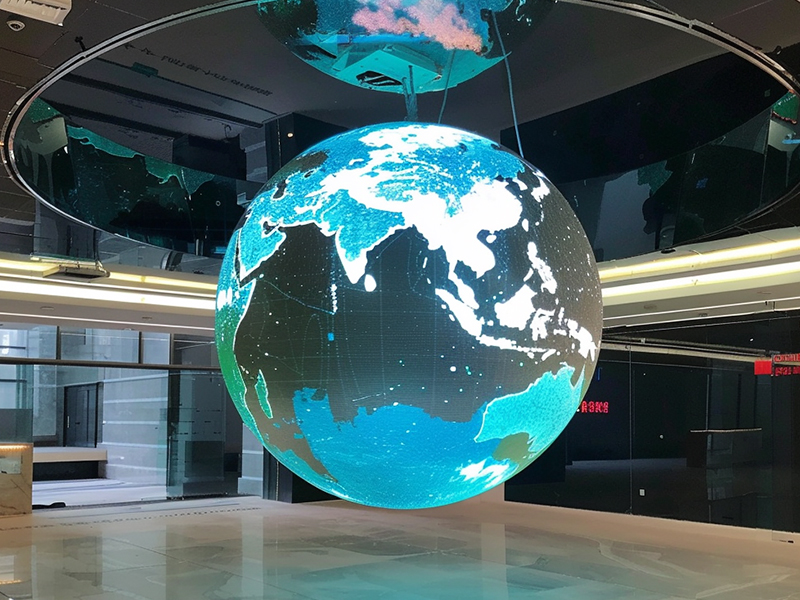
In special-shaped LED displays, the mechanical structure directly affects visual consistency. If modules are installed at slightly different angles, the reflected light may appear uneven.
Therefore, precise structural design and installation play a critical role in maintaining brightness uniformity.
Over time, LED modules may experience brightness decay at different rates. Regular inspection and recalibration help restore consistent brightness across the screen.
Professional technicians often perform periodic brightness calibration to maintain visual quality for long-term installations.
Uniform brightness is essential for maintaining the visual impact of special-shaped LED displays. By combining high-quality components, accurate structural design, advanced control systems, and regular calibration, operators can ensure that creative LED installations deliver smooth and consistent visuals from every viewing angle.
 +86 18688923792
  andy@tosled.com


