



Industry news


View: 481

Release time:2026-04-14
In modern retail spaces, visual impact directly influences customer attention and purchase decisions. As brands compete for visibility under strong lighting conditions, choosing the right display technology becomes critical.
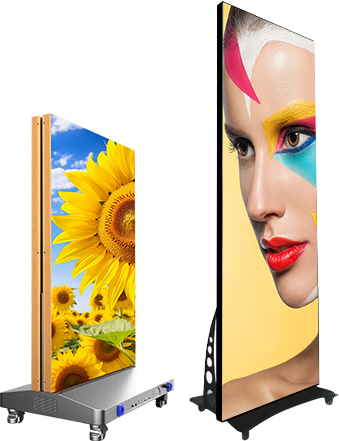
While LCD digital signage remains common, LED poster displays are rapidly becoming the preferred solution—especially in high-brightness retail environments such as storefront windows, shopping malls, and flagship stores.
This shift is not accidental. It is driven by three key advantages: higher brightness, seamless scalability, and superior color saturation.
Brightness is the most decisive factor in retail environments filled with ambient light and direct illumination.
LCD advertising displays typically offer brightness levels between 500 and 1500 nits, which works well in controlled indoor settings. However, these screens often struggle in storefront windows or brightly lit malls, where glare and reflections reduce visibility.
In contrast, LED poster displays easily reach 2000 to 5000+ nits, making content clearly visible even under direct sunlight.
As a result, LED displays maintain strong visual clarity throughout the day, while LCD screens often appear washed out or dim. For retailers, this means better visibility, stronger messaging, and higher foot traffic conversion.
Retail brands often need large-format visuals to create immersive experiences. This is where LED technology offers a structural advantage.
LCD displays rely on panel-based construction, which introduces visible bezels between screens when tiled together. Even ultra-narrow bezel LCDs cannot eliminate these gaps entirely, which disrupts visual continuity.
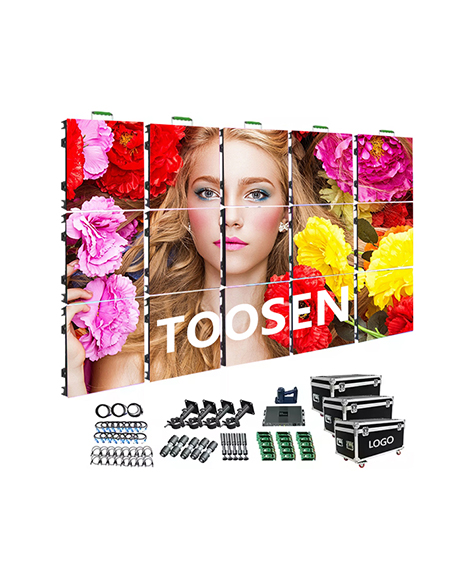
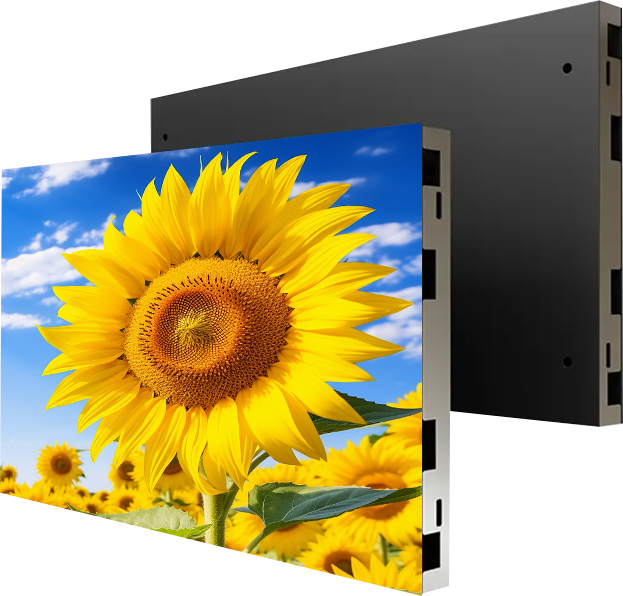
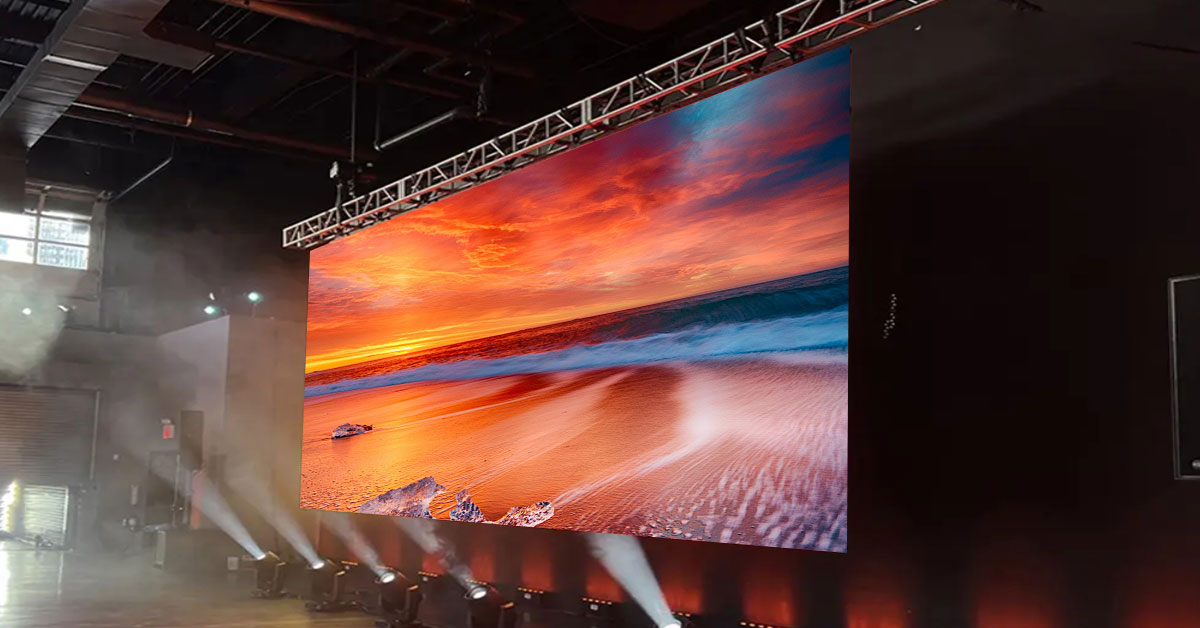
LED poster displays, however, use modular design with near-seamless splicing. When multiple units are combined, they form a continuous canvas without visible borders.
This allows retailers to:
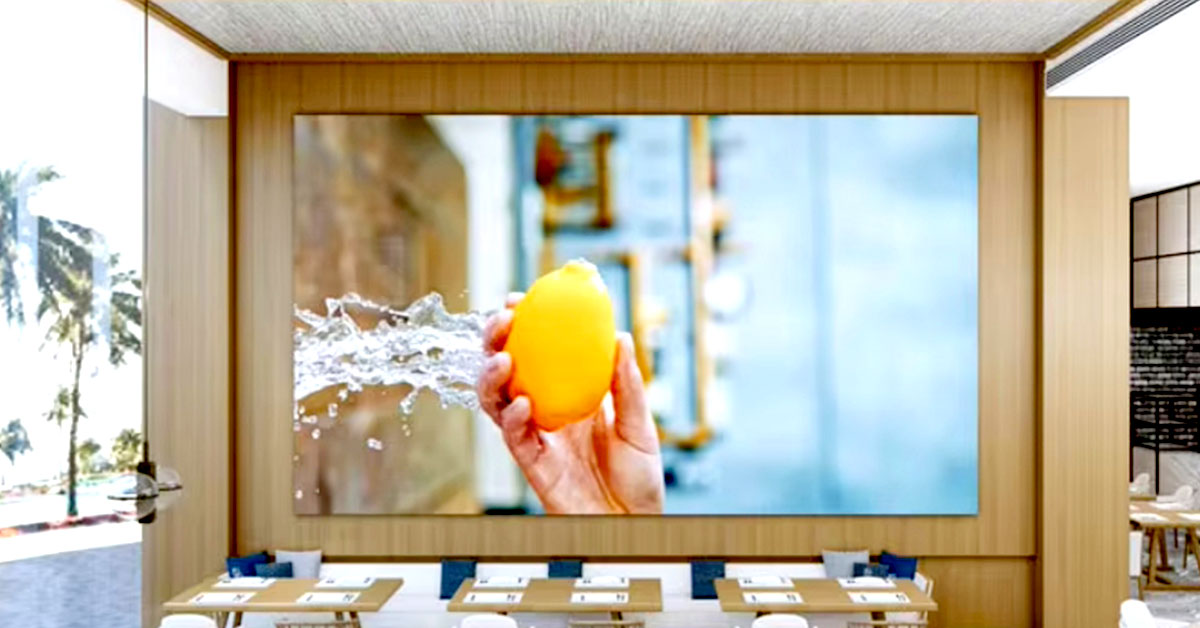
Create large video walls without visual interruption
Customize screen size and aspect ratio freely
Maintain a premium, high-end brand image
In high-end retail, seamless visuals are not just a technical benefit—they are a branding requirement.
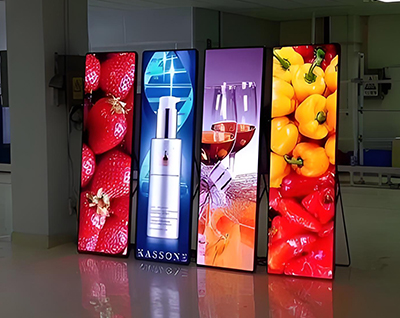
Color performance directly affects how customers perceive products and brand identity.
LCD screens depend on backlight panels, which limit contrast and color depth—especially under high brightness conditions. As brightness increases, colors often appear flatter and less vibrant.
LED displays use self-emissive pixels, allowing each LED to produce its own light. This results in:
Higher contrast ratios
Deeper blacks
More vivid and saturated colors
In retail applications, this translates into more eye-catching visuals, sharper product presentation, and stronger emotional engagement with customers.
If your retail environment includes strong lighting, large display requirements, or premium visual expectations, LED poster displays offer clear advantages.
Choose LCD digital signage if:
You operate in low-light indoor environments
You need a cost-effective solution for small displays
Choose LED poster displays if:
Your store has high ambient light or direct sunlight
You want seamless large-format displays
You prioritize visual impact and brand experience
In high-brightness retail environments, LED poster displays outperform LCD digital signage in every critical aspect. They provide higher brightness for better visibility, seamless splicing for immersive design, and richer color saturation for stronger visual appeal.
As retail continues to evolve toward experiential spaces, LED technology is no longer just an alternative—it is becoming the standard for brands that want to stand out.
 +86 18688923792
  andy@tosled.com