
Company news


View: 379

Release time:2026-08-04
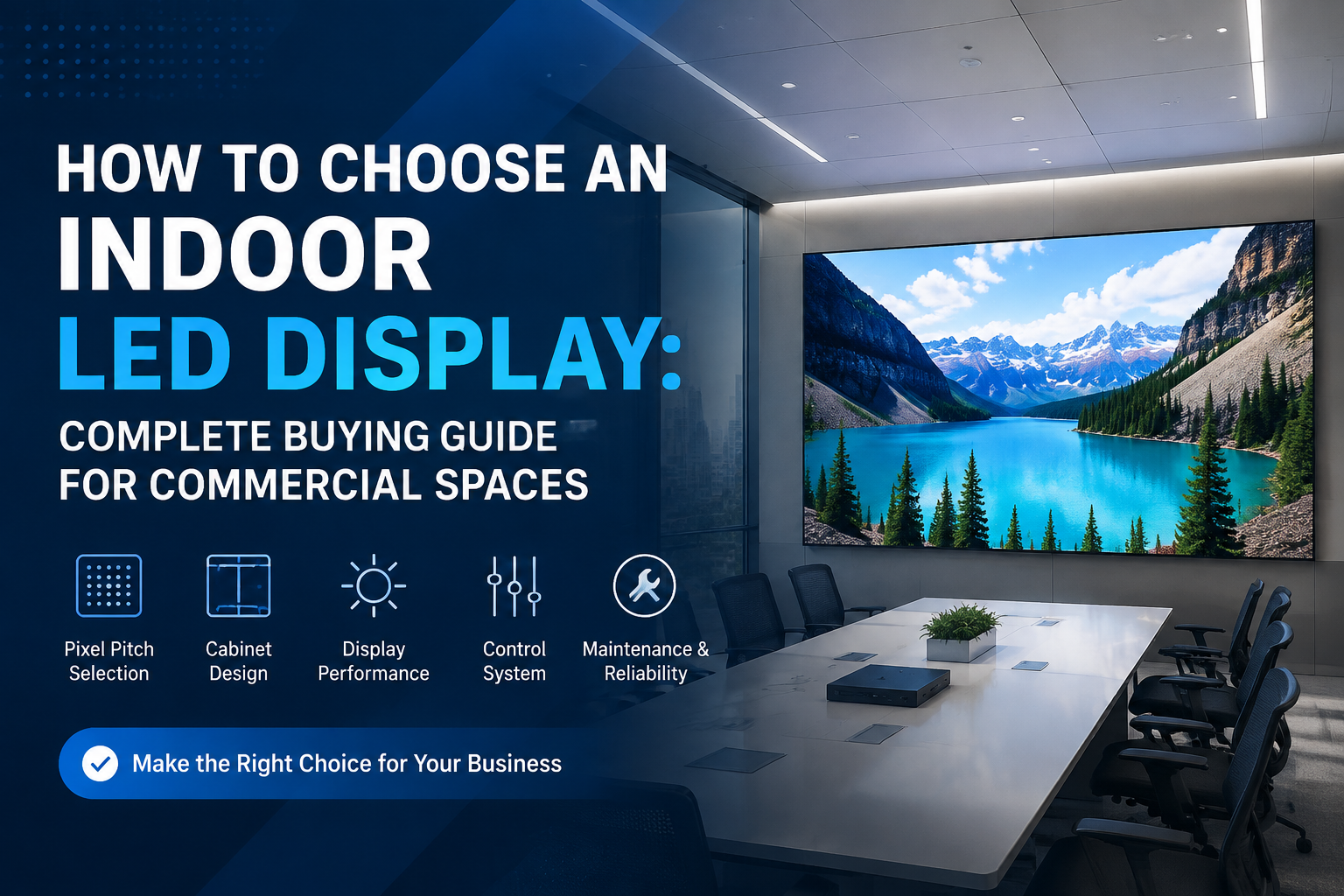
Choosing the right indoor LED display requires more than comparing screen size and price. Factors such as pixel pitch, cabinet design, brightness, refresh rate, control system, and maintenance requirements all affect the final performance.
Today, indoor LED displays are widely used in corporate offices, conference rooms, shopping malls, hotels, exhibition halls, retail stores, and entertainment venues. Compared with traditional display solutions, LED video walls provide seamless images, flexible sizes, high brightness, and excellent visual impact.
However, different applications require different LED solutions. This guide explains the key factors you should consider before choosing an indoor LED display.
The first step is identifying where and how the LED display will be used.
Different indoor environments have different requirements.
For corporate applications, image quality and professionalism are usually the main priorities.
A corporate LED display solution is often used for:
Company presentations
Brand videos
Meeting content
Digital information displays
Because viewers are usually close to the screen, fine pixel pitch products such as P1.2, P1.5, and P1.8 are commonly selected.
Retail environments focus on attracting attention and improving customer experience.
Indoor LED displays can be used for:
Advertising videos
Product promotions
Brand storytelling
For larger viewing distances, P2.5, P3, or P4 models can provide a good balance between image quality and cost.
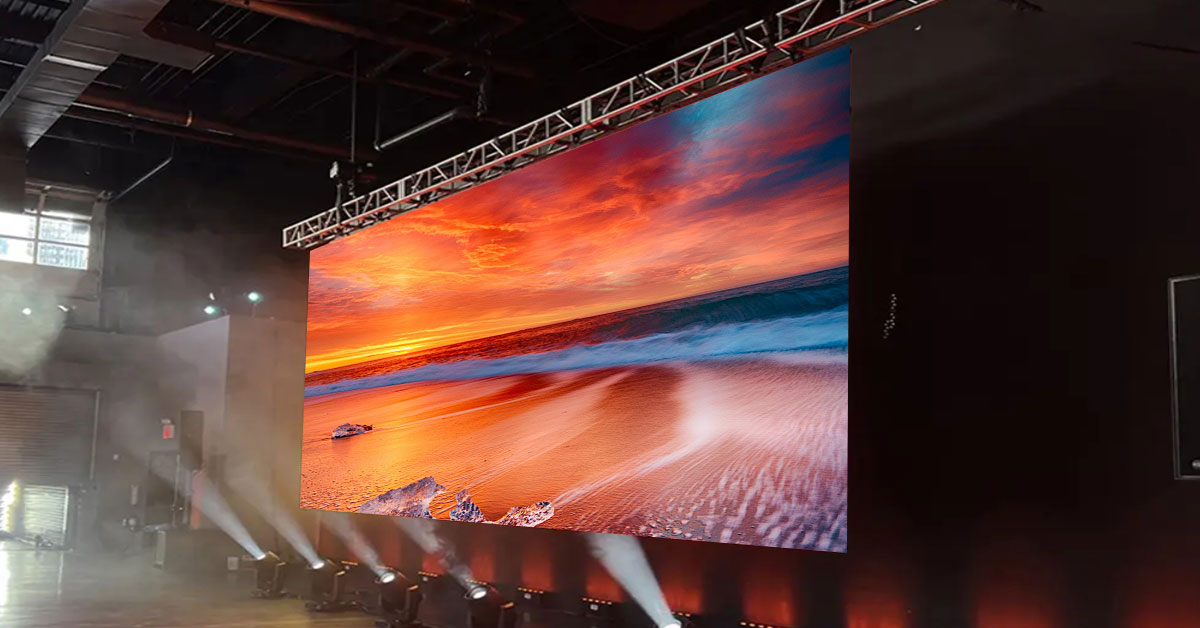
Hotels and exhibition spaces often require large visual backgrounds.
Important factors include:
Screen size flexibility
Easy installation
Stable operation during events
Large cabinet options such as 960×960mm can help improve installation efficiency for bigger projects.
Pixel pitch is one of the most important factors when selecting an indoor LED display.
For close viewing applications such as conference rooms and corporate spaces, fine pixel pitch products like P1.5 indoor LED screen can provide clearer image details.
Pixel pitch refers to the distance between two LED pixels. A smaller pixel pitch means higher pixel density and clearer images at a closer viewing distance.
TOOSEN indoor LED displays cover a wide range of pixel pitches, including:
P1.2
P1.5
P1.8
P1.9
P2
P2.5
P3
P4
P5
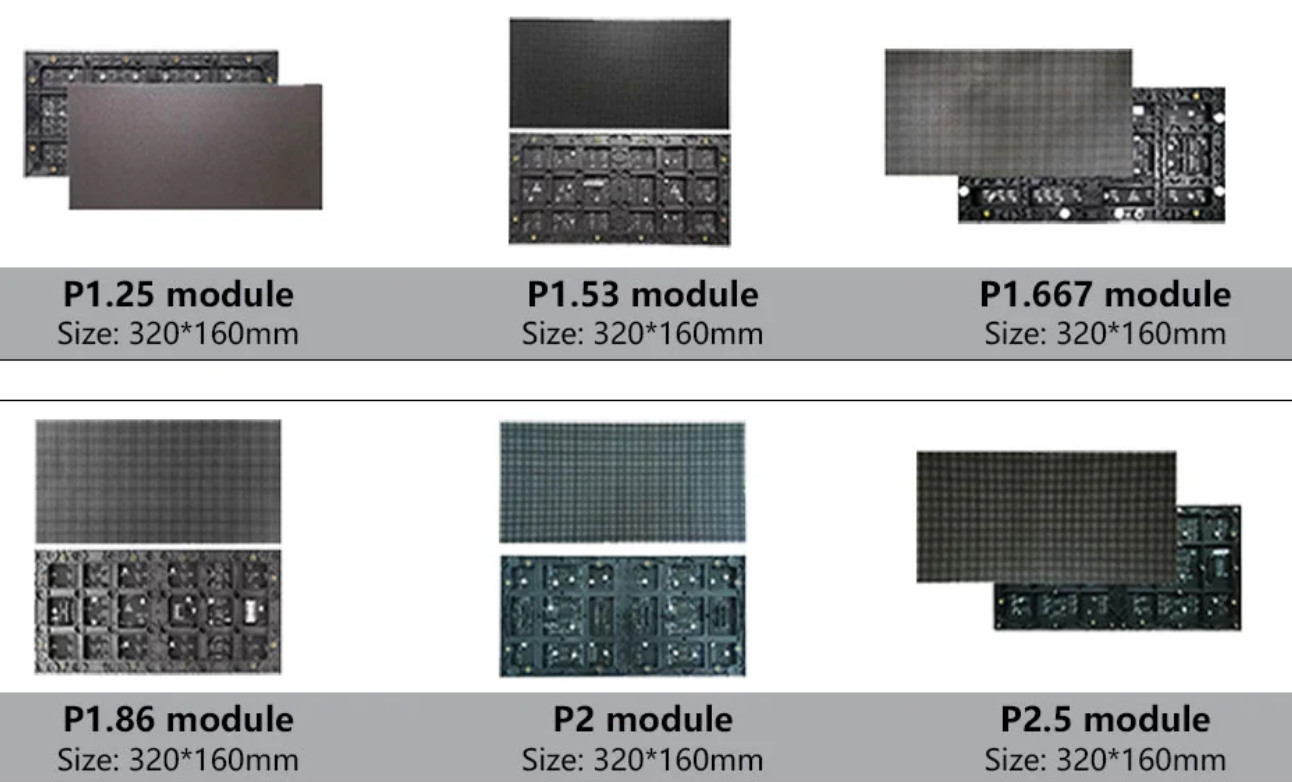
Generally:
| Pixel Pitch | Recommended Application |
|---|---|
| P1.2-P1.5 | Meeting rooms, premium corporate spaces, close viewing |
| P1.8-P2 | Conference rooms, control rooms, commercial displays |
| P2.5-P3 | Retail stores, exhibitions, medium viewing distance |
| P4-P5 | Large indoor spaces with longer viewing distance |
For medium viewing distances, a P2 indoor LED display can provide a balance between image quality and investment.Choosing a smaller pixel pitch provides better image details but usually increases investment. The right choice depends on viewing distance, application requirements, and budget.
The cabinet is the structural foundation of an LED display.
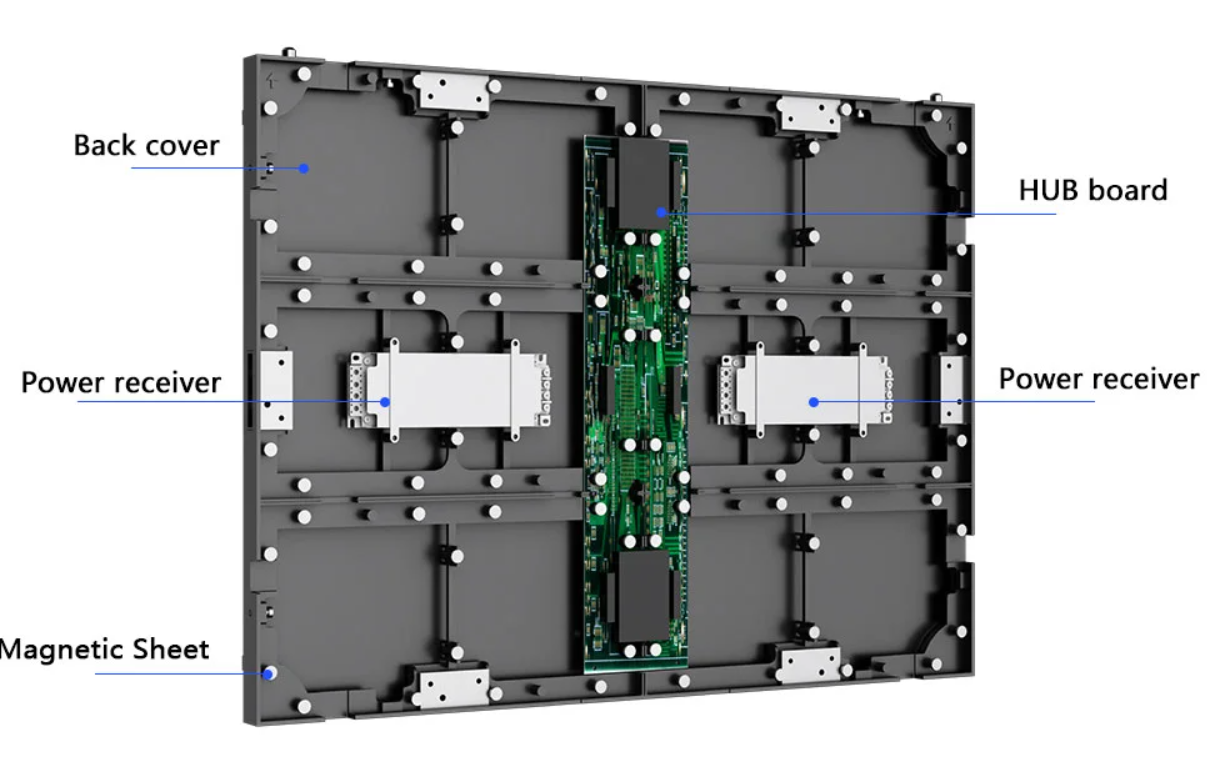
A high-quality cabinet affects:
Screen flatness
Installation accuracy
Heat dissipation
Maintenance efficiency
Indoor LED displays can use different cabinet materials depending on project requirements.
Die-casting aluminum cabinets are commonly used for high-end fixed LED installations.
Advantages include:
High structural strength
Better cabinet precision
Improved heat dissipation
Stable long-term performance
They are especially suitable for fine pixel pitch applications such as P1.2 and P1.5 LED displays.
Aluminum profile cabinets provide another flexible option.
Advantages include:
Lightweight structure
Cost efficiency
Flexible installation options
The suitable cabinet type depends on:
Screen size
Installation method
Project budget
Maintenance requirements
Maintenance is an important consideration for indoor LED screens.
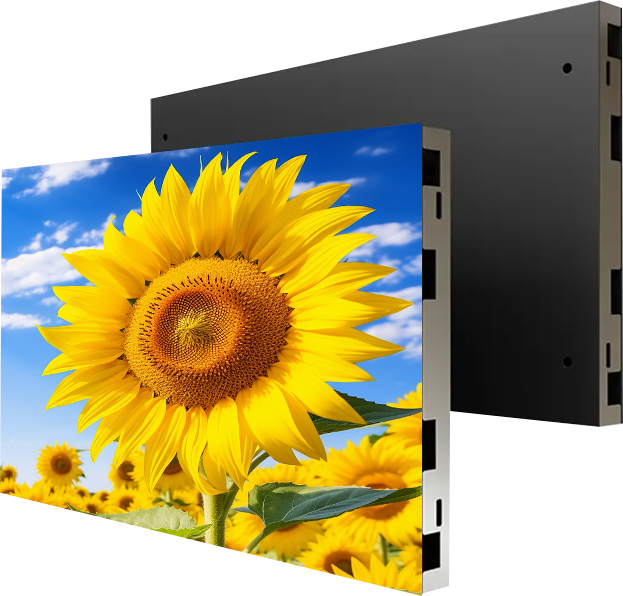
A front-service design allows technicians to access modules and components from the front side, which can:
Save installation space
Reduce maintenance difficulty
Improve service efficiency
Besides pixel pitch and cabinet design, several technical specifications affect display performance.
————
A higher refresh rate provides smoother image performance.
TOOSEN indoor LED displays support refresh rates from:
3840Hz to 7680Hz
High refresh rates are especially important for:
Professional presentations
Stage events
Camera shooting environments
Indoor LED displays usually require balanced brightness.
TOOSEN indoor LED displays provide around:
800cd/㎡ brightness
This is suitable for indoor environments such as:
Offices
Shopping malls
Exhibition halls
A wide viewing angle allows more audiences to enjoy consistent image quality from different positions.
This is important for:
Meeting rooms
Auditoriums
Public spaces
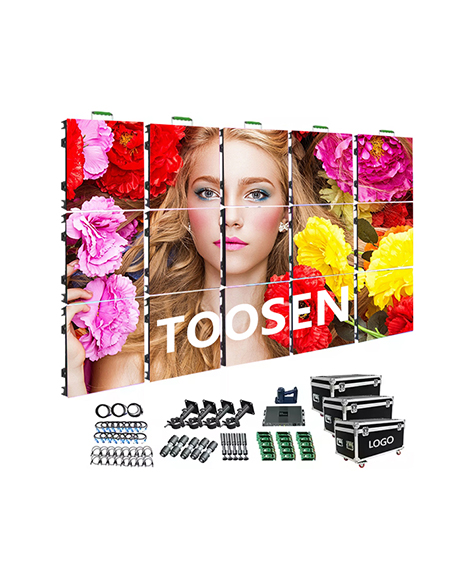
When choosing a large display system, many customers compare LED video walls with LCD video walls.
| Indoor LED Display | LCD Video Wall | |
|---|---|---|
| Screen Structure | Modular LED panels | Multiple LCD panels |
| Seamless Display | No visible bezel | Visible bezel lines |
| Size Flexibility | Customizable size | Limited by panel size |
| Maintenance | Replaceable modules | Panel-level replacement |
| Large Screen Application | Excellent | More limited |
LED displays provide:
Without visible borders between panels, LED video walls create a cleaner and more immersive image.
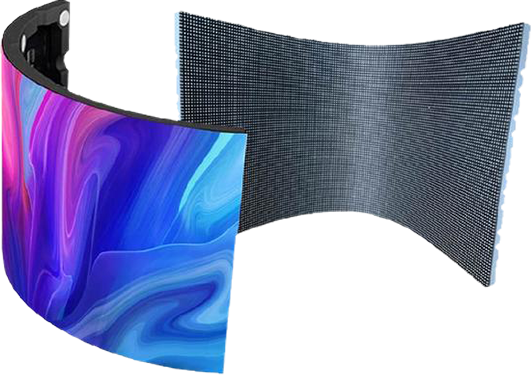
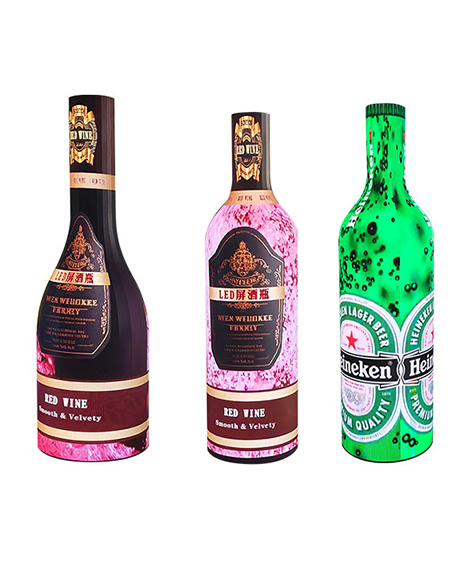
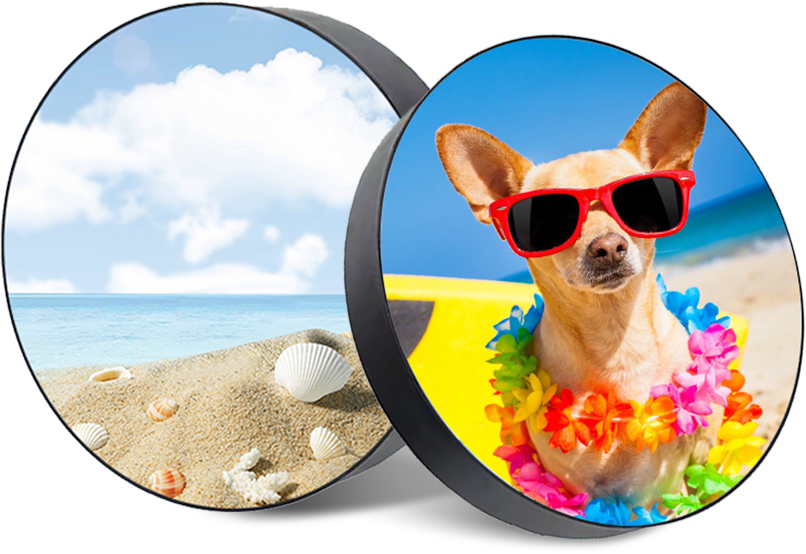
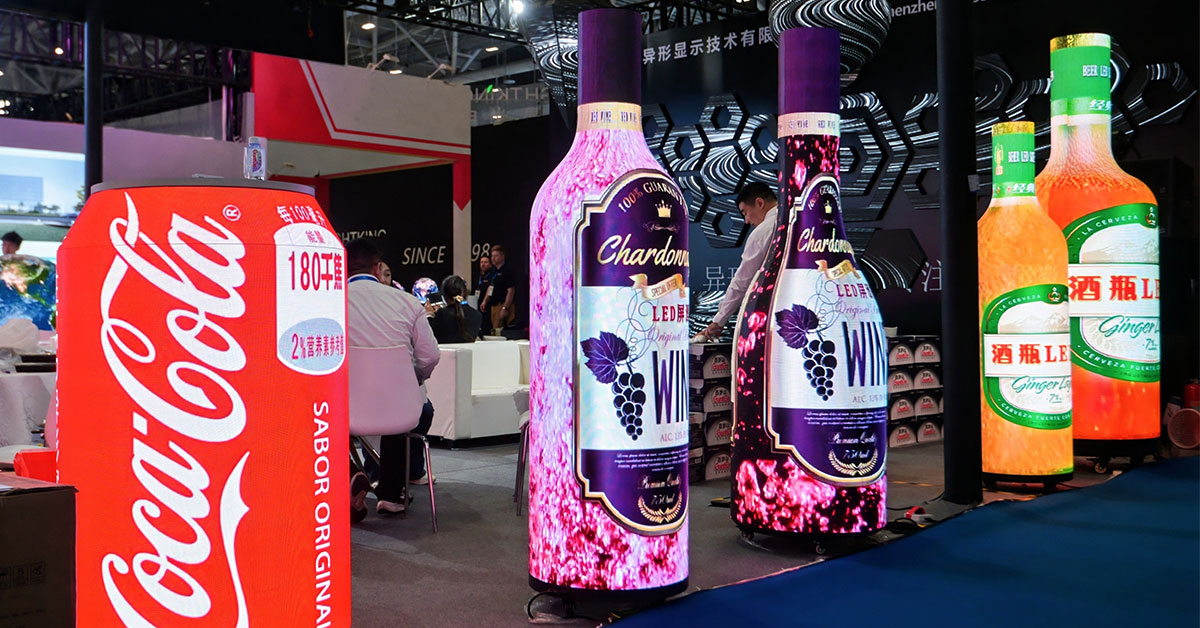
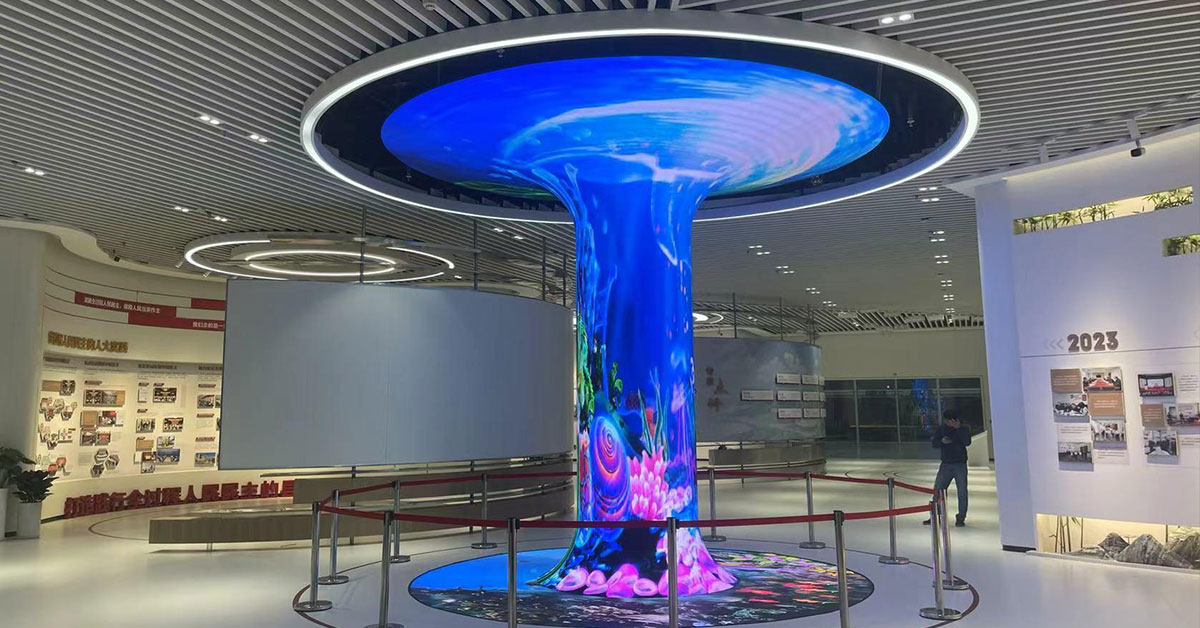
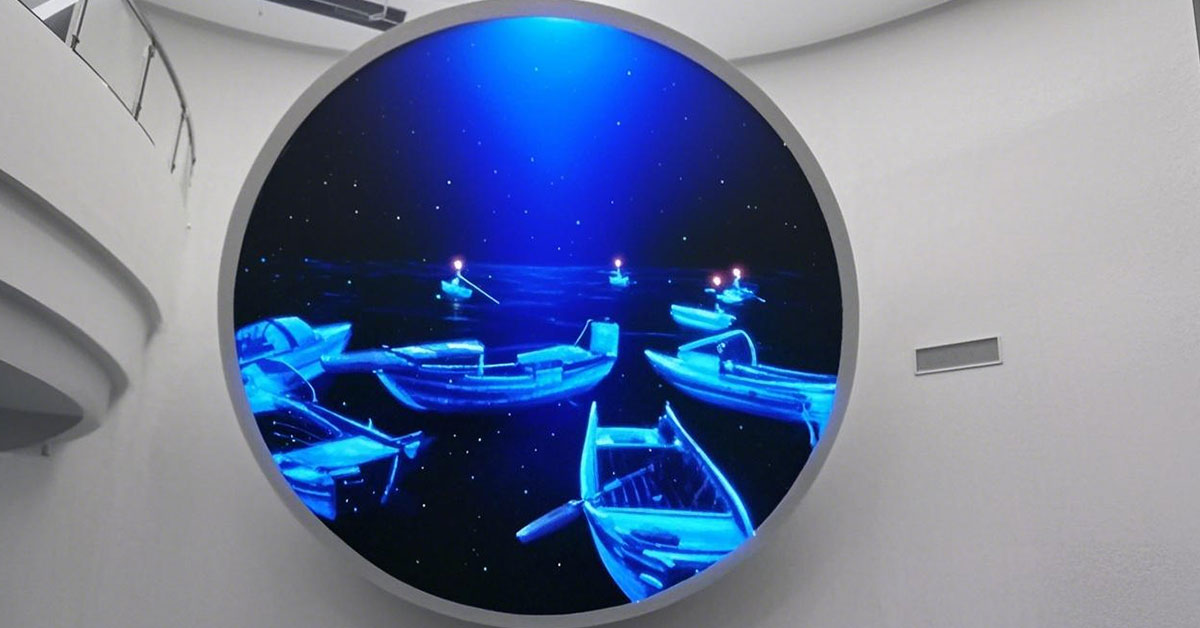
LED modules can be combined into different sizes and shapes.
This makes them suitable for:
Corporate lobbies
Exhibition halls
Creative commercial spaces
A professional control system ensures stable content playback.
Indoor LED displays normally use:
Suitable for:
Real-time video playback
Large displays
Professional applications
Suitable for:
Digital signage
Scheduled content playback
Remote management
A complete LED system may also include an LED video processor to handle:
Signal processing
Image scaling
Multiple input sources
Stable image output
For more details, you can learn more about LED video processors.
(Internal link: technical-features-of-led-video-processors)
A professional indoor LED screen should provide reliable performance after installation.
Before purchasing, consider:
Spare parts availability
Technical support
Module replacement
Remote assistance
A modular LED design helps reduce downtime because individual components can be replaced without changing the entire screen.
For overseas customers, maintenance convenience is especially important because it reduces future service costs.
The right pixel pitch depends on viewing distance and application.
For close viewing environments such as conference rooms, P1.2-P1.8 is usually preferred. For larger spaces, P2.5-P5 can provide a more cost-effective solution.
The price depends on multiple factors, including:
Pixel pitch
Screen size
Cabinet material
Control system
Installation requirements
A professional supplier should recommend the most suitable solution instead of only focusing on the lowest price.
LED displays provide advantages in seamless design, flexible size, and large-screen applications. LCD video walls may be suitable for smaller displays with limited space requirements.
The best choice depends on the project application.
Both die-casting aluminum and aluminum profile cabinets can be used.
The choice depends on:
Screen size
Installation environment
Budget
Maintenance requirements
Yes.
Indoor LED displays can be customized according to:
Screen size
Cabinet structure
Pixel pitch
Installation environment
OEM and ODM services are also available for customized projects.
Choosing an indoor LED display requires a complete understanding of your application, viewing distance, technical requirements, and future maintenance needs.
The right LED solution combines:
Suitable pixel pitch
Reliable cabinet design
Professional control system
Easy maintenance
TOOSEN provides customized indoor LED display solutions for corporate offices, commercial spaces, exhibitions, retail stores, and other indoor applications.
As an experienced OEM and ODM indoor LED display manufacturer, TOOSEN provides customized solutions for different commercial applications.
If you are planning an indoor LED display project, contact our team for a customized recommendation based on your space and requirements.
 +86 18688923792
  andy@tosled.com