
Company news


View: 518

Release time:2026-06-26
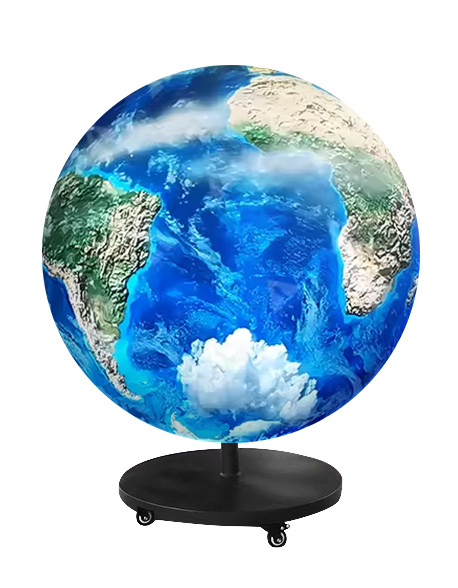
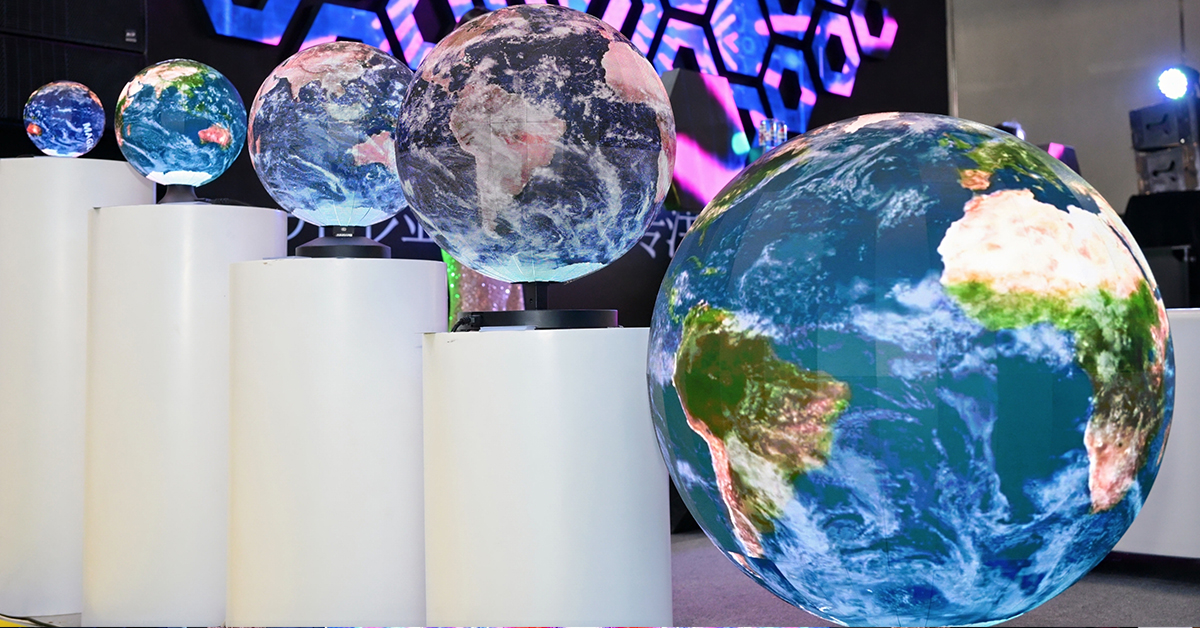
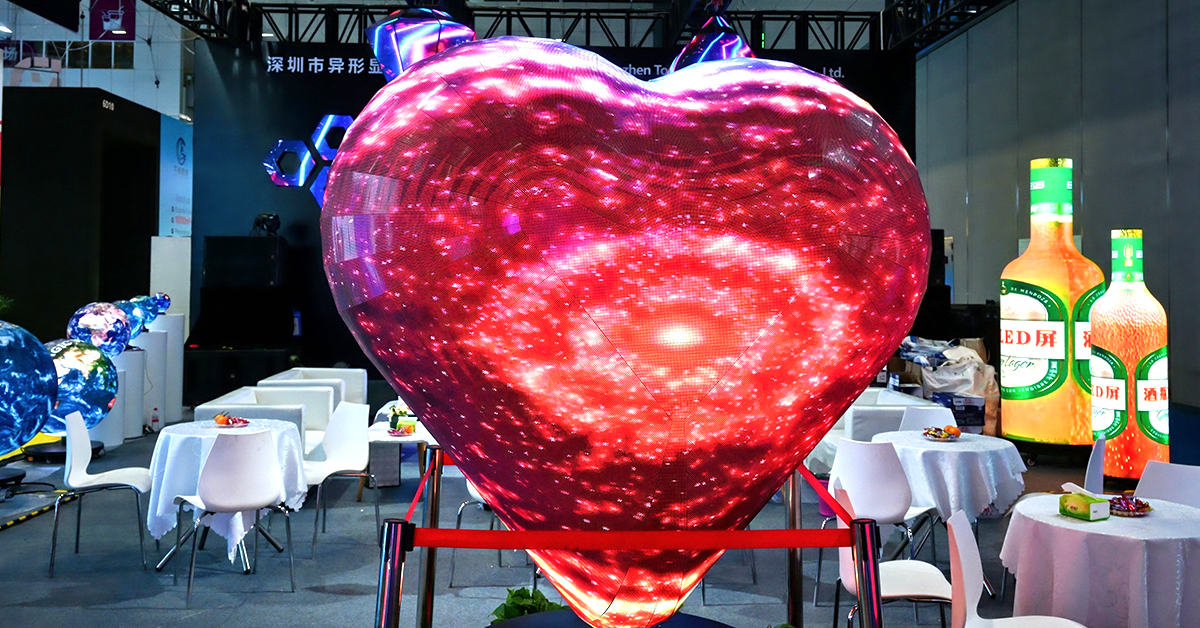
innovations in the LED display industry. From the world-famous Las Vegas Sphere to interactive displays in shopping malls, museums, airports, and theme parks, these 360-degree LED screens create immersive visual experiences that traditional flat displays simply cannot match.
But have you ever wondered what makes a spherical LED display work?
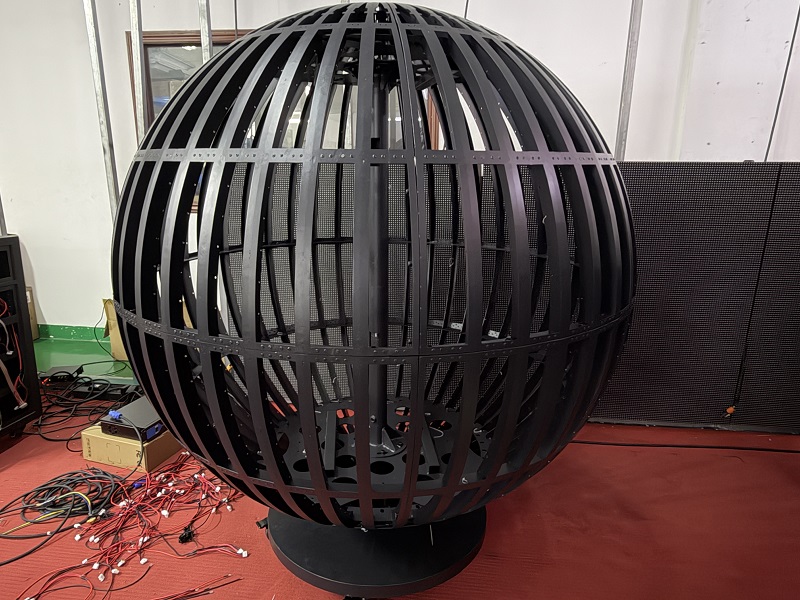
Although the exterior appears seamless, the inside contains a carefully engineered framework that supports thousands of LED modules and electronic components. In this article, we'll explore the internal structure of a spherical LED display and explain how each component contributes to its performance.
The internal frame is the foundation of every spherical LED display. It determines the screen's strength, precision, and long-term stability.
Manufacturers typically build the frame from steel or aluminum alloy, depending on the display's size, weight requirements, and installation environment.
The frame is divided into multiple latitude and longitude segments, forming a spherical grid. This structure serves several important functions:
Supports the weight of the entire display
Provides precise mounting positions for LED modules
Maintains the perfect spherical shape
Distributes structural stress evenly across the sphere
Simplifies installation and maintenance
For larger spheres, engineers often design the frame as modular sections. This approach makes transportation, on-site assembly, and future servicing much easier.
The outer surface of the sphere is covered with specially designed LED modules.
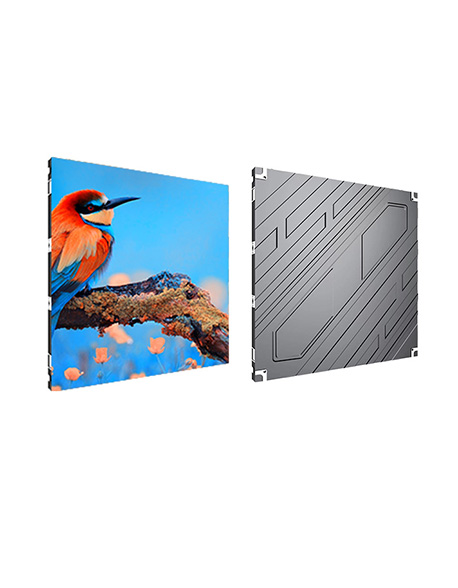
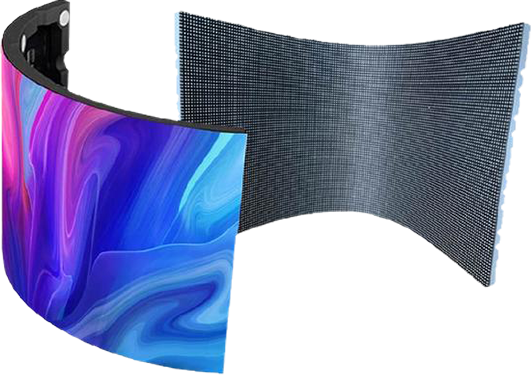
Unlike conventional rectangular LED panels, spherical displays usually use custom-shaped trapezoidal or flexible LED modules. These modules fit together precisely to minimize gaps and create a smooth spherical surface.
Each module contains:
High-quality LED lamps
Driver ICs
PCB circuit board
Signal and power connectors
Protective housing
The number of modules depends on the sphere's diameter and pixel pitch. Higher-resolution displays require more modules, allowing them to produce sharper images and smoother video playback.
Inside the sphere, several electronic systems work together to ensure stable and reliable operation.
Power Supply Modules
Power supplies convert incoming AC power into the DC voltage required by the LED modules.
To improve reliability, large spherical LED displays often use multiple power supplies with balanced load distribution. If one power unit requires maintenance, the remaining units can continue supporting the display.
Receiving Cards
Receiving cards receive image data from the LED controller and distribute it to each LED module.
They synchronize every section of the sphere so that videos, animations, and graphics appear continuous without visible tearing or delays.
Signal and Power Cables
A network of cables connects every module to the receiving cards and power supplies.
Engineers carefully organize the internal wiring to:
Reduce signal interference
Improve heat dissipation
Simplify maintenance
Increase long-term reliability
Mounting Plates and Control Components
Power supplies, receiving cards, and other electronic devices are installed on dedicated mounting plates inside the sphere.
This organized layout protects sensitive components while making inspections and repairs faster and more efficient.
Outdoor spherical LED displays face much harsher environmental conditions than indoor installations.
To ensure reliable operation, manufacturers add several protective measures, including:
Waterproof power supply enclosures
Weather-resistant cable connectors
Anti-corrosion structural materials
Enhanced sealing against rain and dust
Improved ventilation and thermal management
Many outdoor models achieve an IP65 or higher protection rating, allowing them to operate safely in rain, sunlight, wind, and varying temperatures.
LED displays generate heat during continuous operation. Without effective cooling, excessive temperatures can shorten component lifespan and reduce display performance.
Depending on the screen size, manufacturers may use:
Natural airflow
Ventilation channels
Cooling fans
Intelligenttemperature monitoring systems
Proper thermal management helps maintain consistent brightness, color accuracy, and overall system reliability.
The performance of a spherical LED display depends on far more than its exterior appearance. A well-designed internal structure provides several key benefits:
Exceptional structural stability
Accurate spherical geometry
Uniform image quality
Reliable long-term operation
Easier installation and maintenance
Better resistance to outdoor environments
Whether the display is installed in a shopping mall, science museum, exhibition center, or public landmark, its internal engineering directly affects its durability, safety, and visual performance.
A spherical LED display is much more than a collection of LED modules assembled into a ball. Its carefully engineered steel or aluminum frame, custom LED modules, power distribution system, receiving cards, internal wiring, and cooling solutions all work together to deliver seamless 360-degree visual experiences.
As demand for immersive digital displays continues to grow, advances in structural engineering and electronic integration are making spherical LED displays more reliable, easier to maintain, and capable of supporting increasingly creative applications. Choosing a display with a robust internal structure is essential for achieving outstanding image quality and long-term operational stability.
Unlike flat LED screens, spherical LED displays require 360-degree image mapping and synchronized signal distribution across a curved surface. Multiple receiving cards and controllers work together to ensure smooth playback, accurate color reproduction, and consistent image quality from every viewing angle.
Large outdoor spherical LED displays generally use steel space frames, rigid custom LED modules, distributed power systems, and industrial cooling equipment. Smaller indoor models typically feature die-cast aluminum frames, flexible LED modules, simpler control systems, and natural or fan-assisted cooling, making them lighter, easier to install, and more cost-effective.
 +86 18688923792
  andy@tosled.com