
Industry news


View: 7

Release time:2026-11-20
The 2026 APEC Leaders' Meeting Week was held in Shenzhen from November 13 to 19, with the 33rd APEC Economic Leaders' Meeting taking place on November 18–19. During this period, LED displays played an important role in conference venues, transportation hubs, commercial districts and public spaces.
From Shenzhen Bao'an International Airport and railway stations to exhibition halls and shopping centers, display systems helped deliver event information, welcome international visitors and present the city's image.
Several LED manufacturers publicly reported their involvement in related display projects. For example, Leyard provided more than 1,000 square meters of customized visual solutions for the leaders' welcome banquet. Unilumin supplied LED display solutions for conference venues, media centers and transportation hubs. Ledman also introduced flexible LED screens connected with floor and ceiling displays in a digital exhibition environment.
These projects show how LED display applications are becoming more diverse. For buyers considering flexible LED display procurement, selecting the right pixel pitch, brightness and cabinet protection is essential for achieving reliable performance in different environments.
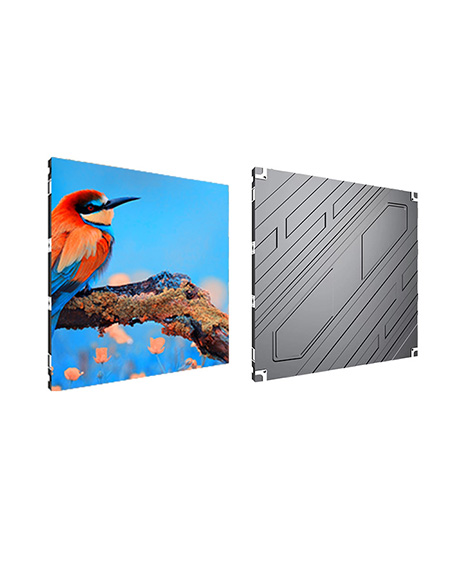
Pixel pitch refers to the distance between the centers of two neighboring LED pixels. It directly affects image resolution, pixel density and viewing quality.
A smaller pixel pitch generally provides more image detail at shorter viewing distances, but it also increases the purchasing cost.
Before selecting a flexible LED display, buyers should consider three factors:
Viewing distance: Close-viewing applications, such as retail displays and exhibition walls, usually require finer pixel pitch.
Screen dimensions: Larger screens viewed from a distance may not need extremely fine pixel spacing.
Content requirements: Text, product images and detailed videos require higher resolution than simple advertising graphics.
For example, P1.5, P1.8 and P2.5 flexible LED displays are common options for indoor commercial environments. P3, P4 and P5 models may be suitable for larger installations with longer viewing distances.
The final selection should be based on actual viewing conditions rather than choosing the smallest available pixel pitch.
Brightness determines how clearly an LED display can be viewed under different lighting conditions.
During APEC Shenzhen 2026, LED displays were deployed across indoor conference venues, airports, railway stations and outdoor commercial areas. Each environment required different brightness configurations.
For indoor applications, such as exhibition halls and conference rooms, moderate brightness helps maintain comfortable viewing conditions.
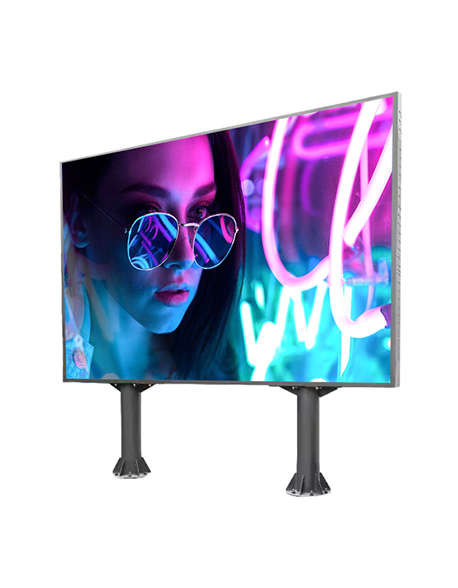
Outdoor installations face stronger ambient light and sometimes direct sunlight. Higher brightness is therefore necessary to maintain image visibility.
When comparing flexible LED display suppliers, buyers should check:
Rated brightness in nits or cd/㎡.
Brightness uniformity between modules.
Grayscale performance at different brightness levels.
Automatic brightness adjustment.
Long-term brightness stability.
The highest brightness is not always the best choice. Buyers should match the specification to the installation environment and content requirements.
Cabinet protection directly affects the service life and operating stability of an LED display.
For outdoor projects, displays may face rain, dust, humidity and temperature changes. In transportation hubs and public spaces, equipment may also need to operate continuously for extended periods.
Several details should be checked before purchasing:
IP Protection Rating: Confirm the actual IP rating of the complete cabinet, including connectors and cable entry points. Module protection alone does not guarantee that the entire display is waterproof.
Sealing Design: Check waterproof rubber rings, protective covers and sealed electrical connections.
Heat Dissipation: A suitable thermal design helps prevent excessive heat during continuous operation.
Structural Protection: Cabinet materials and mounting structures should provide sufficient mechanical strength for the installation environment.
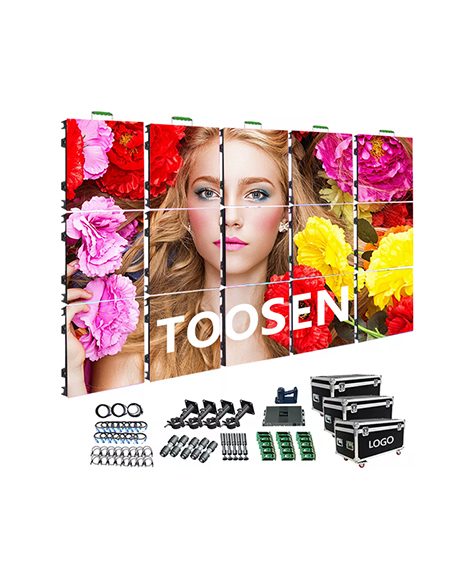
For TOOSEN flexible LED display solutions, indoor and outdoor configurations can be selected according to project requirements. Typical protection configurations include IP45 for indoor applications and IP65 for outdoor applications, subject to the selected product specification.
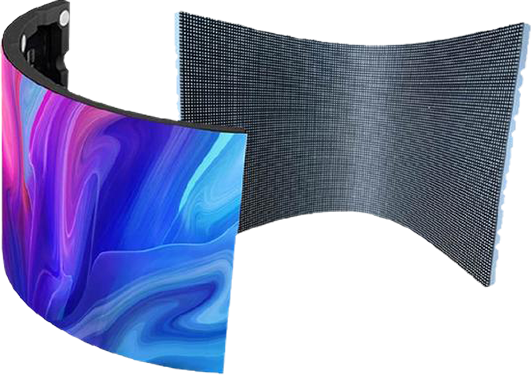
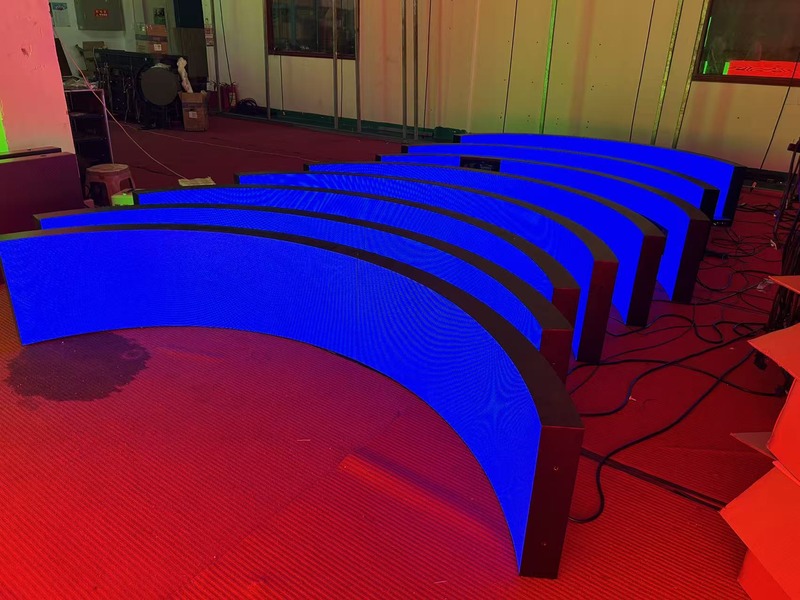
One important difference between flexible LED displays and traditional flat LED screens is their ability to follow curved surfaces.
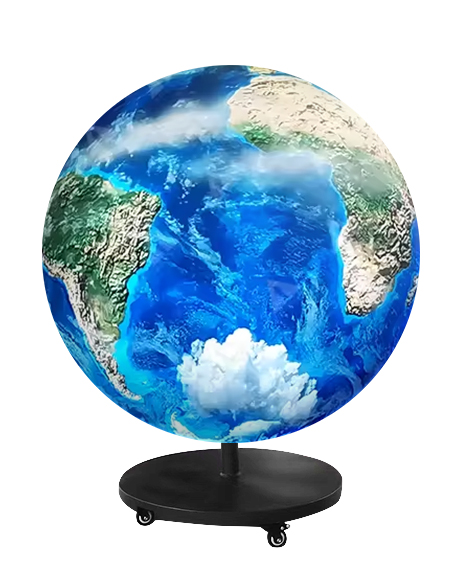
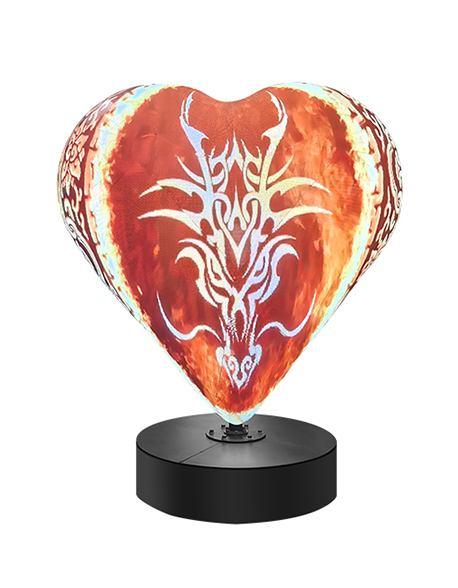
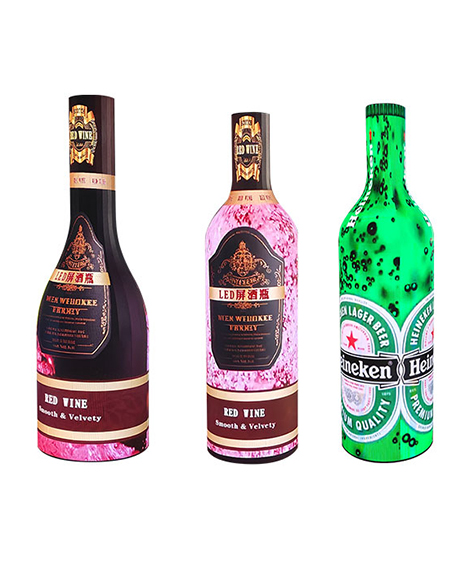
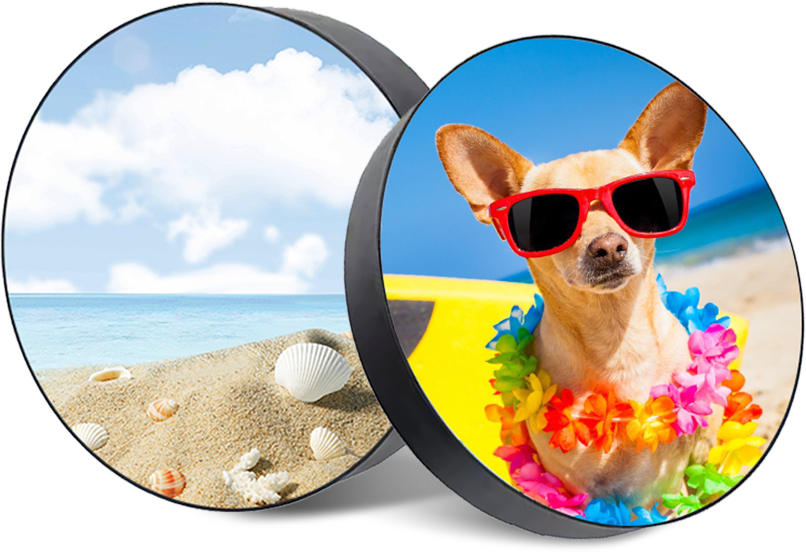
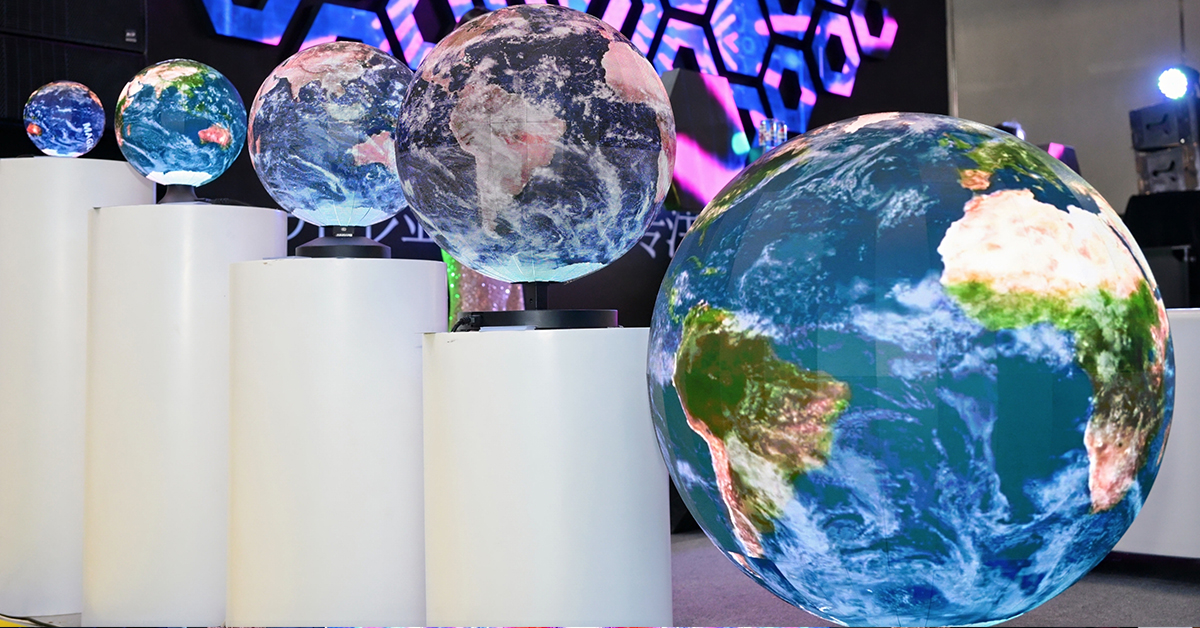
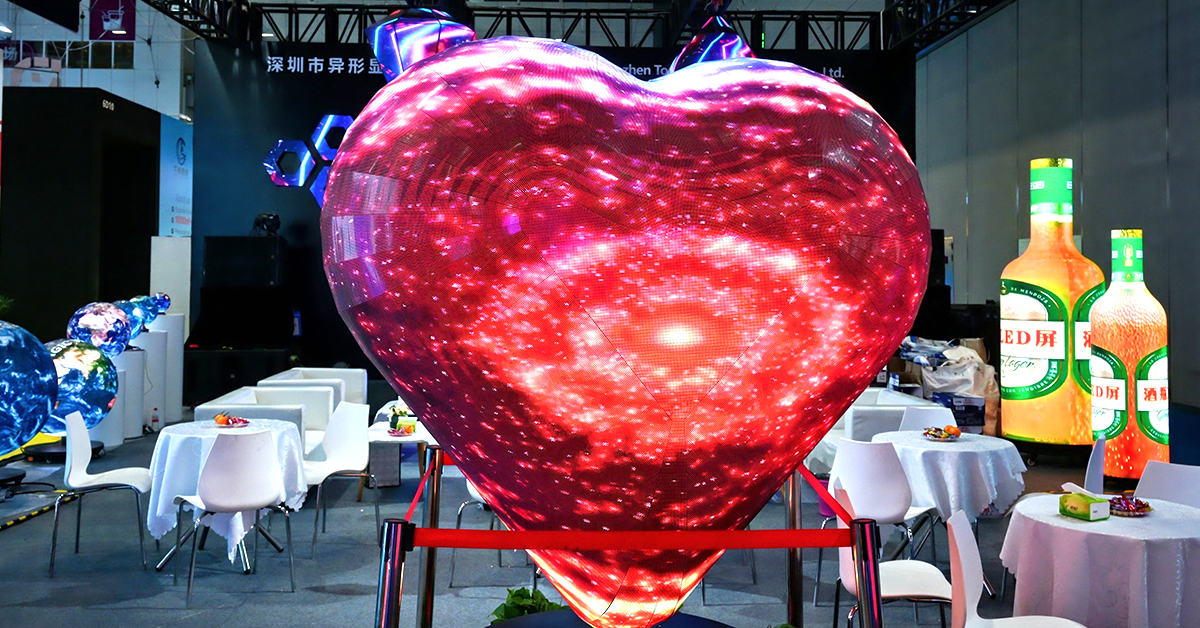
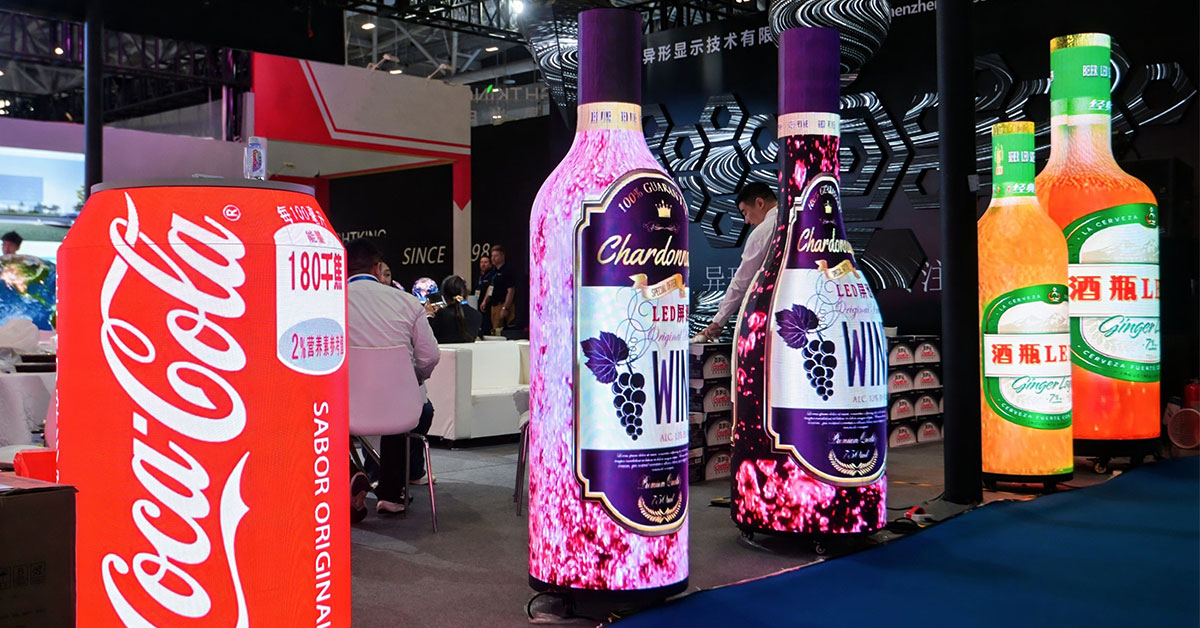
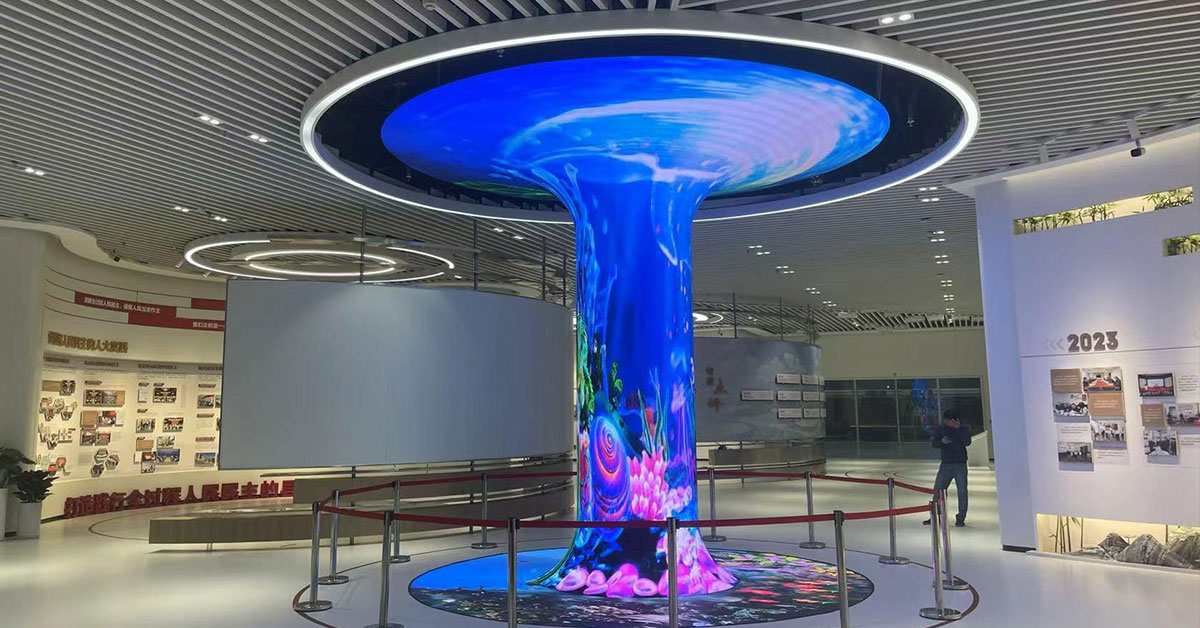
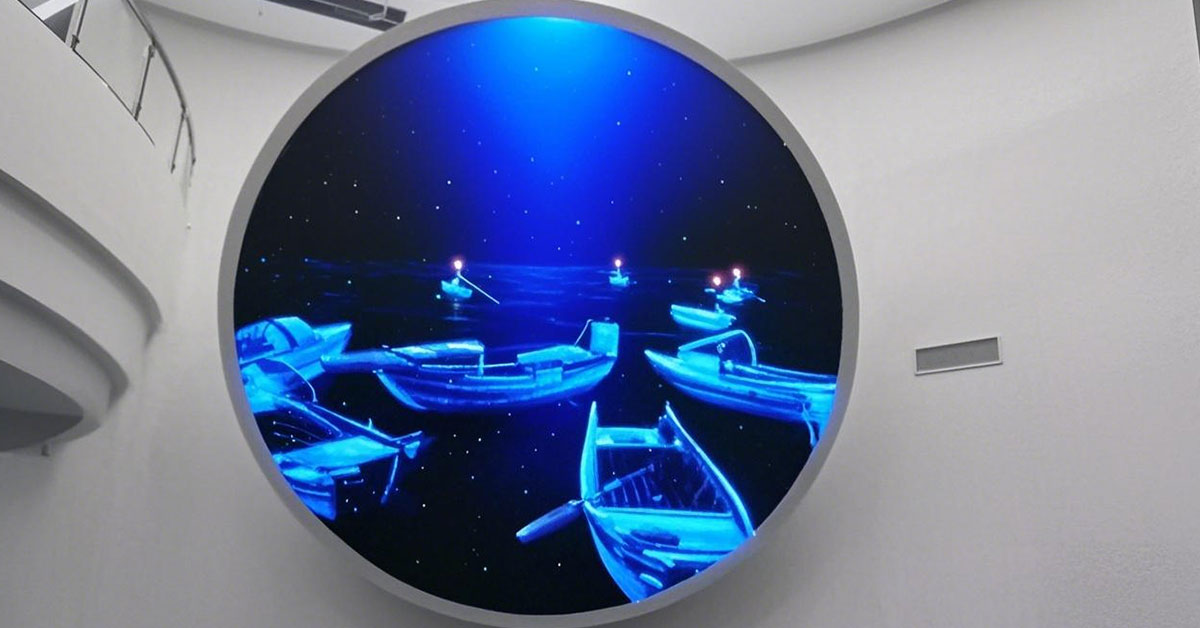
Flexible modules can be used to create cylindrical screens, curved walls, circular displays and other customized structures.
However, flexibility has mechanical limits. Every module has a minimum bending radius. Excessive bending may damage the PCB, LED components or electrical connections.
Before ordering, buyers should provide:
Screen dimensions and installation drawings.
Concave or convex bending requirements.
Required bending radius.
Supporting structure dimensions.
Front or rear maintenance requirements.
The supplier should confirm whether the selected module can achieve the required shape without creating excessive mechanical stress.
The mounting structure is equally important because it helps maintain screen alignment and consistent visual performance.
A product specification sheet cannot fully demonstrate actual display performance. Buyers should request sample testing or a demonstration before confirming large orders.
Important inspection items include:
| Test Item | What to Check |
|---|---|
| Pixel Pitch | Image detail and resolution |
| Brightness | Output and module consistency |
| Color Uniformity | Differences between modules |
| Refresh Rate | Smooth image performance |
| Bending Test | Stability at the required radius |
| Cabinet Protection | Sealing and waterproof performance |
| Continuous Operation | Heat and display stability |
For projects involving outdoor installations, additional waterproof and environmental tests should be arranged according to the agreed specifications.
A complete inspection process helps identify potential problems before installation and reduces unnecessary maintenance costs.
The APEC Shenzhen projects demonstrate how different LED technologies can work together in modern commercial and public environments.
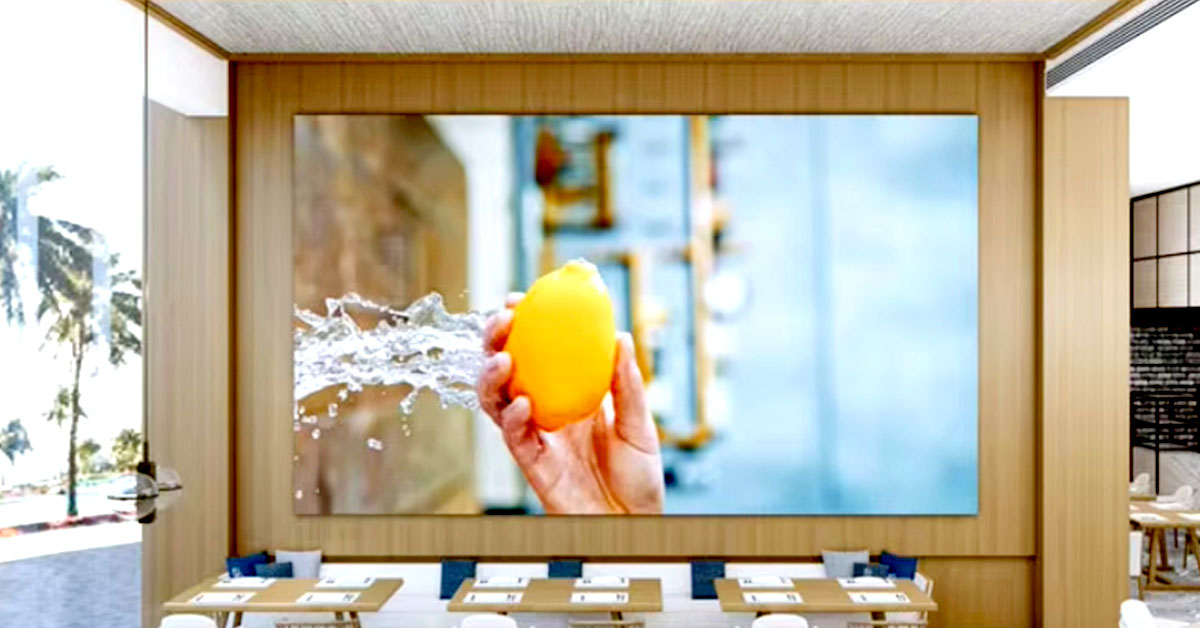
In exhibition spaces, flexible screens can be combined with floor and ceiling displays to create immersive digital presentations. In shopping malls, curved LED displays can wrap around columns or architectural structures to attract visitors.
At transportation hubs, transparent and conventional LED displays can deliver public information while maintaining the overall architectural design.
These applications also show why procurement requirements cannot be identical for every project.
An indoor exhibition installation may prioritize fine pixel pitch, color consistency and flexible structural design. An outdoor advertising project requires higher brightness, stronger protection and reliable long-term operation.
TOOSEN provides flexible LED display solutions with different pixel pitches, customized module dimensions and indoor and outdoor configurations. Buyers can select suitable products according to their project drawings, viewing distance and installation conditions.
Choosing an experienced manufacturer helps reduce technical risks during procurement and installation.
TOOSEN focuses on LED display manufacturing and customized display solutions, supporting projects involving curved screens, cylindrical displays and other creative structures.
From pixel pitch selection and module configuration to cabinet protection and installation planning, TOOSEN can help buyers evaluate the technical requirements of different applications.
With international sales experience, overseas offices and service resources, TOOSEN provides support for customers in different markets.
For buyers planning a flexible LED display project, sharing installation drawings, screen dimensions and environmental requirements in advance is a practical way to obtain a more accurate proposal.
Visit https://www.toosen.com/ to explore available products and discuss your project requirements.
Q1: What pixel pitch is best for a flexible LED display?
It depends on viewing distance, screen dimensions and content requirements. P1.5, P1.8 and P2.5 are common options for close-viewing indoor applications.
Q2: How bright should a flexible LED display be?
Indoor displays generally require moderate brightness, while outdoor screens need higher brightness to remain visible under sunlight. The final configuration should match the installation environment.
Q3: Is IP65 protection suitable for outdoor flexible LED displays?
IP65 provides protection against dust and water jets under specified test conditions. Buyers should confirm that the complete cabinet meets the required protection level.
Q4: Can flexible LED displays be installed on cylindrical surfaces?
Yes. Flexible LED modules can be assembled into cylindrical and curved structures. However, the minimum bending radius and mounting design must be confirmed before production.
Q5: What should I prepare before requesting a flexible LED display quotation?
Prepare the required screen size, pixel pitch, viewing distance, installation environment, brightness requirements, bending radius and project drawings. These details help manufacturers recommend a suitable configuration.
Q6: Why is continuous operation testing important for flexible LED displays?
Projects in airports, commercial centers and major event venues may require long operating hours. Continuous operation testing helps identify potential issues related to heat, connections and image stability before delivery.
 +86 18688923792
 andy@tosled.com