

Company news


View: 23

Release time:2026-10-12
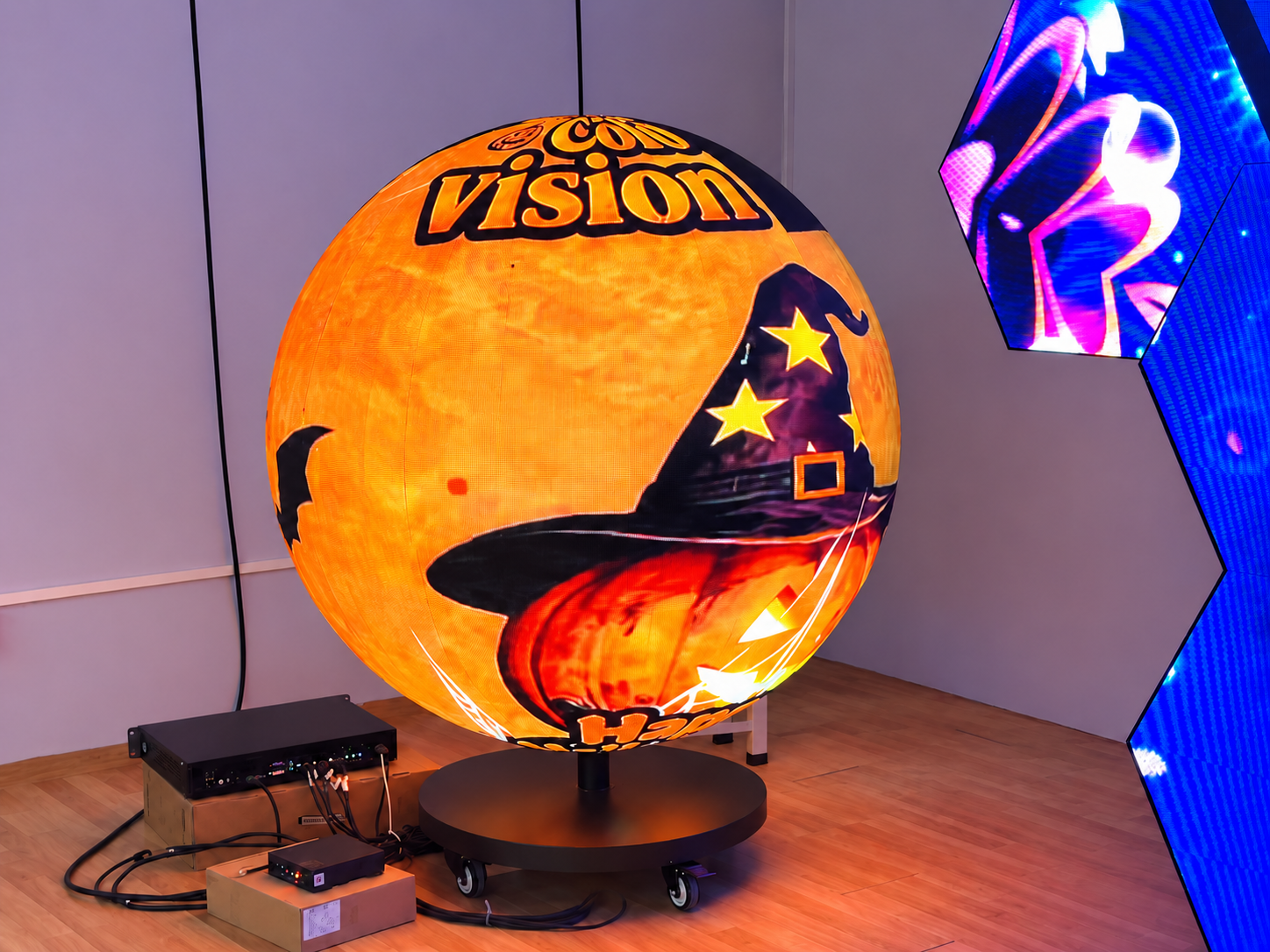
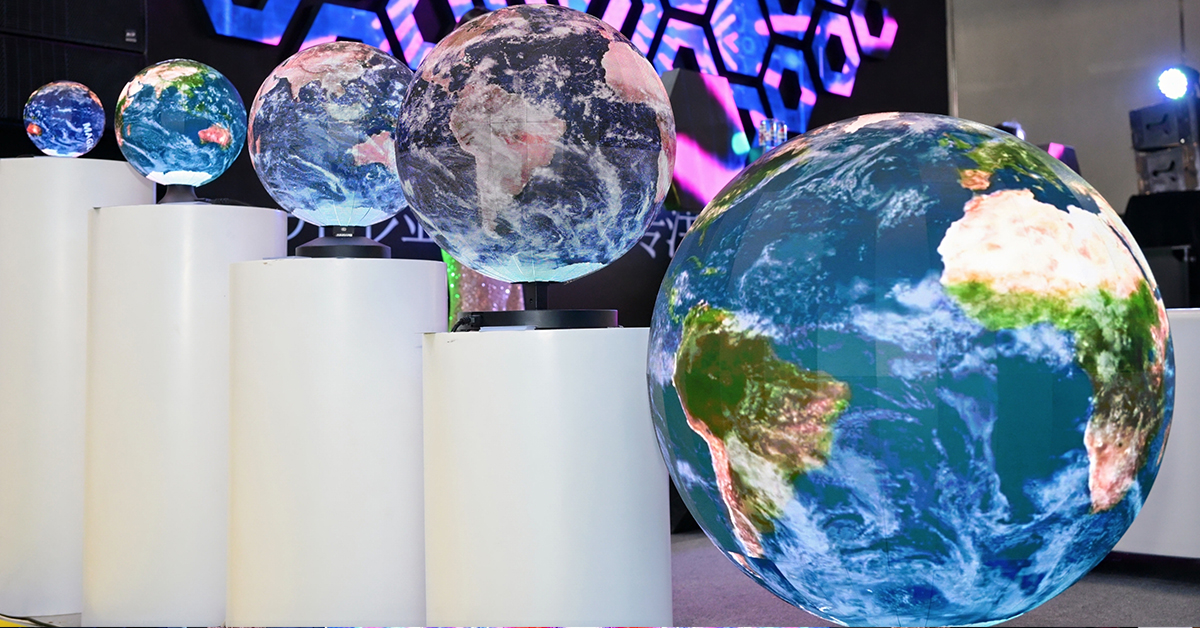
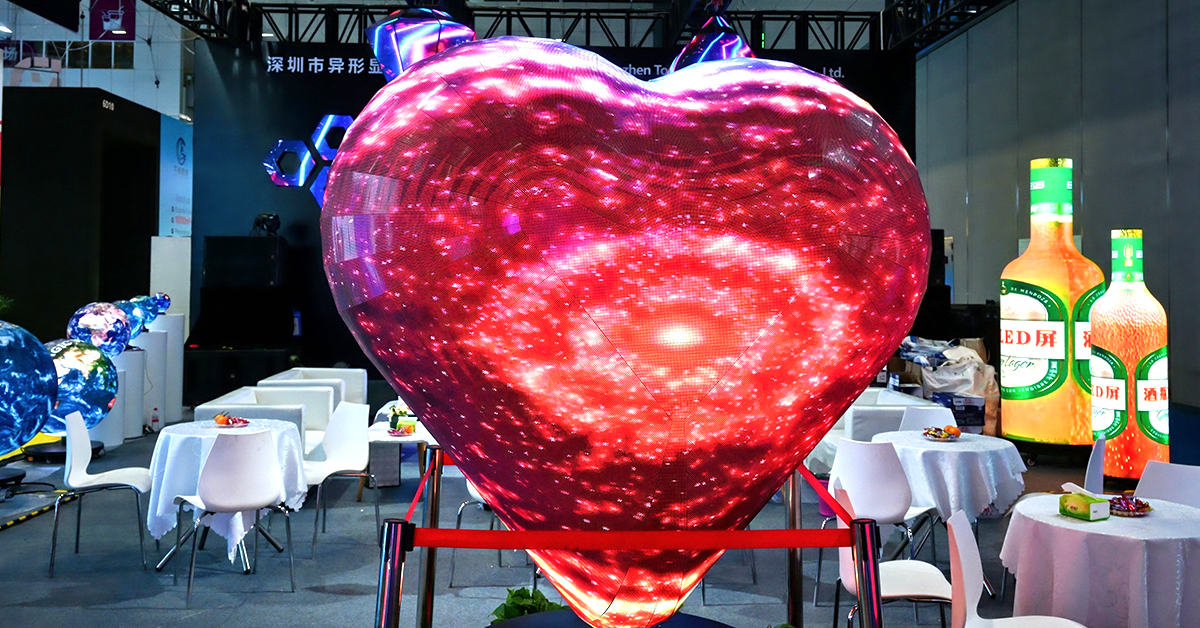
An LED ball display can make a strong impression in a shopping mall, museum, or exhibition hall. Its round shape allows people to view images from different directions. However, a beautiful spherical design does not always mean accurate colors.
Sometimes, a red logo looks orange. A product image appears too bright, or a video looks different from the original file. These problems may be related to the LED ball display color gamut.
Three common color standards are sRGB, Rec.709, and DCI-P3. Understanding their differences can help you choose the right display without paying for features you do not need.
Color gamut means the range of colors a screen can reproduce.
A wider color gamut allows a display to produce more saturated colors. However, a wider gamut does not automatically mean better image quality.
For example, a retail store may use a spherical LED display to show its brand logo. If the original logo uses sRGB colors but the screen displays them incorrectly, the logo may look unnatural.
This becomes more important when the LED sphere display is used for:
Brand advertising and product promotions
Museums and science exhibitions
Entertainment and creative video content
Corporate events and indoor installations
Poor color reproduction can reduce the visual quality of these projects. For businesses with strict brand guidelines, even small color differences can matter.
These three standards are designed for different types of visual content.
| Color Standard | Main Use | Best Application |
|---|---|---|
| sRGB | Digital images and web graphics | Retail advertising and logos |
| Rec.709 | Standard HD video | Events and video playback |
| DCI-P3 | Digital cinema and wider-gamut content | Premium visual installations |
sRGB is widely used for digital photographs, graphics, and online content.
If your LED ball display mainly shows logos, product pictures, text, and standard advertising materials, sRGB is usually a suitable target.
For example, a clothing store may use a spherical LED screen to display seasonal promotions. Accurate sRGB reproduction helps keep product colors and brand graphics consistent.
In this situation, good calibration is often more important than having the widest possible color gamut.
Rec.709 is a common standard for HD television and standard dynamic range video production.
It uses the same color primaries as sRGB, but its video transfer characteristics and viewing conditions differ.
If your spherical LED display frequently plays HD promotional videos, corporate presentations, or event footage, Rec.709 is an important reference.
The display system should reproduce the video correctly instead of adding unnecessary color saturation.
DCI-P3 supports a wider range of colors than sRGB and Rec.709, especially in red and green areas.
It is commonly associated with digital cinema and professional visual production.
For an LED ball display showing specially produced wide-gamut animations or immersive content, DCI-P3 coverage can be valuable.
However, the content, LED hardware, and control system must work together. A wide-gamut screen cannot create accurate P3 colors if the source material or processing system is not configured correctly.
Color differences do not always come from the color gamut itself.
Several factors can affect the final image.
LED chip characteristics: Red, green, and blue LEDs have different color properties. Their performance affects the colors the display can reproduce.
Brightness settings: Excessive brightness can make images uncomfortable to view and reduce perceived color detail.
Calibration: Without proper adjustment, different modules may show slightly different colors.
Viewing angle: People observe an LED sphere from many directions. Color consistency across different angles is especially important.
Content settings: Incorrect color-space conversion can make images appear oversaturated or dull.
These factors explain why two LED displays with similar specifications may produce noticeably different results.
Before purchasing an LED ball display, consider the content you plan to show.
For standard retail advertising, focus on accurate sRGB reproduction.
For HD video presentations, make sure the display and playback system handle Rec.709 correctly.
For premium exhibitions using wide-gamut content, ask whether the display can reproduce the required DCI-P3 colors.
Do not choose a screen based only on a high color-gamut percentage.
Instead, ask the supplier about color accuracy, calibration, LED quality, and video processing.
The right display should match your actual content requirements.
Testing is an important step before final installation.
Start by displaying familiar reference images, including skin tones, brand colors, and natural scenes.
Next, check whether colors remain consistent across the spherical surface.
Professional testing can use a colorimeter or spectroradiometer to measure color performance.
Important checks include:
Color gamut coverage for the selected standard
Color accuracy, often measured using Delta E
White balance and brightness uniformity
Color consistency at different viewing angles
A test report should identify the measurement conditions and target color space.
This is more useful than relying only on promotional specifications.
Different installation environments require different spherical LED screen designs.
TOOSEN provides indoor and outdoor spherical LED display solutions for advertising, exhibitions, shopping malls, and entertainment venues.
Its product range includes multiple pixel pitch options, customizable sphere diameters, and synchronous or asynchronous control systems.
Indoor installations may require finer pixel pitch for close viewing, while outdoor projects often need higher brightness and weather protection.
These structural and technical choices affect the overall viewing experience.
For projects with specific color requirements, buyers should confirm the supported gamut, calibration options, and measured color performance before ordering.
No. DCI-P3 is useful when the content requires a wider color gamut. Standard advertising may look excellent with properly calibrated sRGB.
They use the same color primaries, but their transfer characteristics and typical viewing conditions are different.
Not directly. Pixel pitch mainly affects image detail and viewing distance. LED components, calibration, and processing have a greater influence on color performance.
Choosing the right LED ball display color gamut depends on how the screen will be used.
sRGB works well for everyday graphics, Rec.709 is important for standard HD video, and DCI-P3 becomes valuable for suitable wide-gamut content.
For the best results, consider color accuracy, calibration, viewing conditions, and hardware quality together.
If you are planning a spherical LED display project, visit TOOSEN to explore available designs and discuss your installation and color requirements.
 +86 18688923792
  andy@tosled.com