
Company news


View: 12

Release time:2026-10-23
Traditional posters are easy to use, but they have one major limitation: once printed, their content cannot be changed without additional time and cost. For retailers running frequent promotions, launching new products, or updating seasonal campaigns, this can become a problem.
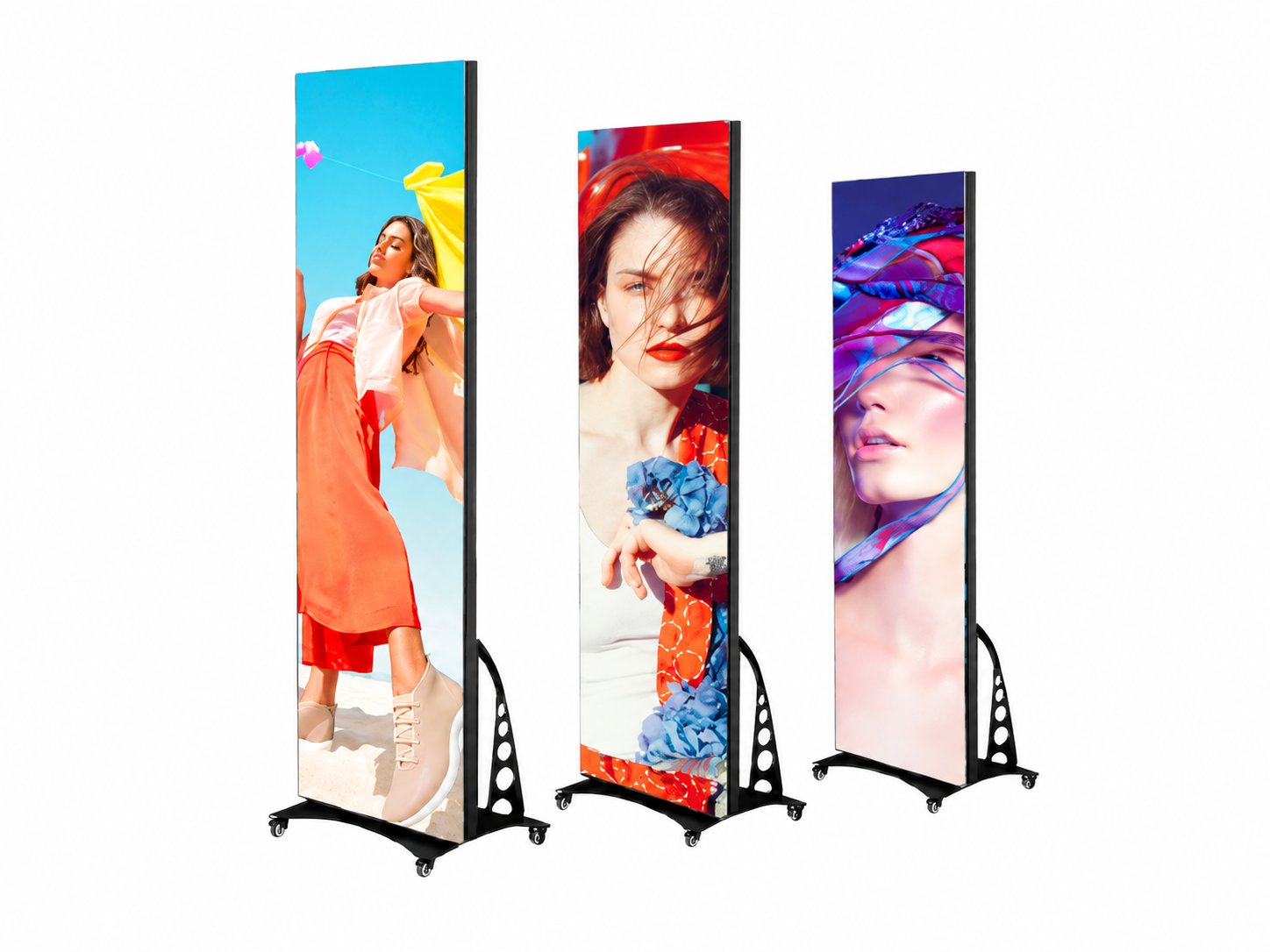
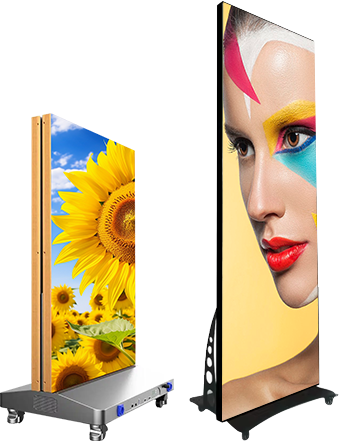
An LED poster display offers a more flexible option. It combines the familiar vertical format of a printed poster with bright images, videos, and changeable digital content. Retailers can update promotions quickly and keep their displays relevant without replacing printed materials.
However, choosing the wrong model may lead to unnecessary costs, poor image quality, or a screen that does not fit the store environment. Understanding the main specifications before buying is the first step toward a better investment.
Three factors have the greatest impact on your choice: viewing distance, ambient light, and installation space.
If customers stand close to the screen, small text and product details need to look sharp. A screen with a finer pixel pitch is usually a better choice. If people view the display from several meters away, a larger pixel pitch may provide sufficient clarity at a lower cost.
Brightness is equally important. A screen inside a shopping mall has different requirements from one placed in a storefront exposed to strong daylight. Choosing the wrong brightness level can make content difficult to see or unnecessarily increase energy use.
Finally, consider how often the display will be moved. A permanent installation and a screen used for pop-up stores or exhibitions require different designs.
Pixel pitch is the distance between adjacent LED pixels, measured in millimeters. A smaller number generally means higher pixel density and better detail at close viewing distances.
Common LED poster display models include:
P1.25–P1.86: Suitable for close-viewing environments, premium retail displays, and detailed product advertising.
P2–P2.5: A practical choice for many retail stores, shopping malls, and commercial interiors.
P3 and above: Worth considering when viewers stand farther away and budget is a key factor.
These are general selection guidelines rather than fixed rules. The best model depends on the viewing distance, content, lighting, and budget.
For example, a cosmetics store may benefit from a fine-pitch display that presents product details clearly. A large promotional screen in a shopping mall may work well with a less expensive model.
Size affects visibility, placement, and the overall appearance of a retail space.
TOOSEN offers a standard poster LED screen format of 640 × 1920 mm, creating a tall, vertical display that fits naturally beside shop entrances, in corridors, and near promotional areas.
Before choosing this size, measure the available floor space and check the height of nearby shelves, signs, and windows. Make sure the screen does not block customer movement or important store information.
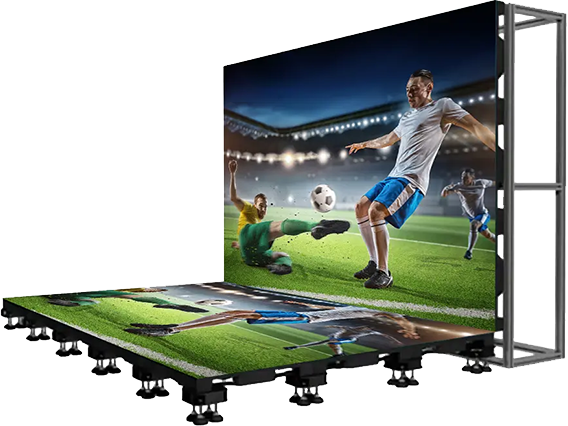
If one screen is not enough, multiple displays can be arranged together to create a wider visual presentation. This approach works well for product launches, seasonal campaigns, and shopping mall promotions.
The goal is not simply to choose the largest screen. It is to find a size that attracts attention without making the space feel crowded.
Product specifications are useful, but real performance should also be checked.
First, play the actual content you plan to use. Test product images, small text, brand logos, and promotional videos from a normal customer viewing distance.
Second, check brightness under the lighting conditions of the installation site. Look for clear images without excessive glare or uncomfortable brightness.
Third, confirm that colors remain consistent and that video playback is smooth. A high refresh rate is especially useful for reducing visible flicker in camera recordings.
Finally, test the control system, content updates, and restart process. If the screen will be moved regularly, check how easily it can be folded, transported, and set up.
These checks help reduce the risk of purchasing a display that looks good on paper but does not meet daily business needs.
A good LED poster display should be practical as well as visually attractive.
TOOSEN's poster LED screen range supports multiple pixel pitches, brightness levels from 800 to 6000 cd/m², and refresh rates of 3840–7680 Hz, depending on the selected configuration. The range also supports synchronous and asynchronous control for different content management needs.
Its folding design helps simplify transportation and storage, making it useful for businesses that change display locations. Before ordering, confirm the selected model's dimensions, weight, brightness, and environmental protection rating.
Other items to discuss with your supplier include the stand or mounting structure, power cables, control equipment, spare parts, and content management software.
For outdoor use, do not assume every poster screen is weatherproof. Confirm the protection rating of the exact model and whether it suits the installation conditions.
LED poster displays are suitable for a range of commercial environments.
In fashion stores, they can show new collections, campaign videos, and seasonal offers. In electronics shops, they can highlight product features and launch announcements. Shopping malls can use them for directional information, event promotions, and advertising.
Hotels, exhibition booths, and pop-up stores can also benefit from their vertical format and portability. A retailer can move a screen to a new promotional area instead of printing and installing another poster.
For example, a clothing retailer could place one display near the entrance to introduce a new collection and update the content when a seasonal sale begins. The same screen supports different campaigns without requiring a new printed sign each time.
Q1: Which pixel pitch is best for retail stores?
P1.25 to P2.5 is a useful starting range for close-viewing retail applications. The final choice depends on viewing distance, image detail, and budget.
Q2: Can an LED poster display be used outdoors?
Some configurations support outdoor use, but weather resistance varies by model. Check the product's protection rating and installation requirements before purchasing.
Q3: Can I update advertising content remotely?
Content management depends on the control system. TOOSEN supports synchronous and asynchronous control options, allowing buyers to select a setup suited to their operating needs.
Q4: Is a foldable LED poster display suitable for exhibitions?
Yes. A folding structure can make transportation, storage, and setup more convenient for temporary events and frequently changing locations.
Founded in 2014, TOOSEN provides LED display solutions backed by in-house research and development, manufacturing, and quality control. Its product range includes poster LED screens for retail, exhibitions, commercial advertising, and other display applications.
With multiple pixel pitch options and configuration choices, TOOSEN can help buyers select a display that matches their viewing distance, installation environment, and content requirements.
Before making a decision, share your intended application, screen location, viewing distance, and budget with the supplier. This makes it easier to compare suitable models and avoid paying for specifications you do not need.
The right LED poster display should do more than attract attention. It should fit your space, support your daily marketing activities, and deliver reliable performance over time.
Explore TOOSEN's LED Poster Display solutions to compare available models and find a suitable option for your retail project.
 +86 18688923792
 andy@tosled.com