
Industry news


View: 622

Release time:2026-03-12
As LED display technology continues to evolve, users expect more than just standard rectangular screens. Businesses, designers, and event organizers now look for displays that combine visual creativity, flexible installation, and immersive viewing experiences.
Today, special-shaped LED displays have become increasingly common in commercial spaces, exhibitions, and entertainment venues. Although many people have already seen these unique screens, few fully understand how they work or what types exist.
In just a few minutes, this guide will help you quickly understand the main types, advantages, and applications of special-shaped LED displays.
Types of Special-Shaped LED Displays
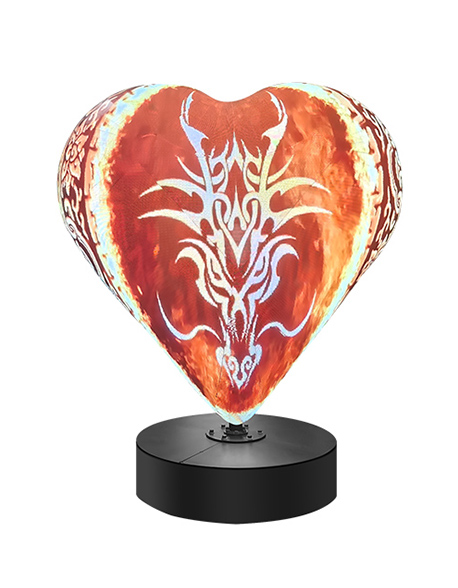
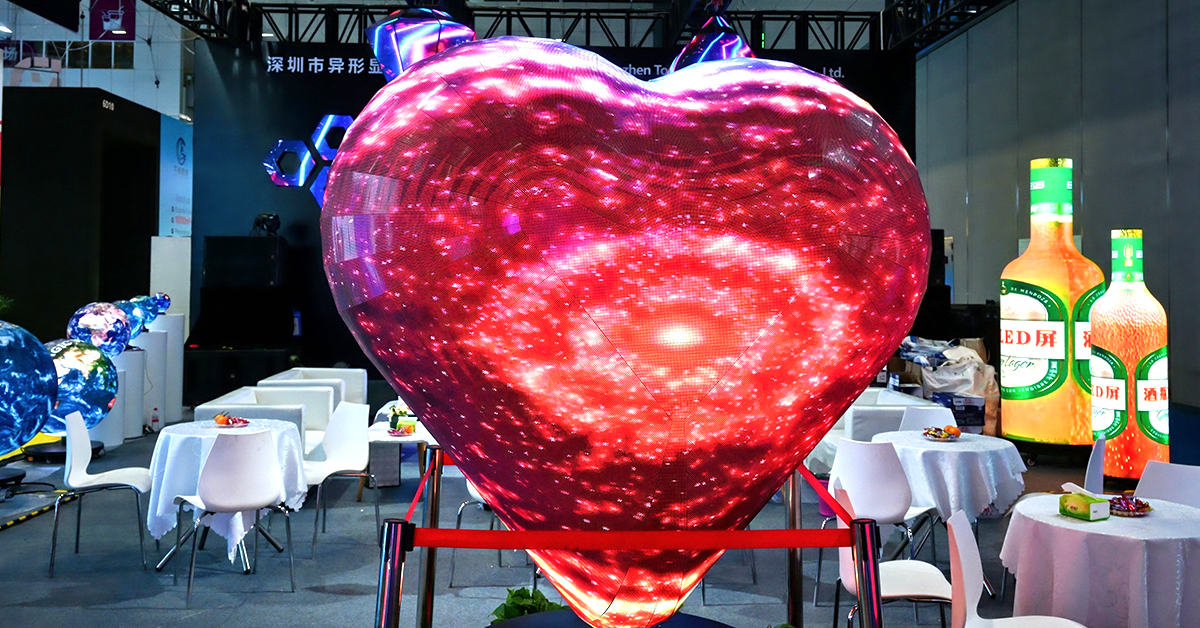
Special-shaped LED displays come in many forms. Manufacturers design these screens to break the limitations of traditional rectangular displays and adapt to creative architectural spaces or artistic installations.
Flexible LED Displays
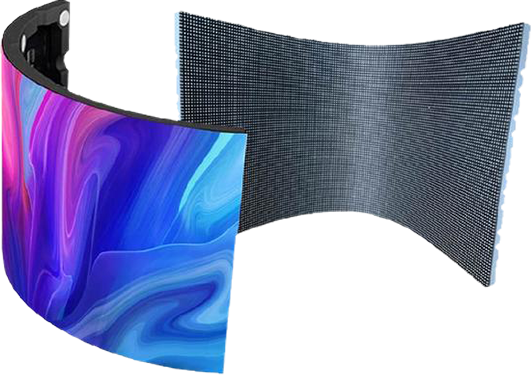
Flexible LED displays are one of the most suitable solutions for building irregular or curved screens. Compared with rigid modules, flexible LED modules can bend to a much greater degree while maintaining stable performance.
Because of this flexibility, designers can easily create screens with curved, wave-like, or other complex shapes. The installation process is also highly adaptable, allowing the display to fit different structures and surfaces.
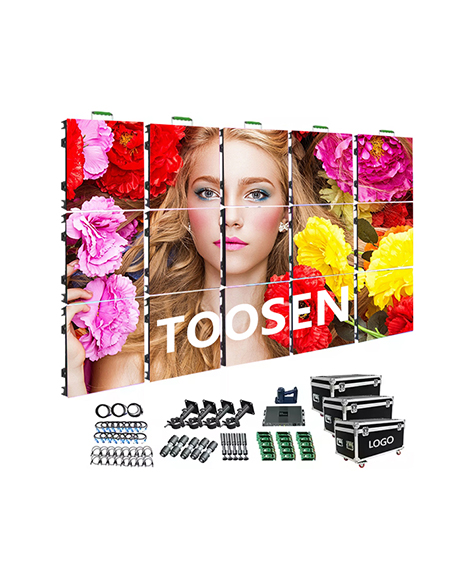
For example, Toosen has developed several creative LED display solutions using advanced flexible module technology. One such creative LED display features a P2.5 pixel pitch and consists of five uniquely designed LED panels with distinctive shapes. Together, these panels create a visually striking display that immediately captures attention in commercial spaces or exhibitions.
Spherical LED Screens
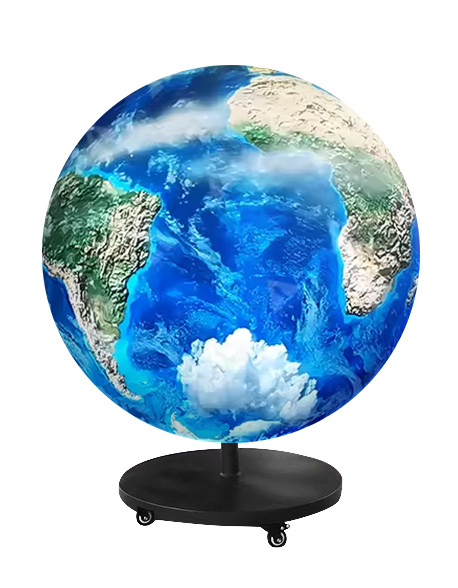
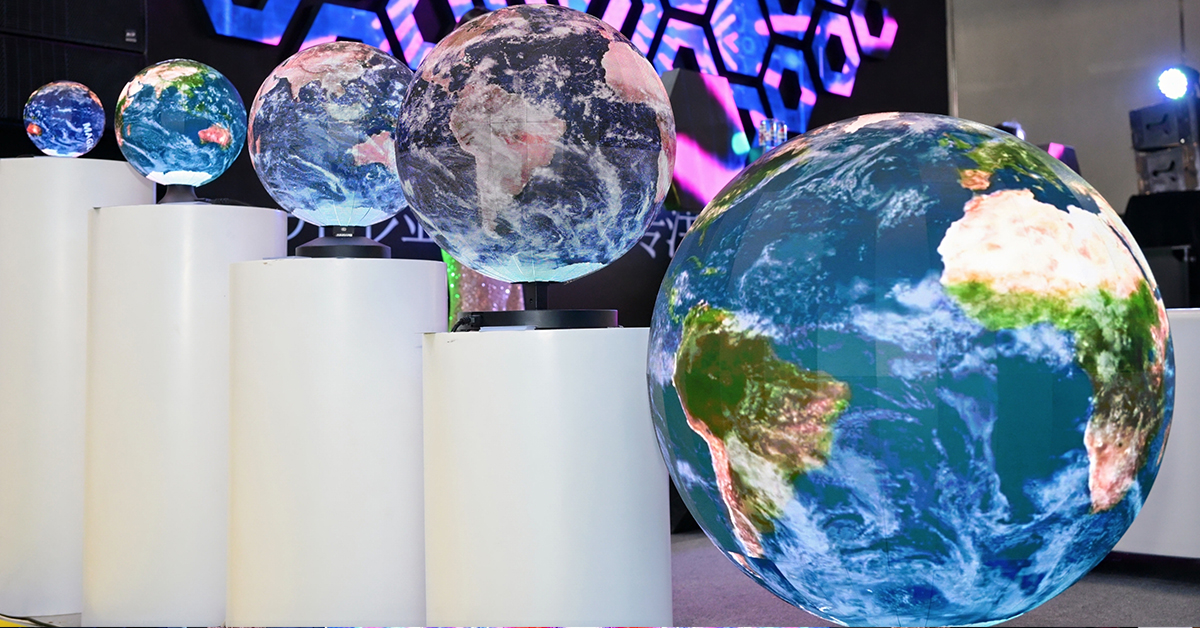
Spherical LED screens are among the most impressive special-shaped displays. They provide a 360-degree viewing angle, which means viewers can see clear images from any direction.
These displays often support multiple display segmentation modes and expandable structures. With the help of uniform pixel distribution technology, spherical LED screens produce vivid images with strong visual impact.
One particularly attractive feature is the ability to simulate spherical objects such as planets, globes, or soccer balls directly on the display surface. This capability creates a highly immersive experience for audiences.
As a result, spherical LED screens are widely used in places such as:
Science and technology museums
Exhibition halls
educational experience centers
commercial attractions
Circular LED Displays
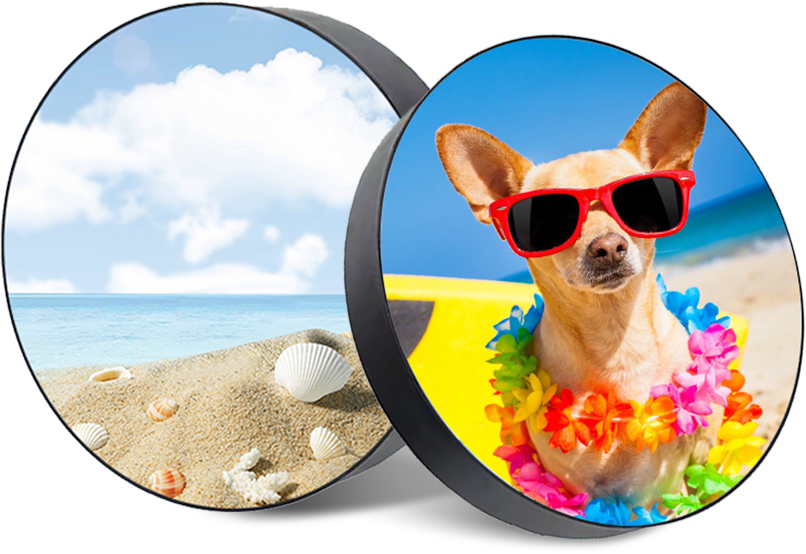
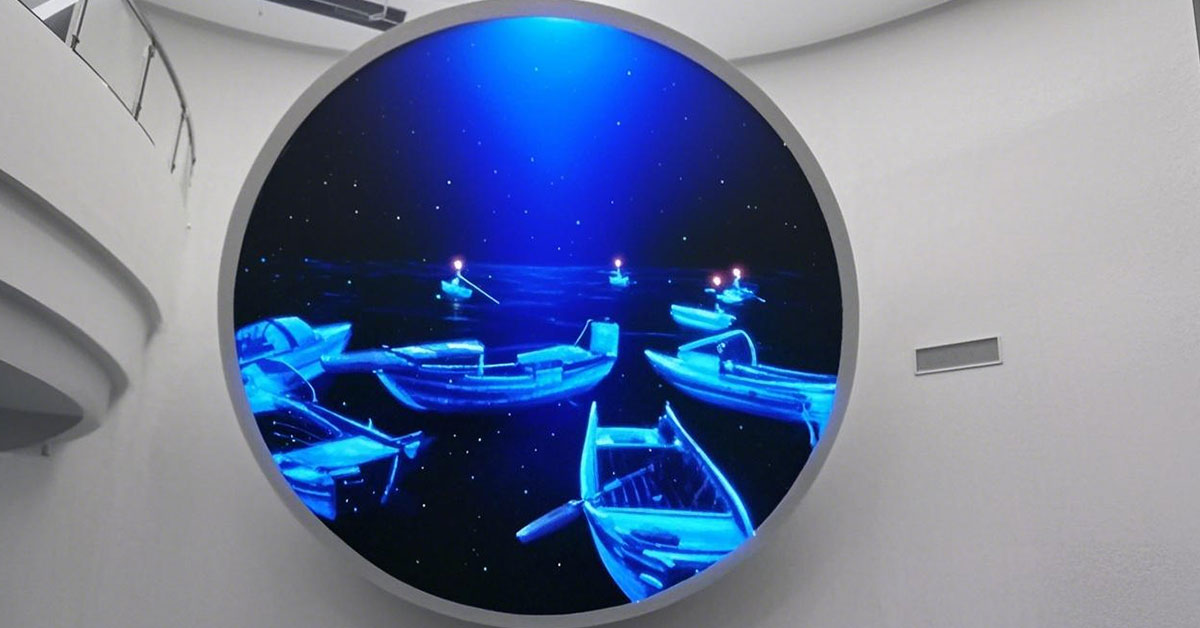
Circular LED displays are another popular type of creative screen. Manufacturers usually customize them according to the installation environment and specific project requirements.
These displays can show text, images, animations, and videos just like traditional LED screens. However, their round structure makes them visually more attractive and suitable for creative environments.
Pixel pitch plays an important role in display quality. In general, a smaller pixel pitch means higher pixel density, which produces more detailed and sharper images.
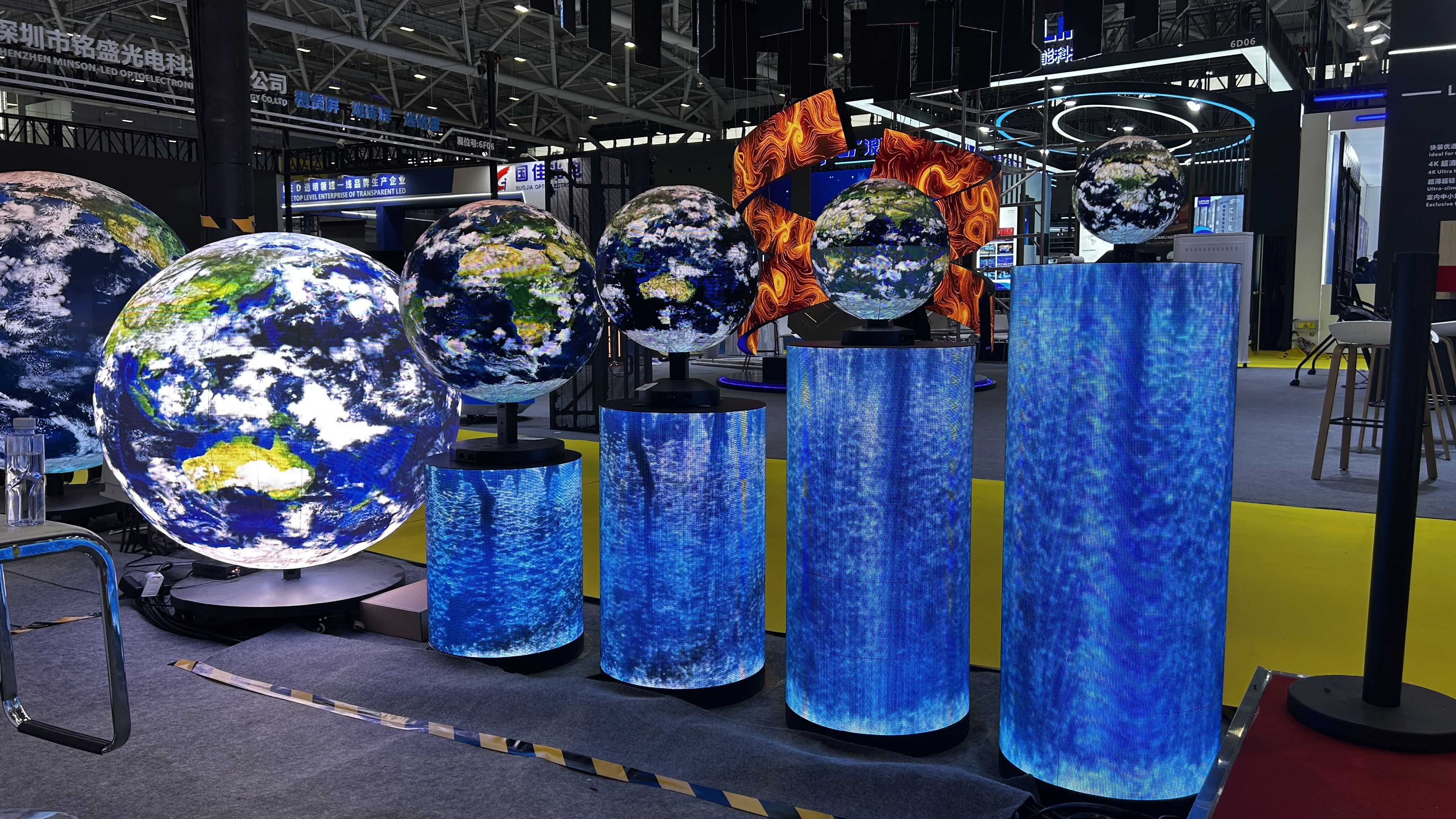
Circular LED screens are often used in:
shopping malls
brand showrooms
exhibition booths
corporate reception areas
Cylindrical LED Screens
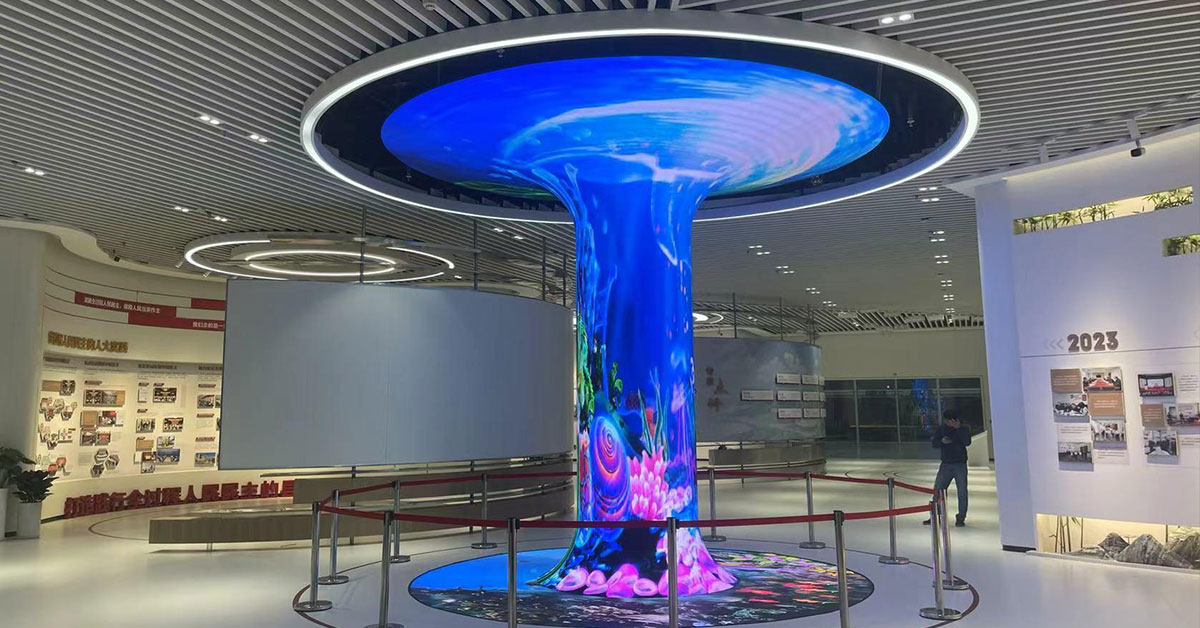
Cylindrical LED screens create a dynamic visual experience by wrapping LED modules around a vertical column. These displays frequently appear in entertainment venues such as stages, bars, and nightclubs.
For example, in a bar or club environment, a cylindrical LED screen can surround a DJ booth or stage pillar. When synchronized with music and lighting effects, it creates a powerful combination of audio and visual stimulation.
This immersive effect greatly enhances the atmosphere and offers customers a more engaging entertainment experience.
 +86 18688923792
  andy@tosled.com