



Industry news


View: 475

Release time:2026-04-08
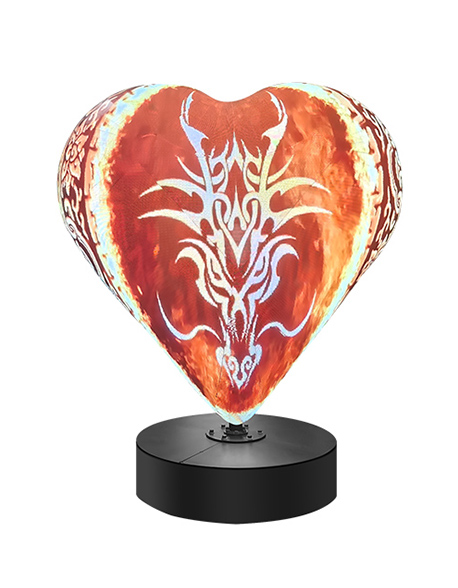
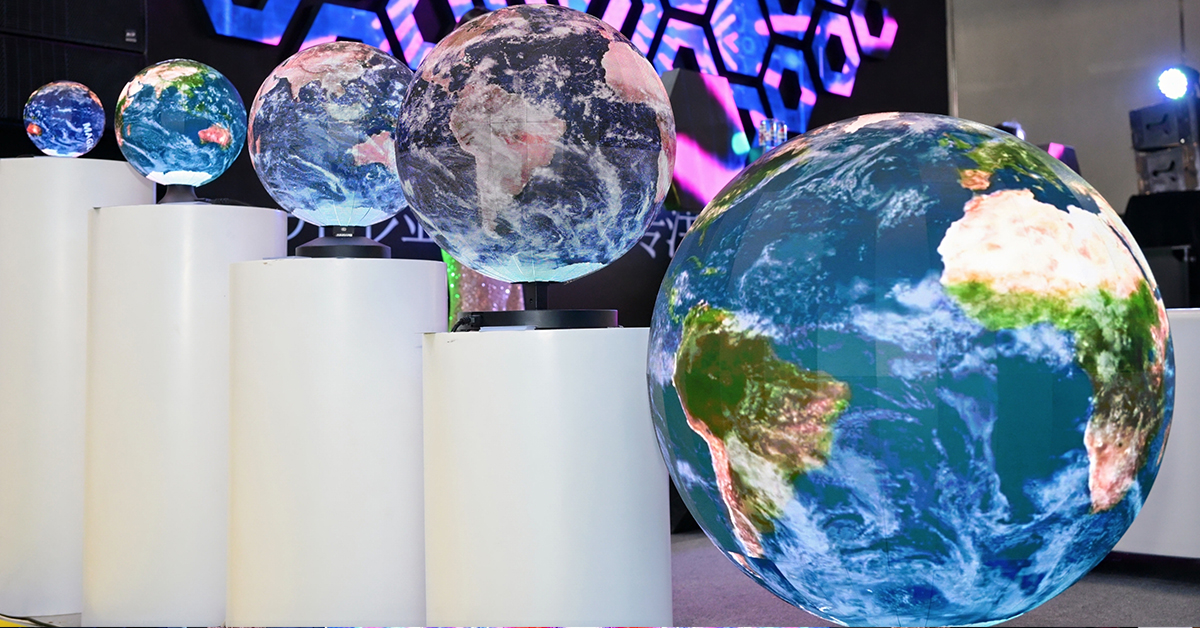
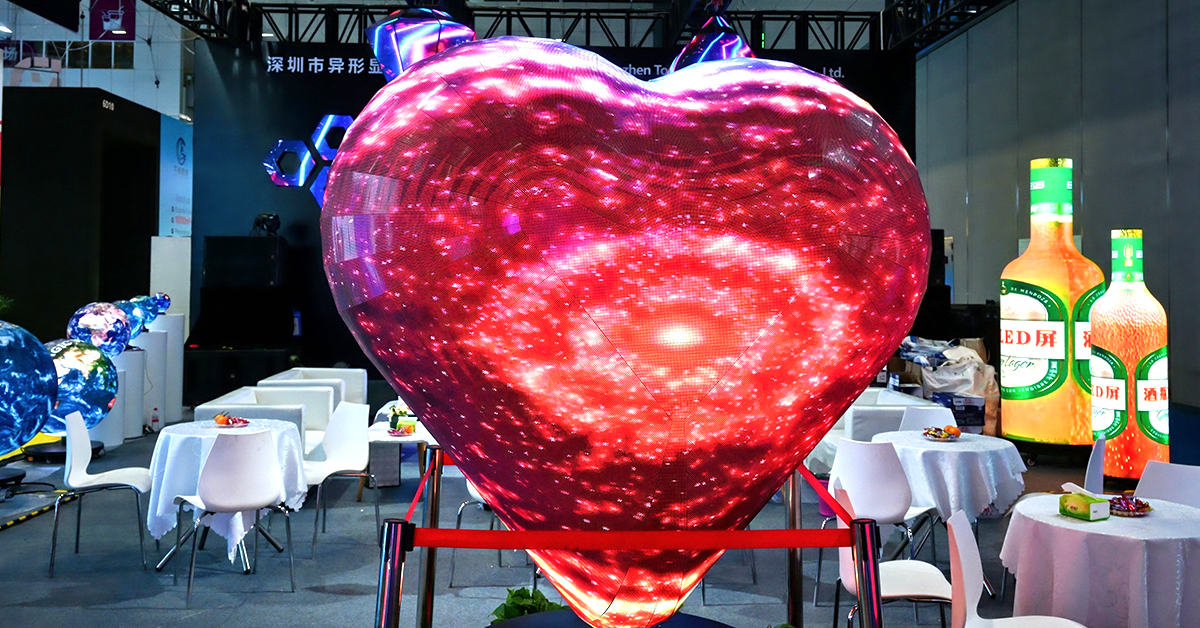
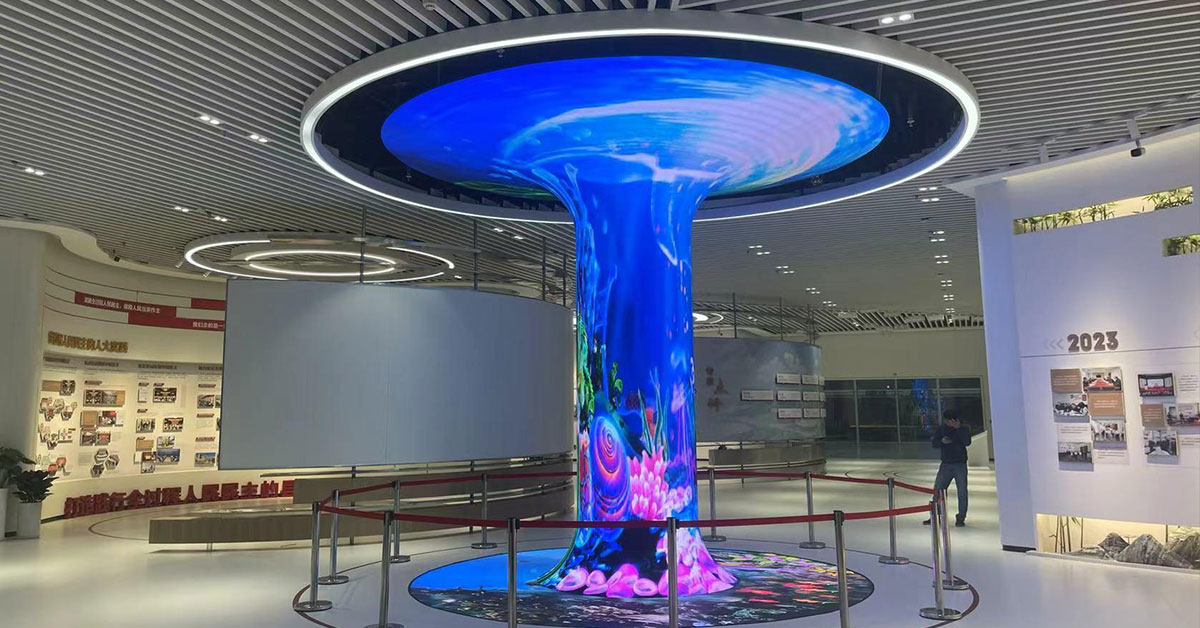
Outdoor LED dome screens represent a new generation of digital display technology. Unlike traditional flat billboards, they combine immersive 3D form with high-performance engineering, enabling brands to deliver content in a more dynamic and engaging way. To fully understand their value, it’s essential to look at the core technologies, competitive advantages, and real-world applications driving their adoption.
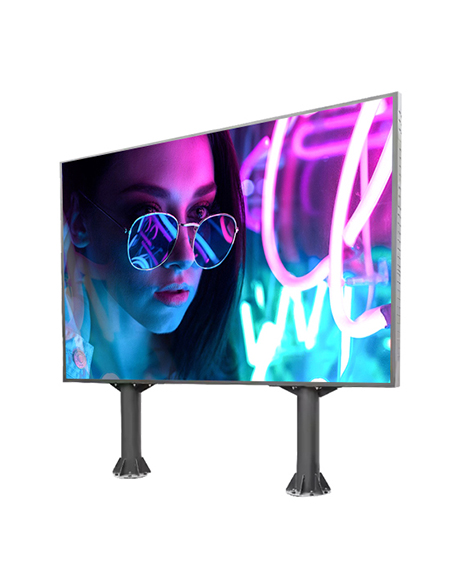
First and foremost, brightness determines whether an outdoor display succeeds or fails. Outdoor environments expose screens to strong ambient light, especially direct sunlight.
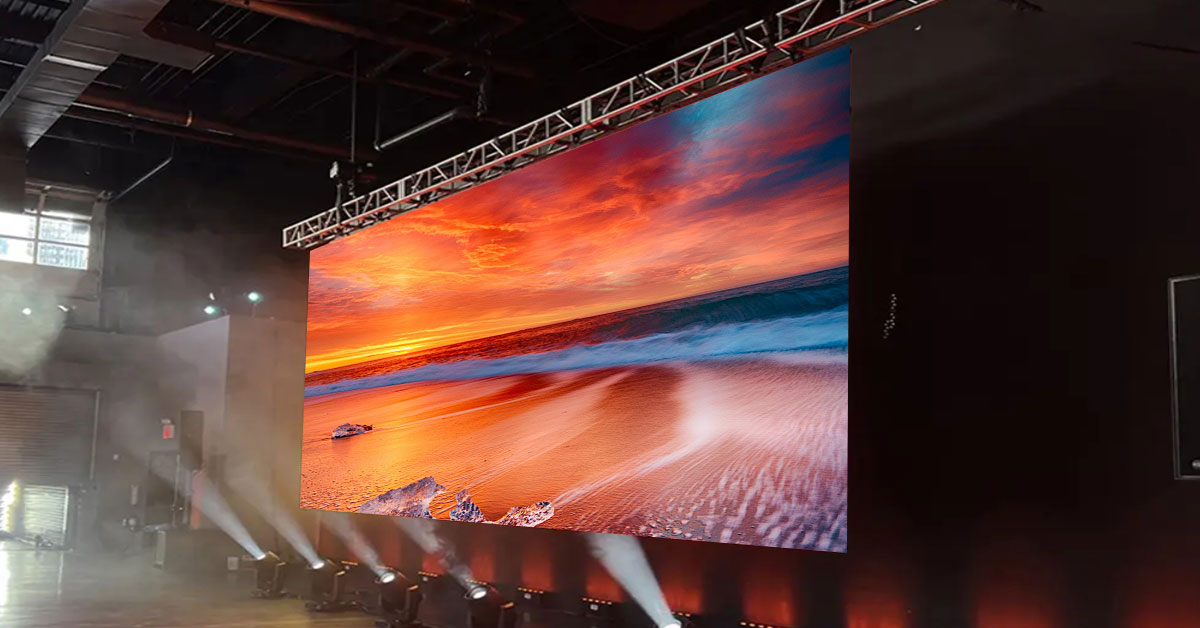
Advanced LED driving technology solves this challenge. It allows the screen to maintain excellent visibility even under intense daylight conditions. For instance, Toosen’s outdoor LED dome screens can reach brightness levels of 6,000 nits or higher, ensuring clear and vibrant visuals at all times.
As a result, advertisers can deliver consistent messaging without worrying about washed-out images.
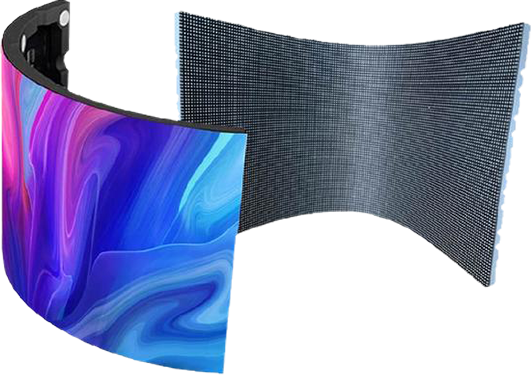
Because a dome screen features a curved, 360-degree structure, it must deliver uniform image quality from multiple perspectives. Optimized optics ensure:
Wider viewing angles
Better color consistency
Enhanced contrast and depth
Consequently, audiences enjoy a more immersive and visually rich experience, regardless of where they stand.
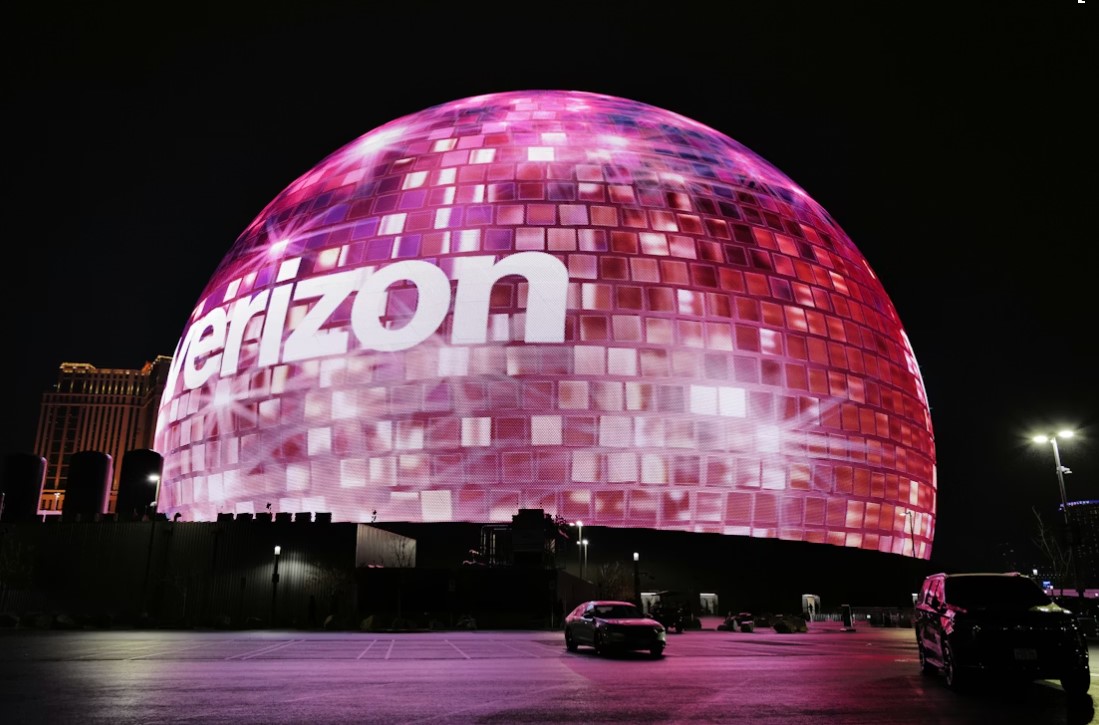
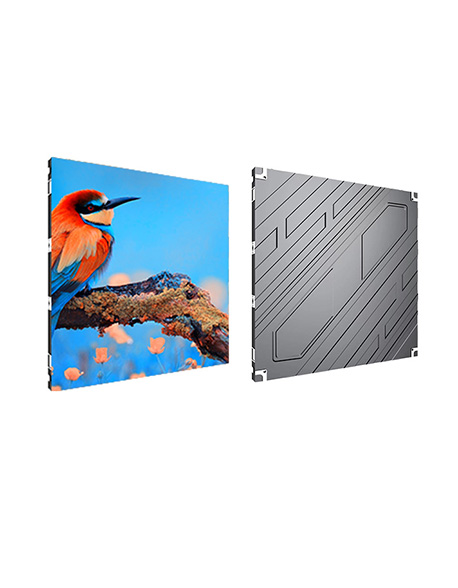
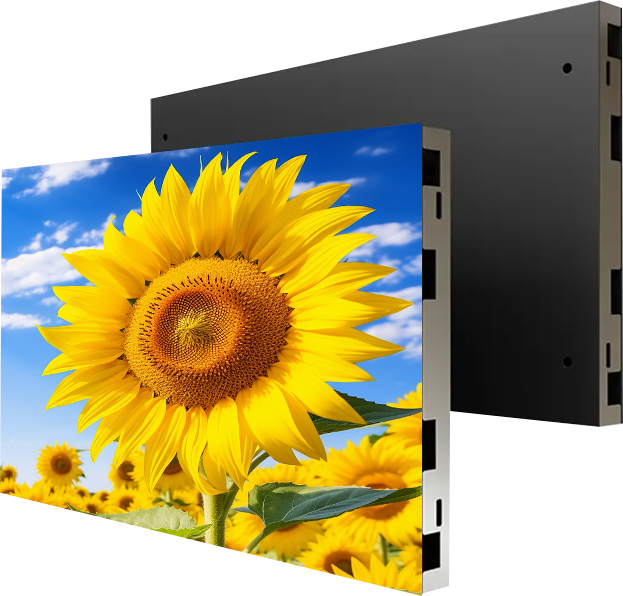
Equally important, modular architecture simplifies both installation and maintenance.
Manufacturers design the screen using interchangeable LED modules. This approach offers two major benefits:
Faster installation through standardized components
Easy maintenance by replacing individual modules instead of the entire screen
If a fault occurs, technicians can quickly swap out a single module. Therefore, downtime decreases significantly, and maintenance costs remain under control.
 +86 18688923792
  andy@tosled.com