



Industry news


View: 473

Release time:2026-05-15
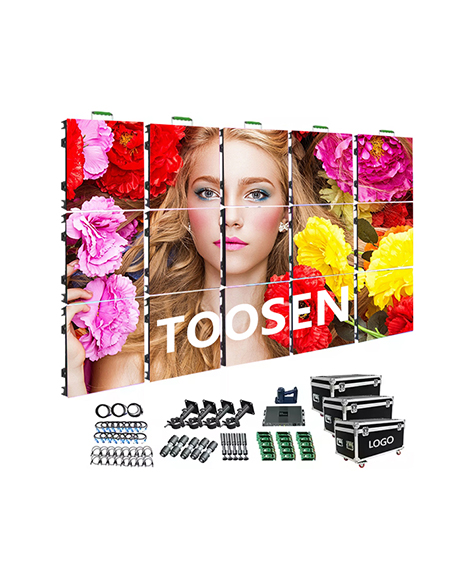
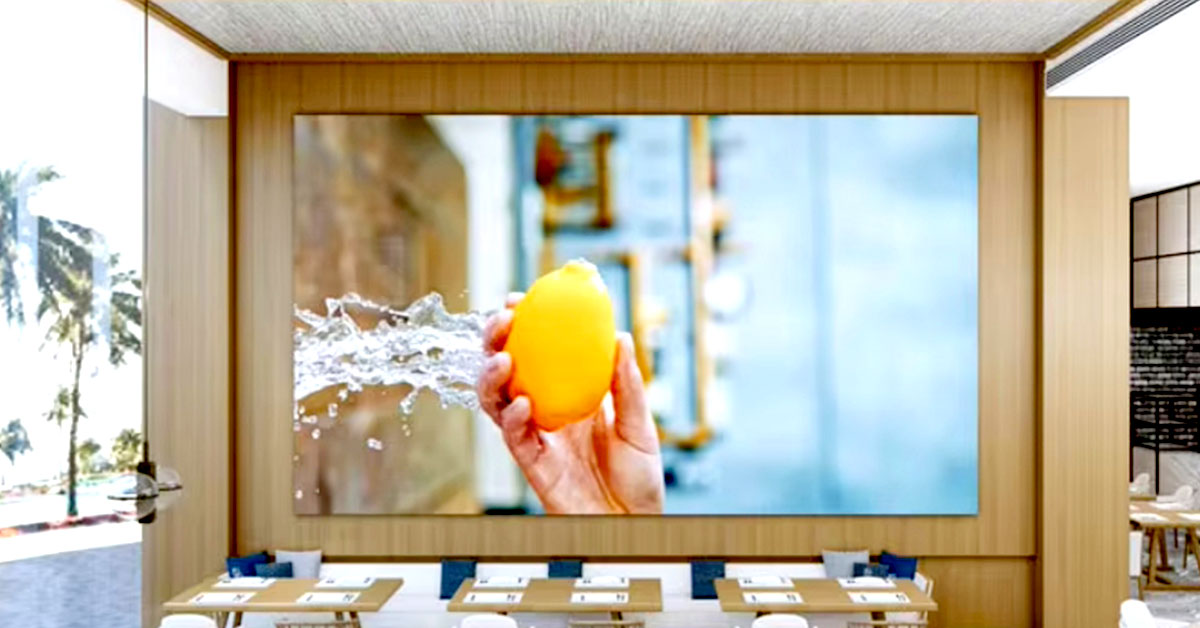
The installation time for an LED video wall mainly depends on the screen size, installation method, site conditions, and the experience of the installation team. For a standard medium-sized indoor LED video wall (approximately 10–30 square meters), a professional team can typically complete the main installation and begin system calibration within 4–8 hours. Larger outdoor projects or installations with complex structures may require 1–3 days or longer.
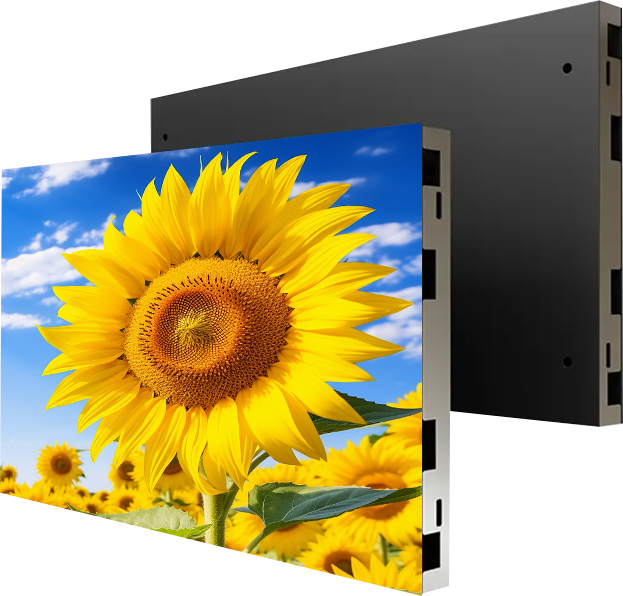
Thanks to modular cabinet designs, pre-engineered mounting structures, and advanced calibration technologies, modern LED video walls can now be installed much more efficiently, allowing businesses to deploy highly reliable visual display systems in a shorter timeframe.
Installation time varies significantly based on the overall size of the display. Small indoor video walls (1–6 square meters) may only require 1–6 hours, while large-scale systems exceeding 50 square meters naturally demand more time for structural assembly, cabinet alignment, and module integration.
Pixel pitch also plays an important role. Fine-pitch LED displays (such as P1.5–P2.5) require higher precision in flatness and alignment, which increases calibration and adjustment time.
Different installation methods involve different levels of complexity:
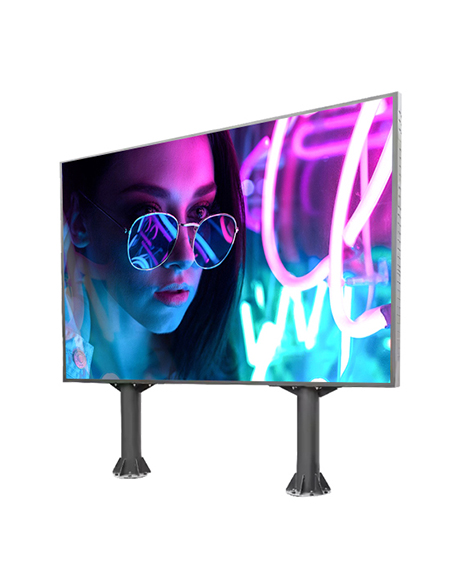
Wall-mounted installations require load-bearing evaluation and sometimes additional wall reinforcement.
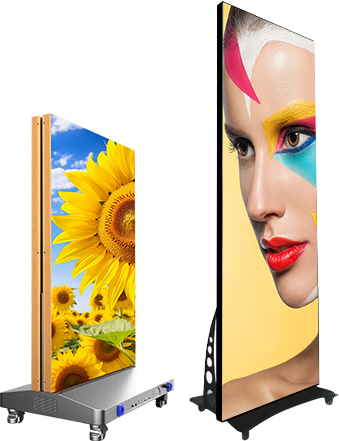
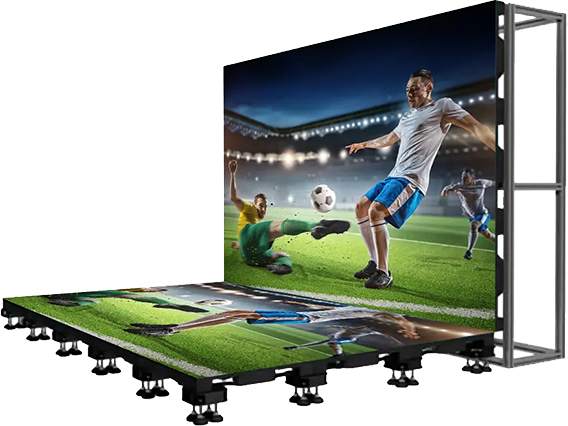
Floor-standing or suspended installations often involve steel structure fabrication, hanging systems, and additional safety inspections.
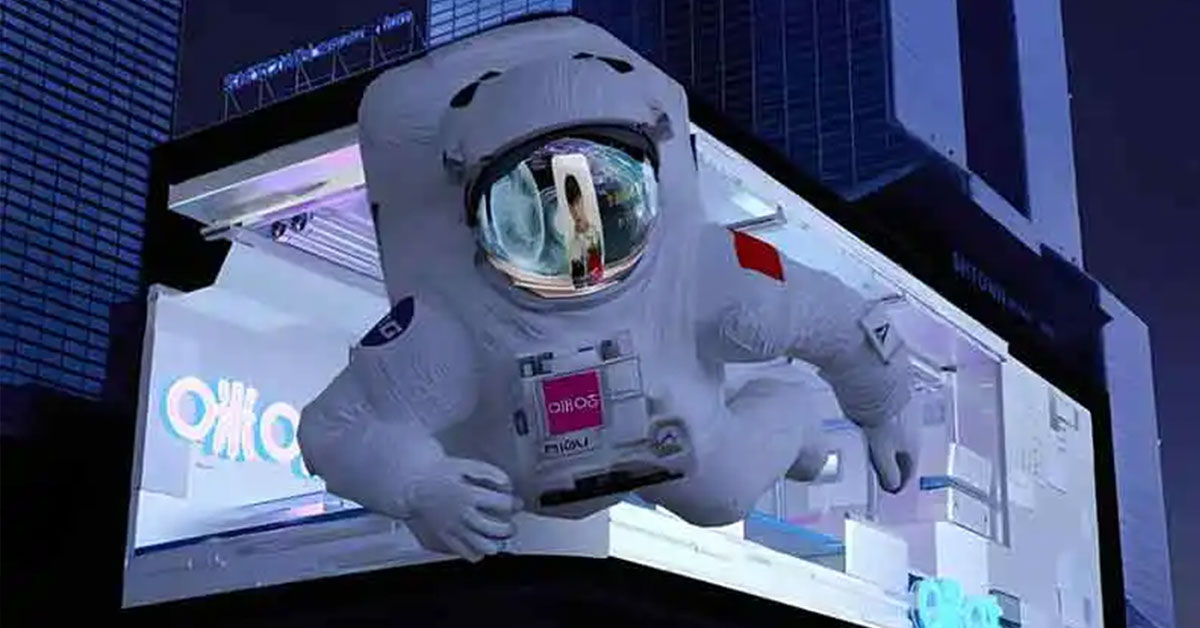
Outdoor LED projects require weatherproof structural engineering, waterproof cable management, and wind-resistance considerations.
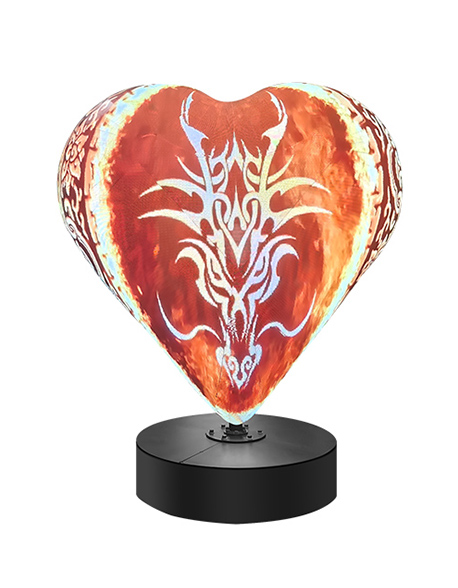
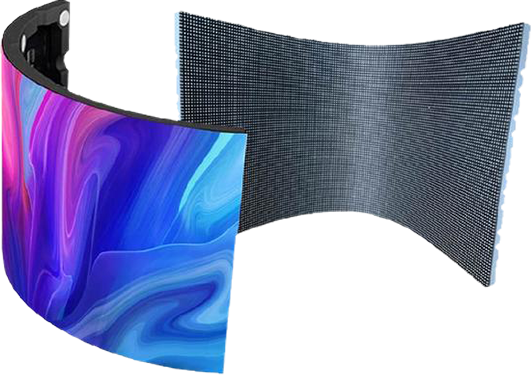
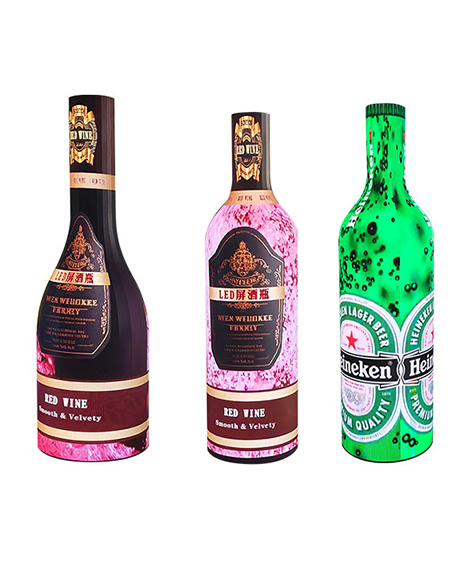
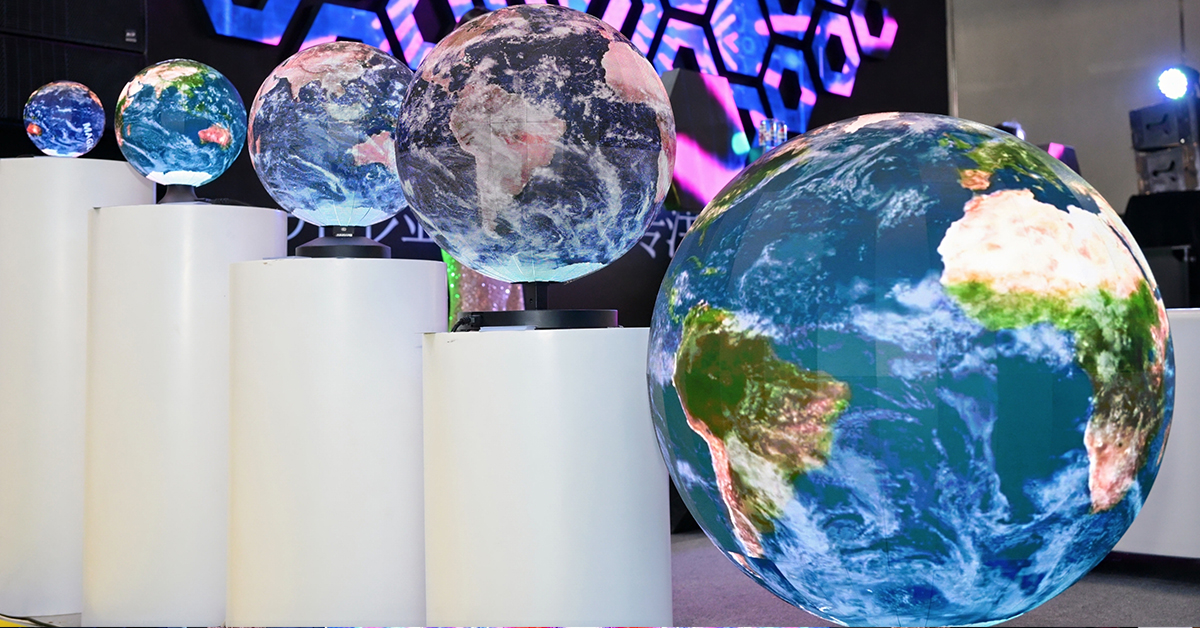
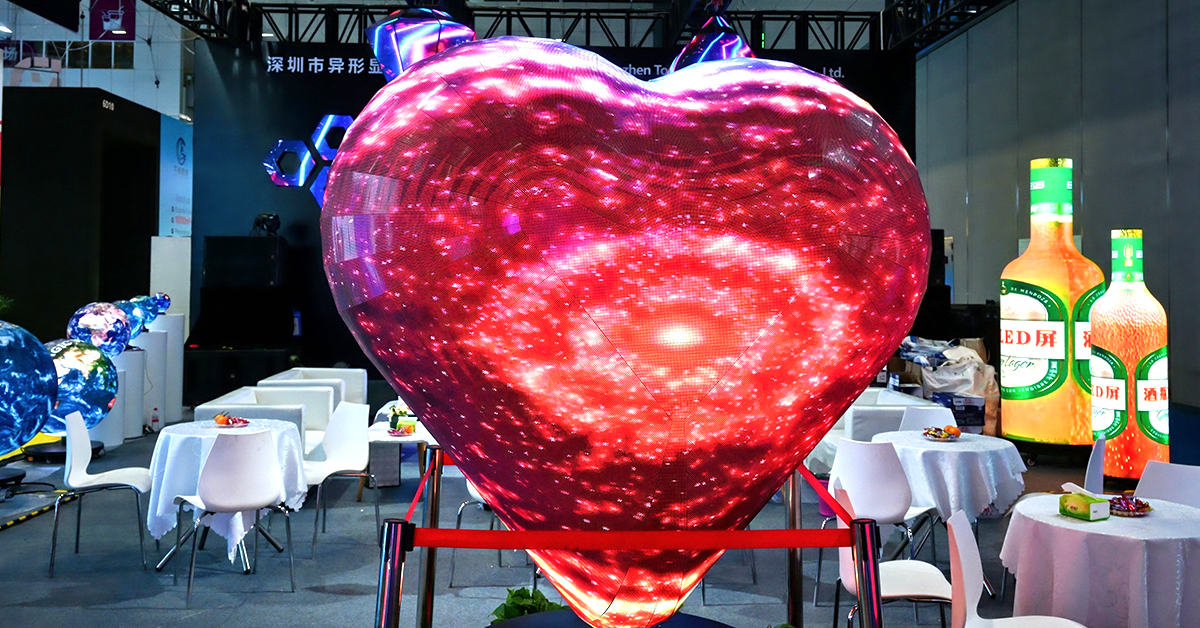
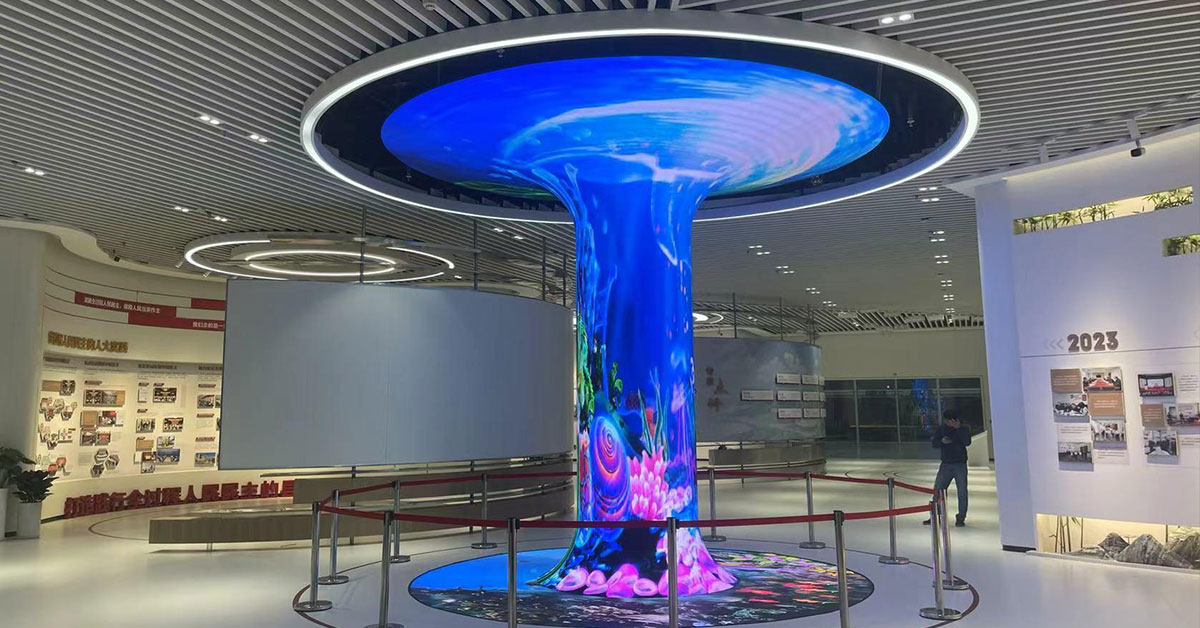
Curved, creative-shaped, or multi-sided LED video walls are even more complex because they require precise angle calculations and structural alignment during assembly.
Site readiness is another critical factor. If the installation site already includes completed power distribution, signal cabling, structural reinforcement, and reserved mounting points, the installation process can move much faster.
However, if additional reinforcement, rewiring, or structural modifications are needed onsite, the project timeline may increase substantially. Professional B2B LED display projects usually complete these preparations during the pre-installation survey phase to minimize onsite construction time.
The experience of the installation team is just as important as the hardware itself. Skilled technicians equipped with magnetic fast-lock modules, laser leveling tools, and professional calibration software can achieve millimeter-level alignment accuracy while significantly reducing repeated adjustments.
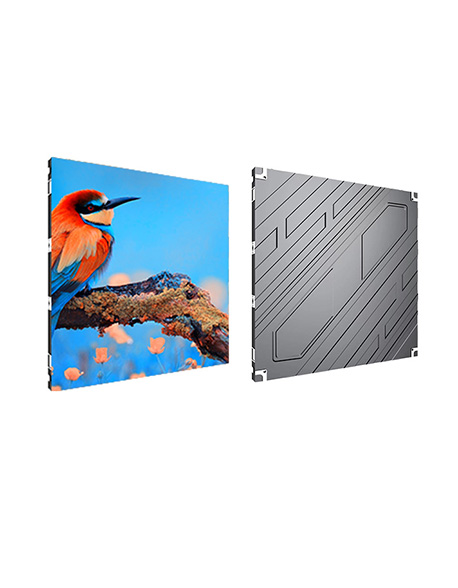
Many modern LED cabinets now feature integrated die-cast aluminum structures that are lighter, stronger, and easier to assemble, further improving transportation, handling, and installation efficiency.
 +86 18688923792
  andy@tosled.com