
Industry news


View: 753

Release time:2026-03-12
If you want to build or customize your own LED screen, the first step is understanding your project requirements. LED display systems vary widely in size, resolution, and complexity, so defining the basic specifications will help you estimate both hardware needs and total cost.
Below are the key questions you should answer before starting the project.
Before buying any components, clarify the following points:
Screen size – How large will the LED display be?
Resolution – How many pixels do you need for your content?
Indoor or outdoor use – Outdoor displays require higher brightness and weather resistance.
Brightness requirements – Do you need visibility even in direct sunlight?
Input signal type – Will the content come from HDMI, VGA, or another video source?
Content type – Will the display show simple graphics, scrolling text, or full-color video?
Color format – Do you need single-color, dual-color, or full-color RGB LEDs?
Answering these questions will determine the LED modules, controller system, and power requirements for the project.
To understand the basic cost structure, consider a simple example—a small scrolling text display with a resolution of 8 × 64 pixels.
If you use high-density LED strips, the display might measure approximately:
Height: about 7 inches
Length: about 4.5 feet
A common choice for DIY LED projects is the WS28xx LED series, widely used in programmable LED strips.
Typical cost estimates:
LED cost: about $0.30 per LED in small quantities
Bulk price: around $0.25 per LED when ordering 1000+ units
Based on this estimate, the LED components alone might cost around $160.
LED displays also require a stable structure to support the electronics and dissipate heat.
A metal frame or aluminum backing plate works best because it improves heat dissipation and durability. For example:
A 3 ft × 3 ft aluminum plate might cost around $40 at a hardware store.
Depending on the size of the display, you may need several plates.
Estimated structural material cost: about $100.
In addition to LEDs and structural materials, you will need several electronic components:
LED drivers or controllers
power supply units
wiring and connectors
a control board or microcontroller
For a small display, these electronic components typically add about $200 to the total cost.
Many DIY LED projects use embedded systems such as:
Raspberry Pi
PJRC microcontroller platforms (such as Teensy boards)
These systems can run Linux or embedded software to control the display and play visual content.
Labor costs depend heavily on whether the work is done by a professional or a hobbyist.
For example, if someone builds a small custom display as a favor for a friend, the cost might be:
$200–$300 for labor
plus a weekend of work
However, professional engineers or commercial integrators typically charge more because they provide:
design optimization
electrical safety compliance
reliable long-term operation
Hardware is only part of the project. LED displays also require software to control the visual output.
Example options include:
prebuilt LED control libraries
embedded Linux video playback systems
custom code for graphics or animations
Some development platforms already provide sample projects and video playback tools, but integrating everything into a working system still requires programming knowledge.
If your team lacks software expertise, hiring a developer may increase the total project cost.
DIY LED displays can be educational, but they are not always the cheapest option. Even simple LED matrices can become expensive once you include hardware, materials, and labor.
If you only need a simple text display, you can often find affordable options online. Searching for “LED dot matrix display” on marketplaces like eBay can reveal larger ready-made displays at reasonable prices.
For larger or more complex projects, working with a professional manufacturer may be more practical.
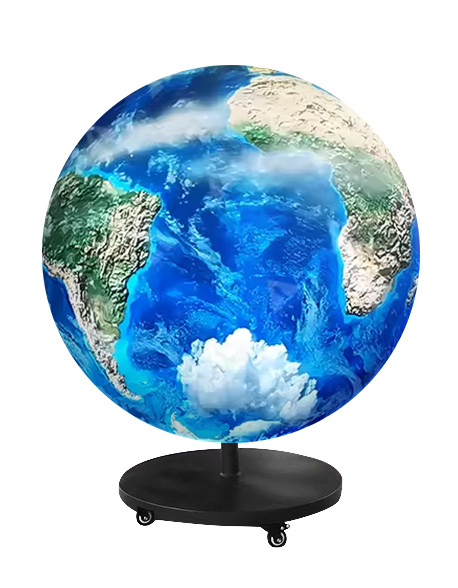
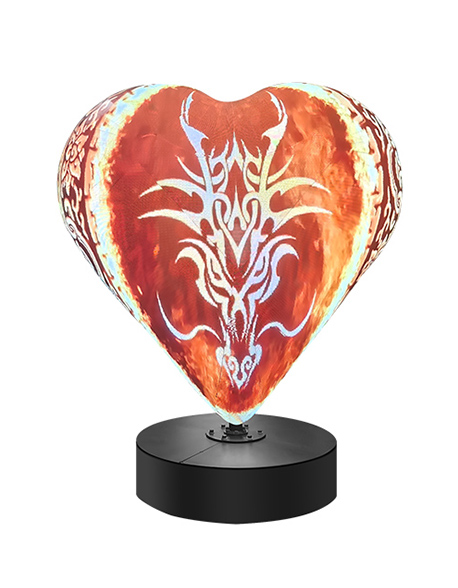
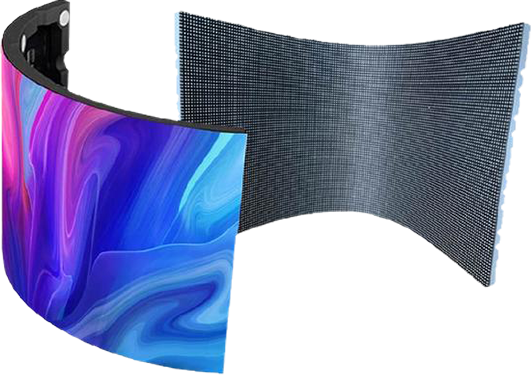
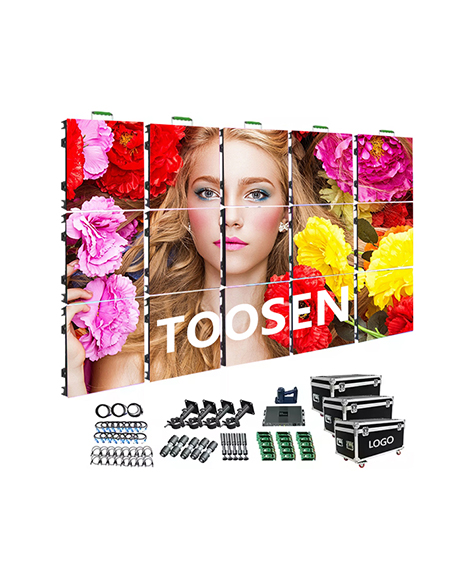
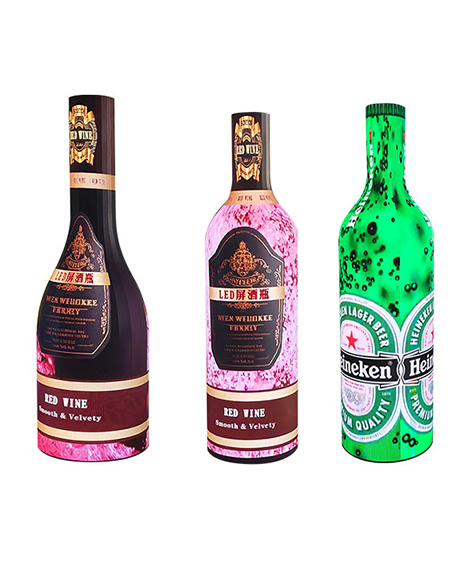
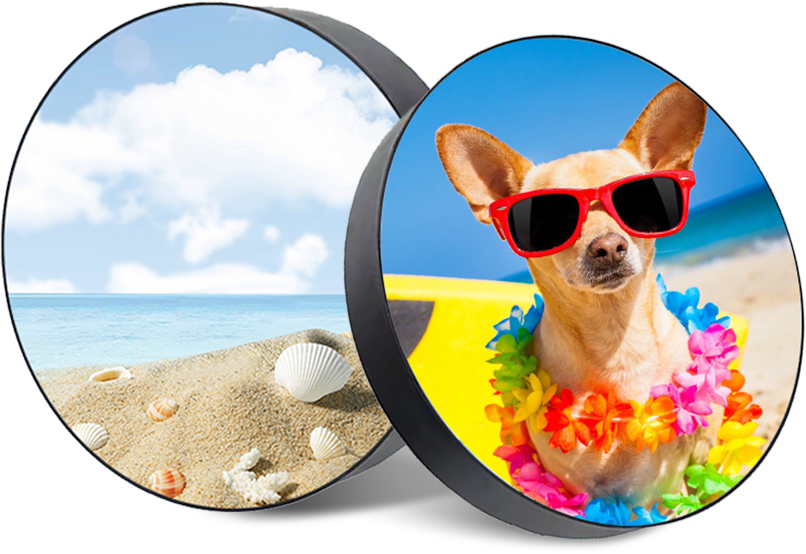
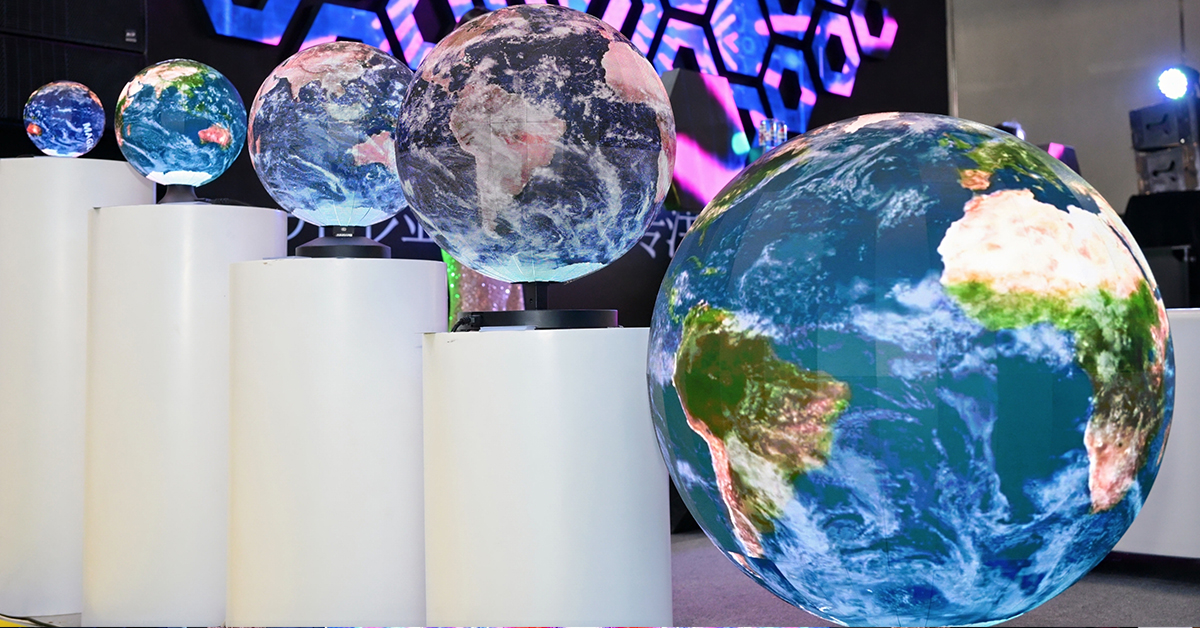
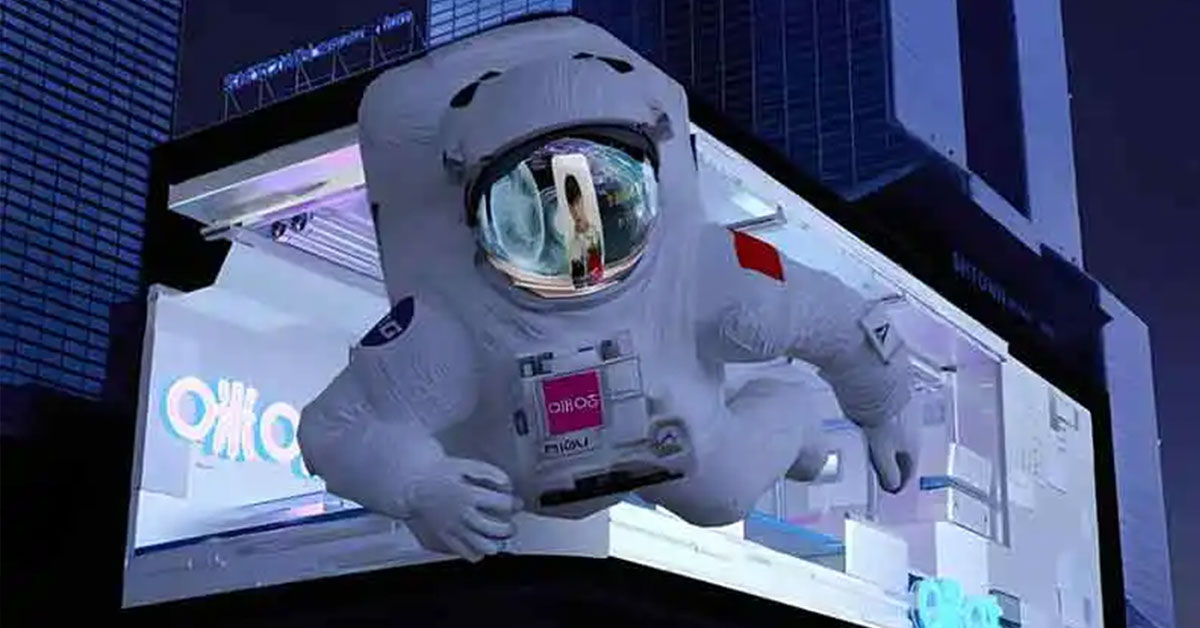
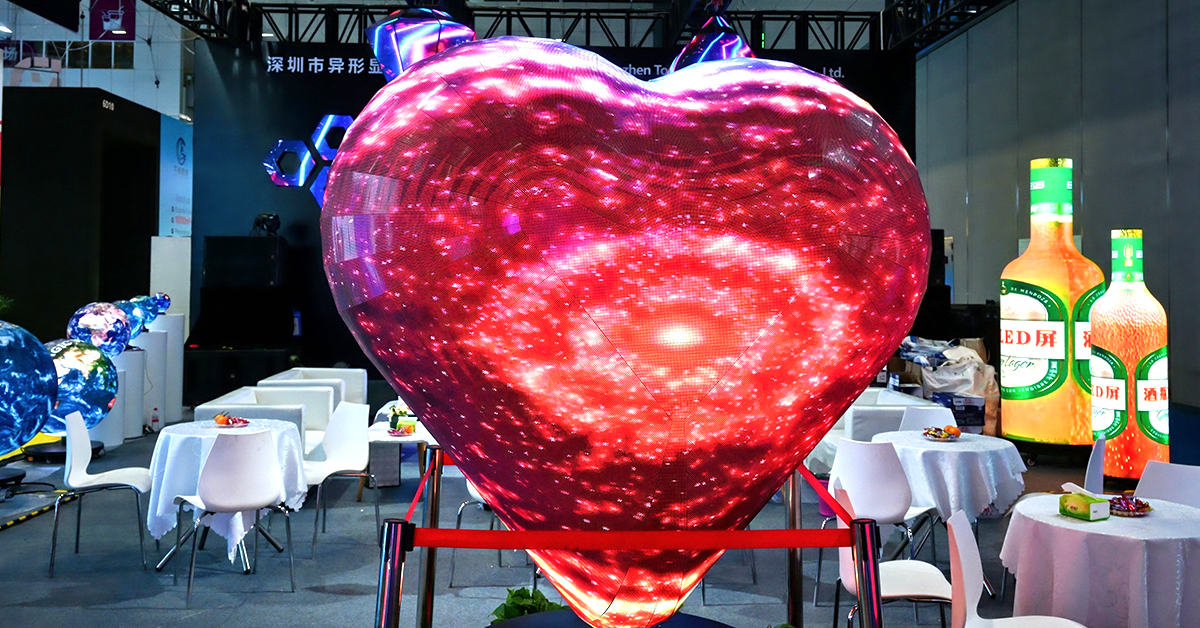
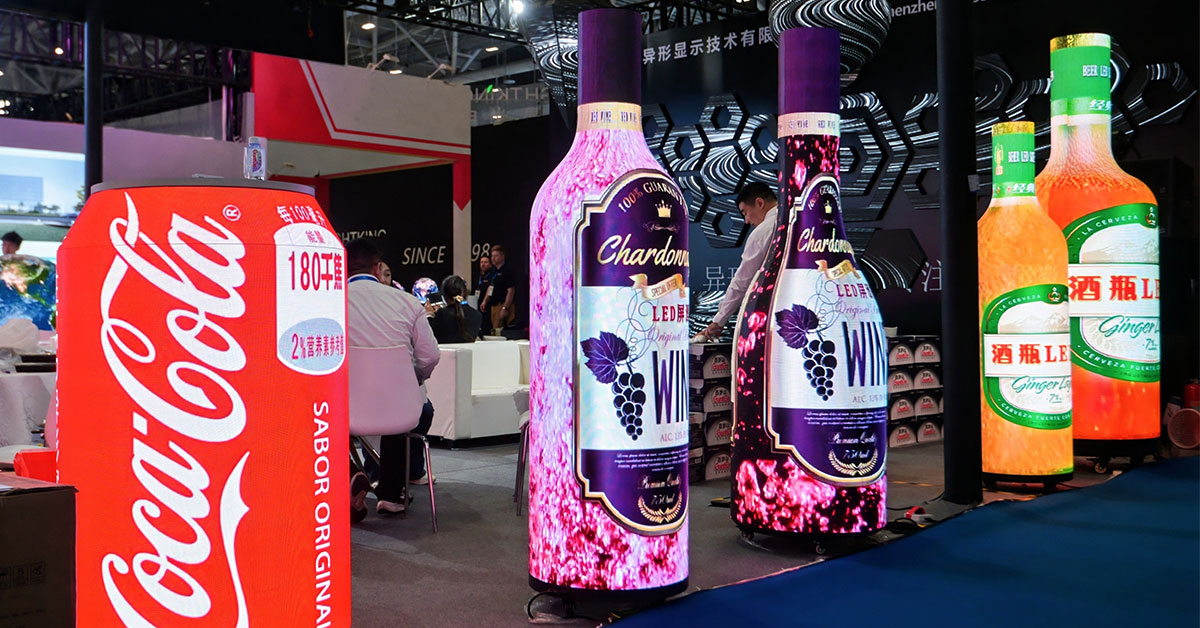
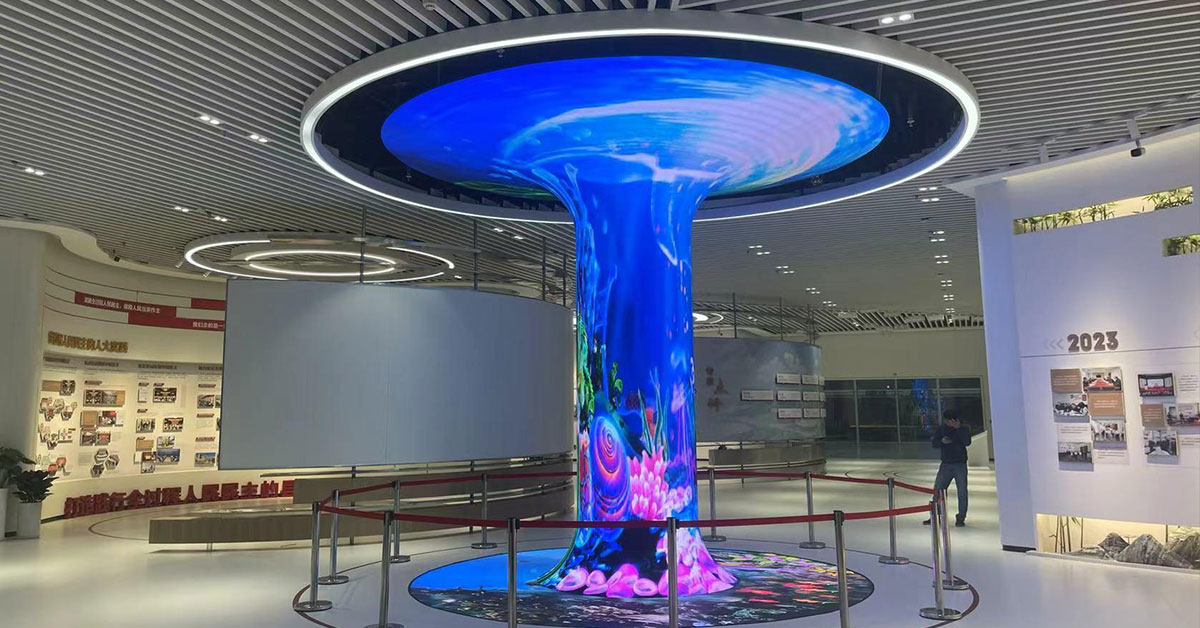
Companies like Toosen specialize in custom-shaped LED displays and offer end-to-end solutions. With more than ten years of experience in creative LED display systems, they can design screens in almost any shape or size.
Professional manufacturers typically provide:
customized LED structures
optimized hardware integration
technical consultation
24/7 support from engineering teams
In many cases, this approach saves both time and development effort while ensuring higher reliability.
Building your own LED screen is possible, but it requires careful planning. You must consider display size, resolution, hardware components, software integration, and labor costs. Even a small DIY LED matrix can cost several hundred dollars once all materials are included.
For hobby projects or learning purposes, DIY solutions can be rewarding. However, for commercial installations or complex designs, working with an experienced LED display manufacturer is often the more efficient and reliable choice.
 +86 18688923792
  andy@tosled.com