
Industry news


View: 476

Release time:2026-03-24
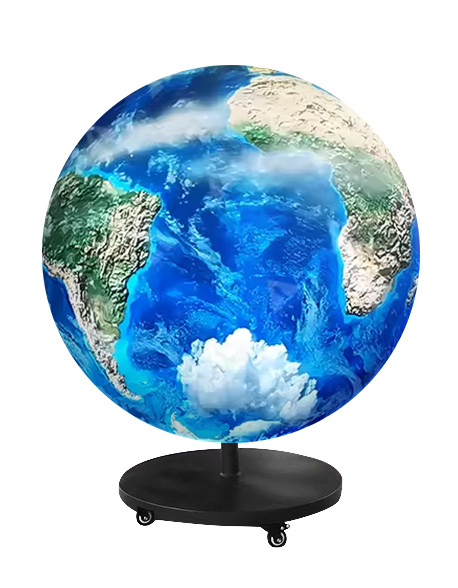
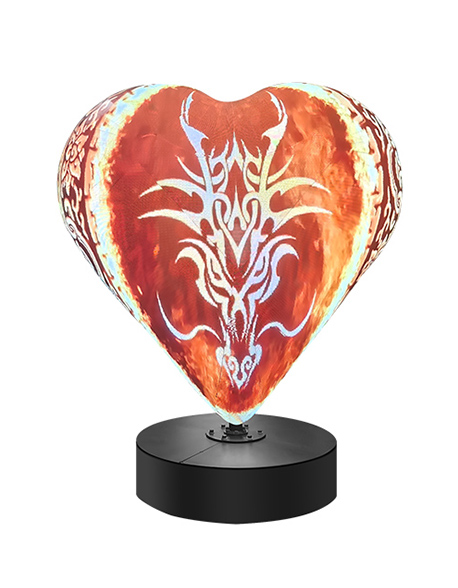
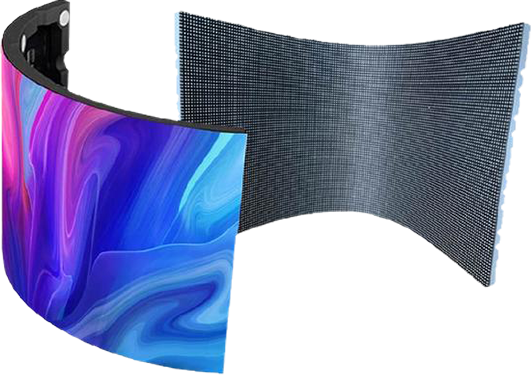
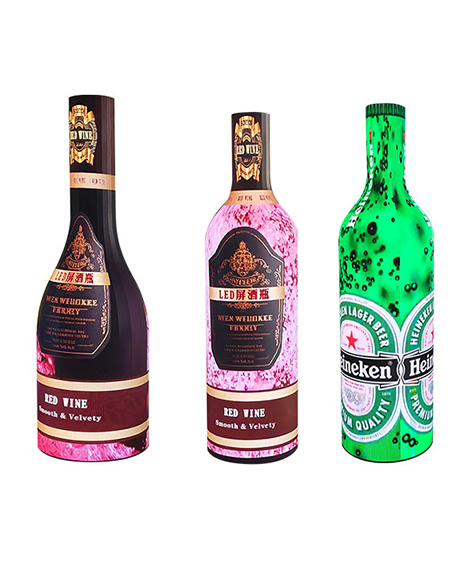
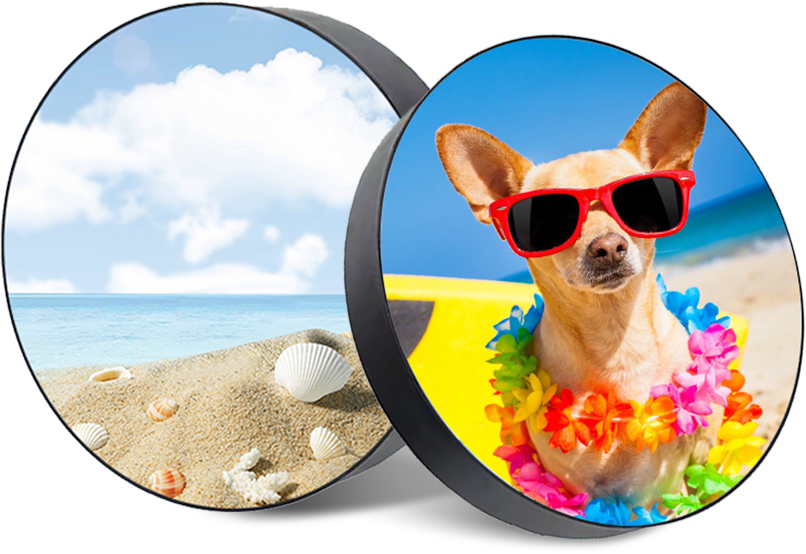
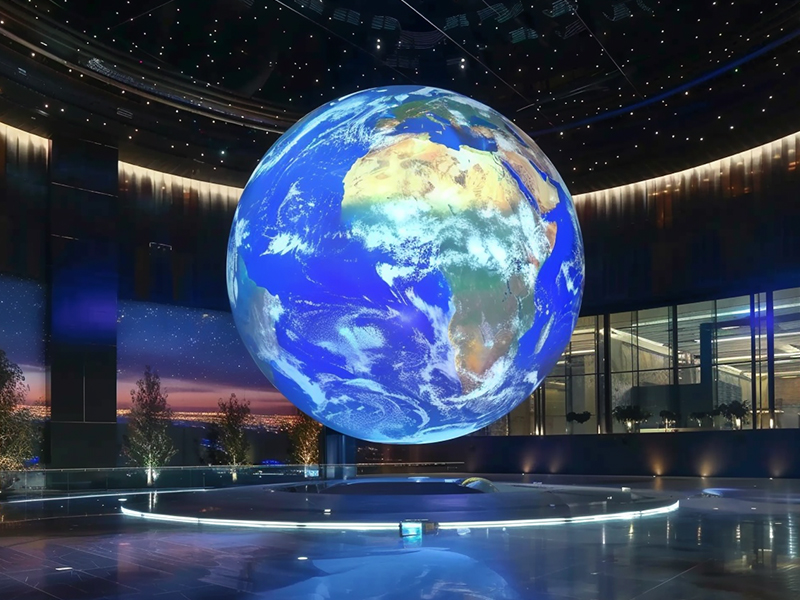
Custom-shaped LED screens offer striking visual effects, but ensuring their durability in outdoor or humid environments requires advanced waterproofing techniques. Unlike flat panels, irregular shapes introduce gaps, joints, and curves that make sealing more complex.
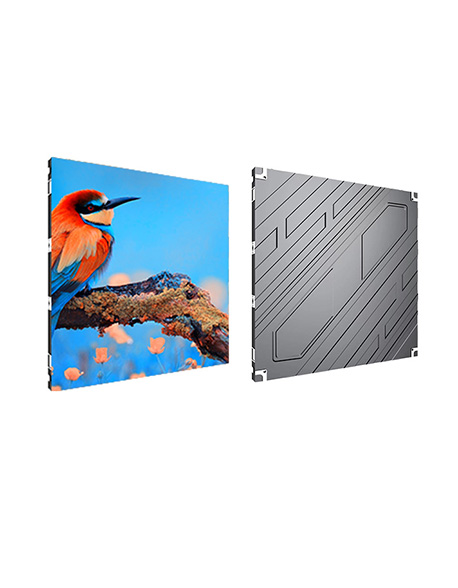
Irregular module shapes: Curved or angular modules create more seams where water can penetrate.
Multiple connection points: Each module’s power and data interface increases potential leak points.
Environmental exposure: Rain, dust, and humidity can shorten screen lifespan if not properly sealed.
IP-Rated Enclosures
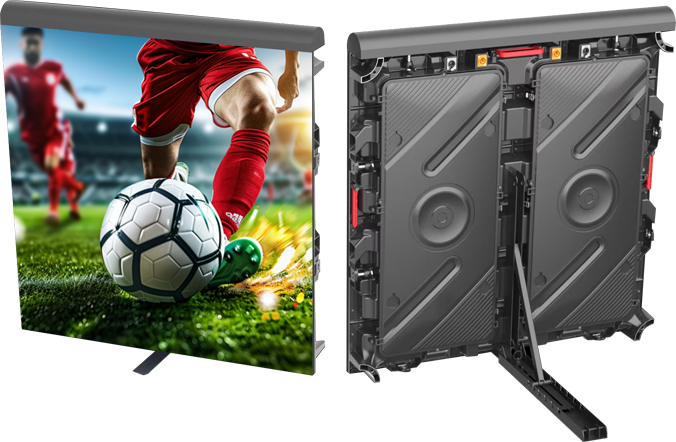
Manufacturers use IP65 or higher-rated cabinets to protect LED modules. This includes rubber gaskets, silicone seals, and reinforced joints that prevent water ingress.
Conformal Coating for PCB and LEDs
Applying a thin protective layer on circuit boards protects internal components from moisture and corrosion without affecting brightness.
Sealed Power Supplies and Connectors
Waterproof connectors and encapsulated power supplies prevent short ircuits and ensure the system functions even in heavy rain.
Strategic Drainage Design
Some custom LED screens integrate drainage channels at low points, allowing water to escape naturally and reducing pressure on seals.
Always request IP rating certificates from the manufacturer.
Perform field tests for extreme weather exposure.
Partner with brands like Toosen, which specialize in waterproof custom-shaped screens and provide professional installation guidelines.
Proper waterproofing not only extends the lifespan of the screen but also ensures consistent visual performance in any environment.
 +86 18688923792
  andy@tosled.com