





Industry news


View: 603

Release time:2026-03-20
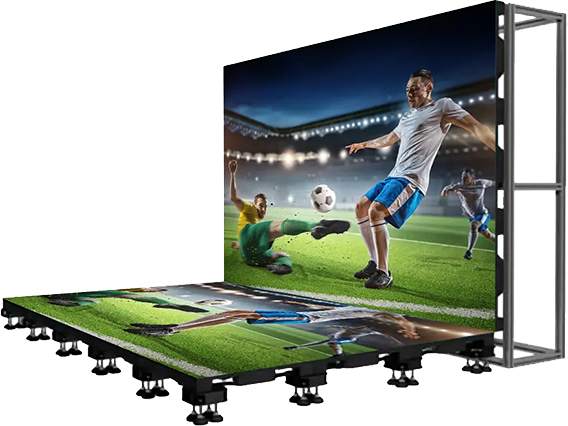
Interactive floor LED displays combine LED technology with intelligent sensing systems to create dynamic, responsive surfaces. Unlike traditional LED floor panels that play pre-programmed content, interactive floor screens can respond in real time to footsteps, creating immersive human-screen interactions.
From retail spaces to stage performances and medical rehabilitation, these displays are transforming how people interact with the environment, turning floors into engaging, visually captivating surfaces.
An interactive floor LED display is an advanced upgrade of conventional LED floor panels, integrating smart sensors that detect motion and trigger visual effects.
When a person steps on the floor:
· sensors capture position data
· the control system immediately executes pre-defined animations
· effects appear directly beneath the user’s feet, such as water ripples, blossoming flowers, or flowing lights
These displays retain standard LED advantages, including high brightness and vibrant colors, while featuring structural enhancements:
· High load-bearing capacity: 2–10 tons per square meter, capable of handling dense foot traffic and even vehicle movement
· High protection level: IP65 or higher for waterproofing, dust resistance, anti-slip surfaces, and glare reduction
· Durable surfaces: Frosted or anti-scratch finishes, UV-resistant coatings for long-term use
Interactive floor screens rely on advanced sensing technologies to detect movement and trigger visuals:
Sensor Type | Working Principle | Key Feature |
Pressure Sensor | Detects changes in pressure from footsteps | High sensitivity for precise triggers |
Infrared Sensor | Emits infrared waves; triggered when blocked by objects | Tracks movement paths for follow effects |
Capacitive Sensor | Measures changes in capacitance near the human body | Contactless interaction with long lifespan |
Radar Sensor | Uses microwaves to detect motion | Wide coverage, unaffected by light conditions |
Interactive floor LED panels differ significantly from conventional displays:
· Two-way data transmission: Sensors send positional data back to the control system, not just output visuals
· Smart control software: Integrates logic to trigger effects based on location and motion
· Integrated sensors in each module: Each LED module may function as an independent sensing node
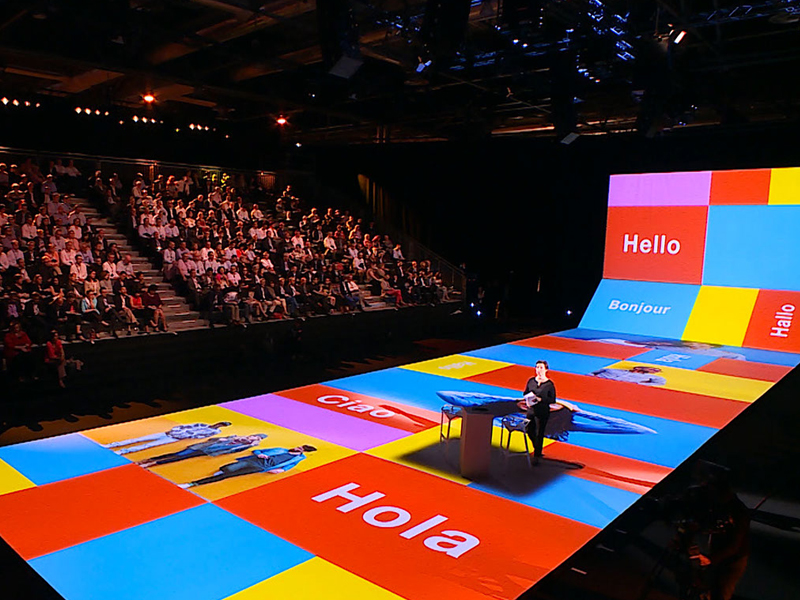
Interactive floor LED displays have rapidly expanded across industries, offering immersive, participatory experiences in multiple sectors.
· Large concerts, live shows, and music festivals benefit from floors that react dynamically to performers’ movements, enhancing stage visuals and audience engagement.
· Shopping malls, flagship stores, and auto shows use interactive floors to draw customer attention, encouraging participation in games or promotional activities.
· Floors can display promotions, brand messages, or themed visuals, extending the brand experience.
· Theme parks and museum installations use interactive floors for immersive storytelling. Visitors trigger animations that enhance exploration and learning.
· In science museums, floors can simulate physical phenomena, such as flowing rivers or star constellations, making education interactive and engaging.
· Interactive floors offer gamified learning platforms, enhancing student engagement, collaboration, and social interaction.
· They can host movement-based educational games, combining exercise and learning seamlessly.
· Hospitals and rehabilitation centers use interactive floors to design therapeutic games for patients.
· Patients regain mobility and practice walking in a fun, engaging environment, accelerating recovery.
· Public infrastructure & smart cities: interactive wayfinding, landmark installations
· Nightlife & entertainment: dance floors, staircase lighting
· Fitness centers & sports venues: gamified workouts and training programs
 +86 18688923792
  andy@tosled.com