






Industry news


View: 475

Release time:2026-05-11
Ring-shaped LED displays have become increasingly popular in esports arenas.
These suspended circular screens provide several important advantages.
Better Visibility for Upper Seating Areas
Audiences seated farther from the main stage can still view gameplay and match information clearly.
Reduced Viewing Obstruction
Unlike oversized front-facing screens, ring displays distribute visual content more evenly throughout the venue.
Enhanced Stage Symmetry
Circular displays create balanced visual composition while strengthening arena immersion.
Improved Sponsor Exposure
Sponsors gain better visibility from multiple audience angles without overwhelming the primary gameplay presentation.
The Role of Fine Pixel Pitch in Esports Displays
Pixel pitch refers to the distance between individual LED pixels.
In esports venues, fine pixel pitch displays play a critical role because audiences often sit relatively close to the screen.
Smaller pixel pitch values provide:
Sharper gameplay visuals
Smoother motion rendering
Better text readability
Reduced pixelvisibility
Fine-pitch LED systems also improve camera performance during live broadcasts and streaming productions.
Broadcast Requirements and Camera Optimization
Esports events operate simultaneously as live experiences and global broadcasts.
Therefore, LED displays must perform well not only for arena audiences but also for cameras.
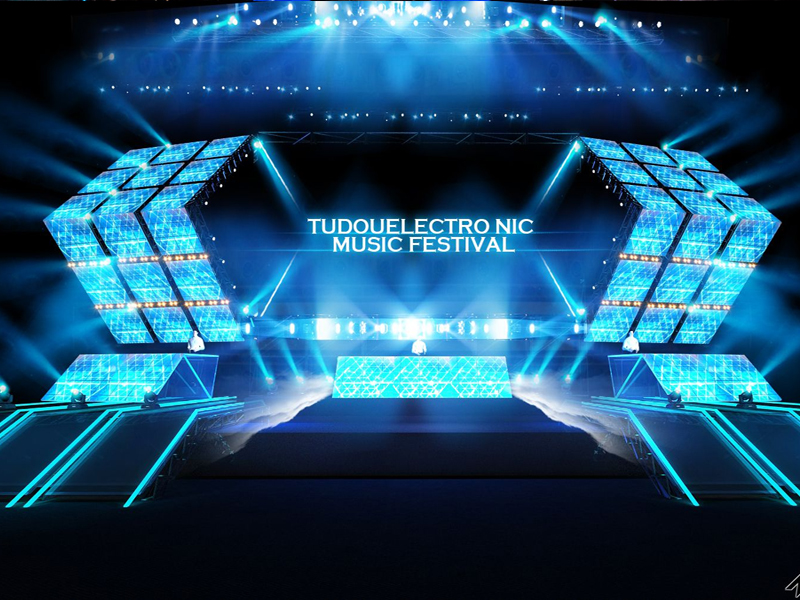
Modern esports LED systems include:
High refresh rates
Scan optimization
Moiré reduction technology
Broadcast synchronization
Flicker-free performance
These features help create smooth visuals for livestreams, television broadcasts, and replay systems.
Future Trends in Esports LED Stage Design
Esports production technology continues advancing rapidly.
Future arenas will likely incorporate:
Fully immersive 360-degree LED environments
Transparent LED structures
Interactive audience displays
AI-controlled visual synchronization
Mixed reality stage integration
Real-time adaptive brightness systems
At the same time, seamless viewing experiences will remain a top priority.
The most successful esports venues will combine visual spectacle with intelligent engineering that serves every audience member equally.
Conclusion
Modern esports arenas rely heavily on seamless LED splicing technology and ultra-wide viewing angle engineering to deliver immersive audience experiences.
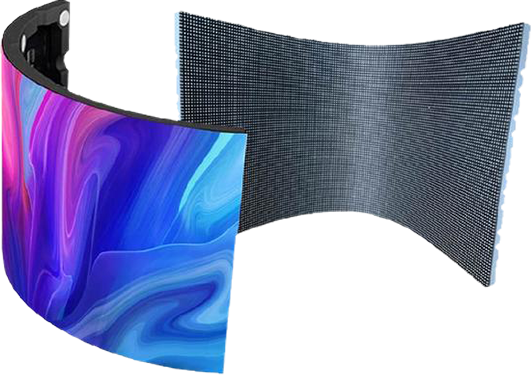
Through curved display structures, real-time calibration, HDR processing, fine pixel pitch technology, and intelligent brightness synchronization, today’s LED systems successfully reduce visual distortion and brightness degradation across large venues.
The combination of central LED main screens and suspended ring displays allows esports organizers to create visually spectacular stages while ensuring that audiences from every seating angle enjoy clear, consistent, and engaging gameplay visuals.
As esports continues growing into a global entertainment industry, advanced LED display technology will remain one of the key drivers shaping the future of live competitive gaming.
 +86 18688923792
  andy@tosled.com