





Industry news


View: 747

Release time:2026-01-14
LED screens have become a core part of modern visual communication. You can see them everywhere—from eye-catching street billboards to dynamic retail displays. As LED technology continues to evolve, new display types now serve different needs. One of the most popular innovations is the transparent LED screen.
For many projects, traditional LED screens remain the first choice because they deliver stable performance and fit a wide range of standards. At the same time, transparent LED screens attract growing attention thanks to their high transparency, light weight, and low energy use.
This wide range of options often creates confusion. Business owners planning store upgrades, event organizers designing stages, and marketers running ad campaigns all face the same question: Which LED screen best matches my goals, budget, and environment?
This article explains the key differences between transparent LED screens and traditional LED screens, so you can make a confident and informed decision.
Although both products belong to LED display technology, they differ greatly in structure, visual performance, and application scenarios. These differences directly affect how and where you should use them.
Traditional LED screens work by combining N-type and P-type semiconductors. When electricity flows through the junction, electrons and holes recombine and release energy as light. This process produces light directly, without first converting energy into heat, which makes LED displays highly efficient.
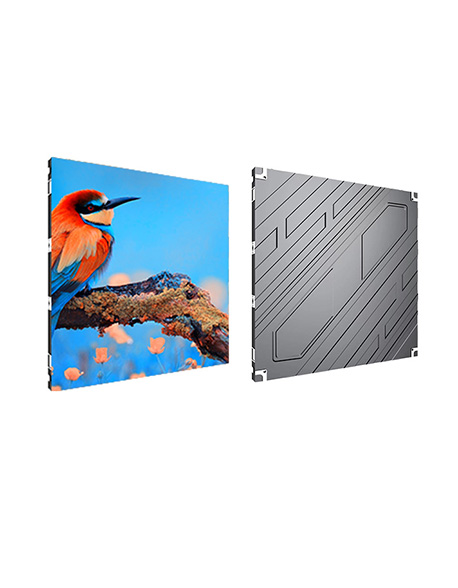
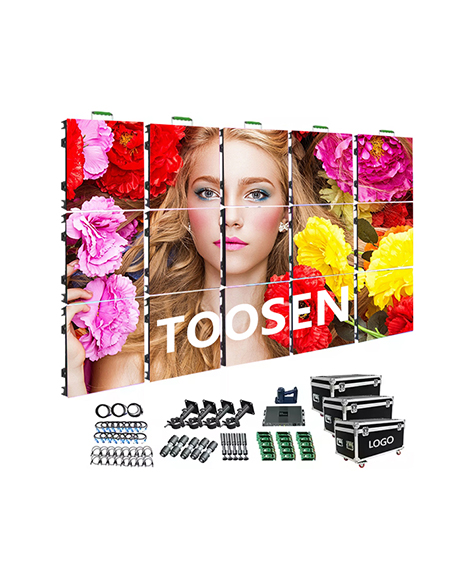
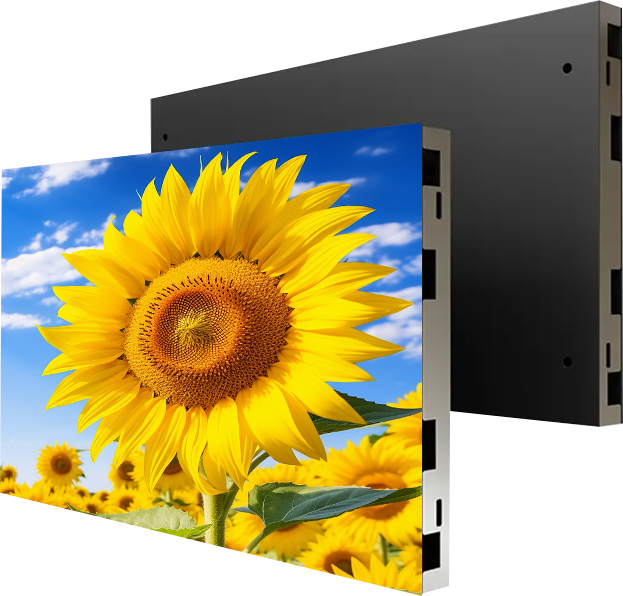
A traditional LED display system typically includes:
Metal frame
Because of this solid structure, traditional LED screens deliver strong brightness, stable colors, and reliable long-term performance.
Transparent LED screens use tiny LED dot matrices mounted on clear materials such as glass or plastic. Each dot includes red, green, and blue LEDs. Transparent substrates support the LEDs, while drive circuits control brightness and color. Transparent conductive layers distribute current evenly across the screen.
When power runs through the LEDs, they emit light while allowing background light to pass through. This design creates a see-through visual effect. Transparent LED screen installation methods.
Transparent LED screens offer several clear advantages:
Light transmittance of 70%–95%
These features make transparent LED screens ideal for modern architectural and creative displays.

This is the most important factor. If the installation area must keep natural light or remain visually open—such as glass curtain walls, shop windows, stage backdrops, or vehicle windows—transparent LED screens are the best choice.
If the space is closed or does not require light transmission, such as conference rooms or outdoor billboards, traditional LED screens offer better value.
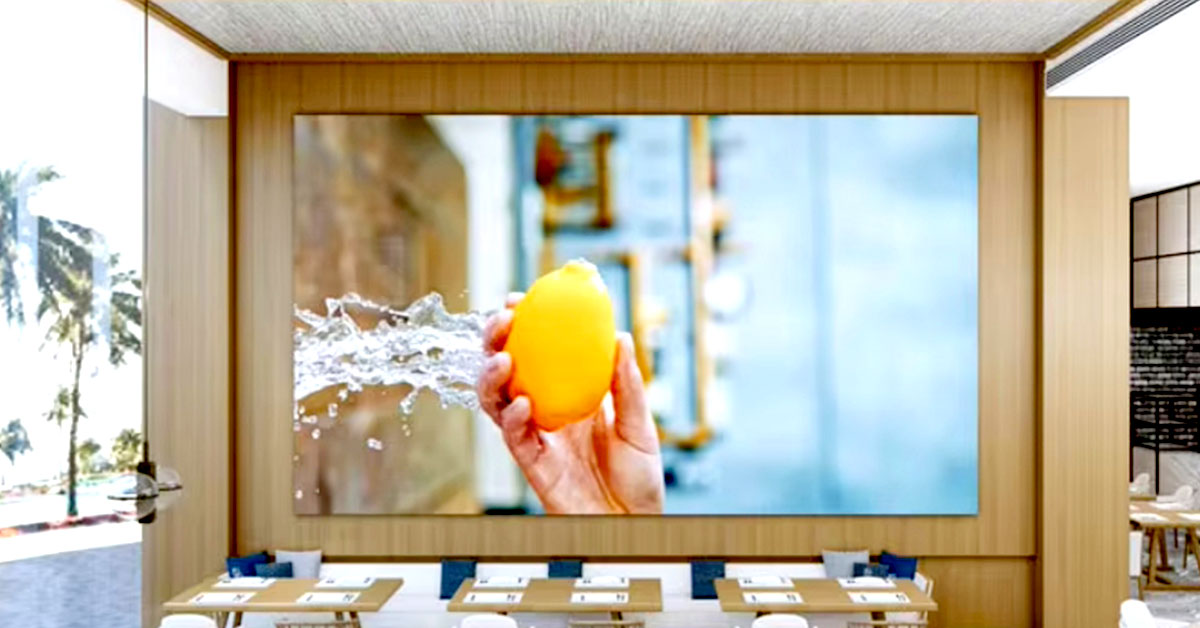
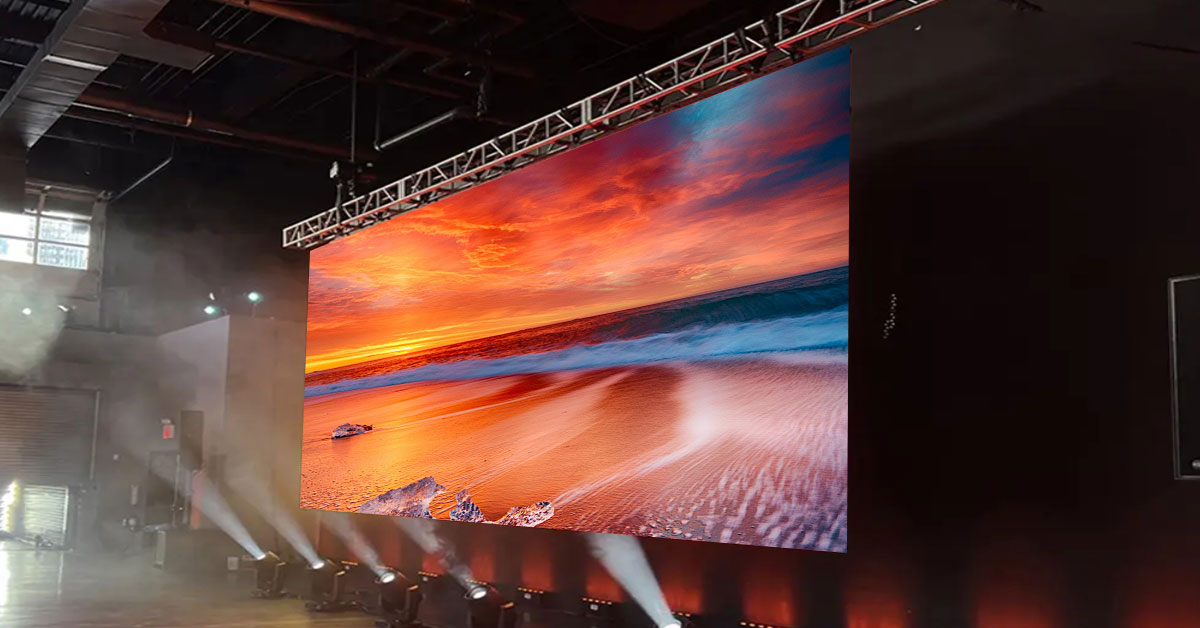
Traditional LED screens provide higher pixel density, stronger contrast, and more accurate color reproduction. They work best for HD video playback, live broadcasting, and data visualization.
Transparent LED screens usually have a larger pixel pitch due to their structure. They perform well for dynamic text, logos, and simple visuals, but they do not focus on ultra-fine image details.
Transparent LED screens feature a slim and lightweight design. They do not require heavy steel structures and install easily on glass surfaces or in areas with strict weight limits.
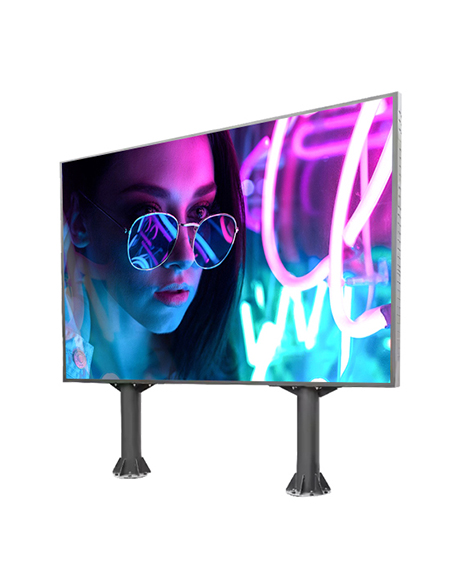
Traditional LED screens are thicker and heavier. They need strong mounting frames or wall support, which makes them better suited for large fixed installations such as outdoor video walls or exhibition halls.
Transparent LED screens involve higher technical requirements, so their price is usually two to three times higher than traditional LED screens. Maintenance costs can also be slightly higher.
If you have a limited budget or need a cost-effective solution with strong visual impact, traditional LED screens remain the smarter choice.
Your choice between a transparent LED screen and a traditional LED screen depends on your project priorities.
If you value natural light, open space, and architectural aesthetics, a transparent LED screen delivers the best results.
If you focus on image quality, stability, and cost efficiency, a traditional LED screen meets your needs more effectively.
Looking for the right LED display for your project? Contact us today for expert advice and a custom quote. Toosen’s professional team is ready to support you at every step.
1. Are transparent LED screens bright enough for commercial use?
Yes. Transparent LED screens offer sufficient brightness for indoor and semi-outdoor applications while maintaining high transparency.
2. Do traditional LED screens last longer than transparent LED screens?
Both types offer long lifespans. However, traditional LED screens usually perform better in harsh outdoor environments.
3. Can transparent LED screens replace traditional LED billboards?
Not completely. Transparent LED screens work best for glass-based and creative displays, while traditional LED screens remain ideal for large, high-impact advertising.
 +86 18688923792
  andy@tosled.com