


Industry news


View: 393

Release time:2026-05-14
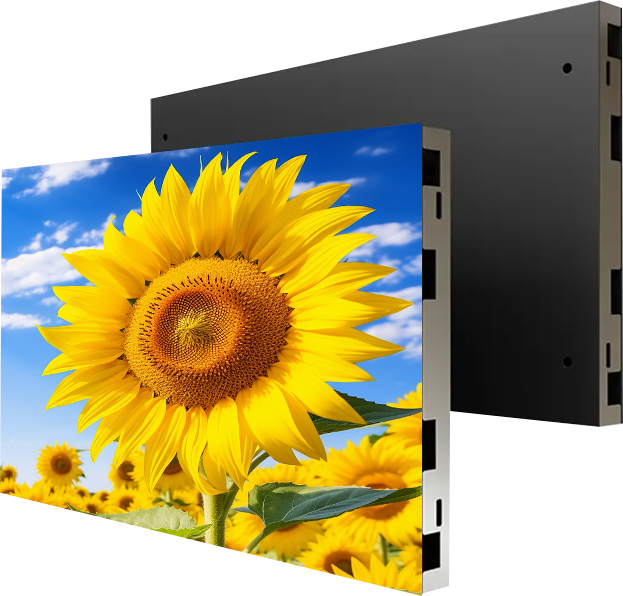
Small-size LED modules have become one of the core technologies behind modern creative LED displays. Because these modules offer higher flexibility, tighter splicing, and better adaptability to complex structures, they allow designers to build shapes that traditional large cabinets cannot achieve.
As the demand for immersive architecture and digital art continues to grow, small LED modules now play a major role in curved, spherical, and freeform display projects.
Below are the most common application scenarios.
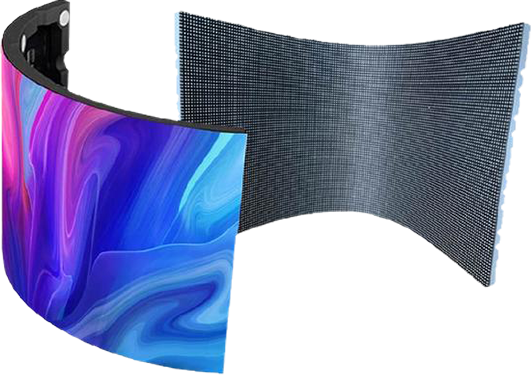
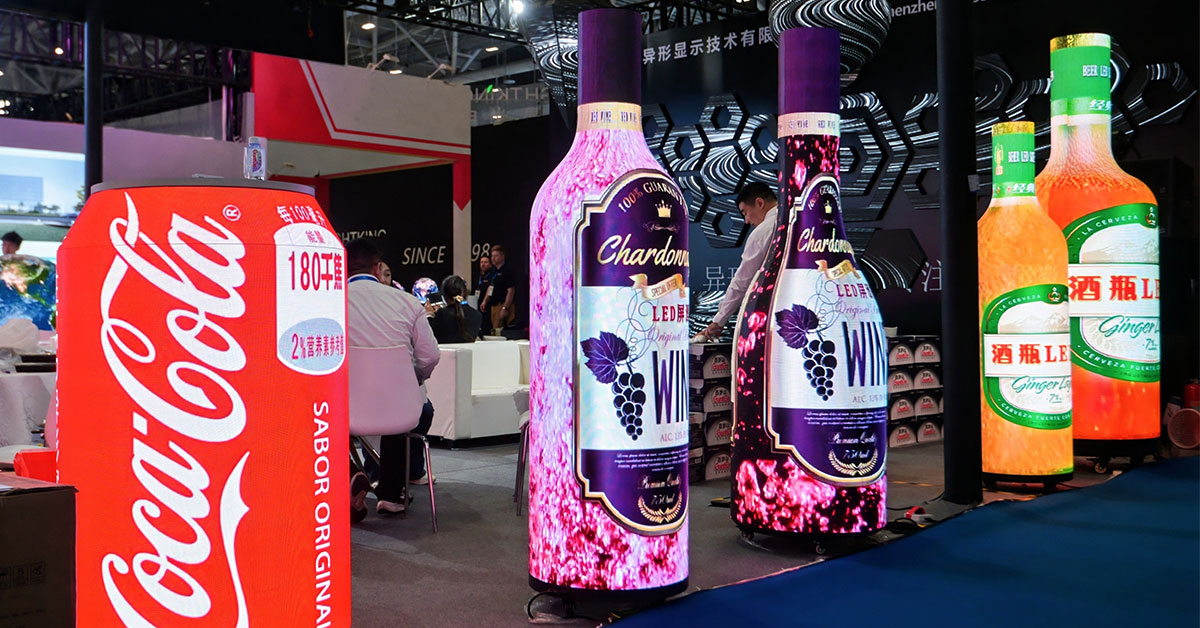
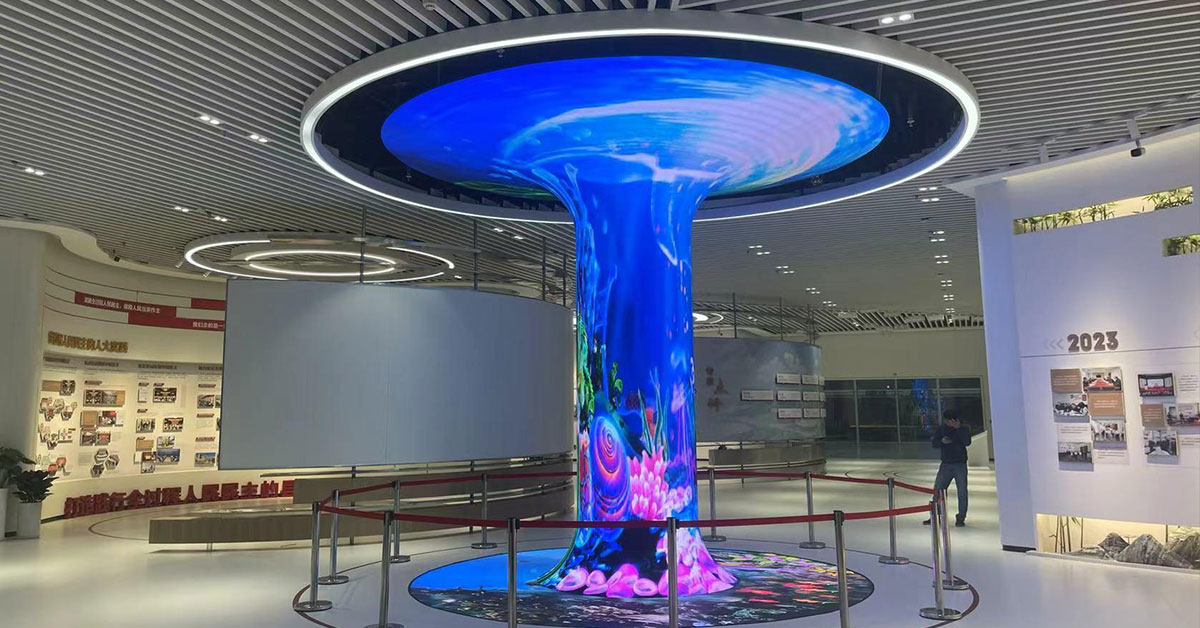
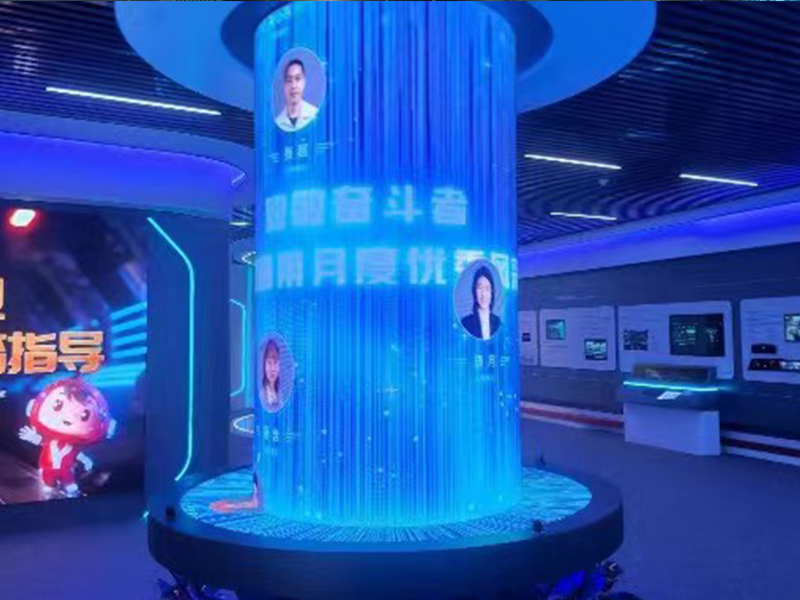
Small LED modules work especially well in curved installations and cylindrical structures.
Typical applications include:
shopping mall columns
indoor cylindrical displays
wrapped advertising pillars
elevator lobby curved walls
hotel lobby feature walls
curved storefront windows
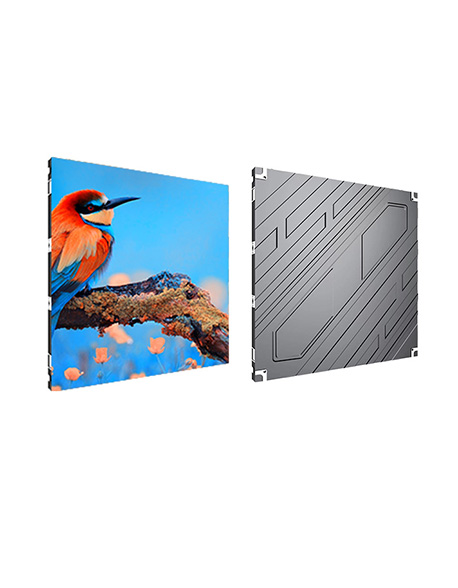
Because small modules often measure 160×160 mm or smaller, they can adapt to tighter radii more easily than large rigid cabinets.
This creates several advantages:
smaller panel gaps
smoother curves
reduced visible segmentation
lower structural stress
improved installation precision
In addition, smaller modules reduce the risk of cracking or deformation when engineers build compact curved surfaces.
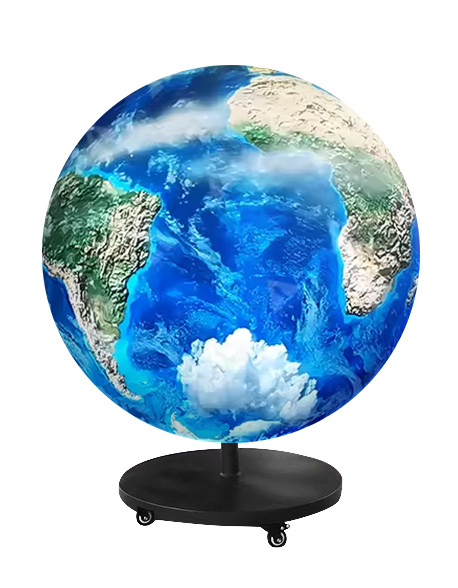
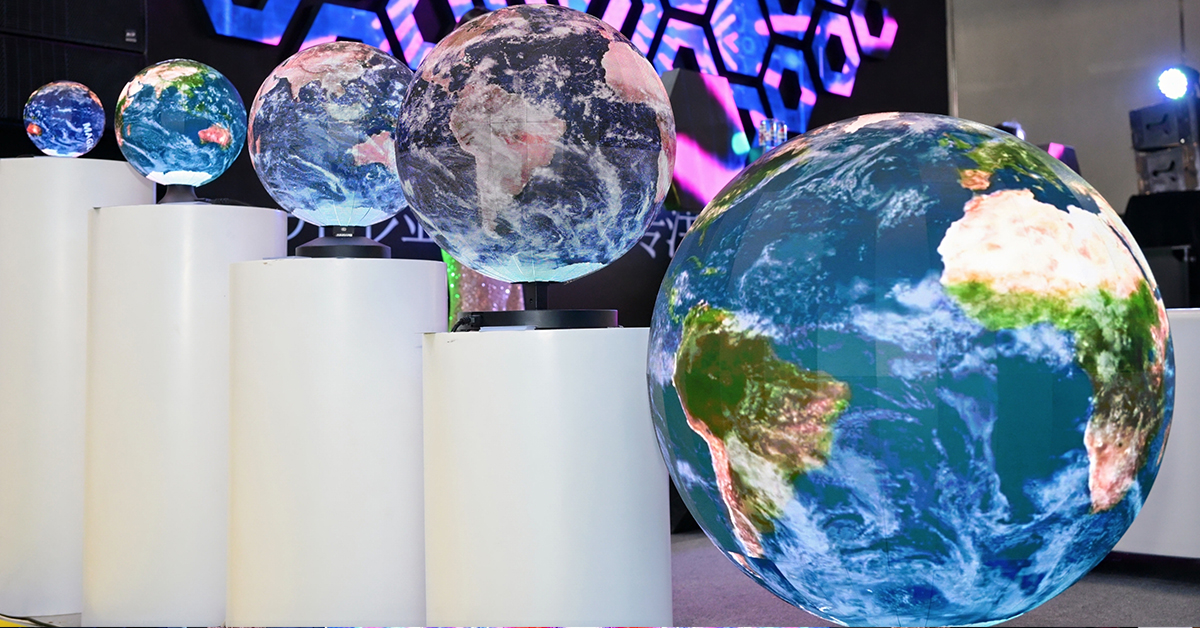
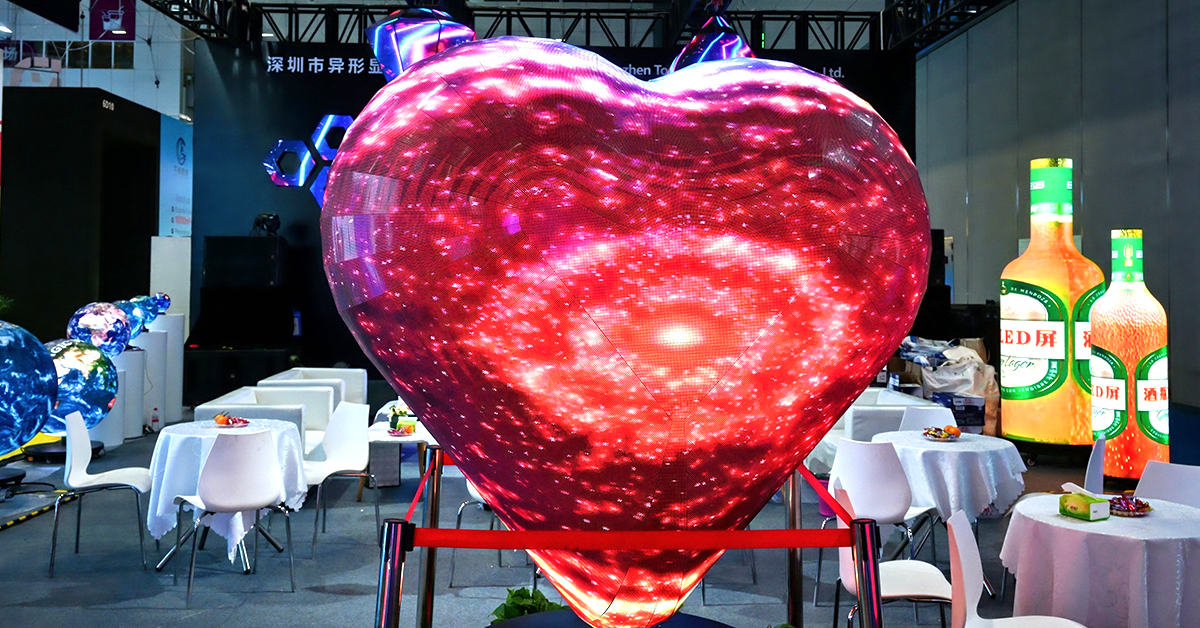
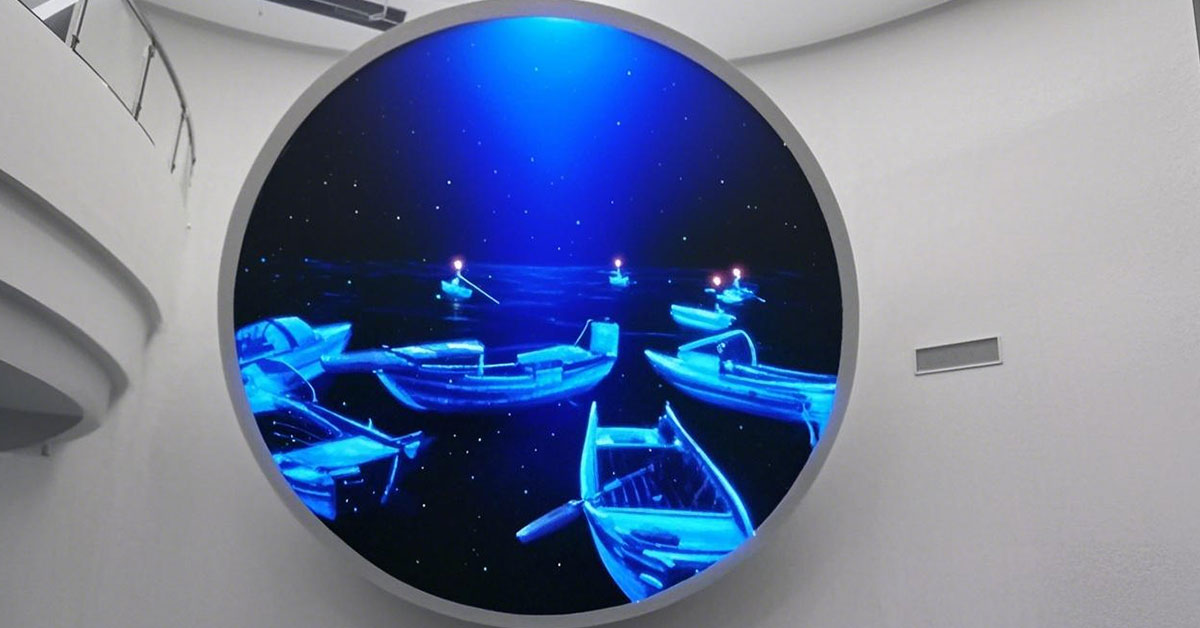
Sphere-shaped LED displays represent one of the most iconic applications for small modules.
Common examples include:
suspended LED spheres in shopping malls
immersive dome theaters
planetarium star ceilings
museum sphere installations
hemispherical digital art structures
These projects usually rely on:
hexagonal modules
honeycomb module layouts
customized miniature cabinets
to create smooth spherical geometry.
The smaller the module size, the easier it becomes to approximate a true sphere while minimizing seams.
As a result, designers can achieve:
near-360° viewing
ultra-small gaps
minimal black borders
smoother visual continuity
This technology has become especially important in immersive entertainment and digital art spaces.
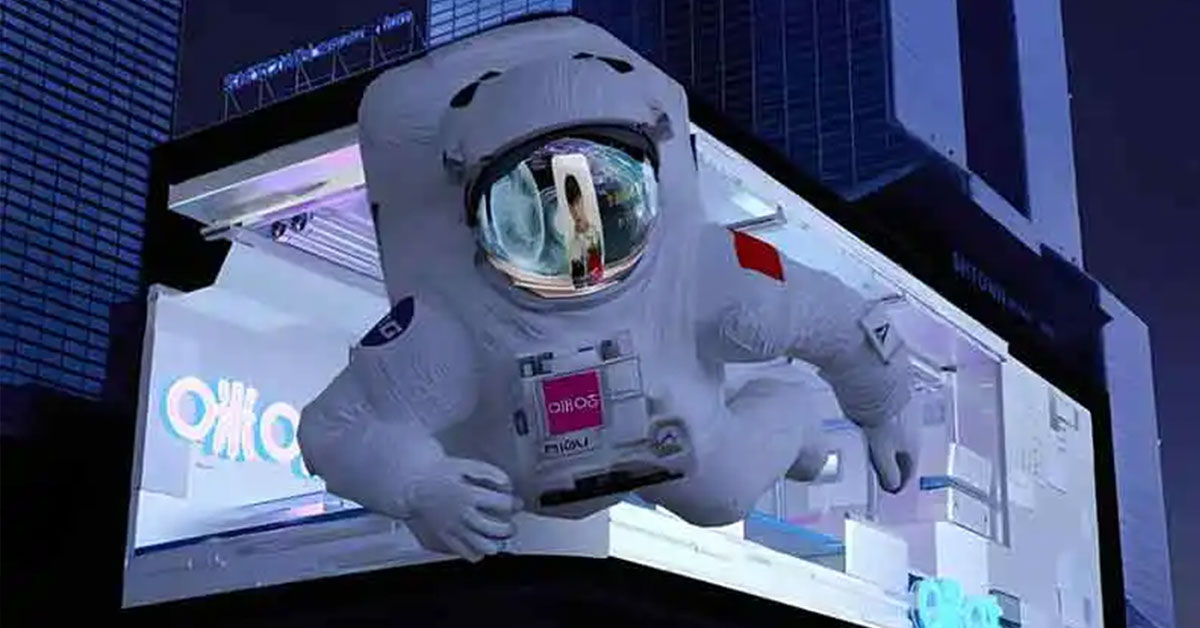
Modern architecture increasingly favors fluid and organic forms.
Small LED modules make these structures possible.
Typical applications include:
airport wave ceilings
railway station media canopies
hotel lobby flowing ceilings
exhibition hall ribbon displays
curved architectural façades
Manufacturers often combine:
trapezoidal modules
flexible cabinets
adjustable mounting systems
to create continuous three-dimensional curves.
Compared with conventional flat panels, small modules allow designers to maintain smoother transitions across complex surfaces.
This gives buildings a more futuristic and immersive appearance.
The entertainment industry heavily depends on small modular LED systems.
Concerts, product launches, theaters, and television studios frequently use:
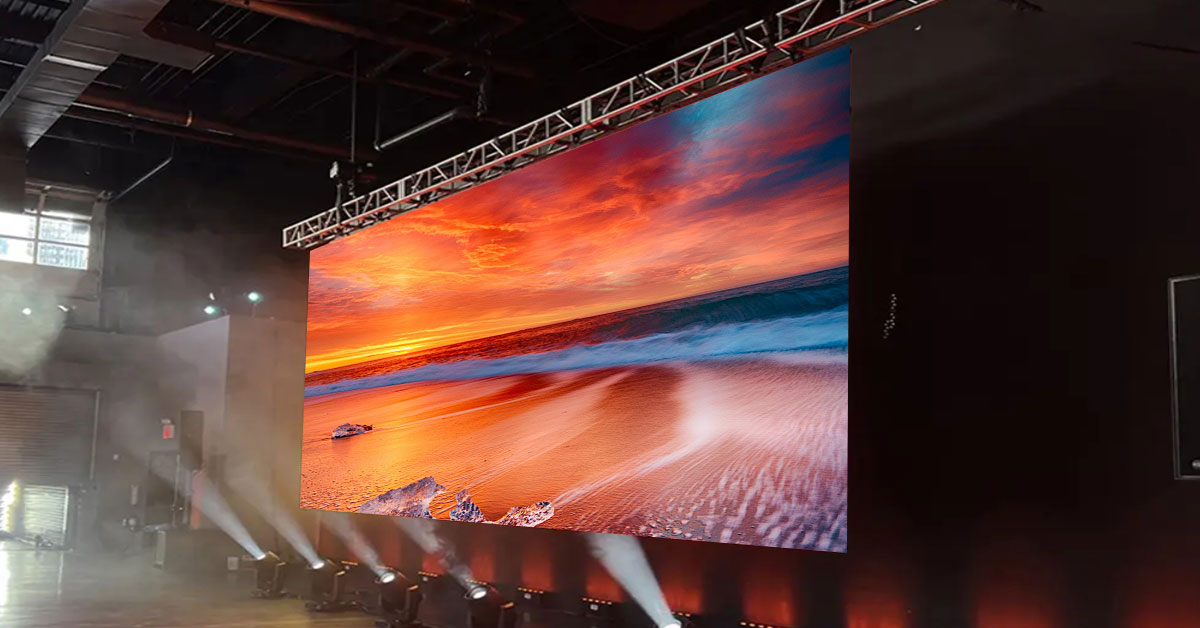
curved background walls
circular stage displays
semi-ring LED screens
curved ceiling canopies
wraparound side screens
Small modules allow technicians to adjust curvature more precisely during setup.
As a result, designers can create:
gentle arcs
semicircular stages
full circular LED environments
without large visual interruptions.
This flexibility also improves camera performance in broadcast environments because smoother curves reduce harsh visual transitions.
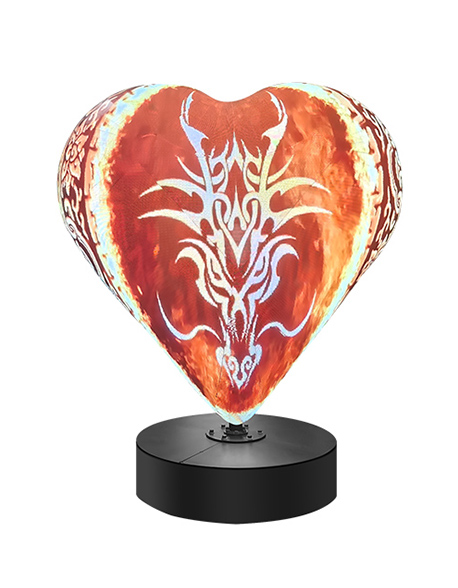
Small LED modules unlock much greater creative freedom for artists and architects.
They support projects such as:
irregular polygon displays
freeform digital sculptures
museum LED art pieces
interactive exhibition installations
urban landmark light sculptures
In general, smaller modules provide higher geometric flexibility.
That means designers can build:
sharper angles
more complex curves
organic surfaces
unconventional spatial forms
with greater accuracy.
For creative installations, module miniaturization directly increases design freedom.
One of the biggest future trends is the integration of LED technology directly into building structures.
Instead of attaching displays onto architecture, designers increasingly want the display itself to become part of the building skin.
Small Micro LED modules will play a major role in this transition.
Future applications include:
curved media façades
illuminated glass roofs
digital building corners
curved beam structures
intelligent architectural surfaces
Because smaller modules conform more easily to structural geometry, they allow LED displays to blend naturally into architectural forms.
This trend pushes LED technology beyond traditional screens and transforms it into a permanent construction material.
In many future smart-city projects, curved LED surfaces may become as common as glass curtain walls are today.
The core advantage of small LED modules is simple:
Smaller modules create greater geometric freedom.
They allow engineers and designers to:
reduce visible seams
improve curvature smoothness
simplify irregular splicing
support complex three-dimensional structures
As creative LED applications continue expanding, small modular systems will remain one of the key foundations of the irregular display industry.
From spherical installations to immersive architecture, the future of creative LED design increasingly depends on compact, highly adaptable modular technology.
 +86 18688923792
  andy@tosled.com