
News
Most genuine customer feedback, highly informative technical support videos, and our latest updates!
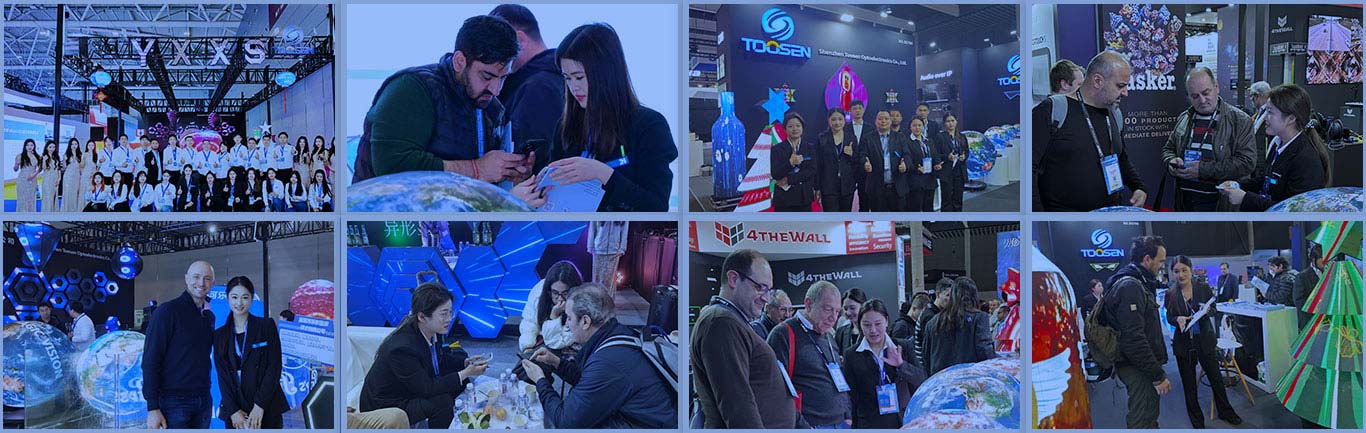
Most genuine customer feedback, highly informative technical support videos, and our latest updates!

View: 142

Release time:2026-08-17
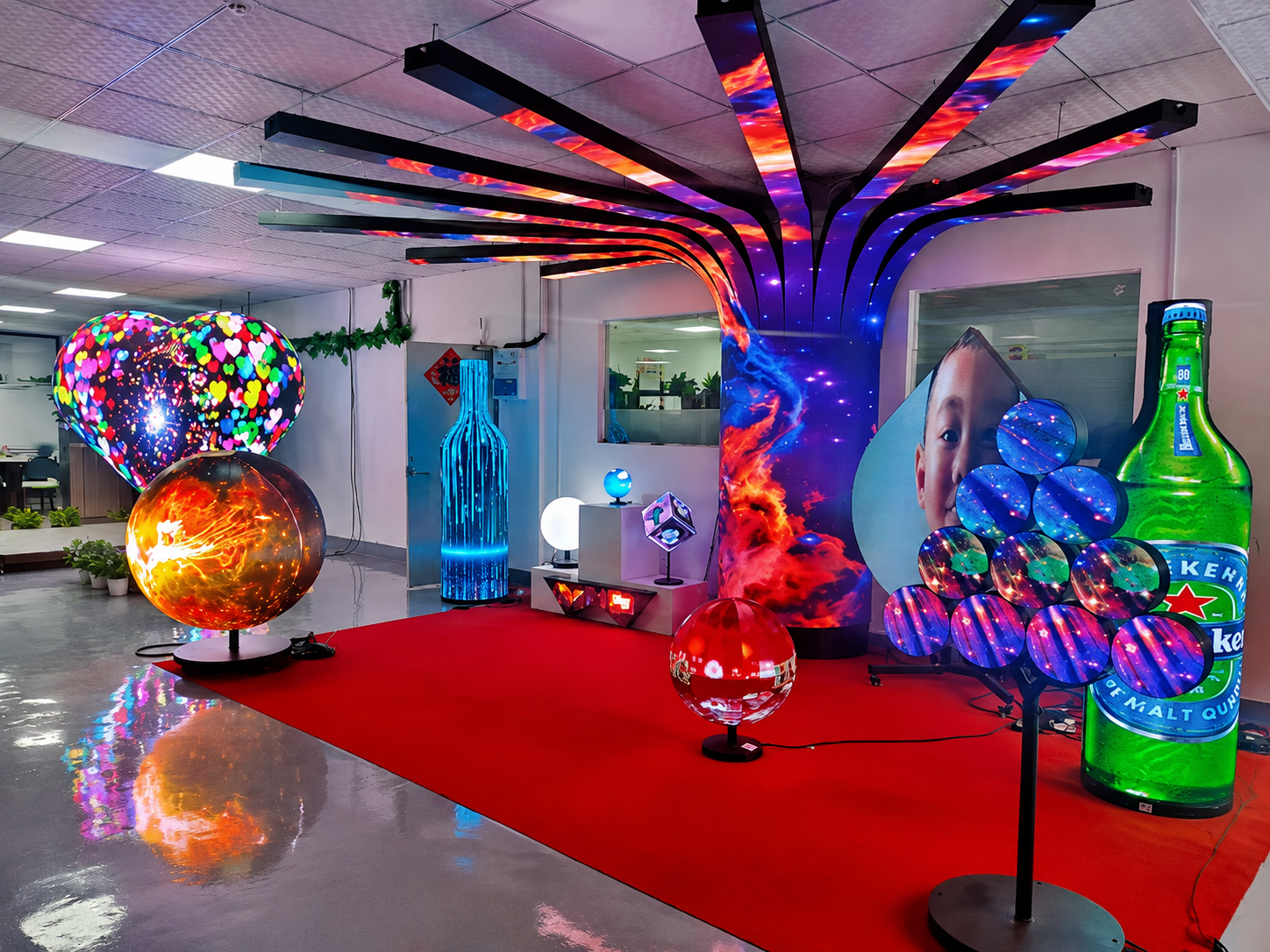
Maintenance cost is more than replacing a damaged LED module. A complete maintenance budget may include:
LED module replacement
Power supply replacement
Receiving card and control system repair
Cable and connector replacement
Color and brightness calibration
Cleaning and inspection
Labor and technical support
Spare parts
Transportation
High-access equipment for difficult installations
For a standard rectangular LED wall, replacing a module can be relatively simple. For a custom shaped LED display, the process may be different because modules, frames and mounting structures are designed around a specific shape.
This is why buyers should consider the total cost of ownership rather than comparing only the initial screen price.
Shape complexity is one of the biggest factors affecting special shaped LED screen maintenance.
A normal LED wall uses repeated rectangular cabinets. Technicians are familiar with the structure, and replacement parts are generally easy to identify.
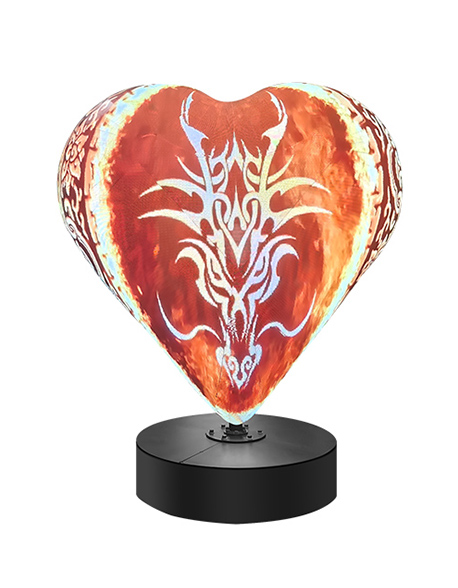
Creative displays may use curved modules, customized PCBs, special frames or individually designed mounting systems.
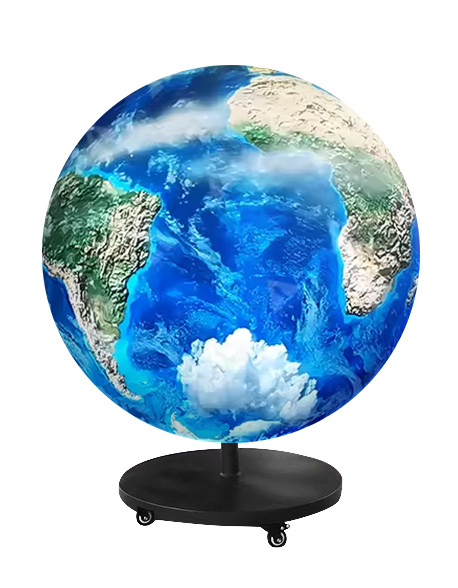
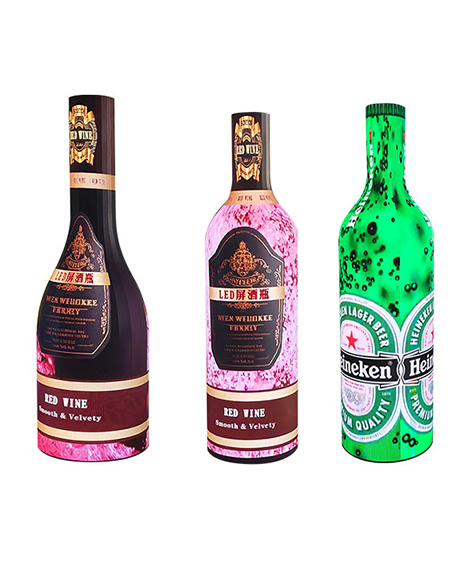
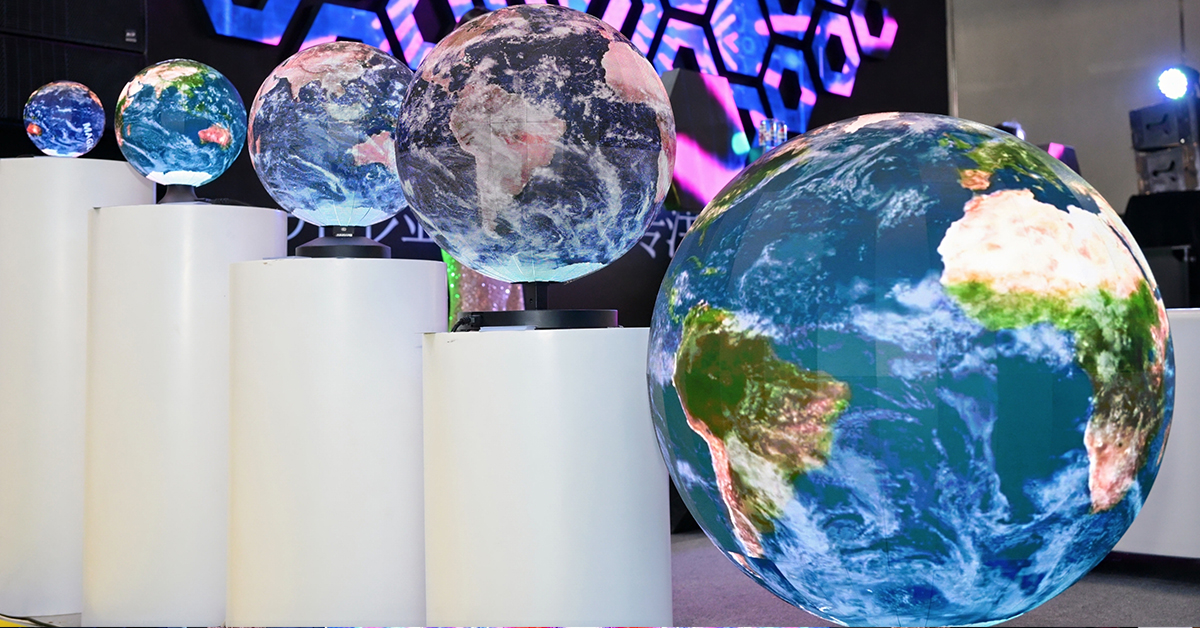
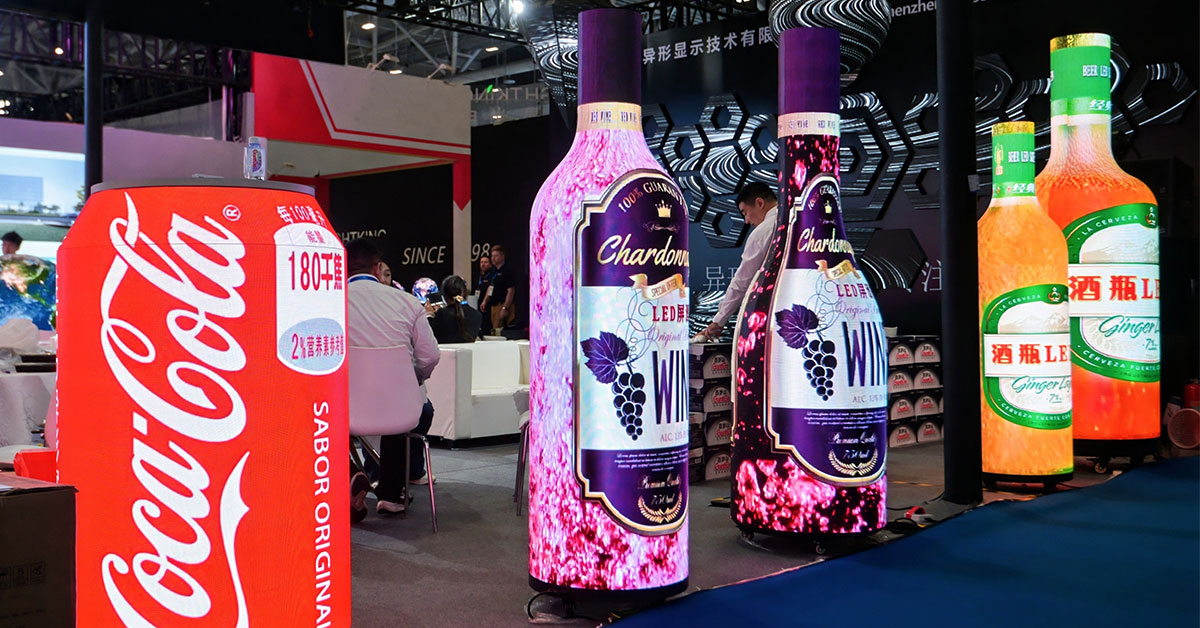
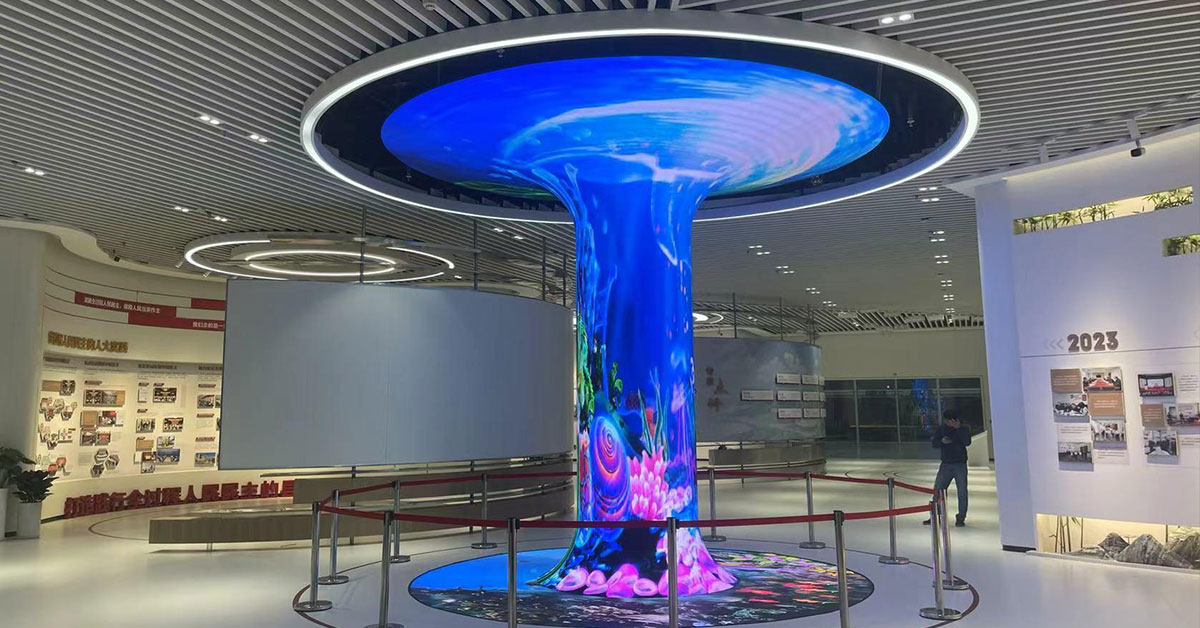
For example, a [spherical LED display] may contain modules arranged at different angles to create a seamless 360-degree surface. A cylindrical screen requires careful module alignment around the entire structure. Bottle and can-shaped displays can involve even smaller curves and customized frames.
As the structure becomes more complex, repair access and replacement can require more time.
The LED module is one of the most frequently serviced parts of an LED screen.
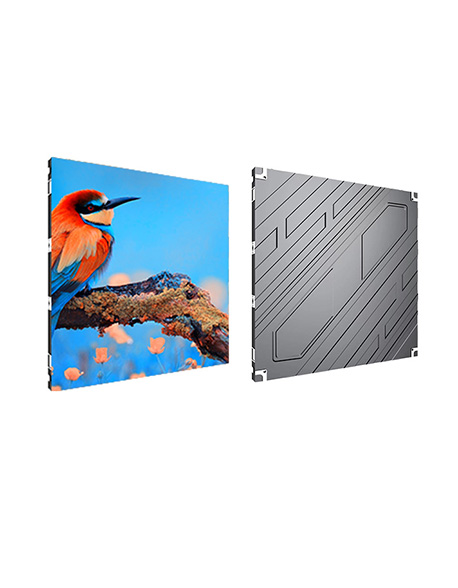
Modular design can significantly reduce maintenance costs because technicians can replace one damaged section instead of removing a large part of the display.
For highly customized projects, keeping spare modules from the original production batch is especially important. LEDs produced at different times may show small differences in brightness or color after long-term use.
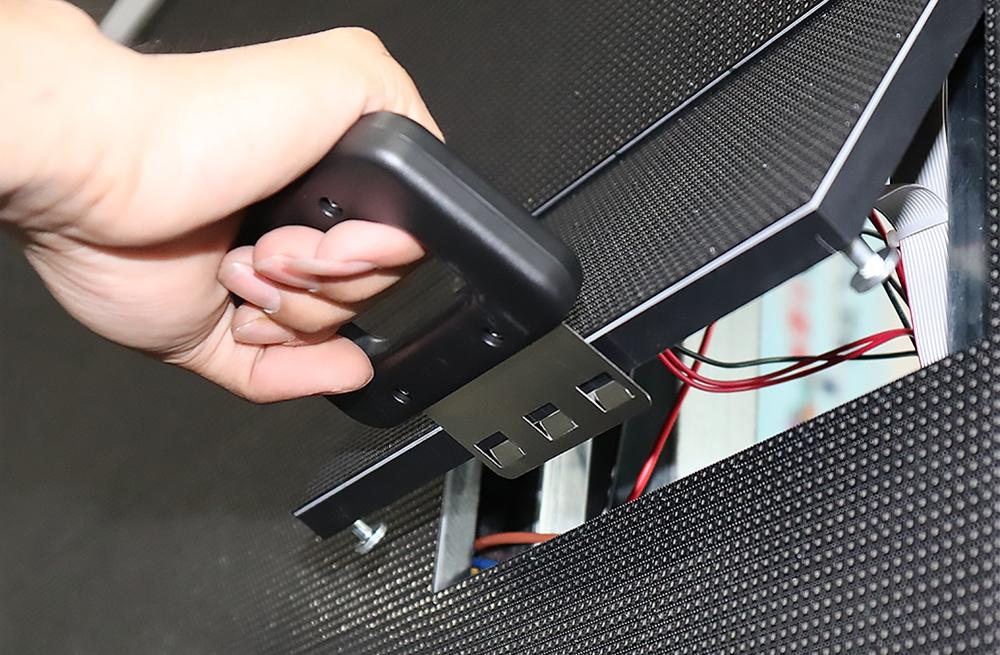
Maintenance access should be considered during the design stage.
Front-maintenance LED screens allow technicians to remove modules and components from the viewing side. This can be useful when the display is installed against a wall or inside a structure with little rear access.
Rear maintenance can be simple when enough service space is available.
Neither method is always better. The right choice depends on the installation.
A well-designed maintenance path can reduce labor time every time the screen needs service.
A screen installed at ground level is generally easier and cheaper to service than one hanging several meters above the floor.
Consider a large LED sphere suspended inside a shopping mall. Even a small repair may require a lift, safety equipment and additional technicians.
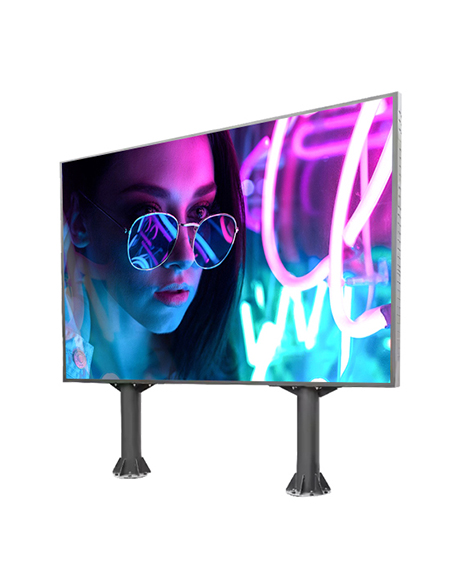
Outdoor installations can also require more inspections because the display is exposed to rain, dust, temperature changes and sunlight.
Therefore, installation location should be considered when calculating long-term creative LED display maintenance cost.
Fine-pitch LED displays contain more pixels in the same display area.
They provide excellent image detail for close viewing, but the higher component density can make repair and calibration more precise.
For applications viewed from farther away, choosing an unnecessarily small pixel pitch may increase both the initial investment and future maintenance requirements.
The best pixel pitch should balance viewing distance, image quality and budget.
This is one of the most overlooked issues when purchasing a custom LED display.
Standard LED panels may be easier to replace, while a custom-shaped module could be designed specifically for one project.
Before ordering, buyers should ask:
Will replacement modules still be available several years later?
Keeping spare LED modules, receiving cards, power supplies and other critical components can prevent a small failure from becoming a long period of downtime.
| LED Screen Type | Main Maintenance Challenge | Cost Consideration |
|---|---|---|
| Standard LED Wall | Regular rectangular modules | Usually easiest to service |
| Curved LED Display | Module curvature and alignment | Requires correct flexible modules |
| Cylindrical LED Display | 360° structure and access | Access design is important |
| Spherical LED Display | Complex geometry | Specialized modules may be required |
| Bottle/Can LED Display | Small curved structure | Custom spare parts are important |
| Outdoor Shaped LED | Weather exposure | Waterproofing needs regular inspection |
The table shows why there is no fixed maintenance price for every creative LED project.
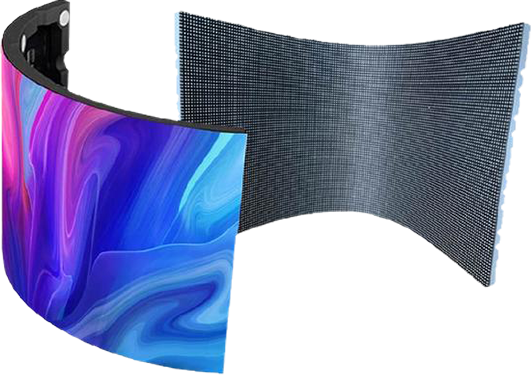
A [flexible LED display] used for a simple indoor curve, for example, may be easier to service than a large outdoor sphere installed high above the ground.
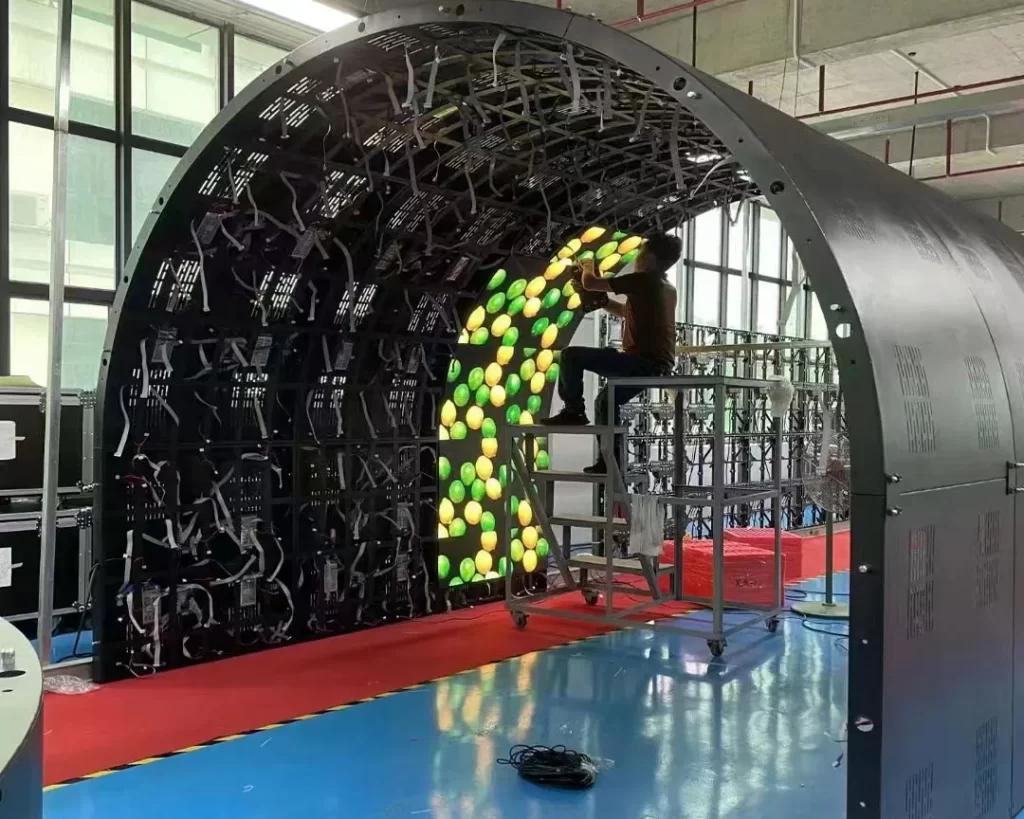
The best way to reduce maintenance expenses is to consider maintenance before manufacturing begins.
First, choose a modular structure. Individual sections should be removable without dismantling the entire display.
Second, purchase spare modules together with the original screen. Using modules from the same production batch can make future replacement and color matching easier.
Third, make sure power supplies, receiving cards and important cables are accessible.
Fourth, choose the correct protection level for the environment. Outdoor installations need appropriate waterproofing and weather resistance.
Finally, work with a manufacturer that can continue supplying technical support and replacement components after installation.
A slightly cheaper screen can become expensive if replacement parts are difficult to obtain.
Do not wait until the screen stops working.
Regular inspection can identify loose cables, damaged modules, ventilation problems, moisture or abnormal power conditions before they develop into larger failures.
A basic maintenance schedule should include visual inspection, surface cleaning, ventilation checks, cable inspection and image testing.
For outdoor displays, waterproof seals and drainage areas should also be checked periodically.
Preventive maintenance is particularly valuable for screens installed in commercial locations where downtime can affect advertising campaigns, events or visitor experience.
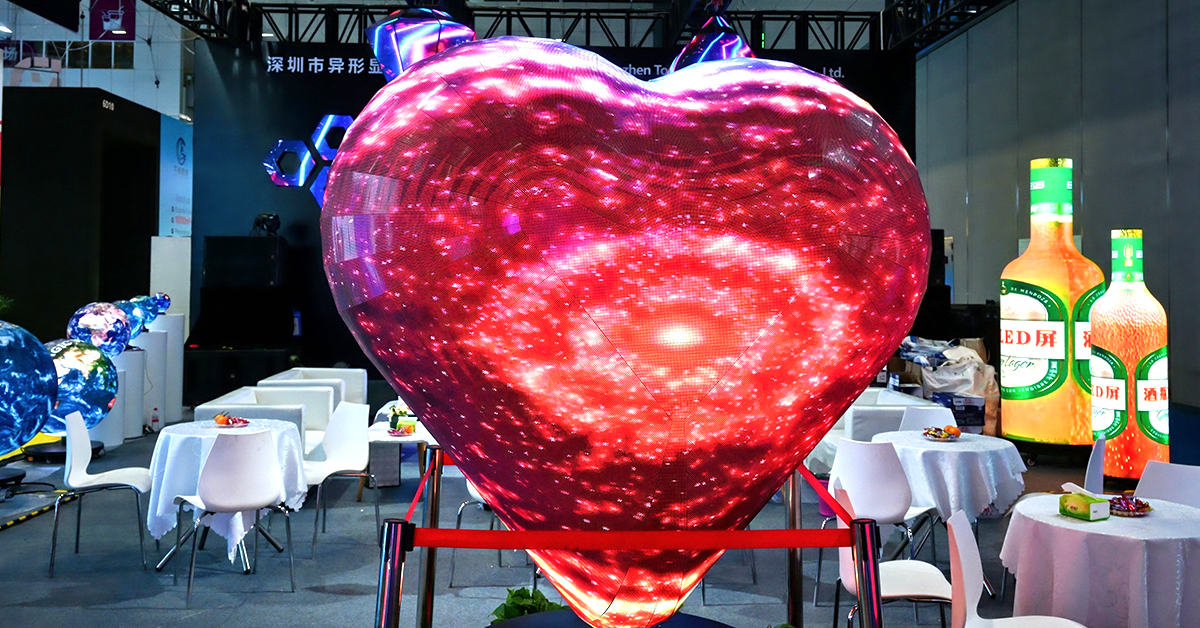
TOOSEN provides customized LED display solutions including spherical, cylindrical, curved, bottle-shaped and other irregular LED structures.
The company supports both indoor and outdoor projects and offers custom shapes, sizes and pixel pitches according to project requirements.
For international customers, another important factor is after-sales support. TOOSEN products have been supplied to markets including the United States, Denmark, South Korea and Germany. Overseas stock and warehouse support can help shorten delivery times for selected products and spare parts.
TOOSEN also provides:
Competitive factory pricing
Ready-stock options for selected LED displays
Custom OEM/ODM solutions
Overseas warehouses and offices
International exhibition support
Installation, debugging and technical assistance
Spare parts and maintenance support
Regular overseas customer service and inspection programs
These services are particularly useful for custom LED projects because long-term technical support can be just as important as the initial product price.
The custom shaped LED display maintenance cost depends on much more than the price of replacement modules.
Screen shape, maintenance access, installation height, pixel pitch, environment, spare parts and technical support can all affect the final cost.
The most effective strategy is to plan for maintenance during the design stage. Modular construction, accessible components and sufficient spare parts can reduce repair time and prevent unnecessary downtime.
Not always. A complex shape can require more specialized maintenance than a standard LED wall, but good modular design and easy access can keep repair costs under control.
The schedule depends on usage and environment. Commercial screens should be inspected regularly, while outdoor displays normally require additional checks for waterproofing, ventilation and environmental damage.
 +86 18688923792
  andy@tosled.com