

News
Most genuine customer feedback, highly informative technical support videos, and our latest updates!
Most genuine customer feedback, highly informative technical support videos, and our latest updates!

View: 181

Release time:2026-08-10
Modern museums are changing from traditional exhibition spaces into interactive learning environments. Visitors today expect more than static displays and printed explanations. They want experiences that allow them to explore, understand, and interact with information.
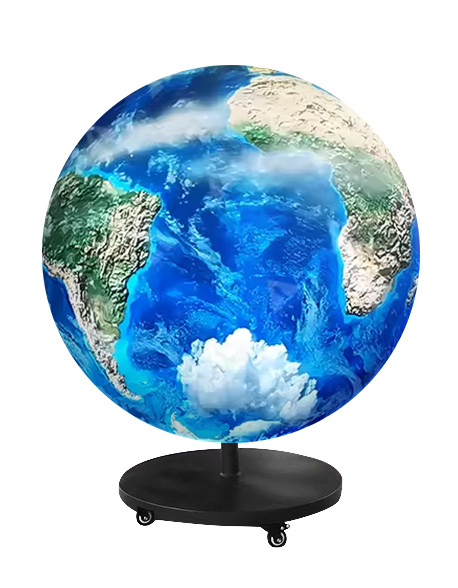
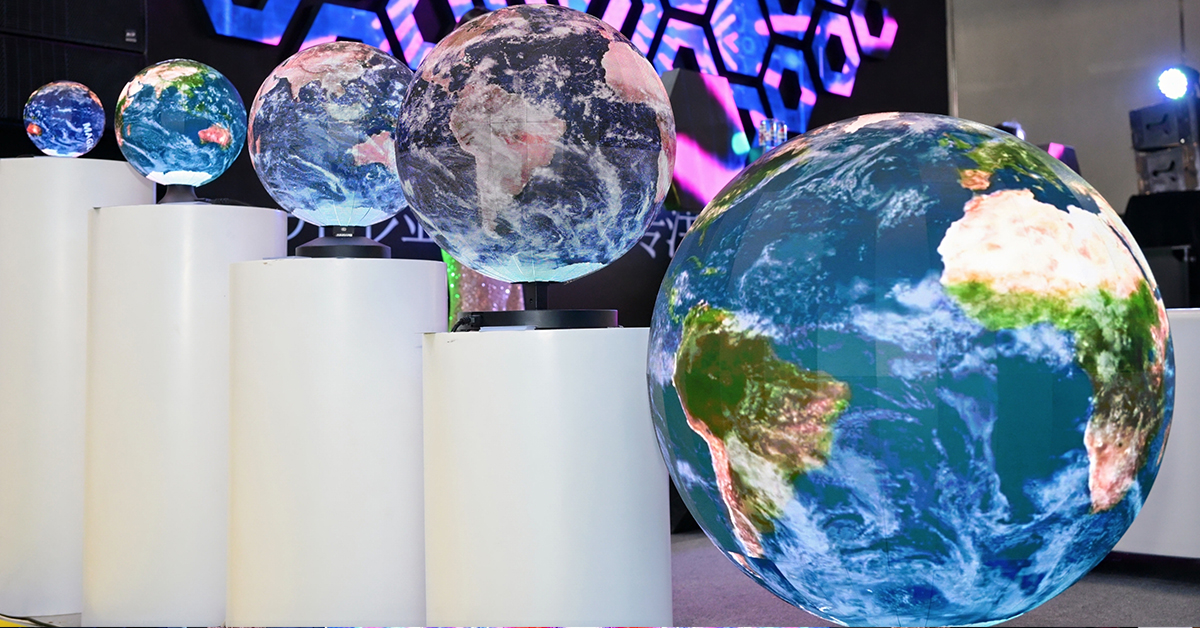
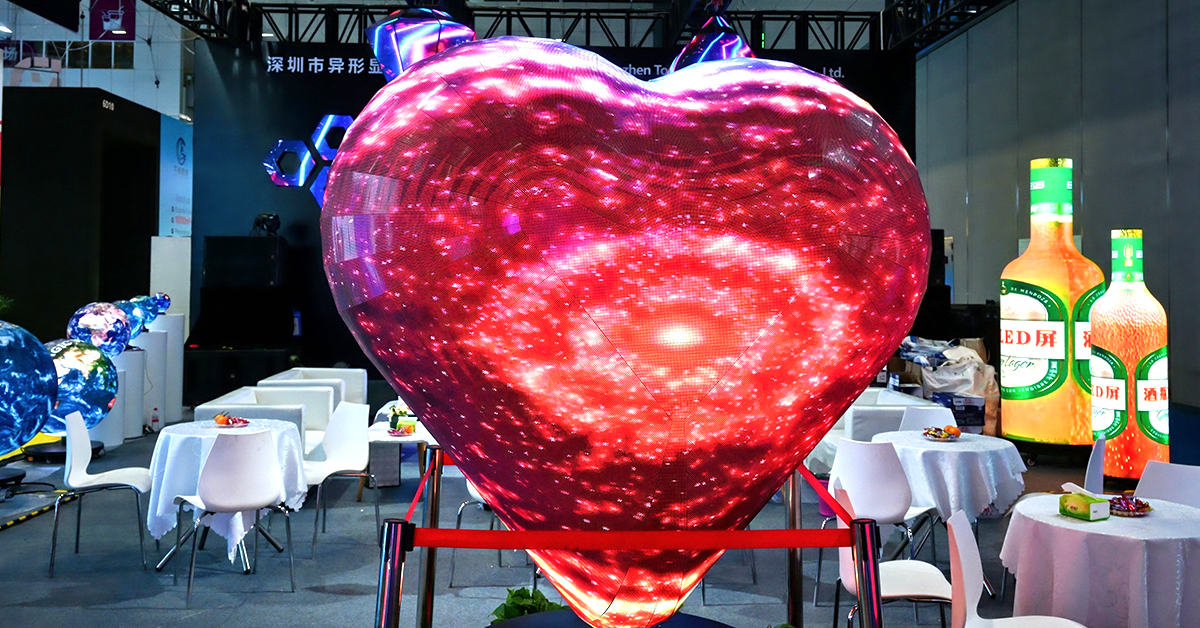
A LED Sphere Screen for Museums provides a unique solution by combining advanced LED technology with immersive storytelling.
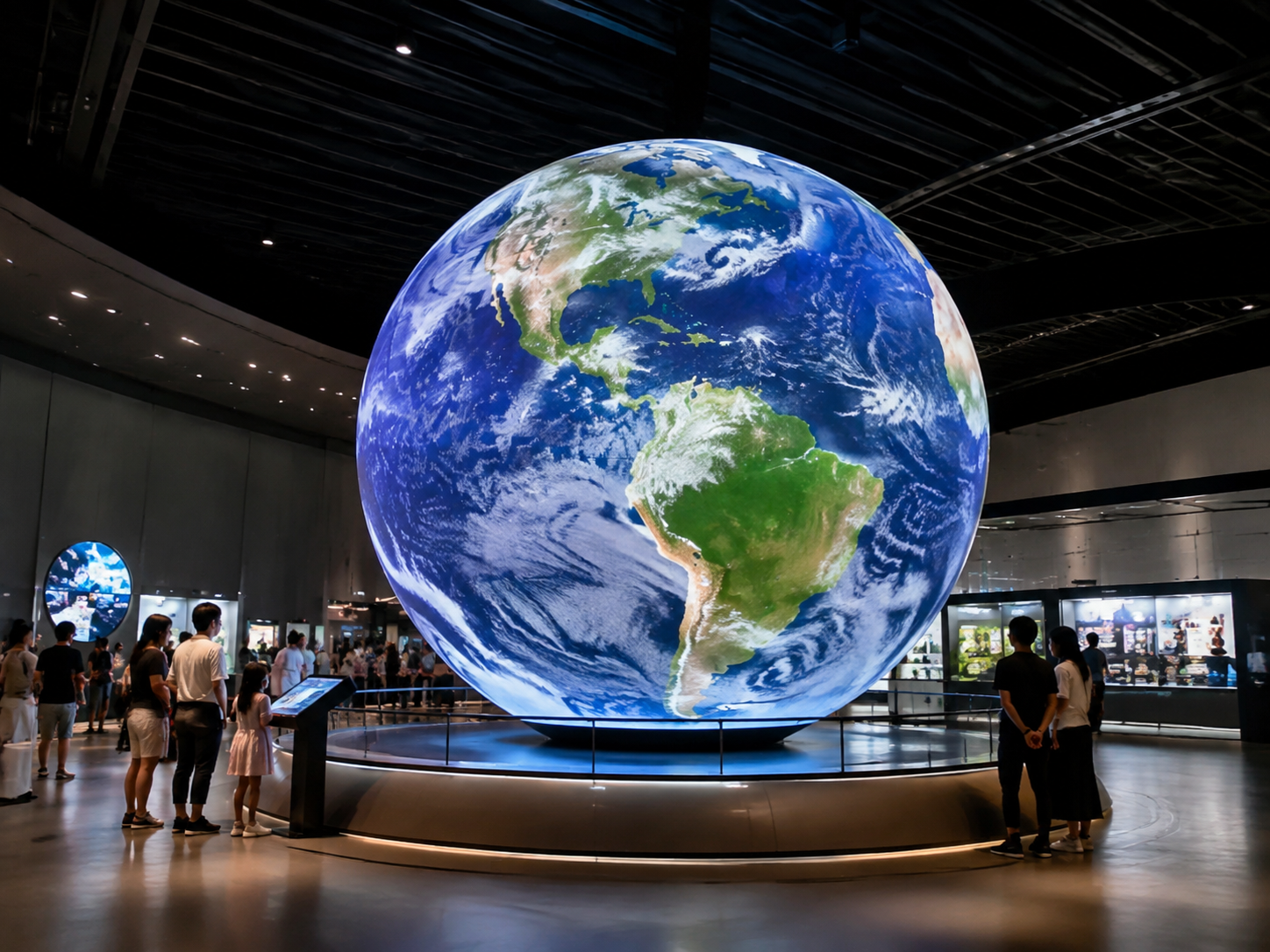
Unlike traditional flat displays, a spherical LED screen creates a 360-degree visual environment, allowing visitors to view content from different angles. This makes it ideal for science museums, planetariums, cultural exhibitions, and educational experience centers.
With customized sizes, pixel pitches, and installation methods, TOOSEN Spherical LED Display solutions help museums create attractive digital landmarks while improving visitor engagement.
Traditional museum displays usually present information in a fixed direction.
For example:
Flat screens show images from one viewing angle.
Projection systems require controlled lighting environments.
Printed displays provide limited interaction.
However, an immersive museum LED display changes the relationship between visitors and content.
A spherical screen becomes the center of the exhibition space. Visitors can walk around it, explore different viewing angles, and experience information in a more natural way.
The display itself becomes part of the storytelling.
The biggest advantage of a spherical LED display is that the shape matches many real-world objects.
For example:
Earth → Globe-shaped display
Planets → Spherical objects
Weather systems → Global visualization
Ocean currents → Planet-scale data
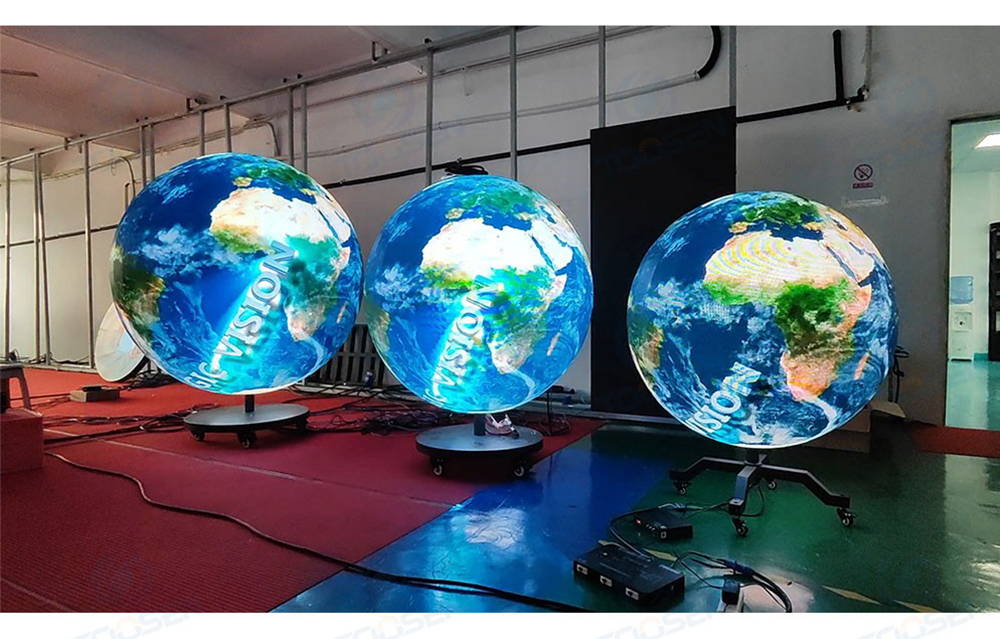
This allows museums to present complex information more clearly
Instead of showing a flat image of Earth, a museum can display a rotating digital planet with climate data, geographic information, and scientific simulations.
A LED sphere for science museums is especially suitable for astronomy exhibitions.
Museums can use spherical displays to show:
Solar system movement
Planet exploration
Satellite data
Galaxy simulations
Because the sphere naturally represents planets and celestial objects, visitors can understand space concepts more easily.
Natural history exhibitions often involve large-scale environmental information.
A spherical LED display can visualize:
Continental movement
Animal migration
Ecosystem changes
Evolution processes
Compared with traditional posters or videos, dynamic spherical content creates stronger visitor interaction.
Climate topics are global by nature.
A spherical display can show:
Global temperature changes
Ocean circulation
Weather patterns
Environmental changes
This helps visitors understand how different regions of the world are connected.
A standard LED module cannot directly create a curved sphere structure.
A professional spherical LED display requires customized modules and mechanical structures designed for curved surfaces.
Important technical factors include:
Smooth curved appearance
Consistent brightness
Accurate pixel positioning
Stable long-term operation
For museum applications, close viewing distance usually requires fine pixel pitch solutions.
You can learn more about customized spherical LED technology through TOOSEN LED Sphere Display Solutions.
Pixel pitch directly affects image clarity.
For museums where visitors stand close to the screen:
Recommended:
P1.2
P1.5
P1.8
P2
For larger exhibition spaces:
P2.5
P3
P4
P5
The correct choice depends on:
Sphere diameter
Viewing distance
Content type
Visitor flow
A spherical LED screen requires special content processing.
Unlike rectangular displays, video content needs to be adjusted according to the curved surface.
A professional control system ensures:
Correct image positioning
Smooth rotation effects
Accurate visual presentation
This is especially important for:
Planet simulation
Scientific visualization
Interactive exhibitions
Future museums are moving from passive viewing toward interactive exploration.
An interactive LED sphere screen can combine:
Sensors
Touch control
Digital content platforms
Real-time data
For example:
A visitor selects “Climate Change”.
The system can immediately display:
Temperature changes
Ocean movement
Weather information
The visitor is no longer only watching content but actively exploring knowledge.
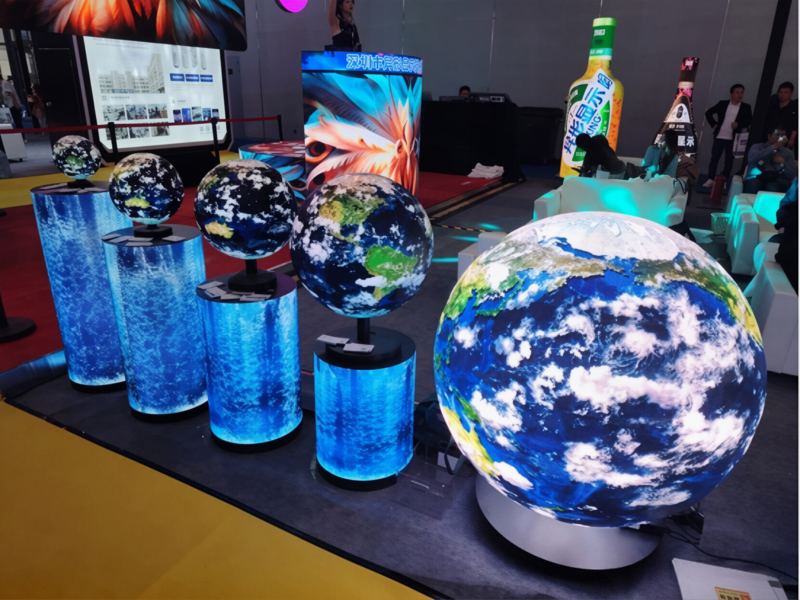
Before purchasing a spherical LED display, museums should consider:
| Factor | Importance |
|---|---|
| Diameter | Determines visual impact |
| Pixel Pitch | Determines image quality |
| Brightness | Matches exhibition environment |
| Installation | Floor standing or hanging structure |
| Control System | Supports complex content |
| Maintenance | Ensures long-term operation |
A professional supplier should provide customized solutions based on the museum environment rather than only selling standard products.
| Feature | LED Sphere Screen | Traditional Display |
|---|---|---|
| Viewing angle | 360° | Limited |
| Visitor movement | Around the display | Fixed position |
| Content style | Interactive 3D visualization | Mainly 2D |
| Educational impact | High engagement | Basic information delivery |
| Design flexibility | Customized | Limited |
As museums continue adopting digital technology, immersive displays will become increasingly important.
A LED Sphere Screen for Museums combines:
Creative design
Advanced LED technology
Educational storytelling
Interactive experiences
It helps museums transform information into memorable experiences.
A LED Sphere Screen for Museums is more than a digital display. It is a powerful storytelling platform that allows museums to present science, history, and culture through immersive visual experiences.
From astronomy museums to natural history exhibitions, spherical LED technology creates new possibilities for education and visitor engagement.
By combining customized hardware, professional control systems, and creative content design, museums can build unforgettable digital exhibitions.
Looking for a customized spherical LED display solution for your museum project?
TOOSEN provides customized LED sphere solutions for museums, exhibitions, science centers, and commercial spaces.
Contact our engineers to discuss your project requirements.
LED sphere screens provide 360-degree viewing and immersive visualization, making them suitable for science museums, exhibitions, and educational spaces.
They are commonly used in:
Science museums
Planetariums
Natural history museums
Exhibition halls
Cultural centers
Yes. They can integrate sensors, control systems, and digital content platforms for interactive experiences.
 +86 18688923792
  andy@tosled.com