


Company news


View: 15

Release time:2026-11-02
Museums are increasingly using digital technology to improve how visitors understand history, culture, and art. Digital displays can show historical backgrounds, explain artistic techniques, and present information that is difficult to communicate through traditional labels.
However, adding screens to a museum creates a design challenge. If a display is too bright, too large, or placed in the wrong position, it may attract more attention than the original artwork.
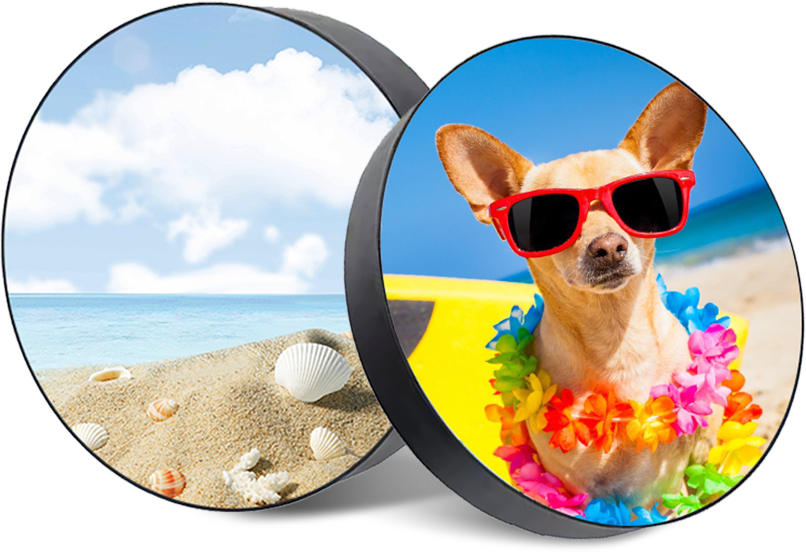
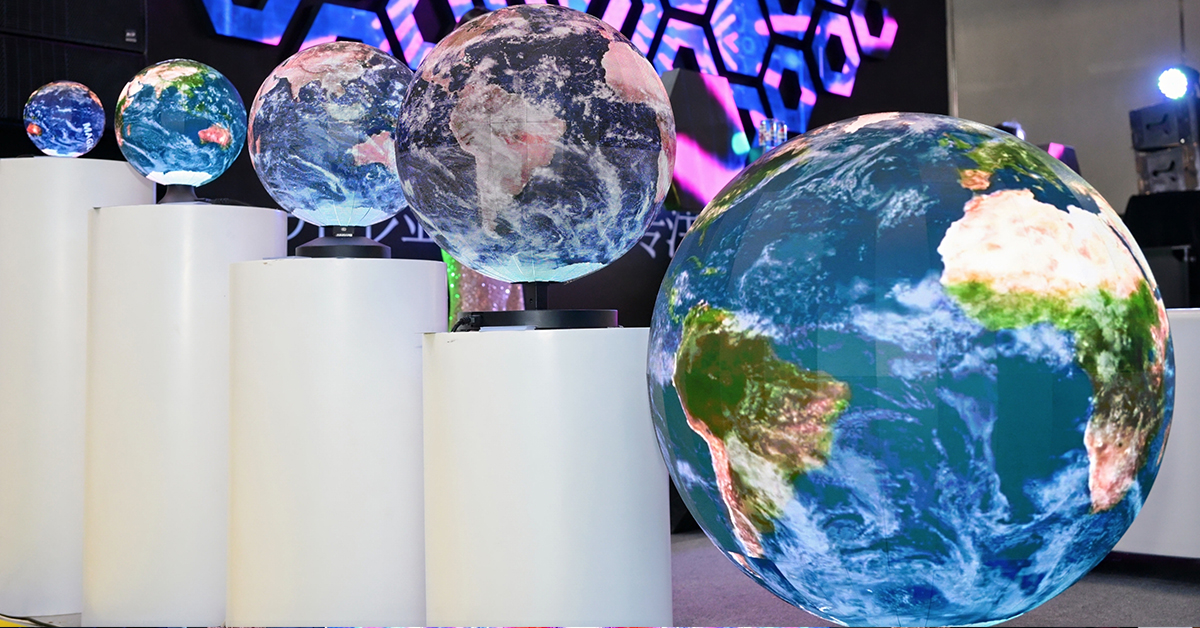
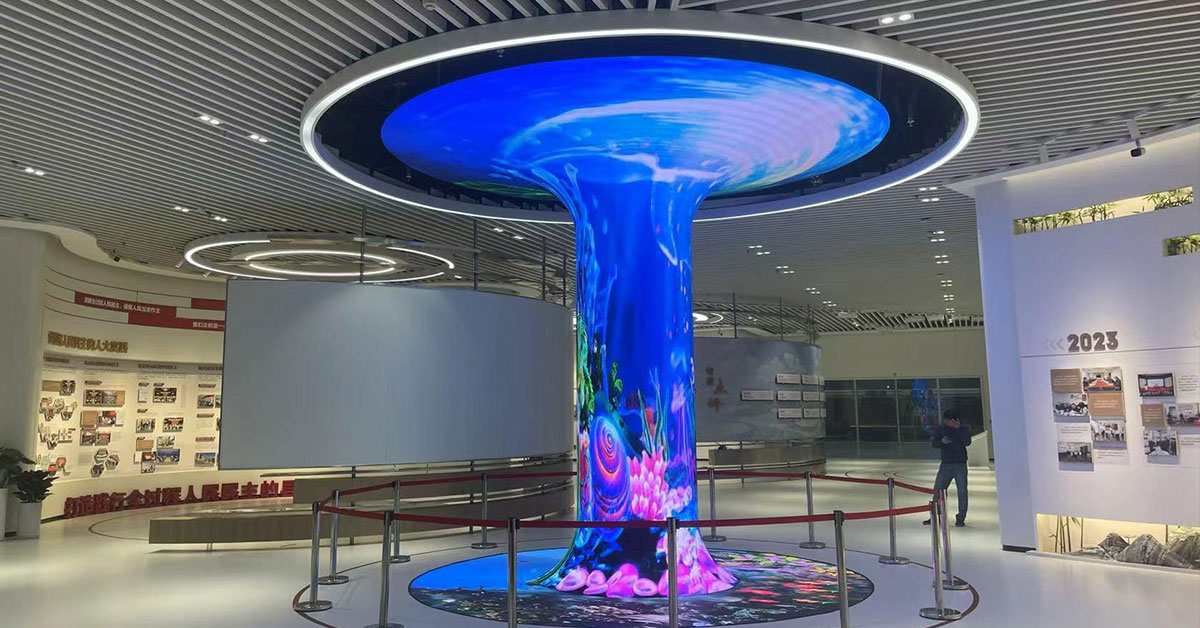
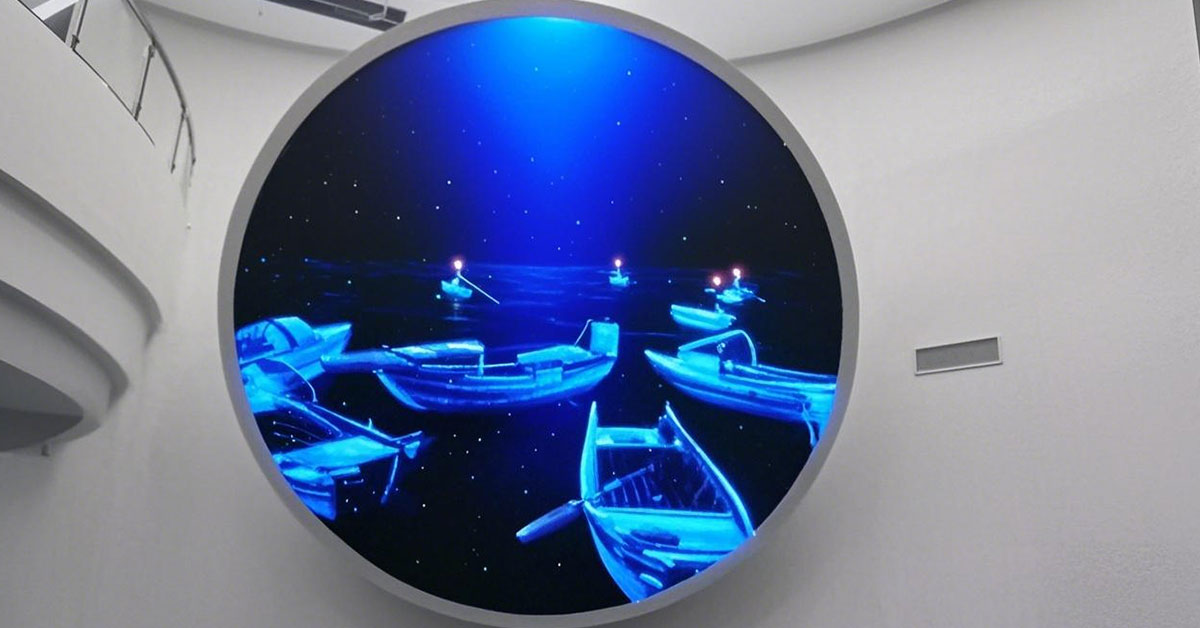
A museum circular LED display offers a different approach. Its round shape can be integrated into exhibition layouts, central information areas, and interactive spaces without requiring a traditional rectangular screen.
The goal is not to make the screen the main attraction. Instead, it should provide additional information and help visitors appreciate the original exhibits.
A poorly planned digital display can affect the entire exhibition experience.
For example, a bright LED screen placed directly beside an oil painting may create visual competition. Visitors may focus on moving images instead of examining the artwork.
There are three common problems:
Visual competition: Bright colors and fast animations can draw attention away from original objects.
Uncomfortable viewing: Incorrect screen height or viewing angles may make visitors change their natural walking positions.
Exhibition space conflicts: Large display structures can block sightlines, narrow walkways, or interrupt the original exhibition layout.
These problems are particularly important in art museums, where lighting, atmosphere, and visitor concentration are essential.
Therefore, a digital exhibition should be planned around the artwork, not the other way around.
Museum lighting conditions are different from those in shopping malls or entertainment venues. Some galleries use controlled lighting to protect sensitive collections, while others have natural light from windows or skylights.
An excessively bright LED display can create an uncomfortable contrast with nearby exhibits.
Before installation, designers should measure ambient light at different times of the day. The screen brightness should then be adjusted to match the surrounding environment.
For sensitive exhibition spaces, a lower brightness setting and stable grayscale performance are often more important than maximum brightness.
The diameter of a circular LED screen should match the available space and expected viewing distance.
A large screen may work well in a central exhibition hall, but it could overwhelm a small gallery.
Pixel pitch also matters. Visitors standing close to a screen need finer pixel spacing to see images and text clearly.
For example, P1.5, P1.8, and P2 options can be considered for close-viewing indoor installations, depending on the actual distance and content requirements.
Not every museum exhibit needs continuous animation.
Historical photographs, artifact explanations, and artistic details are often better presented through slow transitions and static images.
Designers should avoid unnecessary flashing effects, rapid color changes, and excessive motion. Digital content should guide visitors toward a better understanding of the collection.
A successful museum LED display project begins with exhibition planning.
First, identify the purpose of the screen. It may introduce a historical period, display a timeline, present geographical information, or explain the background of an artwork.
Next, determine its position.
Circular LED displays can be installed in central information areas, exhibition entrances, or dedicated digital interpretation zones. These locations allow visitors to access digital information without placing the screen directly in front of important artworks.
The installation structure should also match the museum's architectural style. Ceiling suspension, floor-standing supports, and customized mounting structures can be considered according to the building layout.
Finally, coordinate the screen content with the exhibition schedule. Different sections can display related information without competing for visitor attention.
A screen that looks attractive in a factory may behave differently inside a real museum.
Before final acceptance, several tests should be completed.
Brightness comparison: Check the screen under actual gallery lighting conditions. Confirm that its brightness does not overpower nearby artworks.
Viewing angle test: Observe the screen from different visitor positions. Check whether text, images, and colors remain clear.
Content transition test: Play the complete exhibition sequence. Look for sudden flashes, distracting transitions, or excessive movement.
Color consistency test: Display grayscale and color test patterns to identify uneven brightness or visible color differences across the circular surface.
Operational test: Run the display continuously during a simulated exhibition period. Check temperature, signal stability, and control system performance.
These checks help identify problems before visitors enter the exhibition space.
A professional circular LED display is made from multiple components, including LED modules, a supporting frame, power supplies, receiving cards, and a control system.
For museum applications, several details deserve attention:
Pixel pitch: Select P1.5, P1.8, P2, or another suitable specification according to viewing distance.
Circular structure: Ensure that the mechanical design maintains a consistent round shape and accurate module alignment.
Brightness adjustment: Choose a control system that allows operators to adjust brightness according to exhibition conditions.
Cooling design: Ensure that the internal structure provides sufficient heat dissipation during long operating hours.
Maintenance access: Plan front or rear maintenance access before installation to avoid unnecessary interference with exhibition spaces.
TOOSEN provides customized circular LED display solutions with different diameters, pixel pitches, and installation options. Its product range supports indoor and outdoor applications, with synchronous and asynchronous control systems.
Learn more about TOOSEN Circular LED Display Solutions.
A circular LED screen can serve different purposes depending on the exhibition theme.
History museums: Display historical timelines, geographical changes, and supplementary documentary images.
Science museums: Present scientific data, astronomical information, and visual explanations of natural phenomena.
Art museums: Introduce artists, explain creative techniques, and provide background information about selected collections.
Cultural heritage exhibitions: Show traditional patterns, historical locations, and restoration processes through carefully designed digital content.
For example, a science museum could install a circular LED display in a central information zone to present the movement of planets. Visitors can explore the digital information before moving to the physical exhibits.
This arrangement allows digital technology to support learning while keeping the original exhibition objects at the center of attention.
Q1: Why use a circular LED display in a museum?
A circular LED display provides a distinctive visual format and supports information presentation from different viewing directions. It can be used in central exhibition areas and digital interpretation zones.
Q2: What pixel pitch is suitable for a museum LED display?
P1.5, P1.8, and P2 are possible choices for close-viewing indoor applications. The final selection depends on screen size, viewing distance, and content details.
Q3: How can an LED screen avoid distracting visitors from original artworks?
Use appropriate brightness, restrained animation, carefully selected colors, and suitable installation positions. The screen should provide supporting information rather than compete with the artwork.
Q4: Can circular LED displays be customized for different museum spaces?
Yes. Screen diameter, pixel pitch, supporting structure, and installation method can be customized according to project requirements.
Q5: Can a museum circular LED display operate for long hours?
Yes, provided that the display has a suitable cooling design, stable power supply, reliable control system, and regular maintenance plan.
Choosing a suitable LED display manufacturer is an important part of museum project planning.
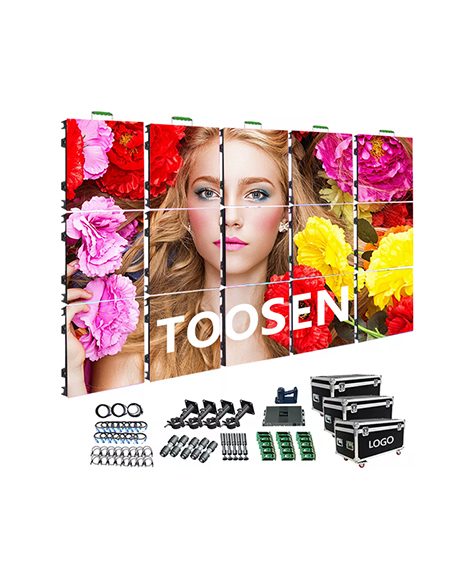
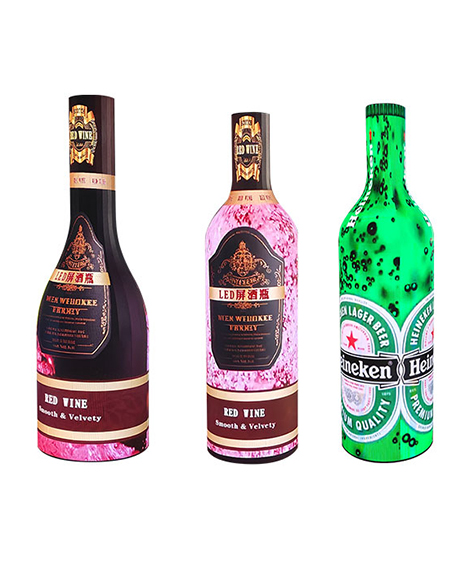
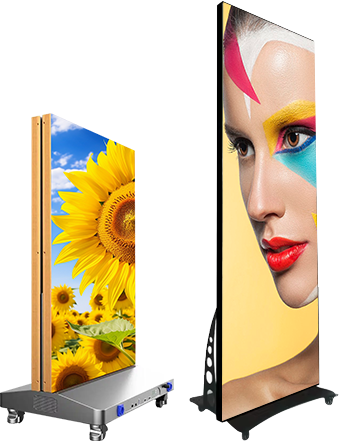
TOOSEN specializes in LED display manufacturing and customized display solutions, including circular, spherical, flexible, and other special-shaped LED screens.
With in-house research and development, manufacturing experience, and quality control procedures, TOOSEN supports projects requiring different screen dimensions, pixel pitches, and installation structures.
The company also provides OEM and ODM services, technical support, and customized solutions for international customers.
For museums and exhibition designers, the priority is to find a display solution that fits the space, supports the exhibition content, and operates reliably over time.
A well-designed museum circular LED display should never take attention away from original artworks. Its real value lies in making information easier to understand while allowing visitors to appreciate the cultural and artistic significance of the collection.
Contact TOOSEN to discuss a customized circular LED display solution for your museum or exhibition project.
Website: https://www.toosen.com/
 +86 18688923792
 andy@tosled.com