
Industry news


View: 748

Release time:2026-04-27
LED displays are precision electronic systems. Improper storage can easily lead to moisture damage, component aging, or even permanent failure. If you want to maintain performance and extend service life, you need a disciplined storage strategy.
This guide walks you through environmental control, packaging, stacking, maintenance, and special handling for creative LED screens.
LED modules contain sensitive ICs, PCBs, and solder joints. Therefore, environmental control is critical.
Temperature & Humidity Control
Temperature: Keep between -10°C to 40°C (14°F to 104°F)
Avoid extreme heat or cold, which accelerates component degradation and can deform plastics.
Humidity: Maintain 10%RH to 60%RH
High humidity → corrosion, short circuits
Low humidity → electrostatic discharge (ESD) risk
Never allow condensation
Cleanliness & Air Quality
Keep the storage area dust-free, especially free of conductive dust
Avoid acidic or alkaline gases, which corrode metal contacts
Magnetic Interference
Store away from high electromagnetic fields, such as:
Large motors
Transformers
Strong magnetic interference can disrupt signal integrity and damage sensitive components over time.
Proper packaging acts as your first line of defense.
Use Original Packaging Whenever Possible
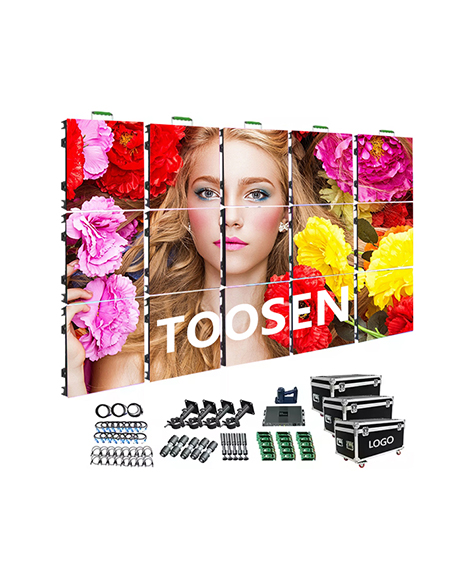
Factory packaging (cartons, foam inserts, wooden crates) is optimized for protection
It provides structural support and shock absorption
Anti-Static Protection (Critical)
LED chips are highly sensitive to static electricity.
Use anti-static bags for modules and cabinets
Always handle by the frame, never touch the LED surface directly
Waterproof Measures
Even in indoor storage:
Cover stacked items with plastic film
Protect against:
Roof leaks
Accidental spills
Incorrect stacking is one of the leading causes of LED damage.
Flat and Stable Placement
Ensure the ground is level and stable
Avoid tilting or uneven load distribution
Stacking Height Limits
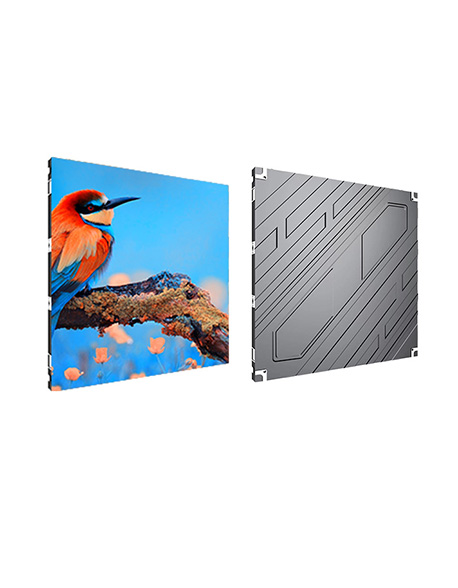
Modules/Cabinets: Typically no more than 3–5 layers
(Always follow manufacturer specifications)
Excessive stacking can:
Crush lower layers
Damage LEDs and cabinet structure
Flight Case Storage
Respect the load-bearing limits of flight cases
Never overload or stack beyond capacity
Organized Storage
Store different models and sizes separately
Prevent mismatched stacking and accidental compression
If you plan to store LED screens for more than 3 months, regular maintenance is essential.
Power-On Dehumidification
Turn on the screen at least once per month
Run it for 2+ hours each time
Why it works:
The heat generated during operation helps evaporate internal moisture, preventing oxidation and electrical failure.
Visual Inspection
Check regularly for:
Damaged packaging
Moisture exposure
Rodent damage (e.g., chewed cables)
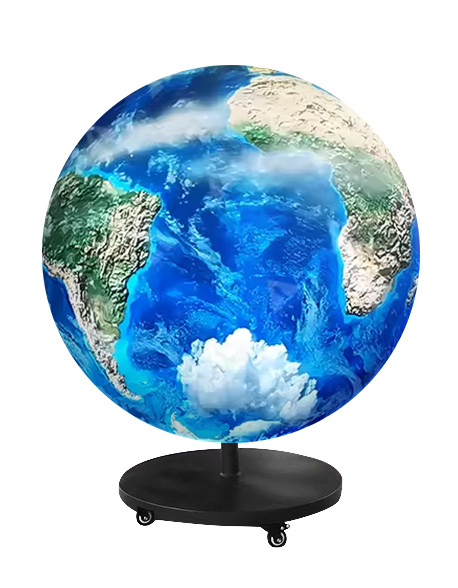
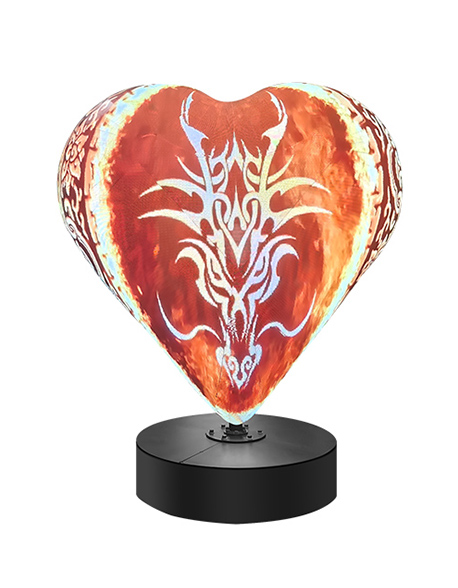
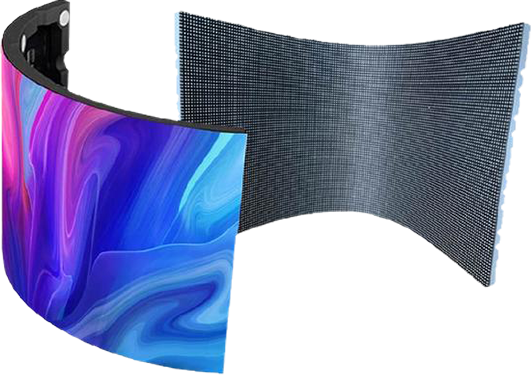
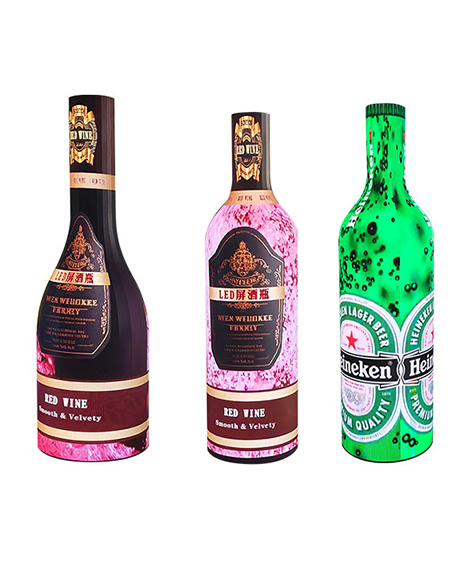
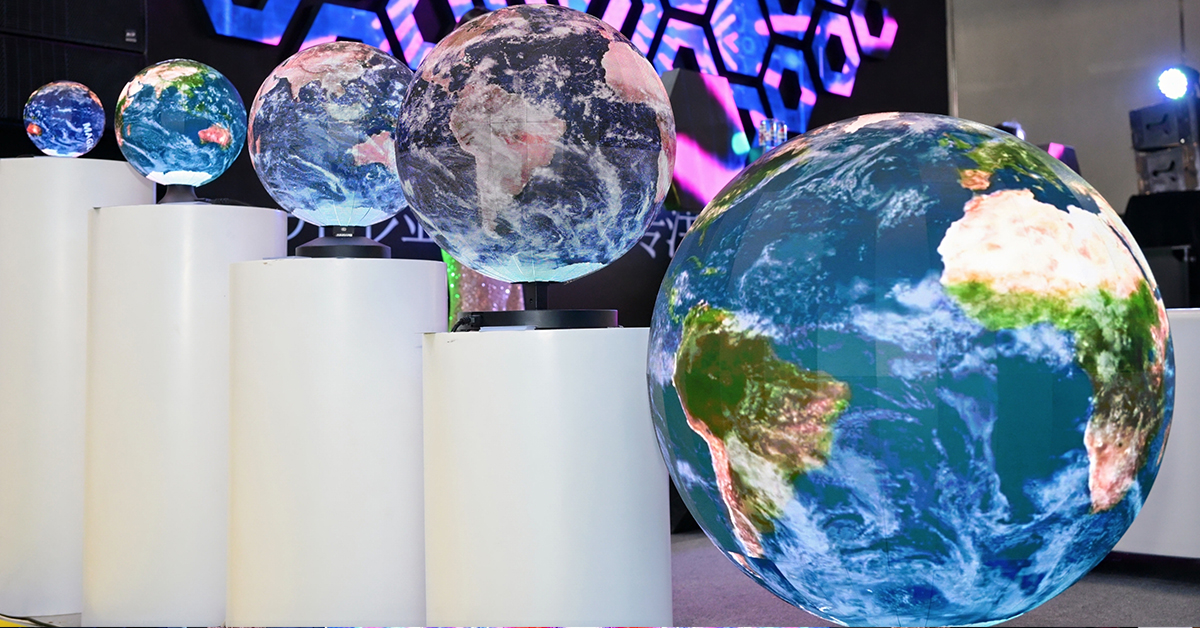
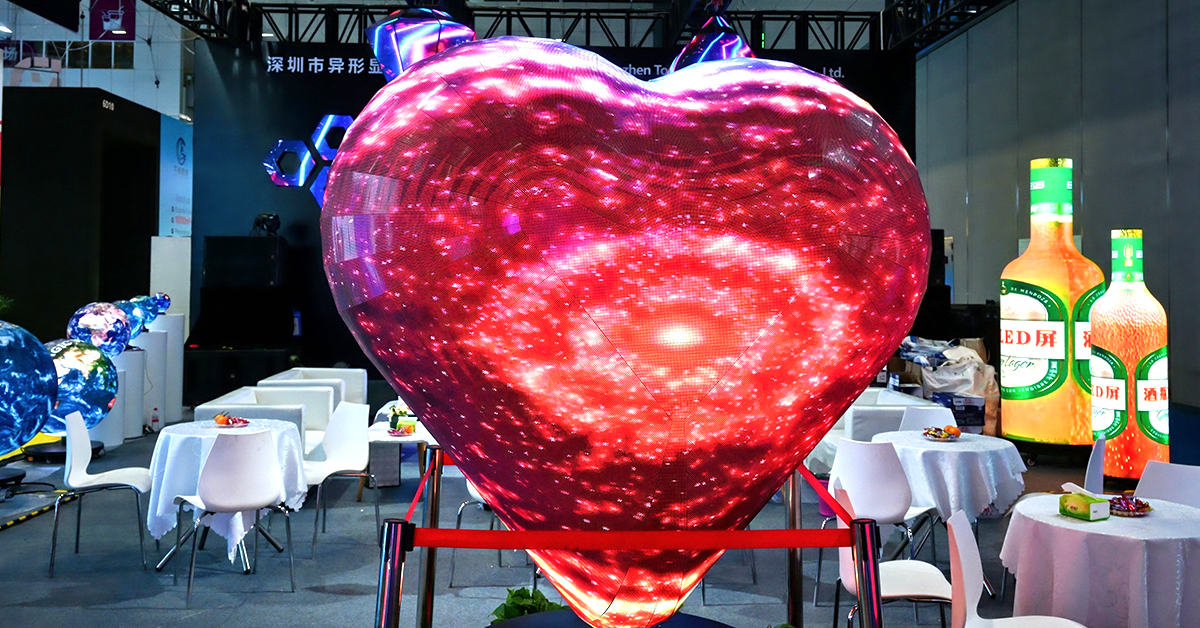
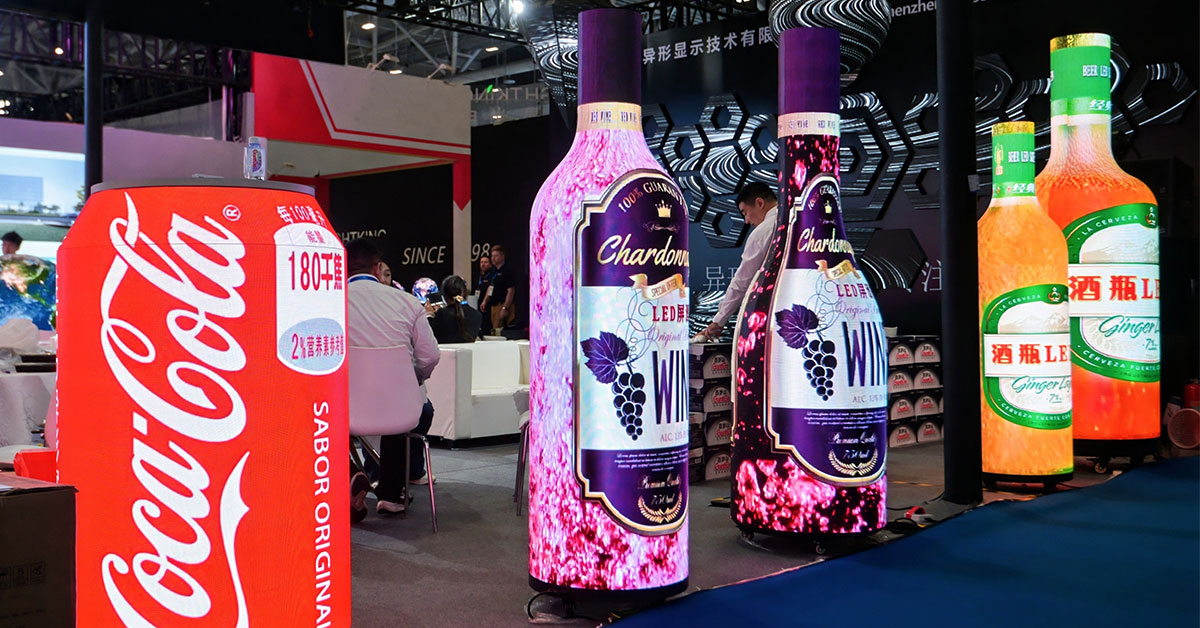
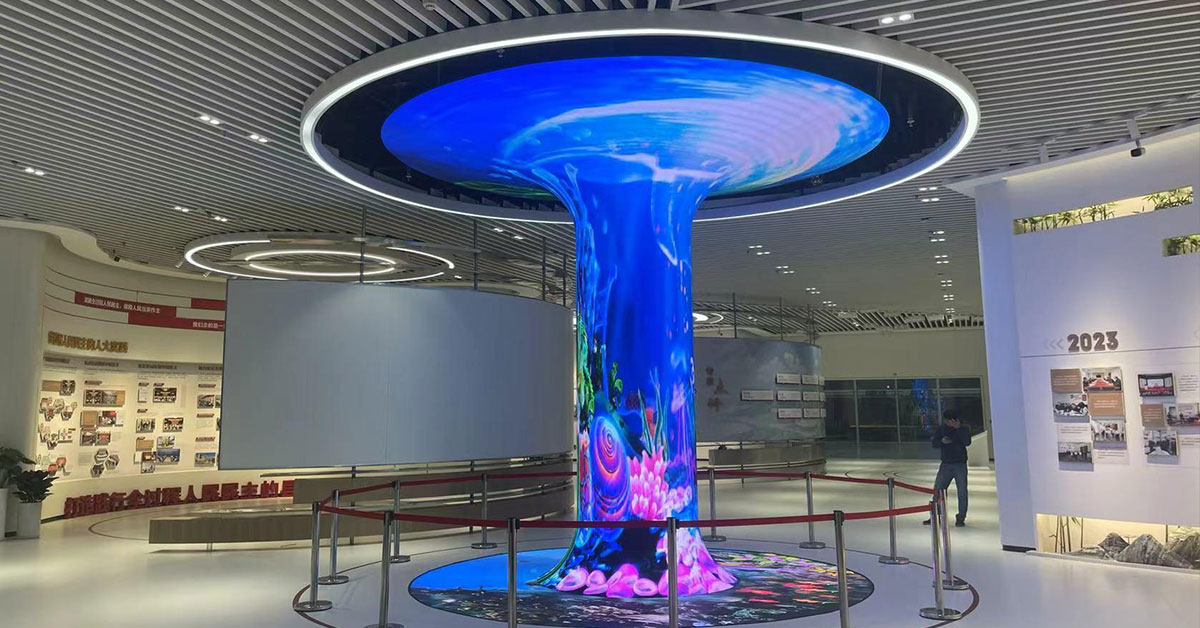
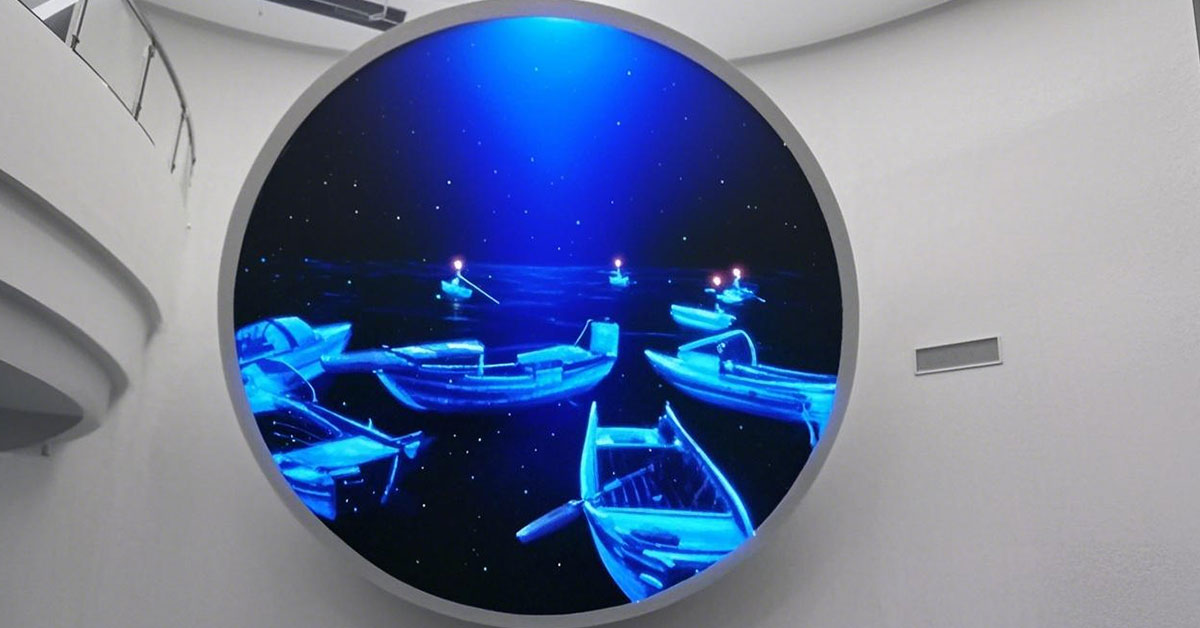
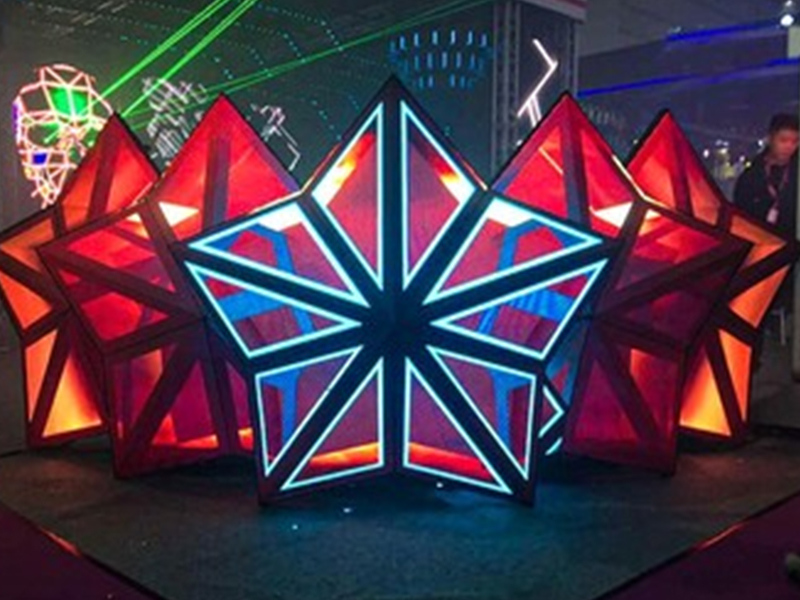
Creative LED displays (curved, spherical, flexible) require extra care.
Why They’re More Vulnerable
Uneven structural stress points
Non-flat geometry concentrates pressure on specific areas
This can lead to:
PCB cracking
Dead pixels
Solder pad detachment
Correct Storage Method
Use custom flight cases or foam molds
Ensure each unit is:
Individually supported
Not in direct contact with others
If no custom case is available:
Insert thick cushioning foam between units
Keep structures naturally relaxed—never force compression to save space
Cable damage is a common but preventable issue.
Before Storage:
Disconnect and organize all ribbon cables and power lines
Avoid wrapping cables tightly around the cabinet
Connector Protection:
Cover exposed connectors (e.g., aviation plugs) with:
Protective caps
Tape
This prevents dust ingress, oxidation, and physical damage.
Proper LED display storage isn’t just about keeping equipment in a warehouse—it’s about controlling environmental variables, minimizing mechanical stress, and maintaining electrical integrity.
If you follow these principles:
Control temperature and humidity
Use anti-static and waterproof protection
Stack correctly and conservatively
Perform routine power-on maintenance
you can significantly reduce failure rates and ensure your LED screens remain deployment-ready at all times.
 +86 18688923792
  andy@tosled.com