

Industry news


View: 851

Release time:2026-01-23
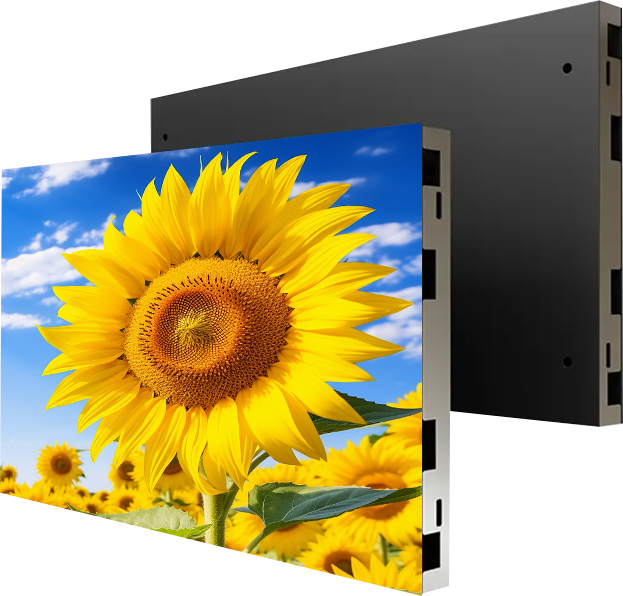
An LED display cabinet is the core structural unit of an LED screen. It integrates display, power, signal control, cooling, and structural support into one system. As a result, the cabinet plays a key role in stability, durability, and maintenance.
In this guide, we explain the main parts of an LED display cabinet and how each component affects performance.
The external frame supports all internal components. Manufacturers usually make it from aluminum, steel, or magnesium alloy. Each material has unique advantages.
Die-Cast Aluminum
This material is lightweight and strong. It also dissipates heat well. Manufacturers use it in rental screens and high-end indoor displays.
Steel (SPCC / Carbon Steel)
Steel cabinets are very strong and low-cost. However, they are heavy and conduct heat poorly. Therefore, they are common in fixed outdoor installations.
Magnesium Alloy
Magnesium alloy is ultra-light and has excellent thermal conductivity. It is ideal for premium rental screens and mobile broadcasting. However, it costs more and requires special surface treatment.
LED cabinets must connect seamlessly. Several mechanical parts ensure fast installation and precise alignment.
Quick Locks (Eccentric Hooks)
These locks connect cabinets quickly and securely. They also improve structural stability.
Positioning Pins
These pins align cabinets precisely. They ensure a flat surface and seamless image splicing.
Mounting Holes
Installers use these holes to fix cabinets to brackets or walls. They provide a stable installation base.
The LED module is the smallest display unit. It includes LED chips, driver ICs, and a PCB board.
Modules convert electrical signals into light. Therefore, they directly determine brightness, resolution, and image quality. High-quality modules produce clearer images and better color consistency.
LED screens need stable low-voltage power. The cabinet includes several power components.
Switching Power Supply
This converts AC power to low-voltage DC power (such as 5V). It powers modules and control boards.
Power Aviation Connector
This industrial connector provides waterproof and secure power connections. It is ideal for outdoor screens and rental setups.
The signal system delivers video data to the LED modules.
Receiving Card
The receiving card processes video signals from the control system. Then it sends data to the modules.
HUB Board
The HUB board distributes signals from the receiving card to each module. It improves transmission efficiency.
Network Aviation Connector
This connector transmits video data reliably. It resists vibration and interference, so it works well in harsh environments.
LED cabinets generate heat during operation. Without cooling, high temperatures can reduce brightness and shorten lifespan.
Cooling Fans
Fans remove hot air from the cabinet and keep components stable.
Ventilation Louvers with Dust Filters
These vents allow fresh air to enter while blocking dust. Together with fans, they create airflow to control temperature.
A well-designed LED cabinet improves performance, reliability, and maintenance efficiency. For example:
Lightweight cabinets reduce installation costs
Good heat dissipation extends LED lifespan
Modular design simplifies maintenance
Precision structure ensures seamless display
Therefore, choosing the right cabinet structure is as important as selecting LED modules.
Die-cast aluminum is the most popular choice because it is lightweight, strong, and offers good heat dissipation.
Cooling prevents overheating, which can reduce brightness, damage components, and shorten screen lifespan.
The receiving card processes video signals and distributes image data to the LED modules for display.
 +86 18688923792
  andy@tosled.com