



Industry news


View: 501

Release time:2026-04-13
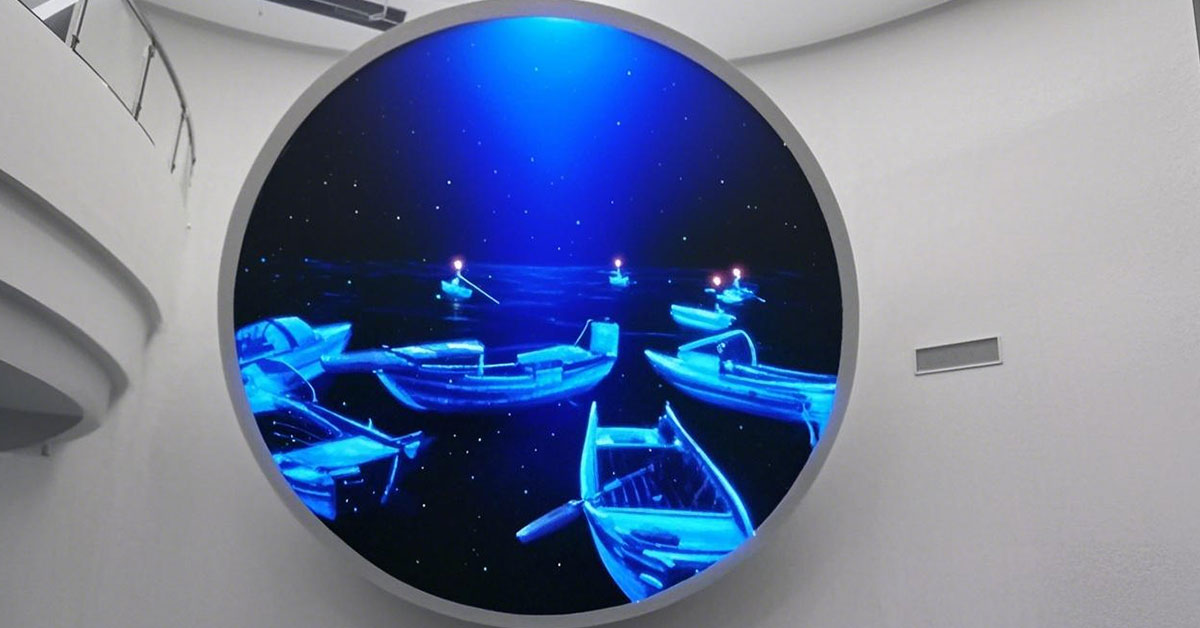
The mechanical LED display integrates LED visualization technology with precision mechanical motion systems to create a truly dynamic display platform. Instead of remaining static like traditional screens, the LED modules actively move through mechanical structures driven by motors, transforming flat visuals into three-dimensional kinetic experiences.
As a result, the display evolves from a conventional information carrier into a hybrid system that combines engineering art, spatial installation, and interactive media.
At the core of this solution is a fundamental shift in how visual content is experienced.
It enables four major transformations:
From 2D flat surfaces → to 3D spatial expression
From single-direction viewing → to 360° all-angle perception
From passive content reception → to active visual attraction
From simple display function → to dual value as both art installation and information medium
By combining motion and light, the system creates a continuously evolving visual environment that captures attention far more effectively than static displays.
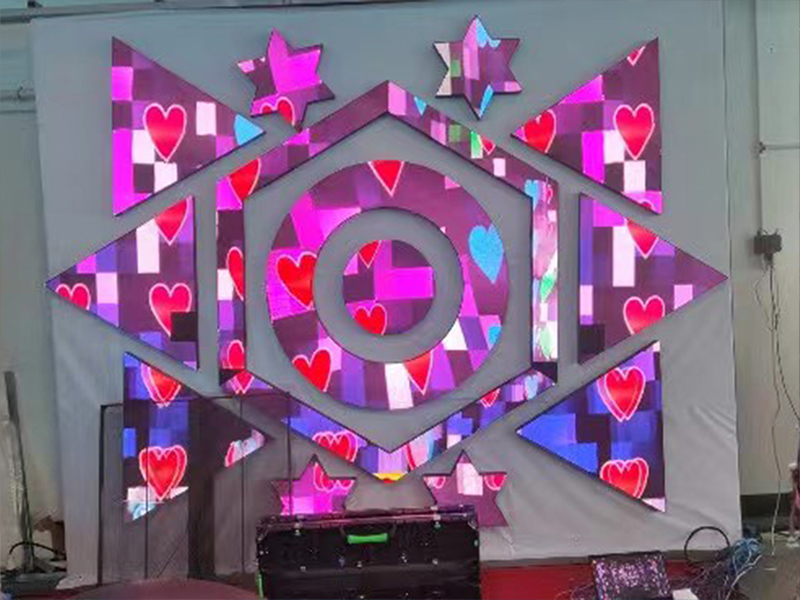
The system operates by precisely controlling each independent LED module through programmed mechanical actions. These movements include:
Opening and closing
Rotation
Extension and retraction
Linear translation
Flipping and reorientation
When synchronized with video content, these mechanical actions generate advanced spatial effects such as waves, folding surfaces, zoom transitions, and layered 3D motion.
As a result, visuals are no longer confined to a screen—they physically exist in space and evolve in real time.
The display relies on high-precision motion hardware to ensure smooth and stable operation:
Servo motors and stepper motors for accurate positioning
Mechanical push rods and sliding rail systems for controlled movement
Positioning accuracy up to ±0.1 mm
Low-noise and high-stability performance for continuous operation
To synchronize motion and visuals, the system uses advanced multi-axis control architecture:
Dedicated motion controllers integrated with LED video processors
Real-time synchronization between movement and video frames
Support for 10+ motion actions per second
Precise coordination between multiple mechanical modules
This ensures that every movement aligns perfectly with the displayed content.
The mechanical structure is engineered for durability and performance:
Modular architecture for flexible deployment and maintenance
Lightweight construction using aerospace-grade aluminum alloy or carbon fiber
Individual module weight typically under 10 kg
Protection ratings ranging from IP30 to IP65 depending on application
This balance of strength and weight allows stable operation even in complex motion scenarios.
The software layer enables intuitive control and creative freedom:
Visual programming interface for motion design
Real-time preview of movement and content synchronization
Custom motion path design for advanced effects
Multi-screen linkage capabilities
Compatibility with mainstream video formats
Support for DMX512 lighting and stage control systems
Mechanical LED displays are ideal for environments that demand high visual impact and artistic expression:
Brand flagship stores and experiential retail spaces
Exhibition halls and trade shows
Stage performances and live events
Museums and science centers
High-end commercial installations and art spaces
Mechanical LED displays redefine what a screen can be. By merging precision mechanics with digital visualization, they transform static content into kinetic spatial experiences.
For brands and designers seeking maximum visual impact and innovation, this solution offers a powerful new medium that goes beyond display—it becomes motion-driven visual architecture.
 +86 18688923792
  andy@tosled.com