



Industry news


View: 516

Release time:2026-04-09
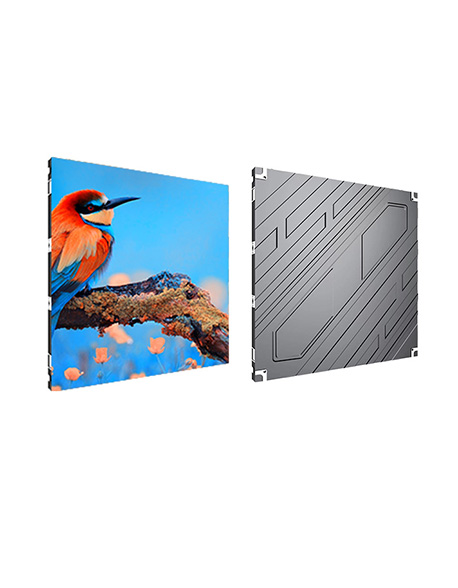
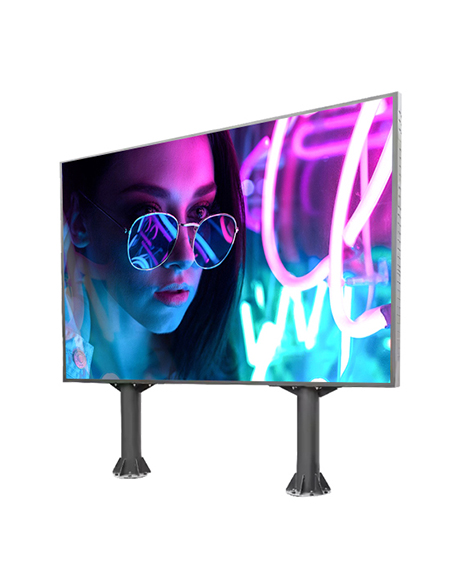
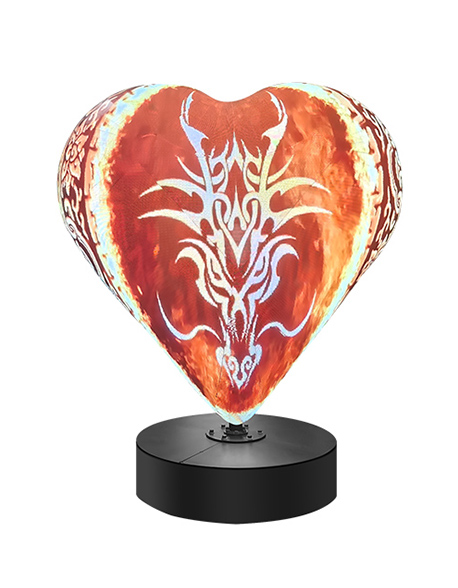
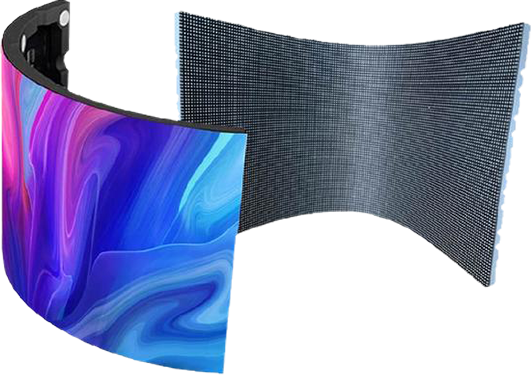
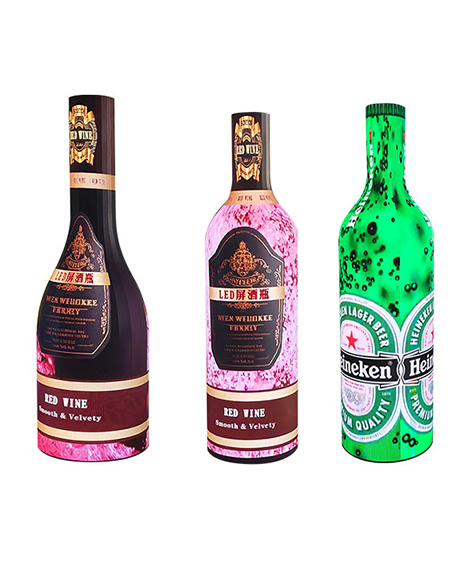
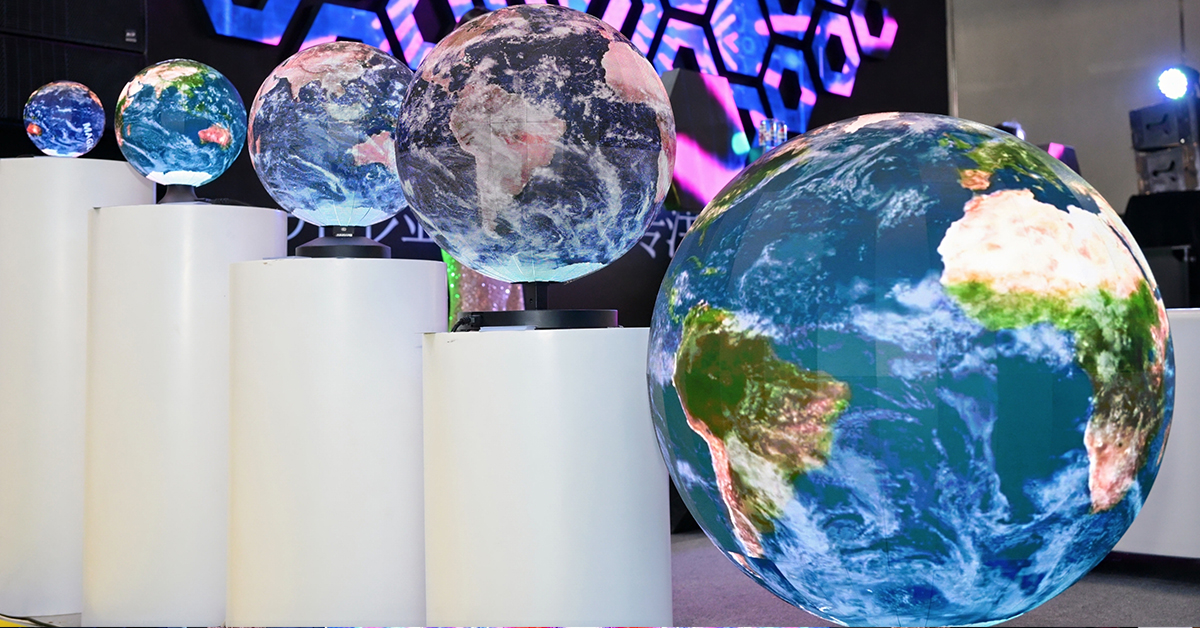
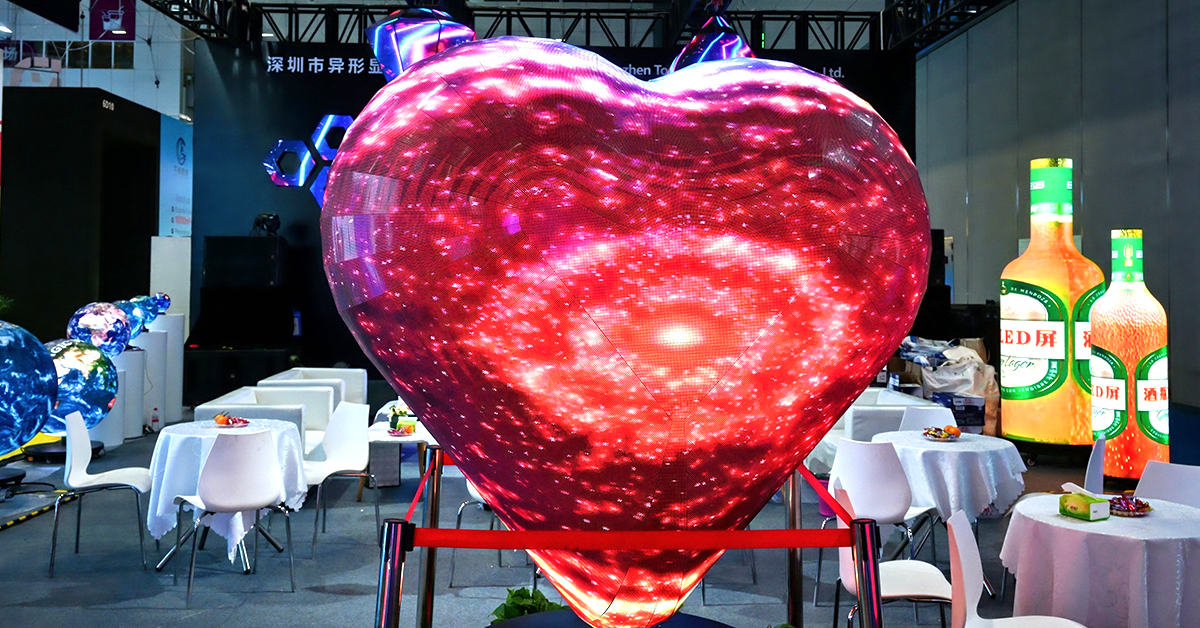
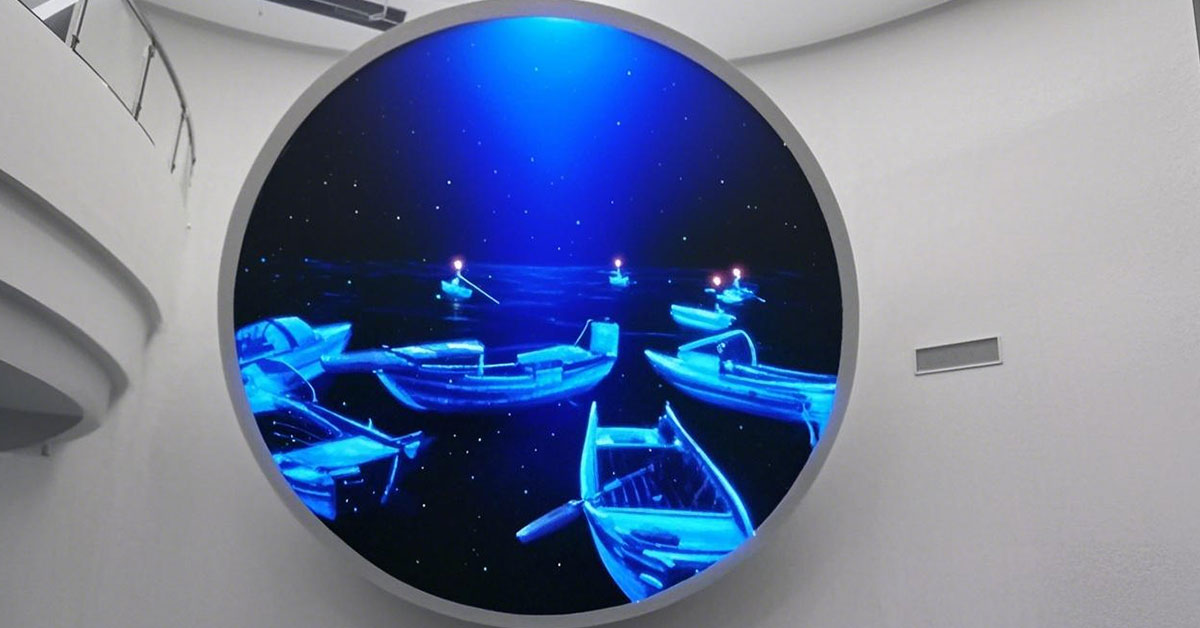
Modern LED screens are no longer limited to rectangles. Modular LED splicing technology enables custom shapes—from circles and arcs to cubes, spheres, and complex geometric forms—without visible gaps. This technology opens the door to unlimited creative possibilities for designers and brands.
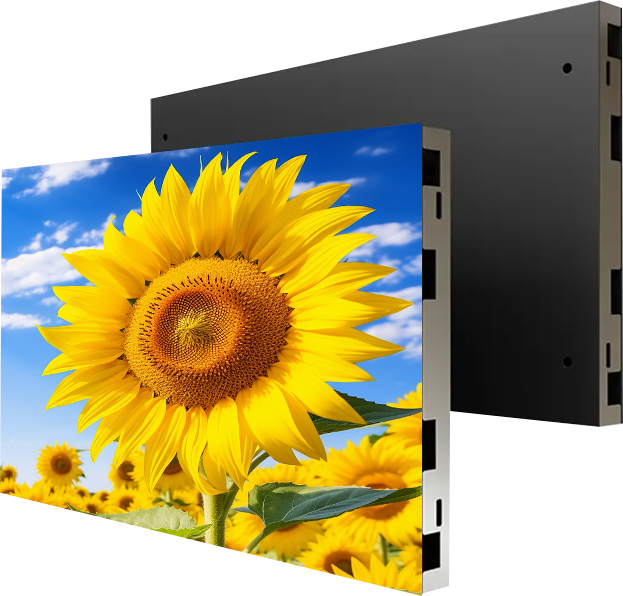
Modular LED splicing involves connecting multiple standardized LED panels into non-traditional configurations. The key is:
Custom-cut modules – Panels shaped into trapezoids, triangles, or curves.
Precision alignment – Ensures panels meet without gaps.
Structural supports – Adapt to curved or complex geometries.
Visual continuity – Eliminates black lines between panels, maintaining content flow.
Immersive experience – Viewers perceive a single, uninterrupted surface.
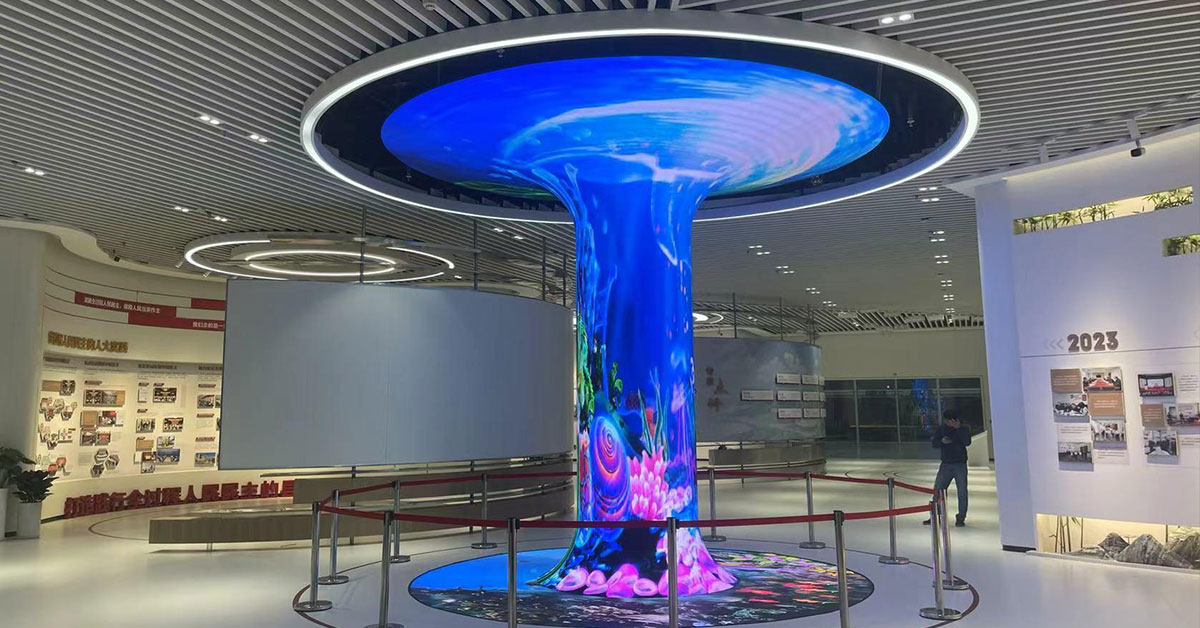
Design freedom – Enables spheres, waves, cylinders, or even dynamic forms like opening screens.
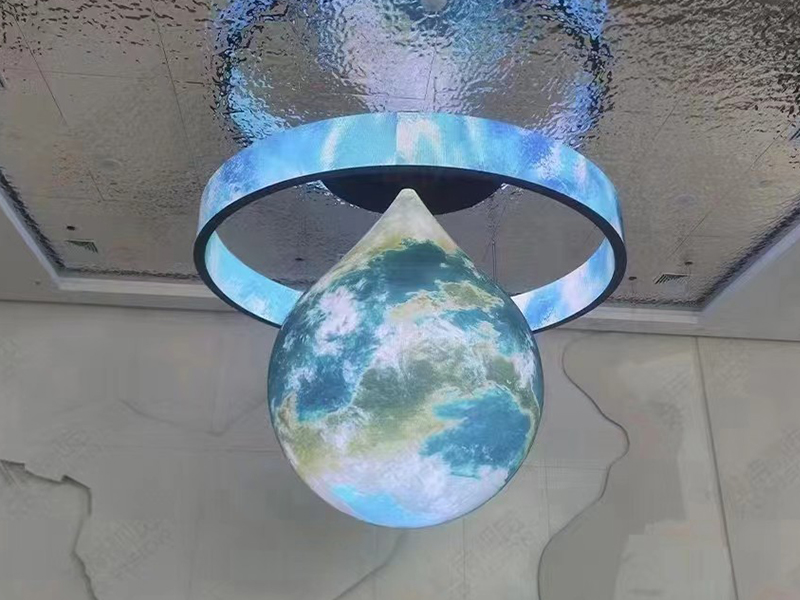
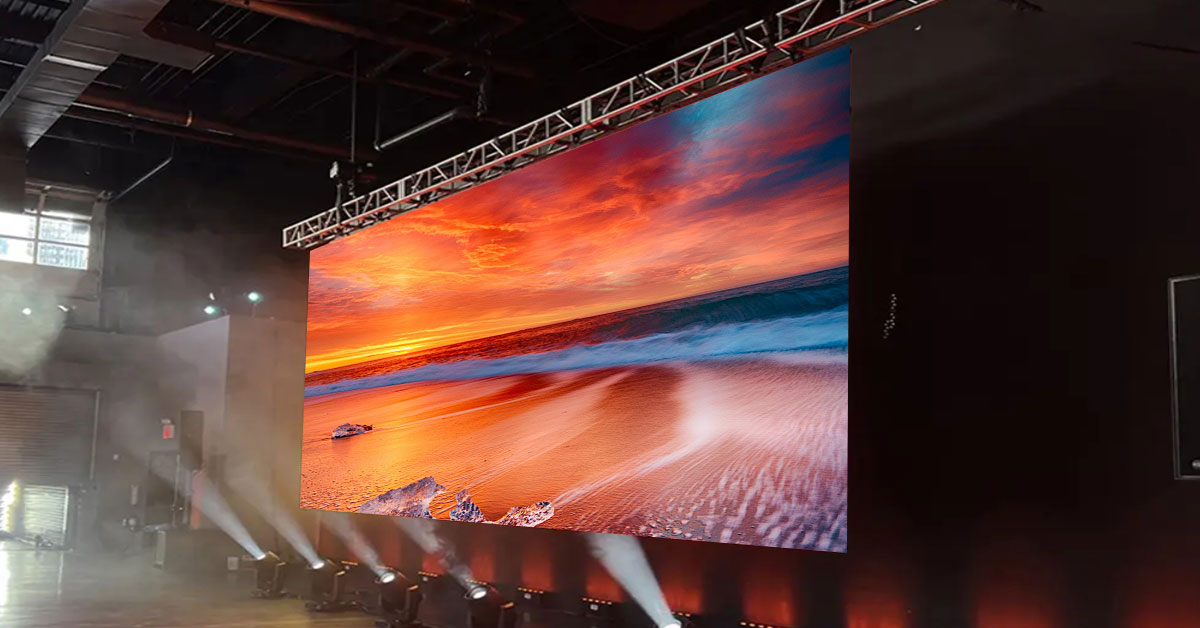
Stage & Concert Backdrops – Non-traditional shapes enhance lighting and motion effects.
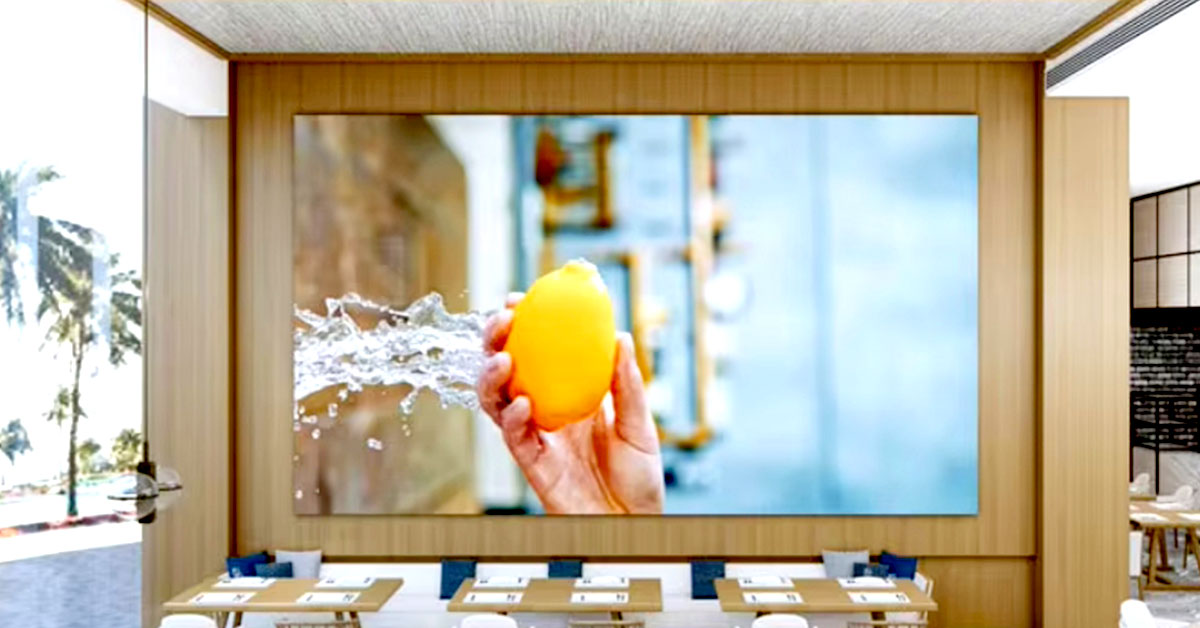
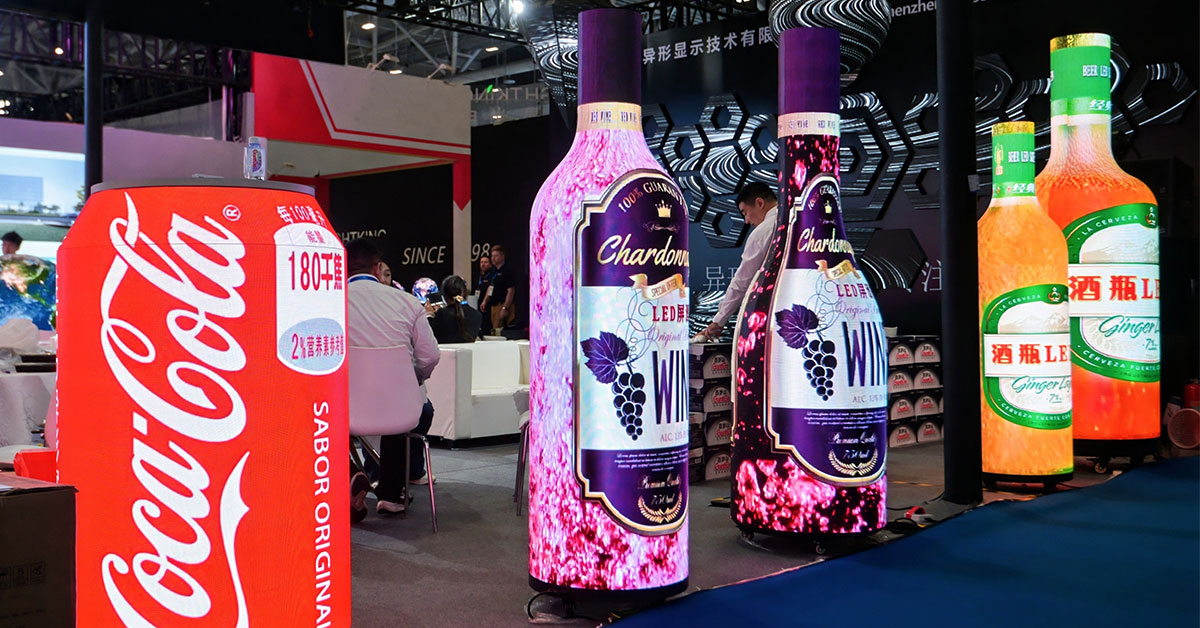
Branding & Retail Displays – Creative forms increase attention and memorability.
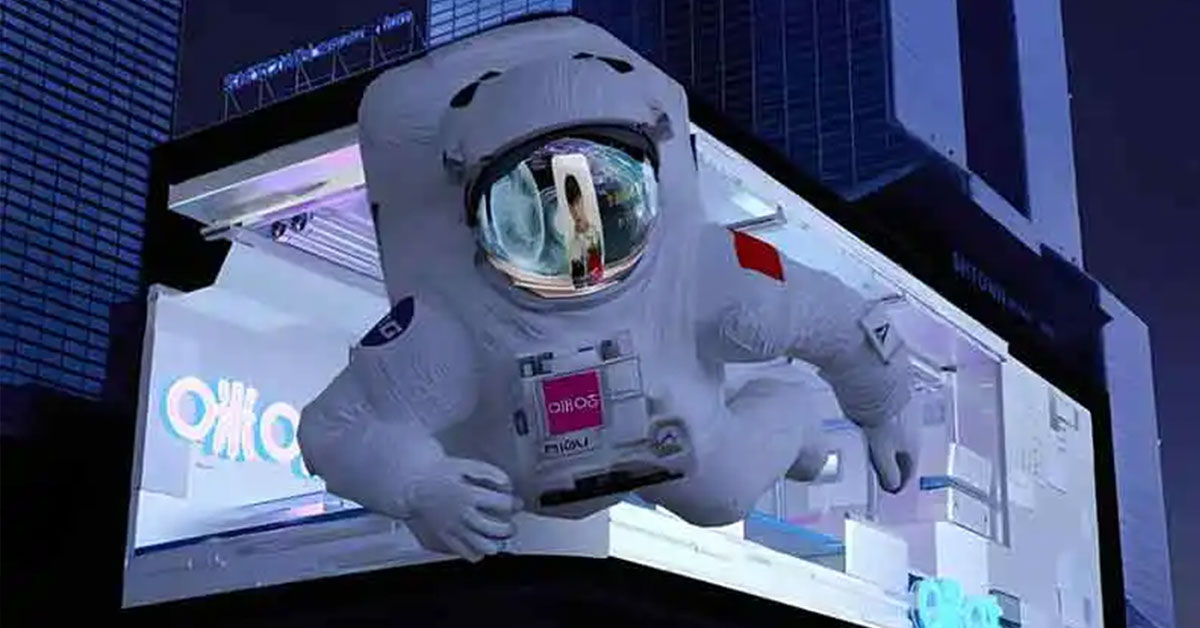
Interactive Installations – Unique shapes encourage engagement and social sharing.
Panel customization – Choose modules that support cutting or bending.
Mounting & support – Ensure structural stability for safety and long-term reliability.
Content mapping – Use software to adapt visuals to curved or angled surfaces.
Modular LED splicing transforms ordinary screens into custom, seamless, and immersive displays. By combining precision hardware with creative content, designers can achieve visual effects that were impossible with traditional flat panels, making any space stand out.
 +86 18688923792
  andy@tosled.com