
Industry news


View: 467

Release time:2026-04-09
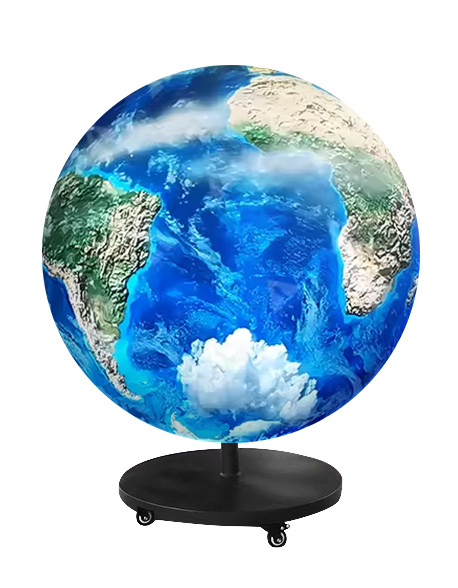
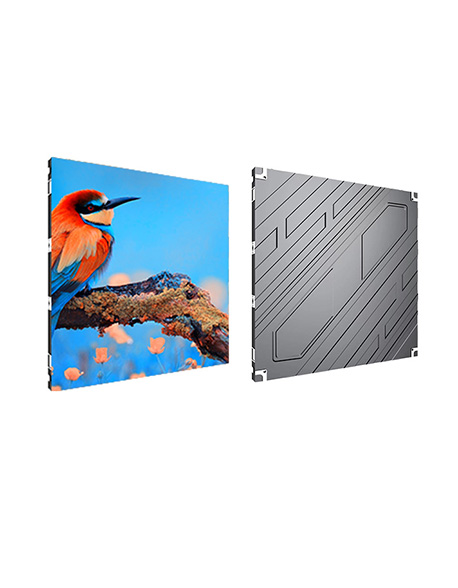
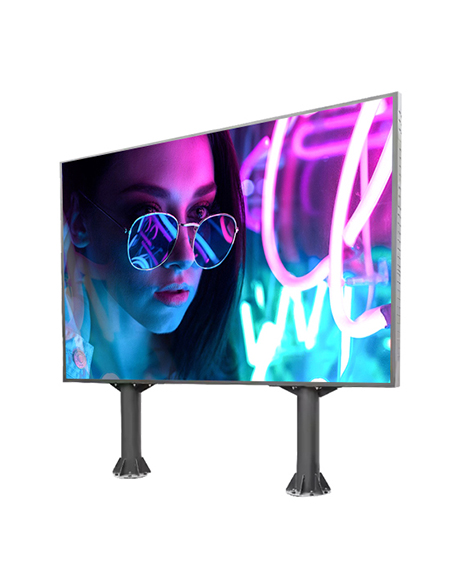
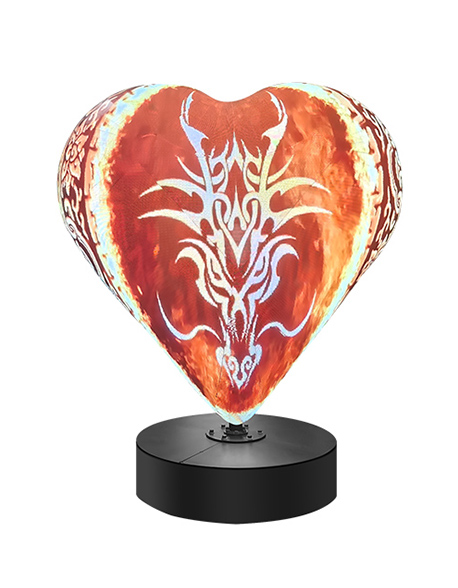
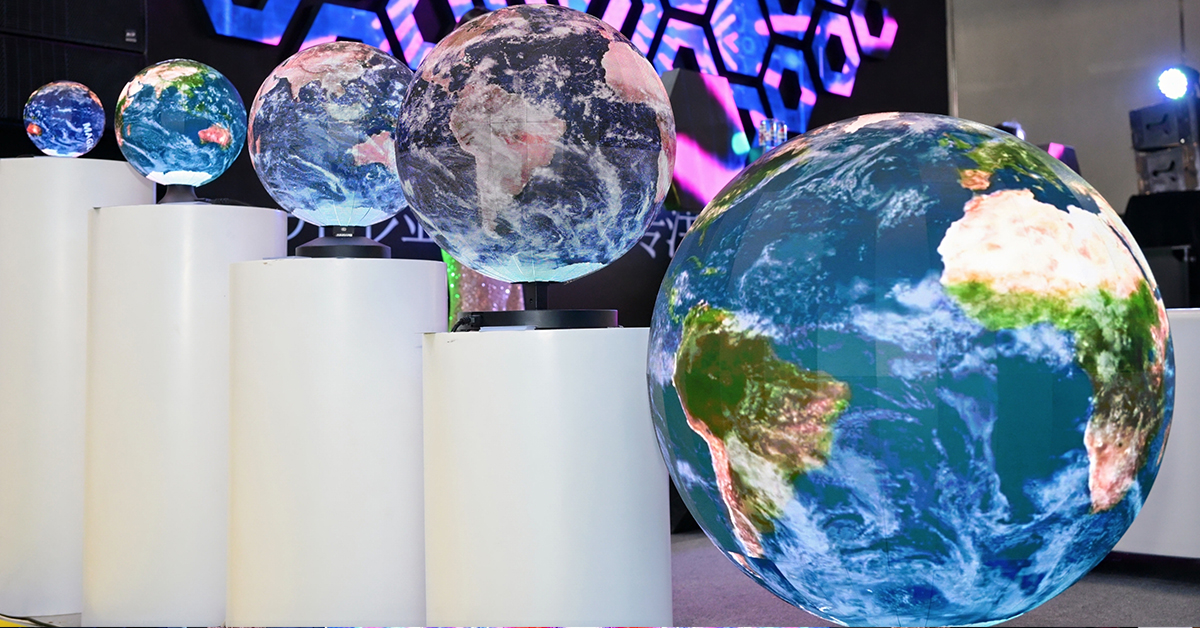
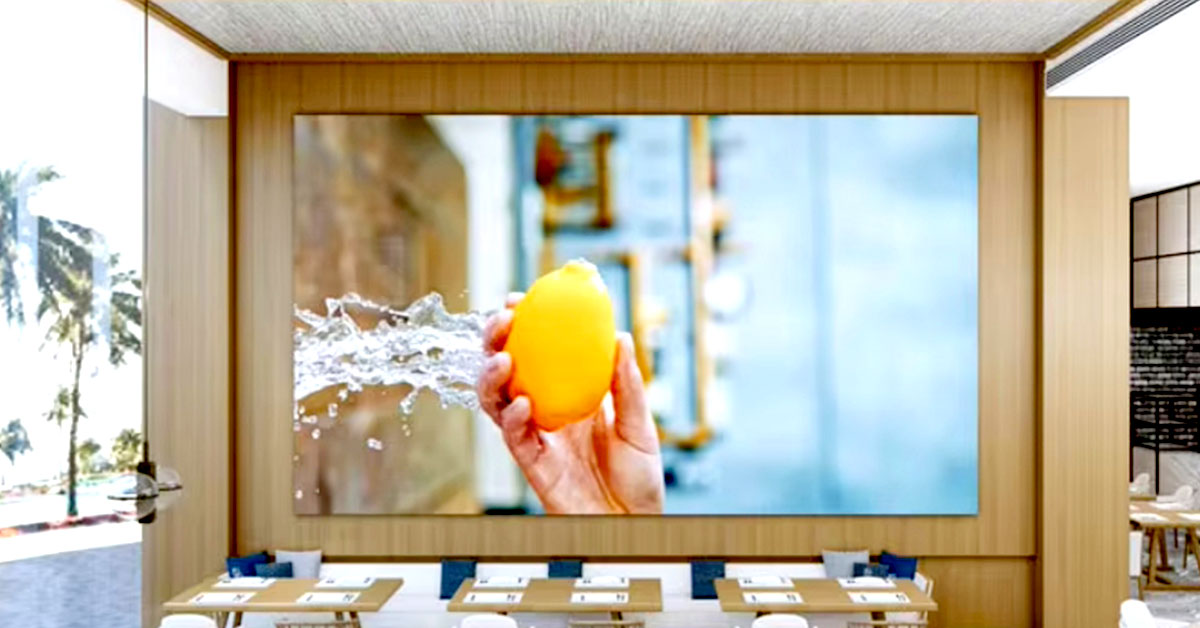
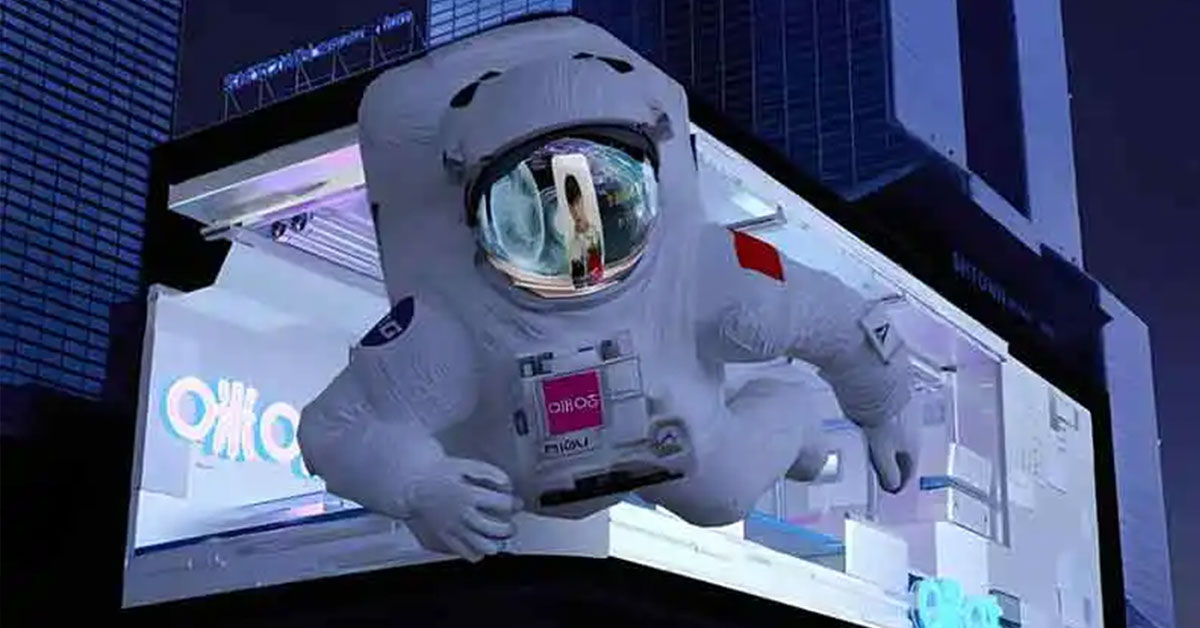
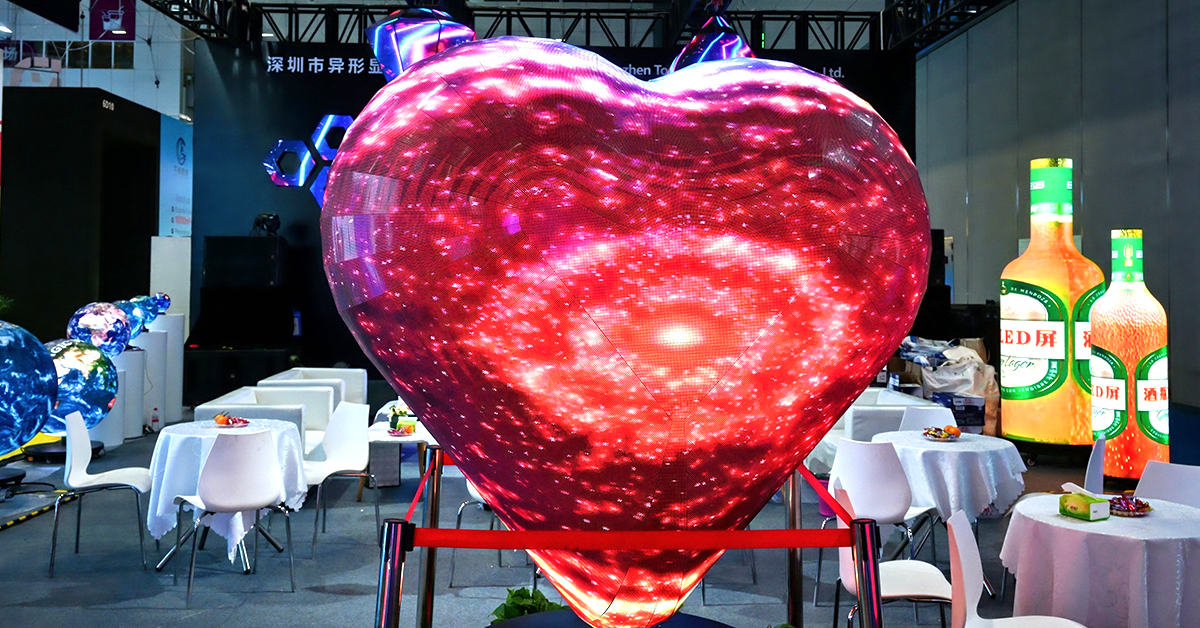
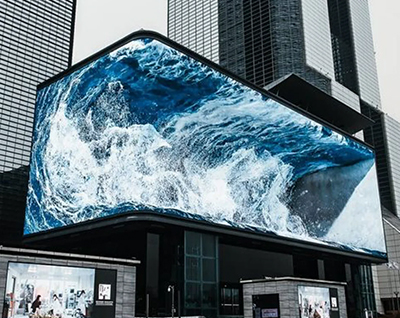
Glass-free 3D LED screens deliver incredible depth and realism without requiring special glasses. These displays use cutting-edge optical and software technologies to make images appear to float in space, captivating audiences and redefining content engagement.
Glass-free 3D (autostereoscopic) LED screens rely on:
Lenticular lenses or parallax barriers – Direct light at specific angles to each eye, creating a depth illusion.
Pixel-level calibration – Maps images precisely for multiple viewing zones.
High refresh rates – Smooth motion reduces ghosting or flicker.
The result: 3D content that appears in space, viewable from multiple angles without glasses.
3D modeling – Use software like Blender or Maya to create depth-rich visuals.
Depth mapping – Separate foreground, midground, and background layers for parallax effects.
Perspective correction – Adjust content based on screen shape, size, and viewer positions.
Content designed for flat screens cannot directly translate; special rendering pipelines ensure 3D depth is preserved.
Retail & Showrooms – Floating product demos capture shopper attention.
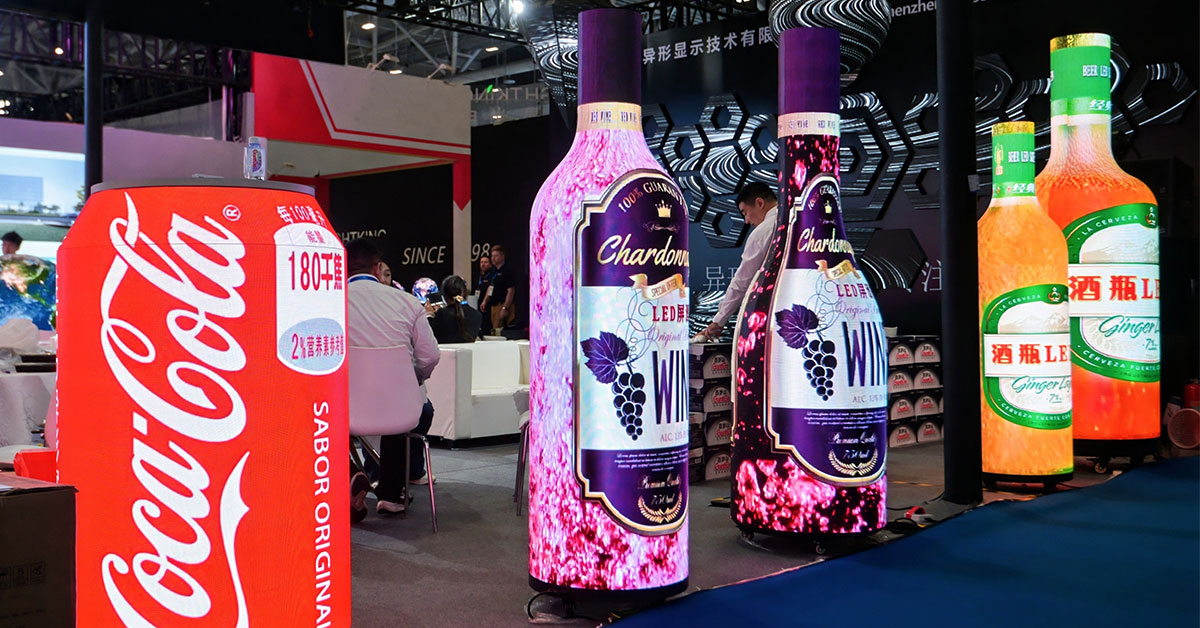
Events & Exhibitions – Eye-catching 3D visuals draw visitors and encourage photography.
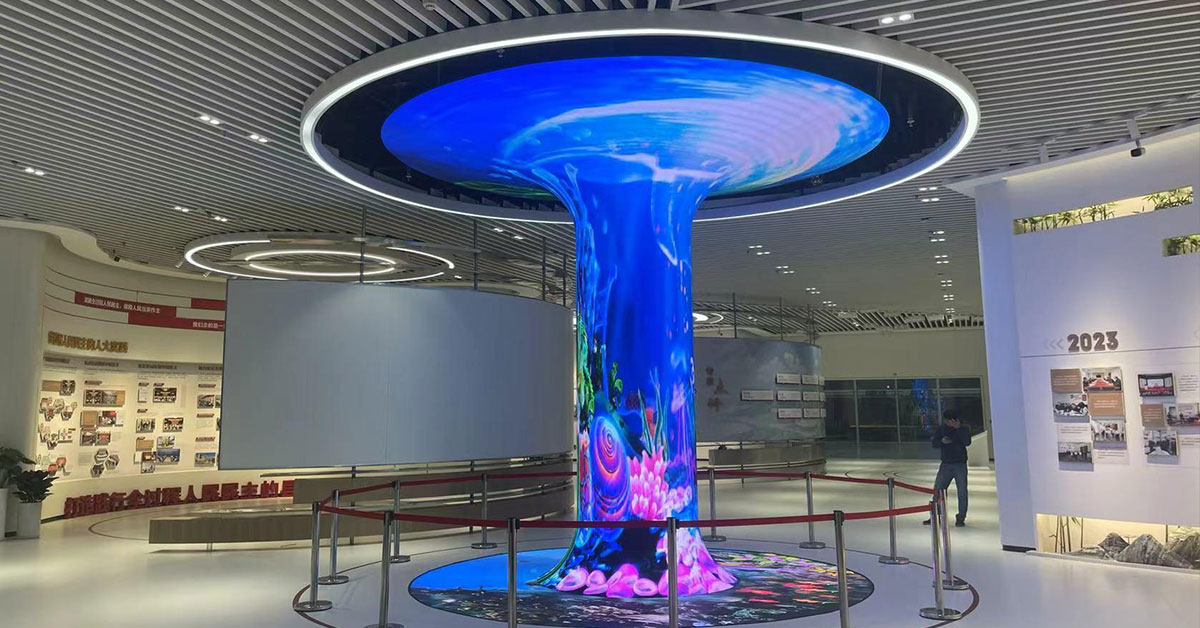
Public Spaces & Museums – 3D educational content makes complex topics more intuitive.
No glasses required for multiple viewers.
Works in bright environments where projection may fail.
Highly versatile for creative visual storytelling.
Glass-free 3D LED screens combine optical engineering, software precision, and high-quality LED panels to produce visually stunning, immersive 3D experiences. They turn ordinary displays into interactive attractions that engage viewers on multiple sensory levels.
 +86 18688923792
  andy@tosled.com