



Industry news


View: 522

Release time:2026-04-01
Transparent LED screens can transform ordinary windows or glass walls into vibrant video displays—without sacrificing visibility or natural light. This makes them an increasingly popular solution in modern retail, architecture, and interior design.
Transparent LED screens achieve their “see-through” effect through two key engineering approaches.
Instead of using a solid panel, the screen consists of slim LED light bars arranged in parallel. The gaps between these strips allow light to pass through, delivering a high transparency rate (typically 70%–95%).
This design ensures that the display remains visible while still allowing people to see through the glass.
Engineers integrate power cables and signal wiring into a lightweight aluminum frame. As a result, when viewers stand a few meters away, the hardware becomes nearly invisible.
Consequently, the content appears to float on the glass surface, creating a clean and futuristic visual effect.
Compared to traditional LED displays, transparent screens offer several structural and functional advantages—especially for glass applications.
Traditional LED screens block incoming light and often turn interiors into dark spaces. In contrast, transparent LED screens allow sunlight to pass through, which:
Maintains a bright indoor environment
Reduces reliance on artificial lighting
Enhances overall spatial comfort
From the inside, users can still enjoy an almost unobstructed outdoor view. Meanwhile, from the outside, the displayed content appears layered onto the glass.
This creates a high-tech, semi-3D visual effect, similar to augmented reality (AR), which significantly boosts visual appeal and engagement.
Because of the open-strip structure, air flows freely through the screen. Therefore, transparent LED displays:
Dissipate heat more effectively than enclosed cabinet systems
Reduce the risk of overheating
Consume less power, especially when displaying content with black backgrounds (where LEDs remain off)
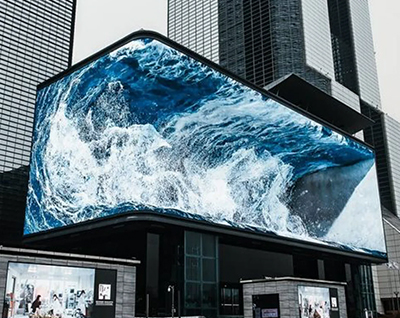
Transparent LED screens excel in environments where visibility, design, and digital content must coexist.
Brands—especially in automotive showrooms and luxury flagship stores—use transparent screens to turn street-facing windows into dynamic advertising spaces.
They can:
Showcase high-resolution videos
Attract foot traffic with motion visuals
Still allow passersby to see inside the store
This balance between promotion and openness significantly improves customer engagement.
Modern office buildings and landmarks increasingly integrate transparent LED screens into their glass curtain walls.
At night, these structures can:
Display large-scale media content
Run synchronized light shows
Enhance the building’s commercial and cultural value
At the same time, the facade remains visually clean during the day.
Inside malls or office buildings, transparent LED screens can function as digital partitions.
They not only divide space effectively but also:
Add a layer of interactive visual design
Deliver branding or informational content
Create a more immersive environment
Transparent LED screens bridge the gap between digital media and physical space. By combining high transparency, efficient thermal performance, and strong visual impact, they turn passive glass surfaces into active communication platforms.
When you apply them strategically, you don’t just install a screen—you redefine how people interact with architecture and space.
 +86 18688923792
  andy@tosled.com