

News
Most genuine customer feedback, highly informative technical support videos, and our latest updates!
Most genuine customer feedback, highly informative technical support videos, and our latest updates!

View: 486

Release time:2025-12-29
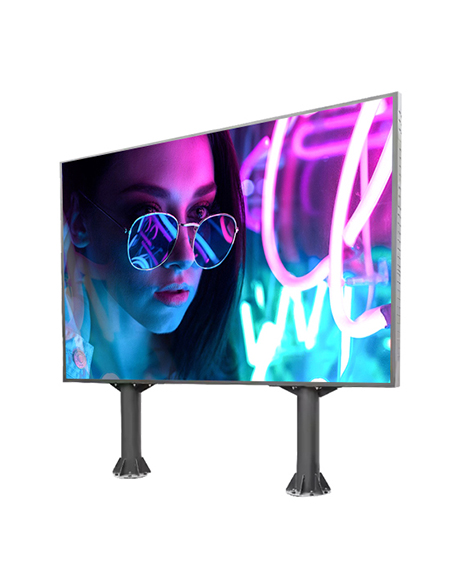
Pole-mounted outdoor LED screens are everywhere. You can see them at highway entrances, along main roads, and near suburban intersections. Some are large billboard-style displays supported by one or two poles. Others are smaller LED screens installed on streetlight poles, also called LED lamp pole screens.
However, not all roadside LED screens work well. Some screens catch your eye right away. The message is clear and easy to read. Others flash by so fast that you cannot tell what they show. In most cases, this problem does not come from the location. It comes from poor buying decisions.
Many buyers think they make smart choices. They believe higher resolution is always better. They also believe lower price means better value. From a professional view, these ideas often do not match real roadside use. Over time, these mistakes lead to poor results and higher costs.
This article explains the most common mistakes buyers make when purchasing or renting roadside outdoor LED advertising screens.
One of the most common questions buyers ask is simple:
“Should I choose P4 or P6?”
“Is higher resolution always better?”
In reality, you must answer another question first. What is the real viewing distance?
For roadside LED screens, people do not stand close. Drivers view the screen while moving. Speed matters. Distance matters even more.
Based on industry experience, a P10 pole-mounted LED screen with a height of about 5 meters has this viewing range:
Minimum viewing distance: about 10 meters
Best viewing distance: about 30 meters
Maximum viewing distance: up to 150 meters
Research also shows that on highways, where cars move at 100–120 km/h, drivers usually notice a billboard about 200 meters away. At that distance, the human eye cannot see fine details. High resolution does not improve recognition.
As a result, choosing a very small pixel pitch for roadside LED screens is often unnecessary. It increases cost but does not improve results.
Here is a practical recommendation based on viewing distance:
10–20 meters: P6 to P8
Best for city commercial streets
20–50 meters: P10 to P16
Ideal for suburban roads and highways
50 meters and above: P20 or larger
Suitable for long-distance highway advertising
You can also use a simple formula:
Viewing distance ≈ pixel pitch (mm) × 1–3 meters (clear zone) to screen height (m) × 30 meters (limit zone)
When you match pixel pitch to real distance, the screen performs better and costs less.
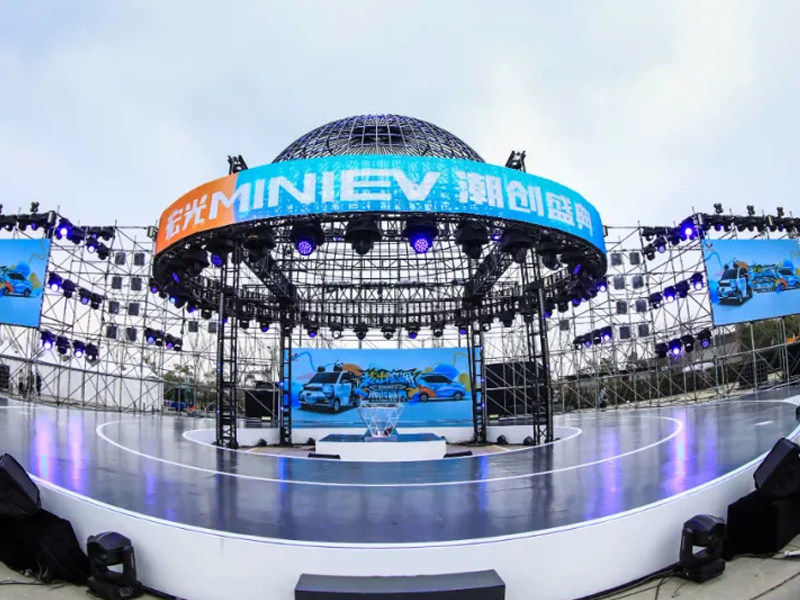
Outdoor LED screens face harsh conditions every day. They deal with direct sunlight. They work in high temperatures. They collect dust and pollution. They also run for long hours without stopping.
Because of sunlight, brightness is critical. A roadside outdoor LED screen usually needs at least 5,000 cd/m². This level ensures clear visibility during daytime.
Some buyers choose lower brightness to save money. This decision often backfires. On sunny days, the content becomes hard to see. Advertisers lose exposure. The screen fails its main purpose.
Heat is another hidden problem. Poor heat dissipation damages LED screens slowly. At first, everything seems normal. After months of high-temperature operation, problems appear.
Common heat-related issues include:
Faster LED lamp aging
Color inconsistency
Power supply failures
Higher maintenance frequency
Heat is dangerous because the damage is not immediate. It often shows up after one year or more. At that point, warranty support may be limited. Repair costs rise quickly.
That is why buyers must check the cooling and ventilation design. Good heat dissipation extends lifespan and improves long-term stability.
Many buyers focus on technical specs. They compare pixel pitch, LEDs, and resolution. They often ignore cabinet material. This is a serious mistake for outdoor LED displays.
The cabinet affects waterproofing, dust resistance, heat dissipation, and structural stability. It also affects maintenance cost over time.
The most common and reliable option for outdoor LED screens is the aluminum alloy cabinet.
Aluminum alloy offers several advantages:
It has a natural oxide layer
It resists rain and mild salt air
It does not rust like steel
It suits both inland and urban outdoor use
Weight is another key factor. Aluminum cabinets weigh about one-third of steel structures. This reduces pressure on walls and poles. For pole-mounted LED screens, lighter weight lowers installation difficulty and cost.
Most importantly, aluminum conducts heat well. It helps release internal heat faster. This reduces LED degradation in hot weather and extends screen lifespan.
These benefits may not look impressive at first. Over years of operation, they make a big difference.
Before you decide on an outdoor LED advertising screen, take time to answer these questions:
What is the real viewing distance?
How hot does the local summer get?
Do you value low price or long-term stability more?
How many years should the project last?
Is maintenance easy after installation?
When you clarify these points, your decision becomes much easier and more accurate.
If you need expert advice, professional manufacturers can help. Companies like Toosen, with over ten years of experience in outdoor LED display production, offer customized solutions for roadside projects. A well-designed screen saves money and delivers better results over time.
Q1: Is higher resolution always better for roadside LED screens?
No. For long viewing distances and fast-moving traffic, larger pixel pitch often works better and costs less.
Q2: What brightness level is recommended for outdoor roadside LED displays?
At least 5,000 cd/m² is recommended to ensure clear visibility in direct sunlight.
Q3: Why is aluminum cabinet material better for outdoor LED screens?
Aluminum resists rust, reduces weight, improves heat dissipation, and extends screen lifespan.
 +86 18688923792
  andy@tosled.com