News
Most genuine customer feedback, highly informative technical support videos, and our latest updates!
Most genuine customer feedback, highly informative technical support videos, and our latest updates!

View: 119

Release time:2026-08-28
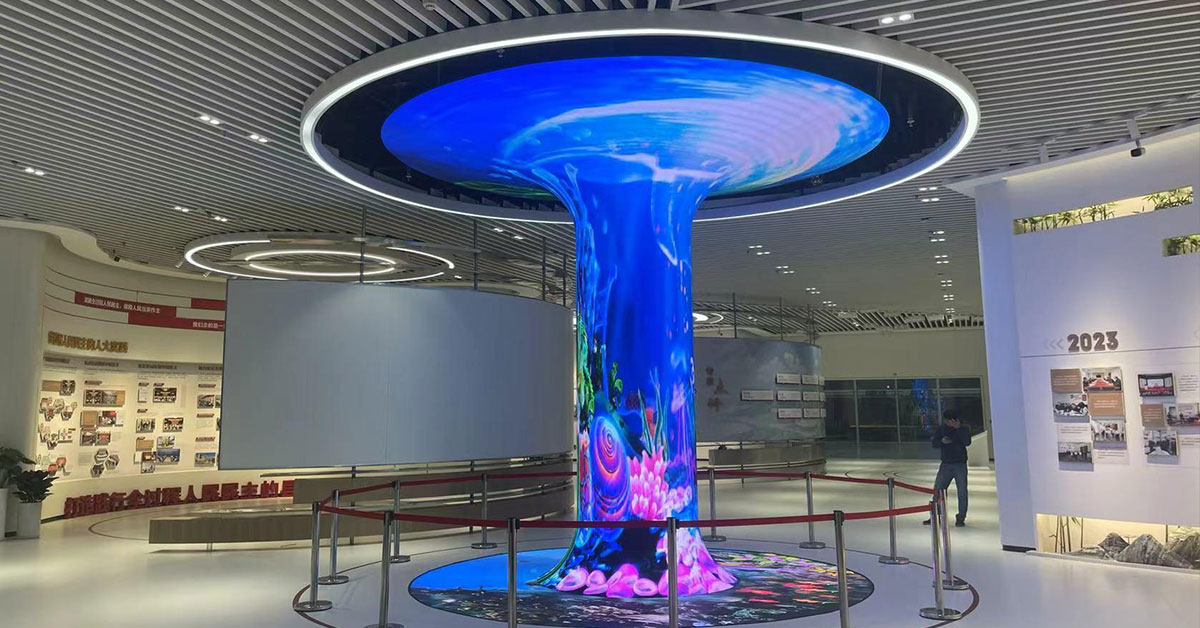
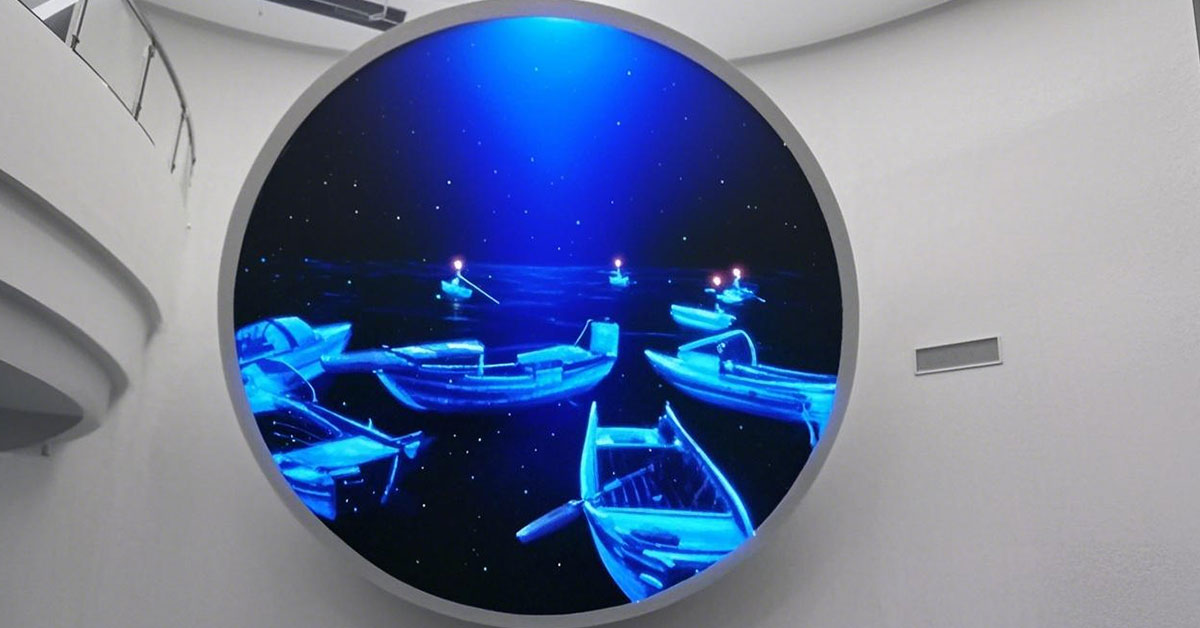
A special-shaped LED screen can turn an ordinary space into a strong visual attraction. Curved screens, cylinders, spheres, waves, and other creative structures are now widely used in shopping malls, exhibitions, museums, retail stores, and commercial spaces.
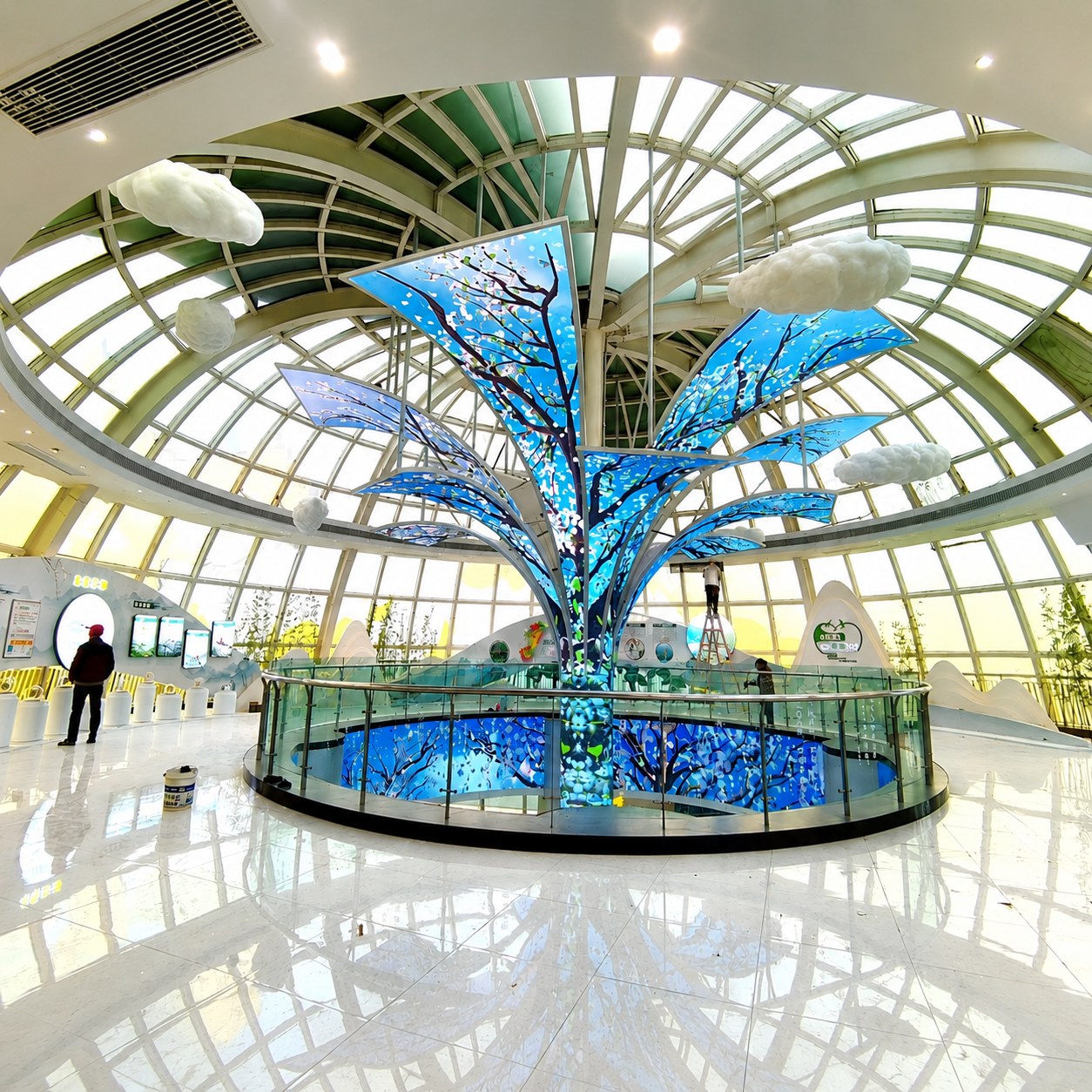
However, these creative structures also create a practical question:
How will technicians repair the screen after installation?
For a standard flat LED wall, maintenance access is usually easy to understand. A special-shaped screen is different. Modules may face different directions, the steel structure may be irregular, and some components may be installed inside a narrow space.
For this reason, maintenance access should be planned during the design stage, not after the screen has already been installed.
The first step is to decide whether the screen will use front maintenance, rear maintenance, or a combination of both.
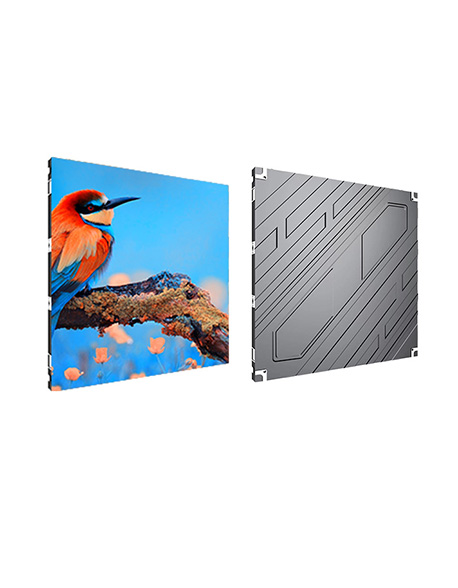
With front maintenance, technicians remove LED modules and other serviceable parts from the viewing side. This is useful when the screen is close to a wall or when there is little space behind it.
With rear maintenance, technicians enter the space behind or inside the display. This can provide convenient access to power supplies, receiving cards, cables, and other components, but it requires enough working space.
Some special-shaped LED screens can use front and rear maintenance depending on their structure and installation environment.
The maintenance method should be confirmed before the steel frame is manufactured. Otherwise, structural supports may block important service points.
One common mistake is checking whether a technician can touch an LED module but not checking whether the module can actually be removed.
These are two different things.
A technician may be able to reach a module, but there may not be enough room to pull it away from the structure.
For example, a module may be very close to:
a wall
a ceiling
a decorative panel
another LED section
a steel support
This problem is especially important for curved and irregular displays because modules are installed at different angles.
During the design stage, check the complete removal movement of each important module. There should be enough clearance for the module to be unlocked, lifted, rotated if necessary, and removed safely.
LED modules are not the only parts that may require replacement.
A complete LED display also contains components such as:
power supplies
receiving cards
HUB boards
signal cables
power cables
connectors
Before installation, mark the location of these parts on the structural drawing.
Then ask a simple question:
Can a technician reach and replace each component without removing a large part of the screen?
For a custom-shaped LED display, this step becomes more important because the internal structure may be different from one section to another.
If a receiving card is hidden behind a structural beam, for example, replacing it may require removing several surrounding modules. Good planning can prevent this unnecessary work.
If the project uses rear maintenance, simply leaving a small gap behind the screen is not enough.
The maintenance route should allow a technician to enter the service area, reach the required components, use tools, and safely remove replacement parts.
Check whether structural beams, cables, power boxes, ventilation equipment, or other building systems block the route.
Large displays may also need service openings at suitable positions so technicians do not have to travel through the entire internal structure to reach one damaged area.
Lighting should also be considered. A dark and narrow maintenance space makes inspection and repair more difficult.
The goal is not simply to create empty space. The goal is to create a usable service route.
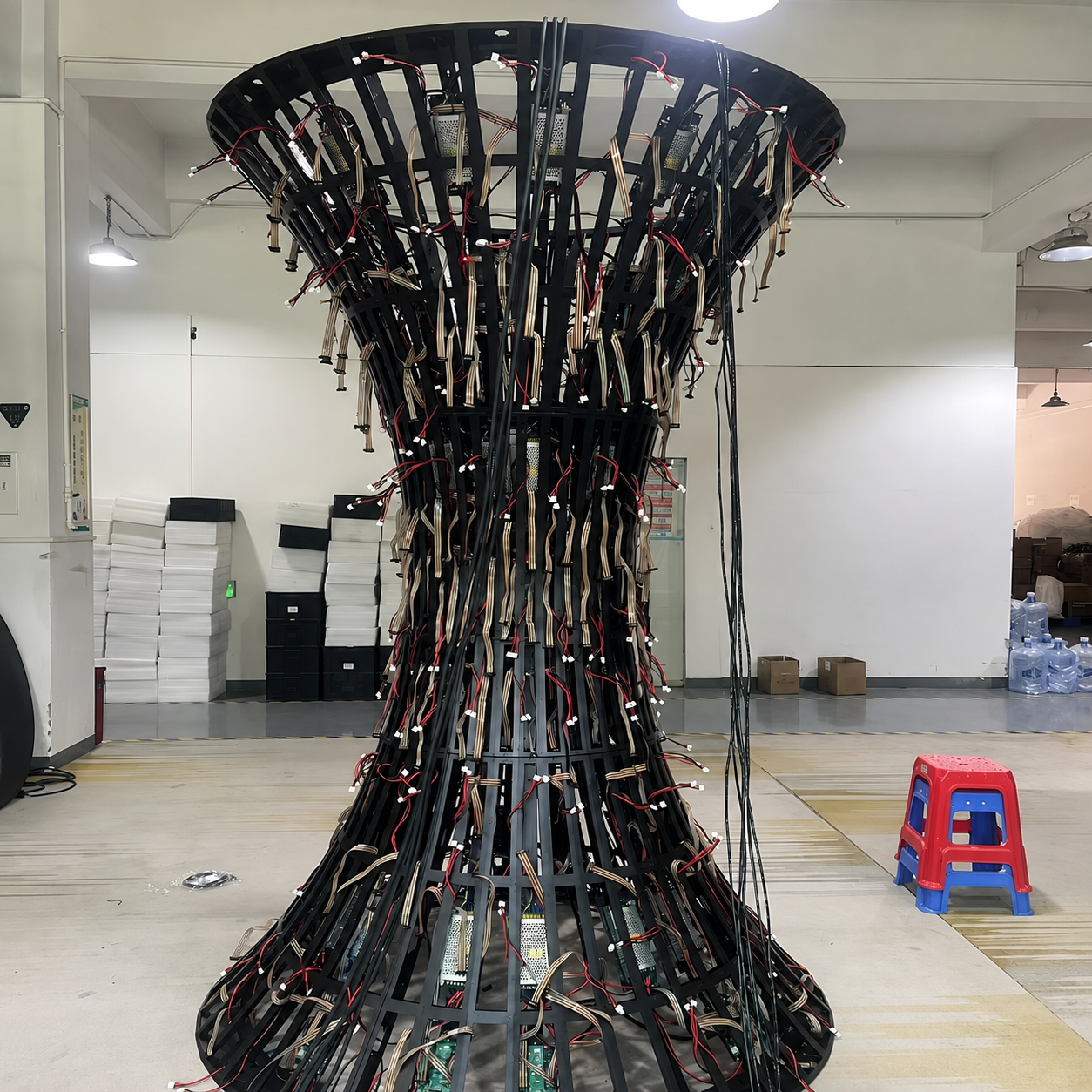
The steel frame provides structural support, but poor frame design can make future maintenance difficult.
A support bar should not sit directly behind a power supply, receiving card, module lock, or cable connector that may need to be removed.
This issue is easy to overlook when the structure is designed only around strength and appearance.
For a special-shaped LED screen, the LED layout and structural design should therefore be considered together.
Before production, compare the LED module drawing with the steel structure drawing. Check where every beam crosses the display and confirm that important service areas remain accessible.
Different shapes create different maintenance challenges.
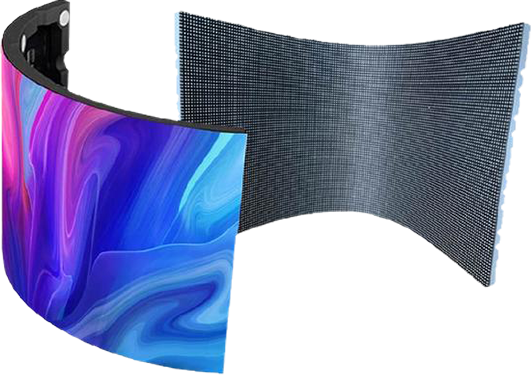
On a curved display, modules are installed at changing angles. A module near a tight curve may have less removal space than one on a flatter section.
When using a flexible LED screen, check both the bending structure and the direction in which each module will be serviced.
A cylinder may be maintained from the outside or from an internal service area.
If technicians need to enter the cylinder, make sure the internal diameter provides enough working room and that there is a safe access opening.
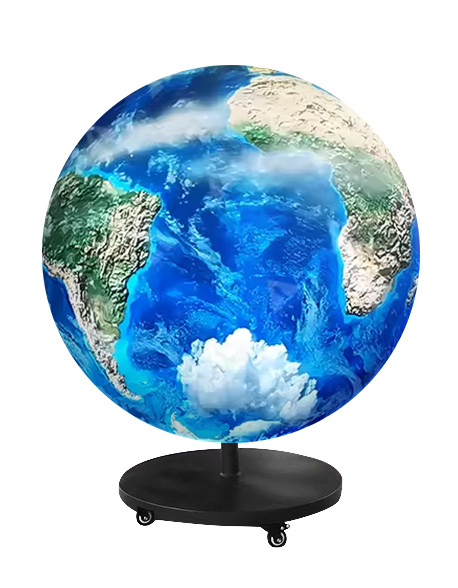
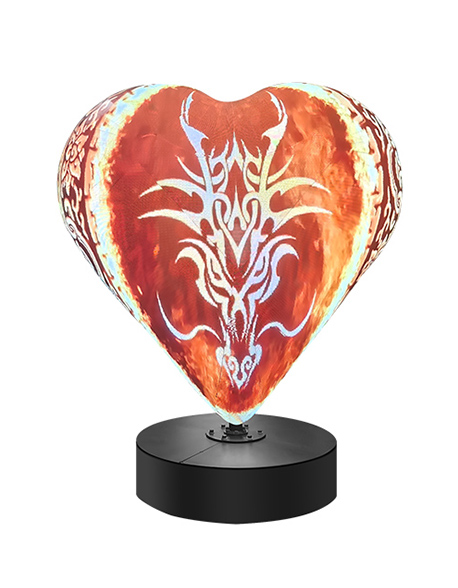
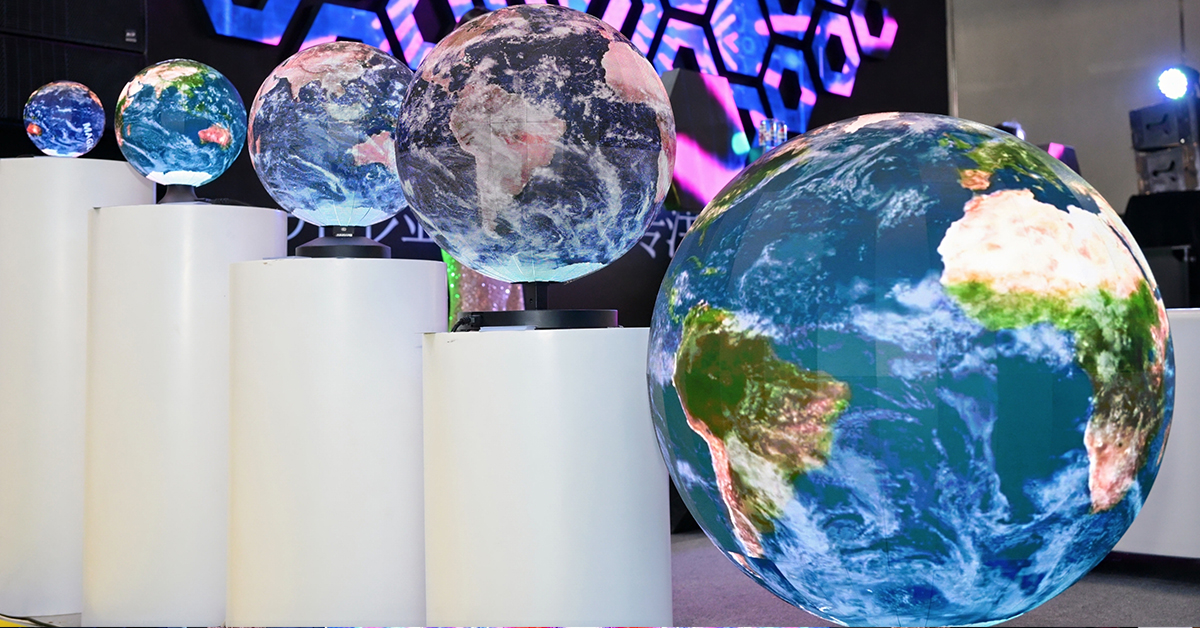
A spherical LED screen has modules arranged around a 360-degree surface. Internal structural supports, cables, power supplies, and control components must therefore be positioned carefully.
Larger spheres may provide internal maintenance access, while smaller structures may depend more on external module removal.
The maintenance plan should match the sphere diameter and installation method.
Wave-shaped and free-form displays may contain many different module angles. Do not assume that one maintenance method works for the entire screen.
Check difficult corners, deep curves, transitions, and edge sections individually.
Technicians need more than their hands to repair an LED screen.
Depending on the module design, they may use a magnetic tool, vacuum suction tool, screwdriver, tester, or other service equipment.
Therefore, the reserved maintenance space should also allow these tools to be positioned correctly.
This is particularly important with front-maintenance screens installed close to architectural surfaces.
A screen may technically support front maintenance, but if a decorative structure prevents the removal tool from being positioned correctly, maintenance will still be difficult.
One of the simplest ways to identify problems is to simulate maintenance before the complete installation is finished.
Ask the installation team to perform several basic tasks:
Remove one LED module → access a power supply → reach a receiving card → disconnect a cable → reinstall the module.
Repeat the test in different areas, especially around curves, corners, edges, and complex structural sections.
If any step is difficult, adjust the structure before final installation.
Changing a steel support during installation is usually much easier than modifying the complete display after it has been operating for several months.
Good maintenance access reduces more than repair time.
It can also reduce labor costs, avoid unnecessary disassembly, protect surrounding modules, and shorten screen downtime.
This is especially important for permanent commercial installations where the LED display may operate for many hours every day.
The cost of maintenance should therefore be considered when designing the screen, not only when something fails. For more information about long-term service costs, see our guide to custom-shaped LED display maintenance costs.
A creative LED display should not only look impressive on the day it is installed. It should also remain practical to operate and maintain over the following years.
TOOSEN provides customized LED display solutions for curved, spherical, cylindrical, polygonal, and other irregular structures. Screen size, pixel pitch, structure, installation method, and maintenance direction can be planned according to the actual project environment.
For special-shaped projects, our engineering team can evaluate the structure before production and help customers choose a suitable front or rear maintenance solution.
If you are planning a custom LED installation, maintenance access should be included in the project drawing from the beginning. A small amount of extra planning before production can make future repairs much faster and easier.
About Toosen LED
Toosen LED is a global manufacturer specializing in spherical, irregular, and creative LED displays. The company serves retail, exhibition, cultural tourism, stage, and event applications worldwide.
Main Website: www.toosenled.com
Application Cases: www.toosled.com
Brand Center: www.toosen.com
YouTube: Toosen LED Display
Facebook: Toosen LED
Email: andy@tosled.com
For more information, please visit www.toosenled.com or contact our sales team at andy@tosled.com.
There is no single distance suitable for every project. The required space depends on the screen structure, module size, maintenance direction, steel frame, and installation environment. The important point is to provide enough space for technicians to reach and remove serviceable components safely.
Not always. Front maintenance is useful when rear space is limited, but some large spheres, cylinders, and other structures may benefit from internal or rear access. The best method depends on the shape and installation conditions.
 +86 18688923792
  andy@tosled.com