



Industry news


View: 482

Release time:2026-04-09
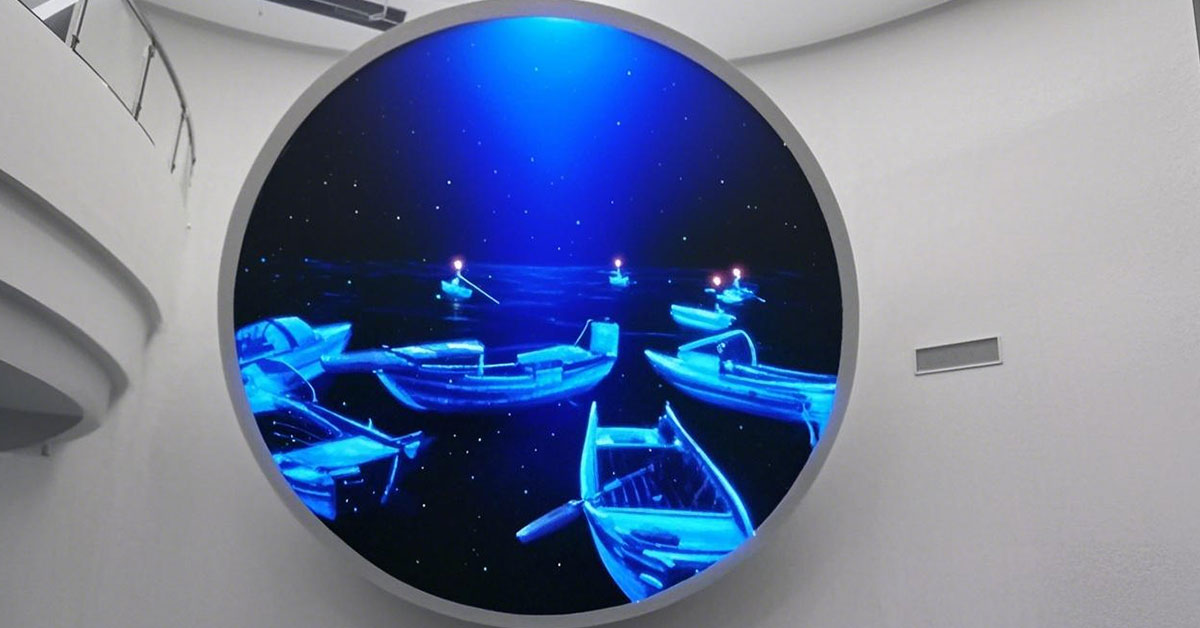
LED screens are no longer static rectangles. With mechanical LED screens—including opening, folding, and rotating designs—displays can move and transform, creating a sense of dynamic beauty that captivates audiences. These screens turn traditional displays into interactive kinetic sculptures, blending engineering, design, and digital content.
Mechanical LED screens combine LED modules with moving structures. Common types include:
Opening/folding screens – Panels split or fold, revealing new visuals or objects behind them.
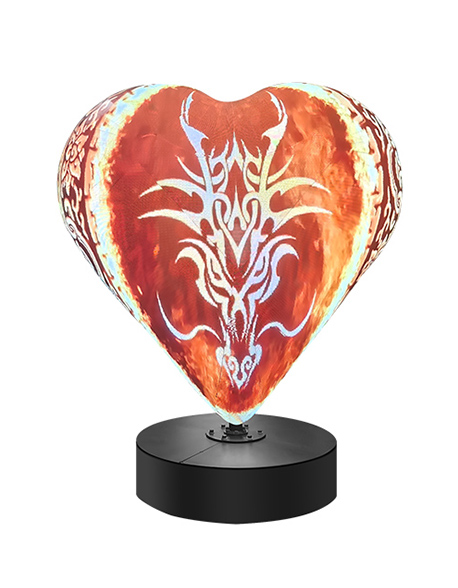
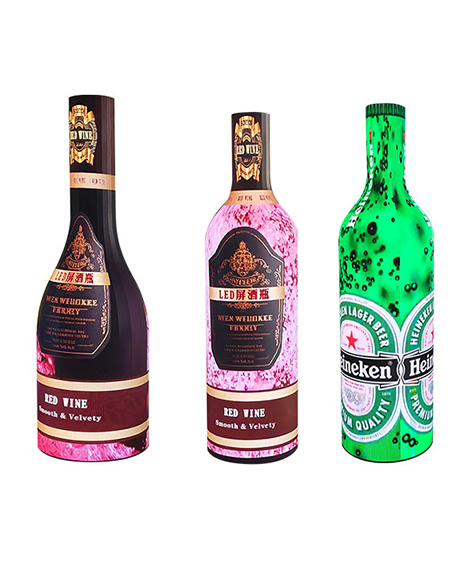
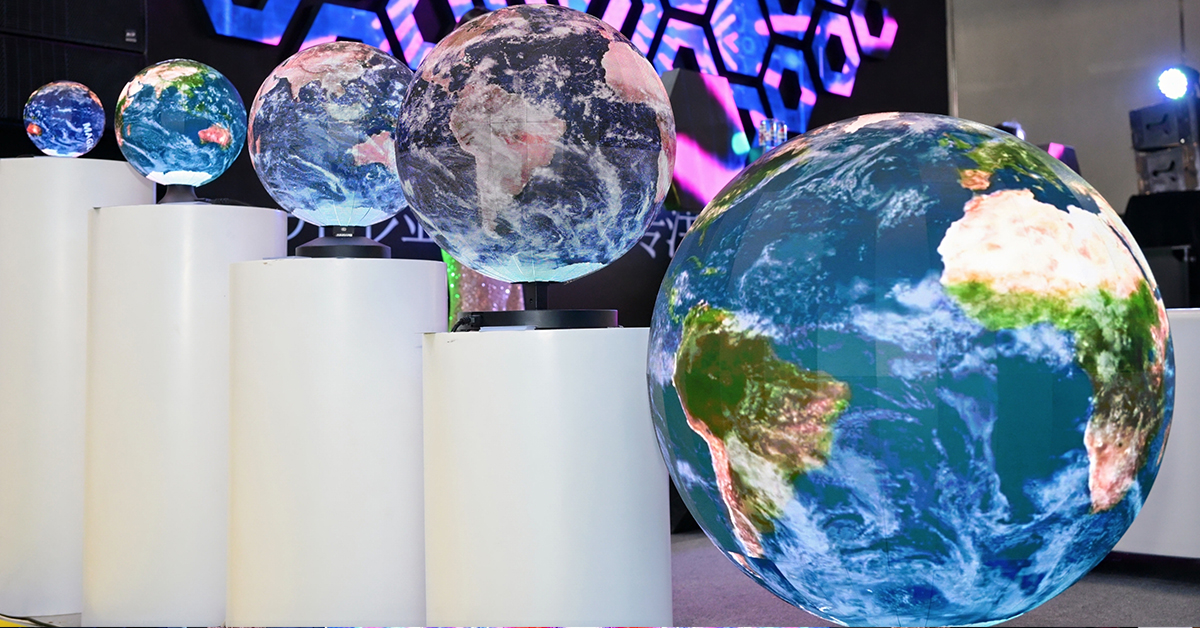
Rotating screens – Cylindrical or polygonal screens rotate to show multiple faces or sequences.
These screens animate both content and the physical structure, creating double-layered visual impact.
Mechanical motion engages audiences in ways static screens cannot. By adding physical transformation:
Viewers experience movement in three dimensions.
Audiences anticipate the next visual change, increasing attention.
Visual storytelling gains dramatic tension and surprise.
The combination of motion and light turns a screen into a live performance element.
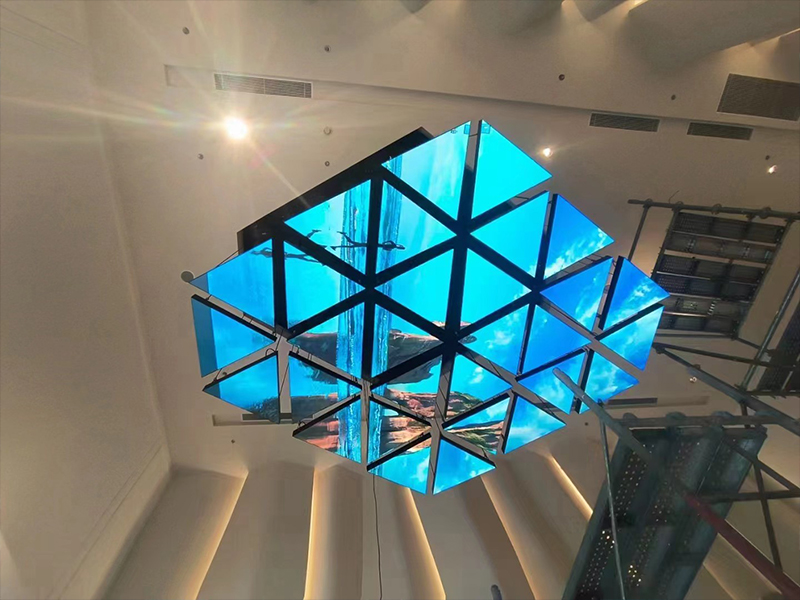
Retail & Flagship Stores – Folding screens can reveal products dramatically.
Events & Exhibitions – Rotating or opening screens create “wow moments” that encourage social sharing.
Stage & Performance Design – Moving panels interact with performers or music for immersive effects.
Structural integrity – Moving parts must be safe and durable for repeated operation.
Content synchronization – Visuals should match the mechanical motion precisely.
Maintenance accessibility – Panels and motors require easy servicing.
LED mechanical screens transform displays from static tools into dynamic art forms, enhancing engagement, memorability, and interactivity. By combining motion, modular LED panels, and creative content, these screens redefine what a display can do.
 +86 18688923792
  andy@tosled.com