


Industry news


View: 616

Release time:2026-07-01
Selecting the right hardware architecture can make or break your digital display project. As LED technology advances, businesses face a critical fork in the road: do you deploy Standard LED Cabinets or invest in Custom LED Modules? While both options deliver stunning brightness and vibrant colors, they serve completely different operational goals, architectural constraints, and budget brackets.
To help you maximize your ROI, this comprehensive guide breaks down the core mechanisms, financial tradeoffs, and strategic use cases for both choices. By the end of this article, you will precisely identify which path aligns with your engineering needs and creative vision.
Before analyzing the business metrics, we must establish a clear technical baseline. People frequently misuse these terms in the display industry, yet they represent entirely different levels of hardware integration.
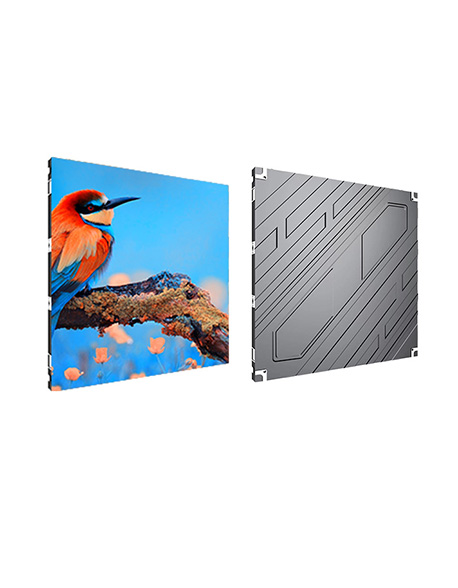
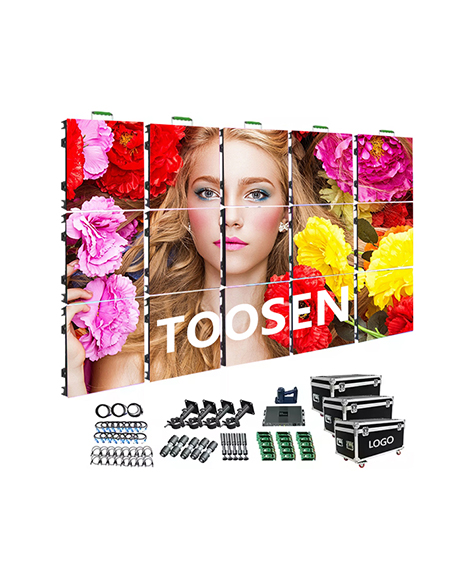
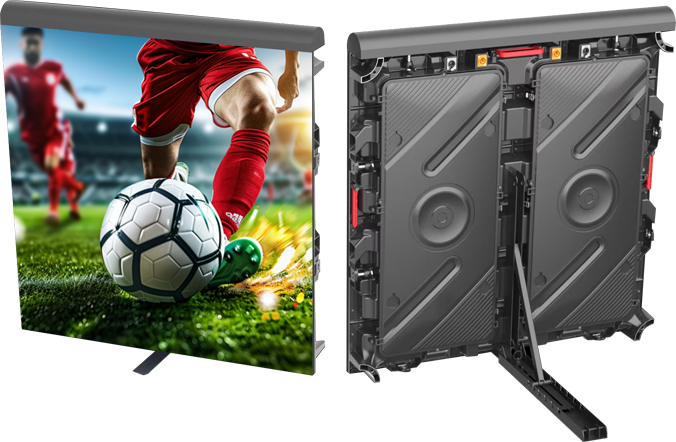
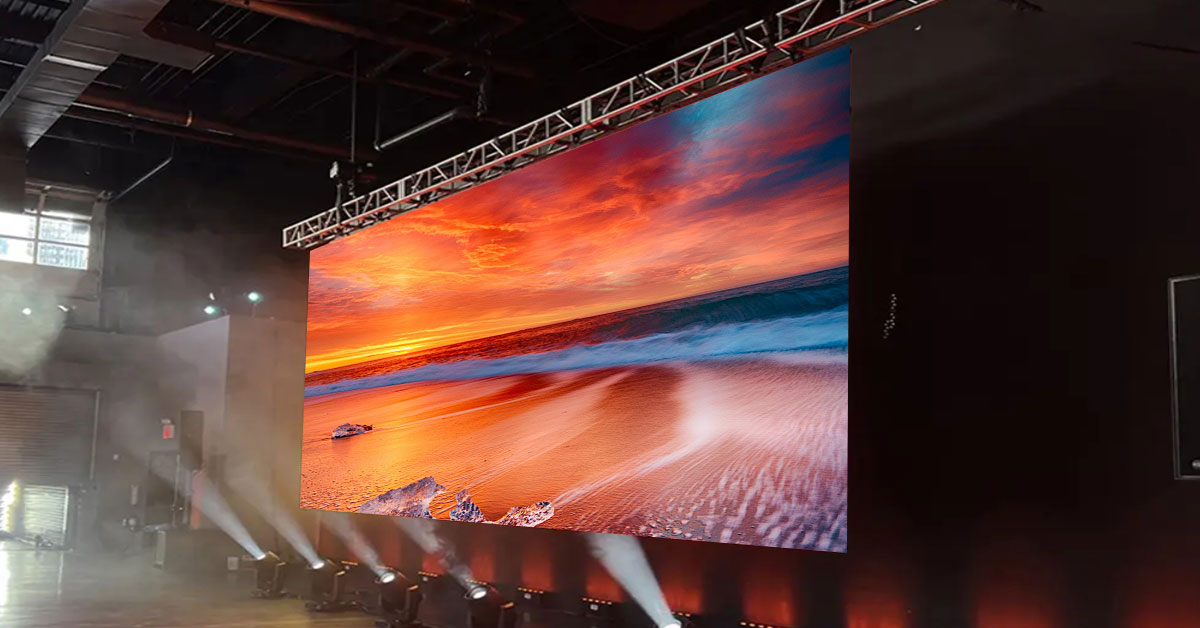
Think of a standard LED cabinet as an all-in-one, plug-and-play enclosure. Manufacturers build these self-contained units in fixed, geometric shapes—most commonly 500x500mm or 500x1000mm rectangles. Each cabinet houses everything a display needs to function: multiple smaller LED pixel matrices, internal receiving cards, robust cooling fans, and integrated power supplies. Engineers simply link these modular building blocks together to create massive, seamless video walls.
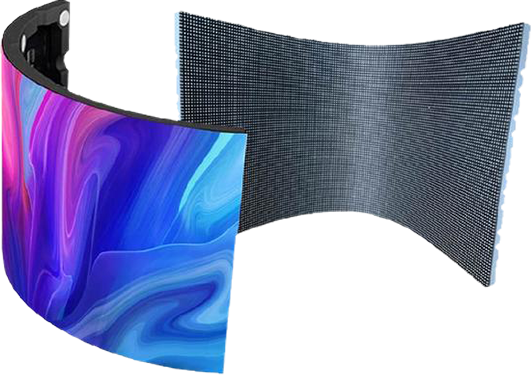
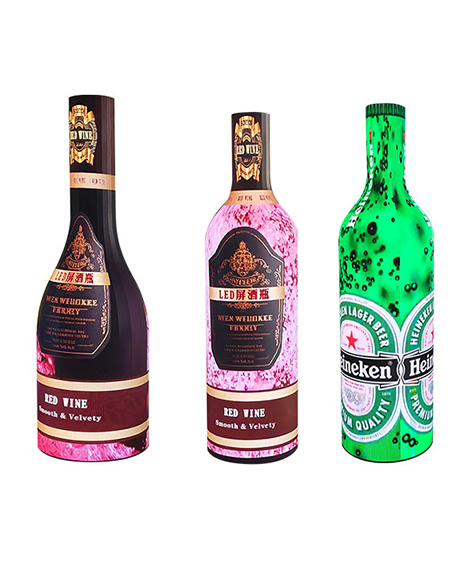
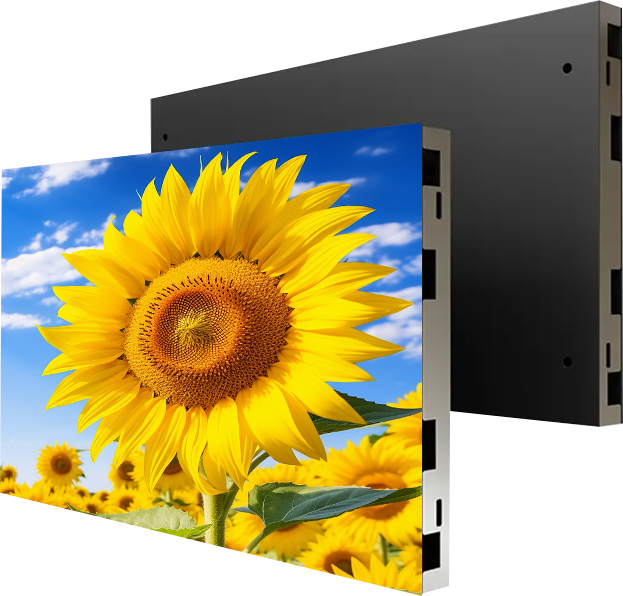
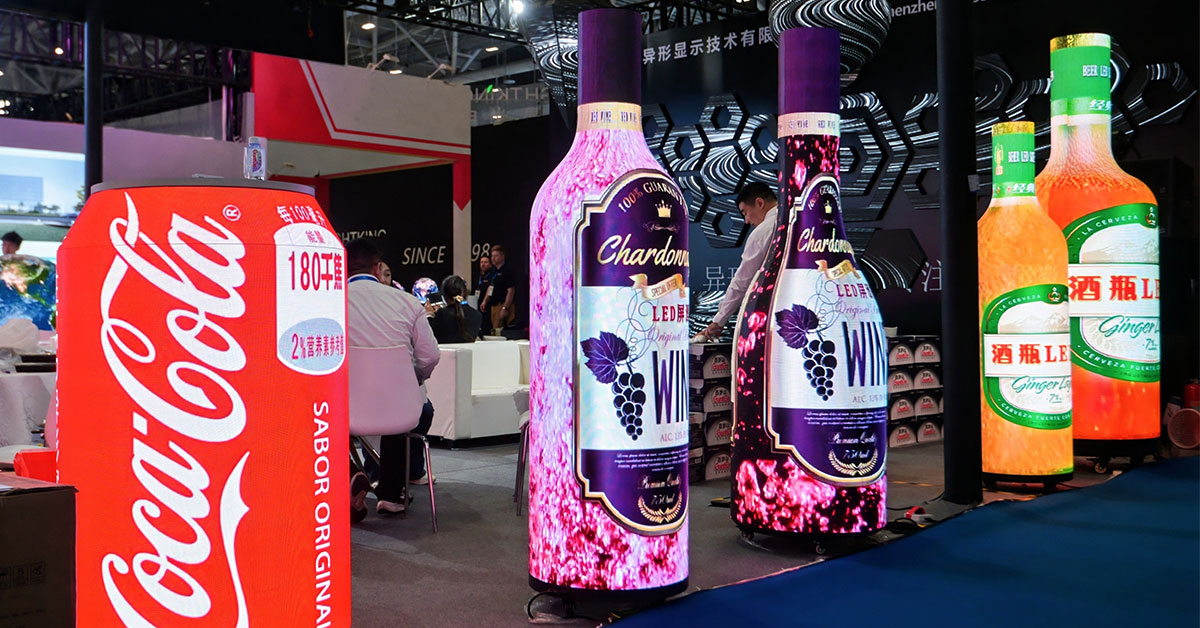
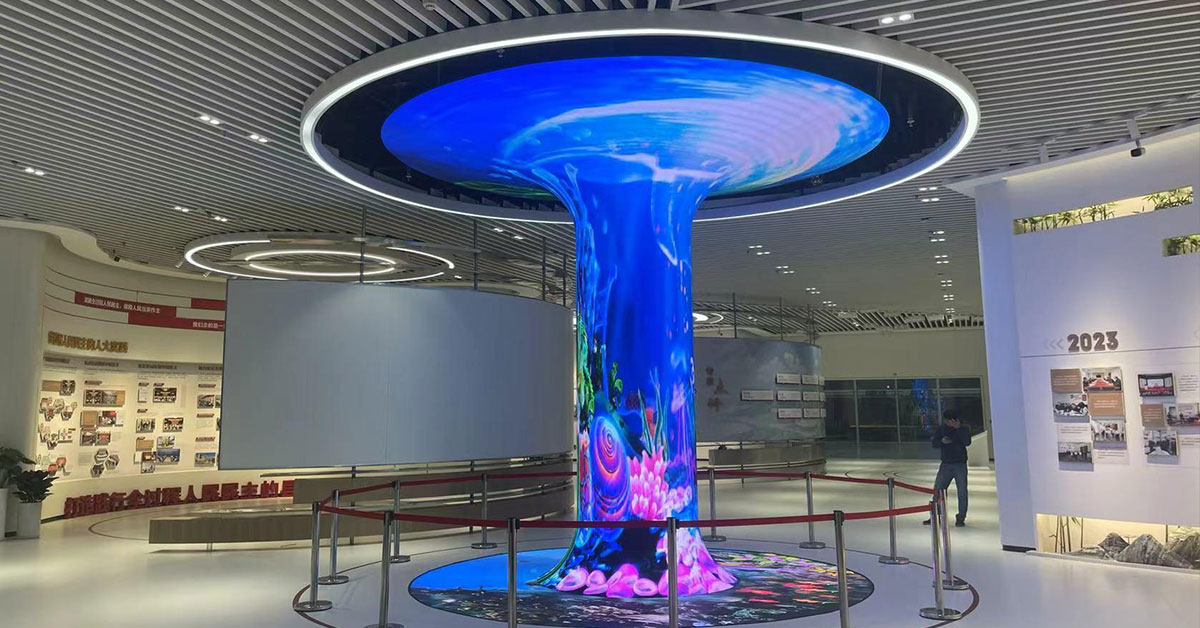
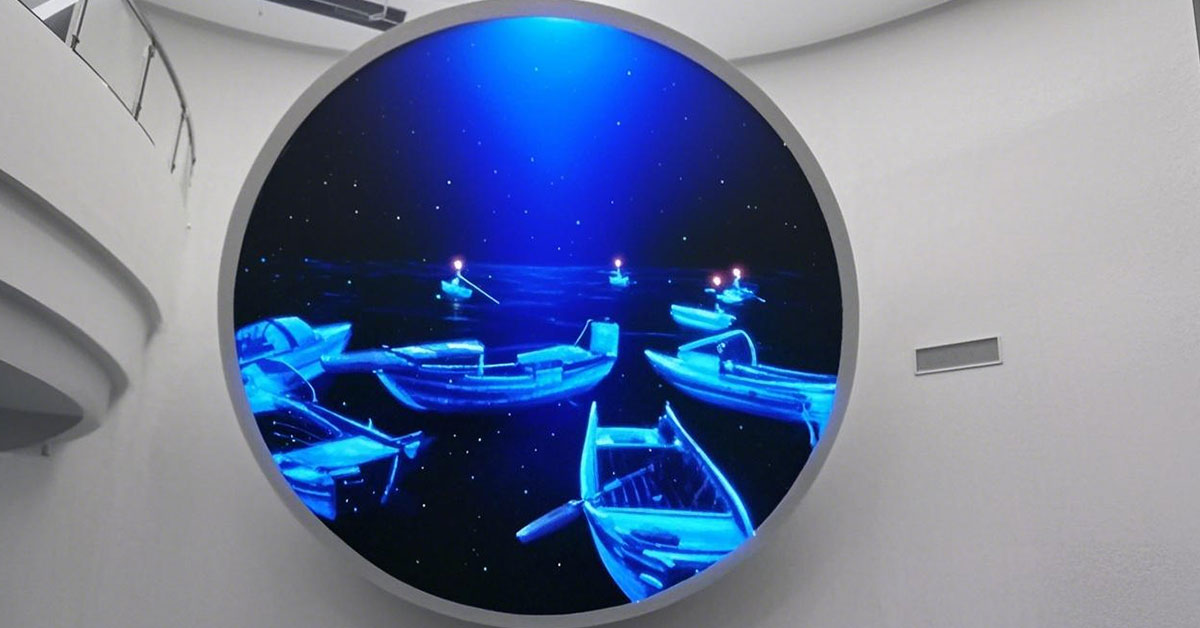
A custom LED module strips away the rigid outer shell. It represents the bare-bones electronic foundation: a custom-shaped Printed Circuit Board (PCB) populated with individual LED diodes, driver ICs, and basic data connectors. Because you do not buy an enclosed box, you must mount these raw modules onto a bespoke, project-specific frame. Engineers choose custom modules when they need to build unconventional shapes, such as perfect circles, tight cylinders, waves, or sharp 90-degree corners.
Key Takeaway: Standard cabinets prioritize rapid deployment and uniform engineering. Custom modules, conversely, sacrifice out-of-the-box convenience to unlock absolute spatial and geometric freedom.
To make an informed decision, you must evaluate how each hardware type performs across key operational categories. The breakdown below outlines the core differences:
· Geometric Flexibility
o Standard Cabinets: Strictly rectangular/square. Limited to flat or slightly curved arrays.
o Custom Modules: Infinite. Supports curves, circles, triangles, and three-dimensional spheres.
· Upfront Costs
o Standard Cabinets: Low to Moderate. Mass production keeps manufacturing costs down.
o Custom Modules: High. Requires custom PCB design, custom tooling, and specialized engineering.
· Installation Speed
o Standard Cabinets: Extremely Fast. Modular locking systems enable rapid assembly.
o Custom Modules: Slow. Requires custom structural integration and complex onsite wiring.
· Maintenance & Logistics
o Standard Cabinets: Simple. Technicians can swap standard parts or entire cabinets in minutes.
o Custom Modules: Complex. Demands specialized spare parts and tailored component tracking.
· Lead Time
o Standard Cabinets: Short. Manufacturers often maintain ready-to-ship stock.
o Custom Modules: Long. Design, prototyping, and custom fabrication add months to the timeline.
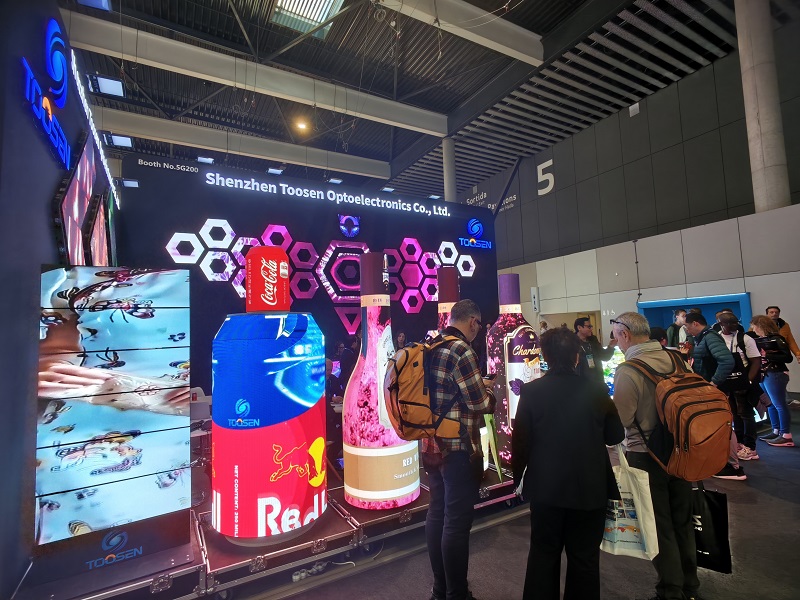
For most commercial deployments, standard LED cabinets remain the industry gold standard. They dominate the market because they streamline every phase of the project lifecycle, from procurement to ongoing maintenance.
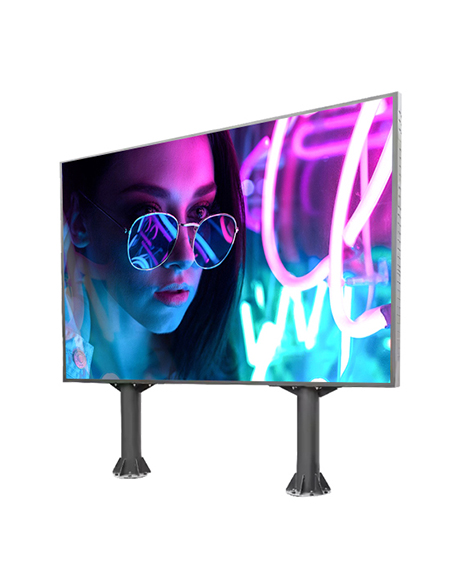
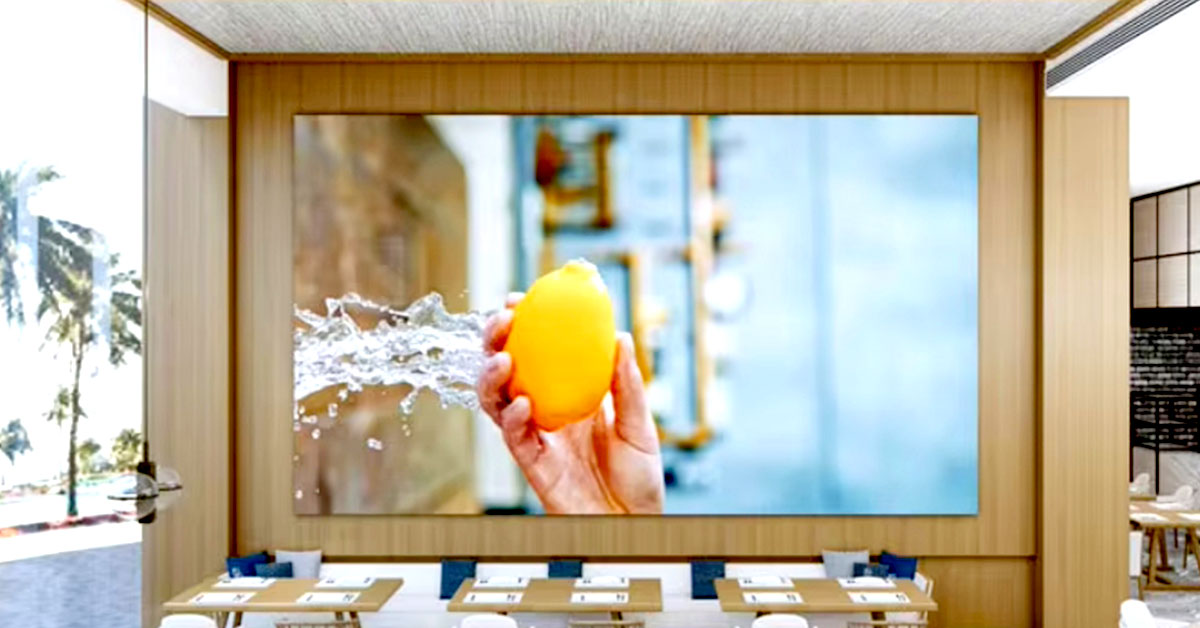
First, standard cabinets offer unbeatable cost efficiency. Because factories mass-produce these units on automated assembly lines, they pass massive economies of scale down to you. If you need a standard 16:9 corporate video wall or a large outdoor billboard, custom hardware will only inflate your budget without adding any functional value.
Second, you gain the advantage of rapid deployment. Standard cabinets feature integrated quick-lock systems and unified power/data loops. A small crew can assemble a massive stadium screen or a concert backdrop in a matter of hours. Furthermore, standard systems feature highly reliable, internal cable management, which significantly reduces the risk of human error during installation.
Finally, standard systems ensure painless lifecycle maintenance. If a power supply fails or a pixel cluster goes dark during a critical live event, a technician can swap out the modular components or replace the entire cabinet instantly. Since manufacturers use standardized parts, finding replacements years down the road poses no logistical challenge.
Despite the convenience of cabinets, standard blocks cannot fulfill every design vision. When a project demands awe-inspiring, boundary-pushing aesthetics, custom LED modules become absolutely essential.
Custom modules excel at architectural integration. Modern luxury retail spaces, flagship corporate lobbies, and museums rarely feature plain, flat walls. Instead, architects design fluid spaces with sweeping curves, columns, and intricate organic geometries. Custom modules allow you to wrap vibrant digital displays seamlessly around these structures, turning passive concrete into active, storytelling environments.
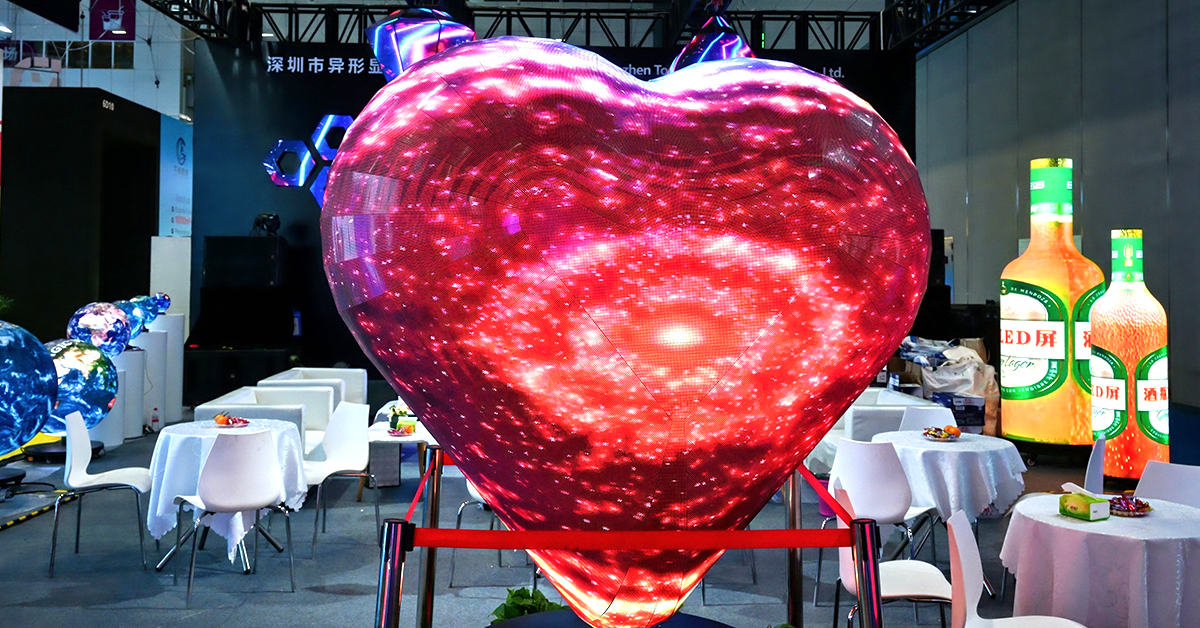
Real-World Application: Imagine a high-end museum installation focused on cosmic themes. To simulate a black hole or a swirling galaxy, standard square panels will fail because their jagged, stair-stepped edges break the illusion. By engineering wedge-shaped and circular custom modules, designers can build a flawless, ten-meter disc display that delivers a truly immersive visual experience.
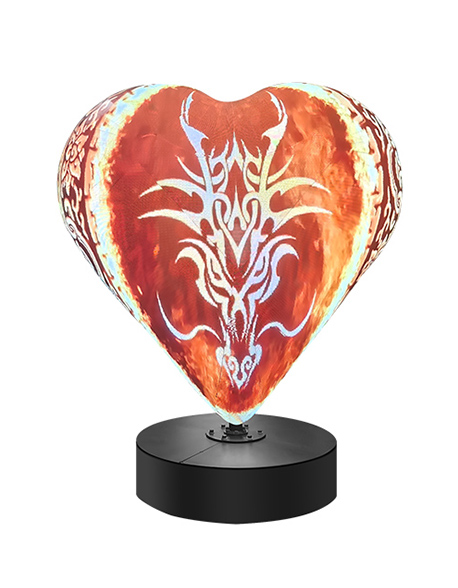
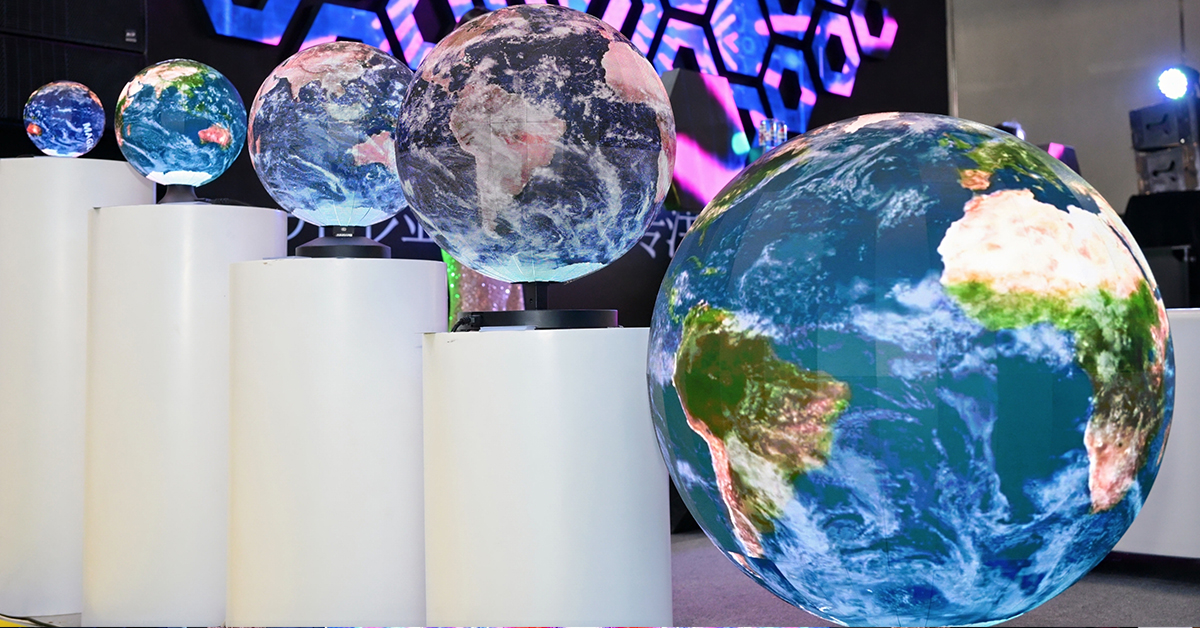
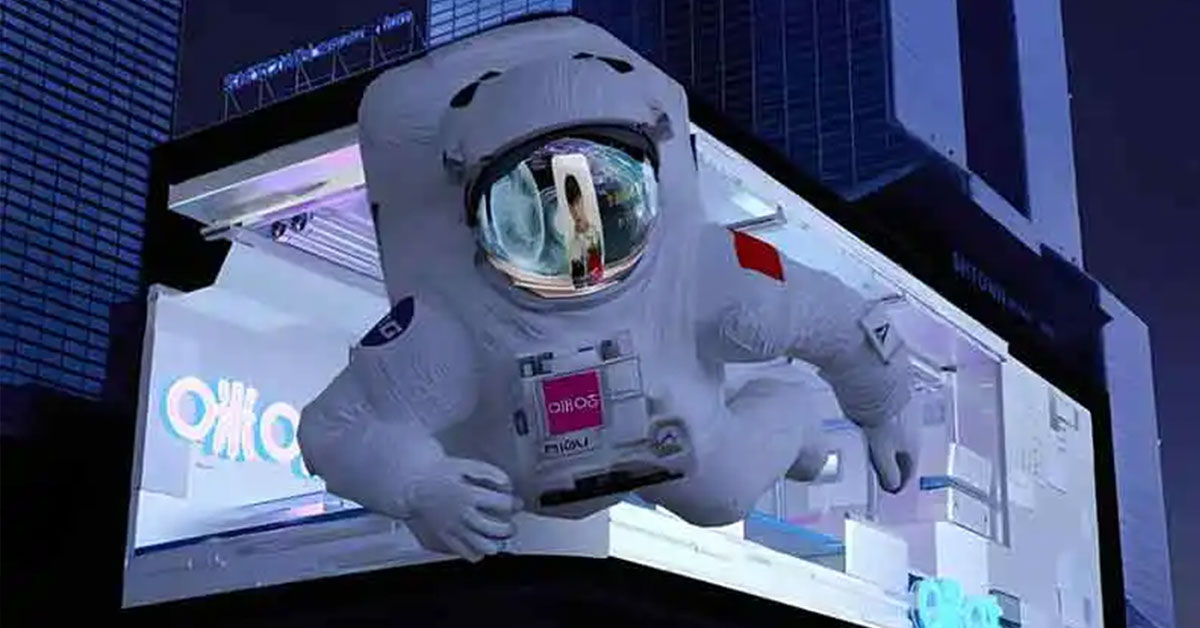
Furthermore, custom modules provide unmatched creative differentiation. In crowded commercial spaces, standard rectangular screens blend into the background noise. A unique, eye-catching digital sculpture—like a 3D LED sphere or an undulating wave suspended from a ceiling—immediately captures foot traffic, boosts brand retention, and maximizes experiential ROI.
To finalize your engineering roadmap, ask your project team the following three questions:
If your display will sit flat on a wall, hang from a standard truss, or mount onto a flat billboard frame, choose Standard LED Cabinets. If your design features tight radii, cylindrical shapes, or unique geometric polygons, you must select Custom LED Modules.
Do you need to launch the display within a few weeks on a strict budget? Standard Cabinets will protect your bottom line and meet tight deadlines. Do you have a healthy budget and several months to spare for custom design, engineering validation, and structural prototyping? Invest in Custom Modules.
If local, general technicians will manage the display, the plug-and-play nature of Standard Cabinets minimizes downtime. However, if you deploy Custom Modules, ensure your team secures an extensive batch of specialized spare parts (from the exact same manufacturing run) and retains an expert integration partner for technical support.
Ultimately, neither solution is objectively superior to the other; they simply solve different engineering problems. Standard LED cabinets give you a reliable, cost-effective, and incredibly fast way to deploy high-impact visual displays at scale. On the other hand, custom LED modules break down physical barriers, allowing you to merge digital art with complex architecture.
Evaluate your architectural boundaries, compute your total cost of ownership, and pick the hardware architecture that truly empowers your visual goals.
Yes. Engineers often combine them to optimize budgets. For example, you can build the main flat section of a massive display using cost-effective standard cabinets, and then use custom-shaped modules exclusively to smooth out curved edges or wrap around perimeter columns. However, you must ensure that both systems share identical LED lamp brands, driver ICs, and calibration profiles to prevent visible color or brightness mismatches.
Unlike standard cabinets that sit ready in warehouses, custom modules require a complete engineering design cycle. Consequently, engineers must design a new PCB layout, modify automated manufacturing machinery, create unique mounting brackets, and conduct rigorous electrical and thermal testing before mass production even begins. This rigorous process typically adds 8 to 12 weeks to your production timeline.
Specialized LED video processors and advanced media servers handle this complexity. Specifically, engineers use coordinate-based pixel mapping software to tell the system exactly where each physical pixel sits in three-dimensional or two-dimensional space. The software then samples the source video and distributes the correct pixel data to the corresponding custom modules, ensuring the final image appears natural and undistorted.
No. The core LED diodes degrade at the exact same rate if they use identical quality components. However, because custom modules lack the protective, sealed outer enclosure of standard cabinets, they rely entirely on the quality of your external custom frame. Therefore, if your custom structural frame allows moisture or heat to accumulate, the display may experience higher failure rates over time. Always invest in high-quality structural engineering for custom module deployments.
 +86 18688923792
  andy@tosled.com