


Industry news


View: 646

Release time:2026-06-30
The global LED display industry is growing faster than ever. As smart cities, digital signage, retail experiences, sports venues, and entertainment projects continue to expand, LED displays have become an essential communication tool for businesses worldwide.
However, not every project delivers the expected results. Many installations experience problems such as inconsistent image quality, unexpected maintenance costs, shortened service life, or even complete system failure. In most cases, these issues are not caused by the LED technology itself. Instead, they result from poor planning, inappropriate product selection, or inexperienced project execution.
Understanding the most common pitfalls can help buyers make better decisions and maximize the return on their investment.
For many buyers, budget is the first consideration. While controlling costs is important, choosing an LED display based solely on price often leads to higher expenses later.
Not all LED displays are built with the same quality standards. The performance of the screen depends heavily on factors such as:
LED chip quality
Driver IC stability
Power supply reliability
Cabinet precision
Factory calibration and aging tests
A lower-priced display may perform well initially, but brightness inconsistency, color shift, dead pixels, and higher failure rates can appear after months of continuous operation.
Instead of comparing purchase prices alone, consider the total cost of ownership (TCO). Ask suppliers about component brands, quality control procedures, burn-in testing, and the expected operating lifespan of the display.
Every LED project has unique technical requirements. A display designed for an indoor shopping mall cannot simply be used for outdoor advertising, television broadcasting, rental events, or a stadium environment.
Choosing the wrong solution may result in problems like:
Brightness that is too low for direct sunlight
Poor weather resistance
Refresh rates unsuitable for camera recording
Excessive energy consumption
Reduced viewing experience
A reliable supplier should first understand your project before recommending a product. Factors such as installation environment, viewing distance, ambient lighting, operating schedule, and content type should all influence the final design.
Many customers pay close attention to the LED panels themselves while overlooking the supporting systems that keep the display operating smoothly.
A successful LED installation depends on much more than the screen, including:
Video processors
Control systems
Sending and receiving cards
Signal transmission
Power distribution
Structural engineering
Weaknesses in any of these areas can cause signal interruptions, flickering, latency, synchronization issues, or even safety concerns.
Choose a supplier capable of delivering a complete, integrated solution rather than simply selling display panels. Experience with system integration is often just as important as the display hardware itself.
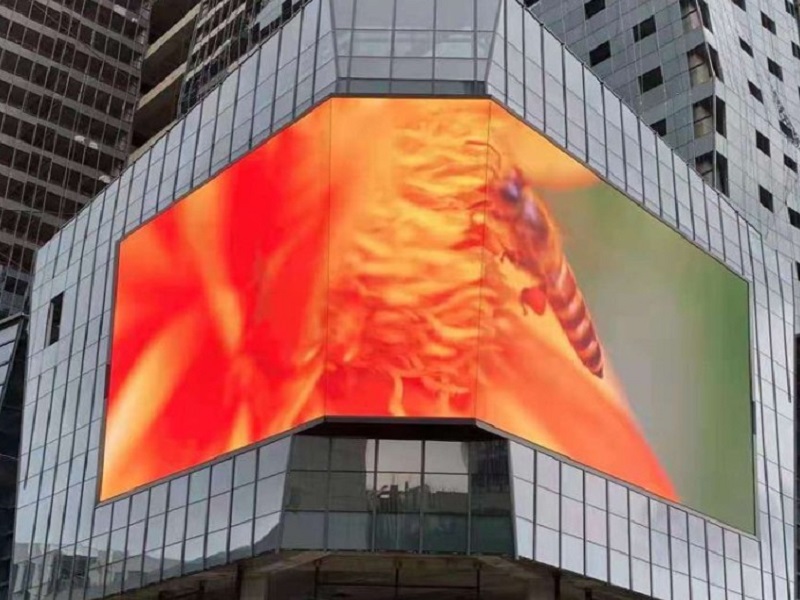
Even premium LED displays can underperform if installation quality is poor.
Some of the most common installation problems include:
Misaligned cabinets
Uneven screen surfaces
Structural movement or vibration
Improper grounding
Insufficient ventilation and heat dissipation
These issues are frequently caused by inexperienced installers or inadequate project management.
Work with installation teams that have proven experience with similar projects. Clear construction planning, quality inspections, and project supervision are essential for long-term reliability.
Many LED displays operate well during the first year but begin experiencing problems later because maintenance planning was never considered.
Without ongoing technical support, simple issues can quickly develop into costly repairs.
Common challenges include:
Limited spare parts availability
Delayed technical assistance
Difficult maintenance procedures
Extended system downtime
Select suppliers that offer comprehensive after-sales service, long-term spare parts support, responsive technical assistance, and clearly defined warranty policies. A dependable service network can significantly extend the lifespan of your investment.
An LED display is much more than a piece of electronic equipment. It represents your brand, delivers important messages, and often serves as the centerpiece of customer engagement.
Projects that succeed typically share several characteristics:
They prioritize long-term value instead of the lowest initial price.
They choose products designed specifically for the intended application.
They emphasize professional engineering and installation.
They build long-term partnerships with experienced suppliers.
When these principles are followed, LED displays can provide years of reliable performance while delivering strong visual impact and excellent return on investment.
Most LED display project failures are preventable. The key lies in making informed decisions from the very beginning.
By carefully evaluating product quality, selecting solutions that fit the application, ensuring proper system integration, and partnering with experienced professionals, businesses can avoid common mistakes and build LED display systems that remain dependable for years to come.
Ultimately, the success of an LED project depends less on the technology itself and more on the decisions made throughout the planning, purchasing, and implementation process.
The most common mistake is choosing the lowest-priced option without considering long-term performance. Higher-quality components, proper calibration, and reliable engineering usually result in lower maintenance costs and a longer service life.
Different environments require different technical specifications. Factors such as brightness, pixel pitch, waterproof rating, refresh rate, and cabinet design should all be selected based on where and how the display will be used.
Work with an experienced supplier that provides a complete solution, including system design, quality manufacturing, professional installation, and long-term technical support. Planning for the entire lifecycle of the display is the best way to maximize reliability and return on investment.
 +86 18688923792
  andy@tosled.com